




Figural Bronze Clock
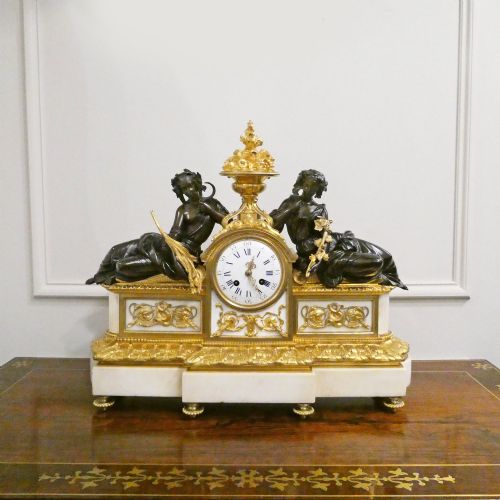
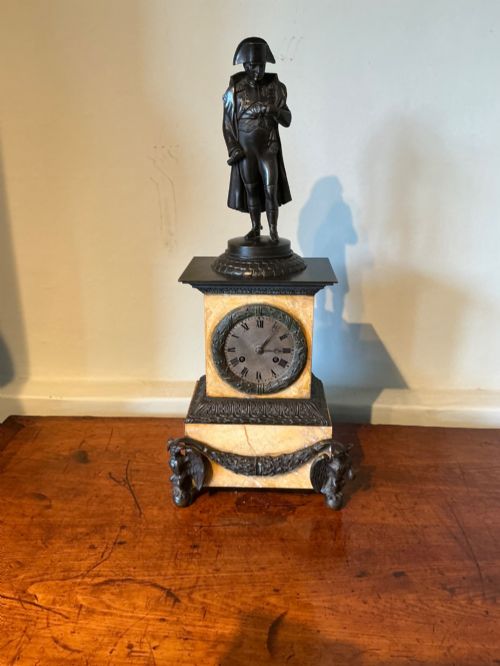
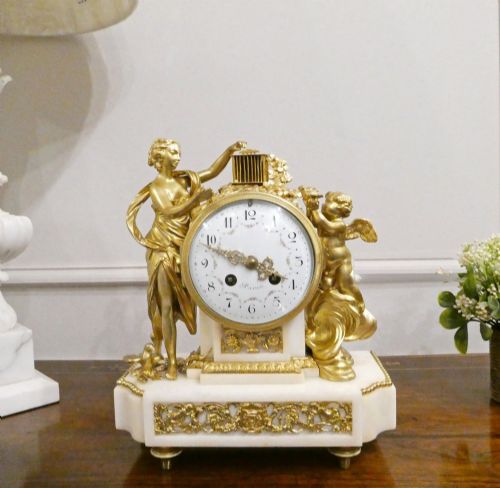
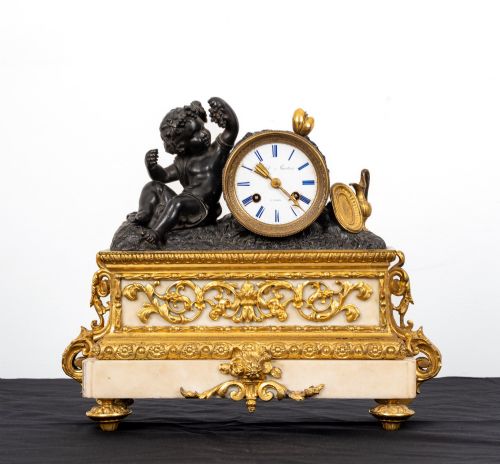
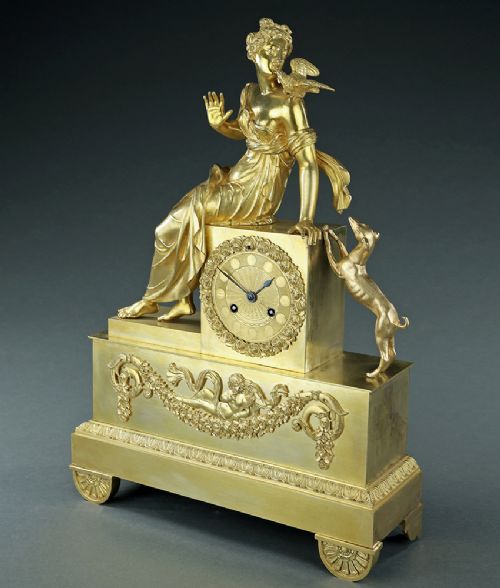
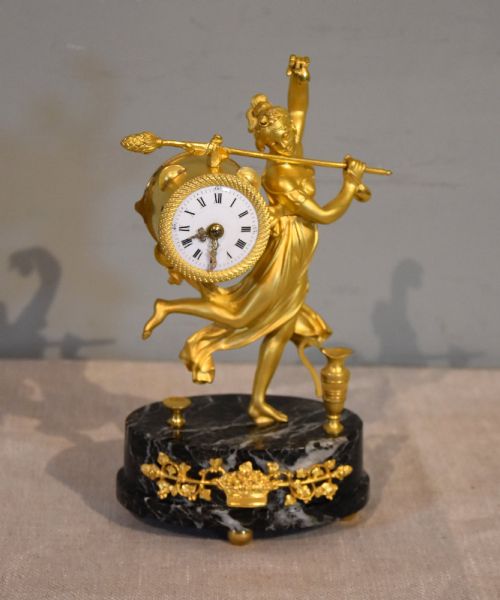
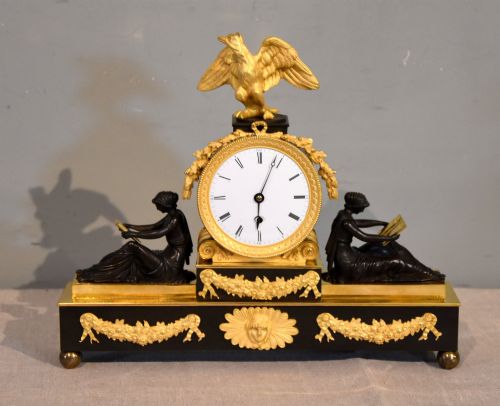
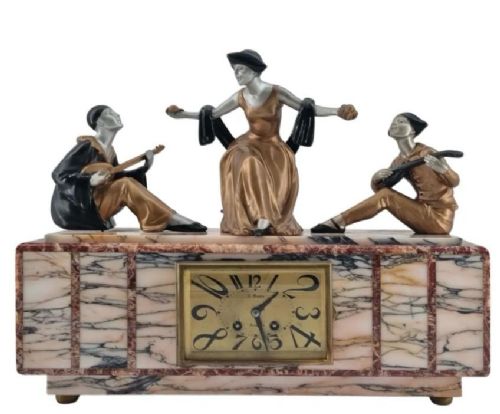
These figural bronze clock examples bring together bronze, gilt bronze, and marble to anchor a room with classical form.
What They Are
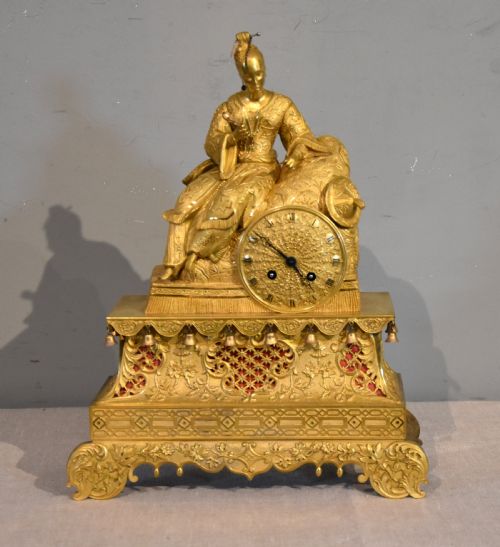
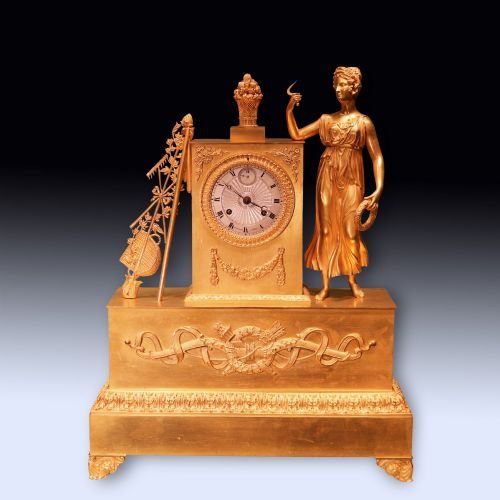
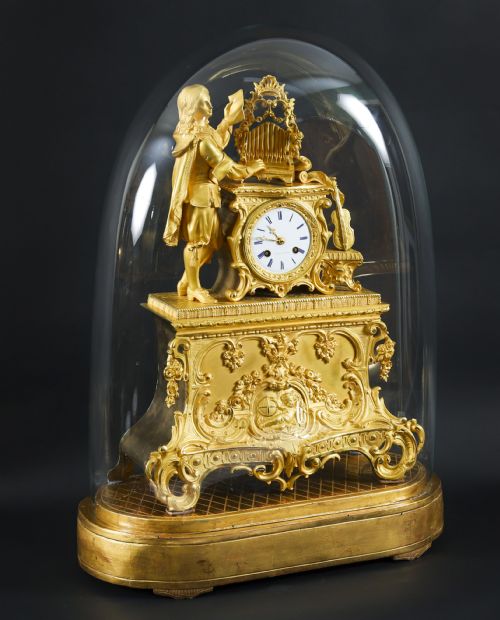
A figural bronze clock combines a working timekeeper with a sculpted human or animal subject cast in bronze or gilt bronze. These pieces range across Victorian and Regency periods, drawing heavily on French Empire and Regency styles.
The sculptural subjects vary widely across the inventory, depicting figures such as Napoleon, a mediaeval knight on horseback, a poet, or a young maiden. Animal forms also appear, including a water buffalo and a panther set within a clock group.
Mantel clocks form the core of this group, often incorporating detailed dials such as second dials or chain fusee movements. Materials shift between solid bronze, gilt bronze, patinated bronze, and marble bases.
How They Were Made
Maker workshops utilised bronze casting methods to render complex figural details, from the armour of a knight to the folds of a maiden's garments. Gilt bronze and patinated finishes provided contrasting surface textures on the same body.
Movements relied on chain fusee mechanisms in specific Regency examples, while enamel dials carried numerical markings. Marble often formed the structural plinth supporting the heavy metal weight.
What Varies in Quality
The refinement of the casting defines the upper tier, where facial expressions, fabric drapery, and animal musculature remain sharp and distinct. Weaker examples show softer edges and lost definition in the secondary ornamentation.
The integration of the movement into the sculptural housing separates standard production from workshop pieces by named makers. Dial execution, such as the inclusion of subsidiary second dials, marks higher technical ambition.
The Figural Bronze Clock Glossary
- Chain fusee
- A mechanism using a conical pulley and chain to ensure even tension as the mainspring unwinds. This system appears in higher-grade Regency mantel clocks.
- Gilt bronze
- Bronze treated with a layer of gold, often via mercury gilding in period pieces, creating a brilliant and durable golden surface. It provides the primary visual contrast on French Empire models.
- Patinated bronze
- Bronze treated chemically to darken the surface and create specific brown or greenish tones. This finish highlights the highlights of polished gilt elements.
- Mantel clock
- A domestic clock designed to sit on a fireplace mantel or shelf. These pieces use heavy bronze and marble bases to remain stable.
- Enamel dial
- A metal dial face coated with fused glass powder and fired, providing a smooth white surface for painted numerals.
Frequently Asked Questions
What periods do these clocks come from?
The available pieces and archive records span the Regency and Victorian eras. French Empire and Regency design influences dominate the styling of the cases.
Specific eras bring distinct aesthetic choices, from classical architectural mounts to romantic narrative figures.
How do chain fusee movements work?
A chain fusee regulates the power delivered from the mainspring to the gear train. The conical pulley compensates for the declining force of the spring as it runs down.
This technical addition maintains more consistent timekeeping across the duration of the wind.
What materials are used in the cases?
Makers combined cast bronze, gilt bronze, patinated bronze, and marble. Metal components provide the figures and decorative mounts, while stone plinths add stability.
Enamel typically forms the background of the clock face where the numbers are painted.
Where were these clocks placed originally?
These mantel clocks sat on prominent display shelves, drawing rooms, or libraries within larger homes. Their substantial weight required sturdy support surfaces.
They served both as functional timekeepers and as sculptural centrepieces reflecting the owner's taste.