
Antique Oriental Bronzes
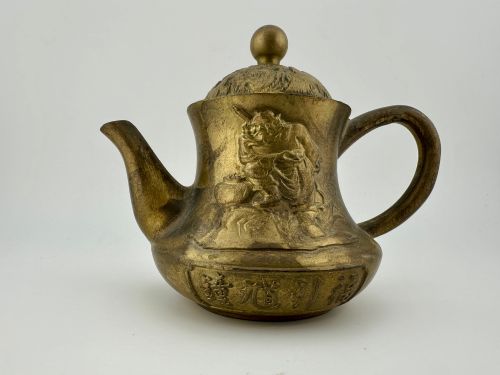
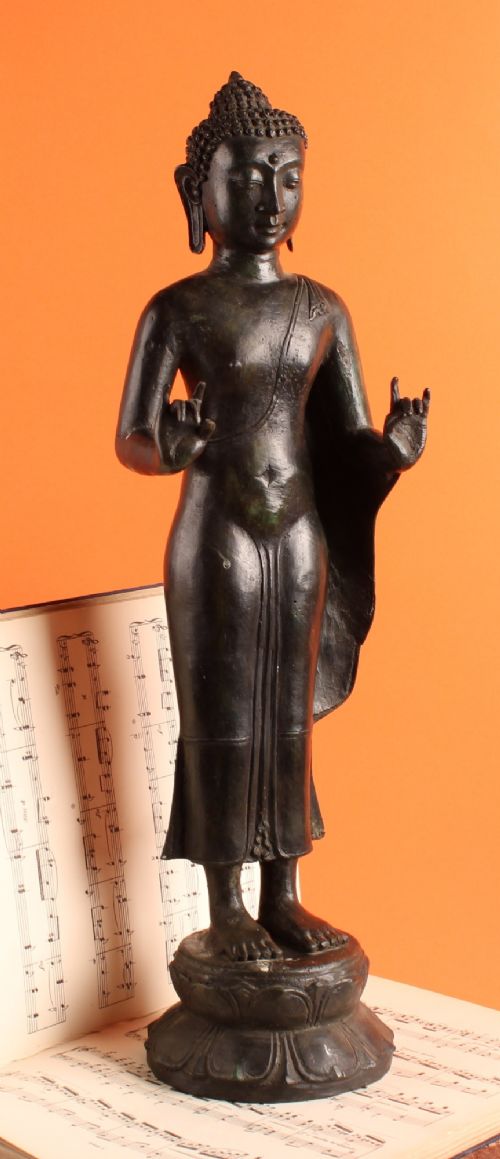
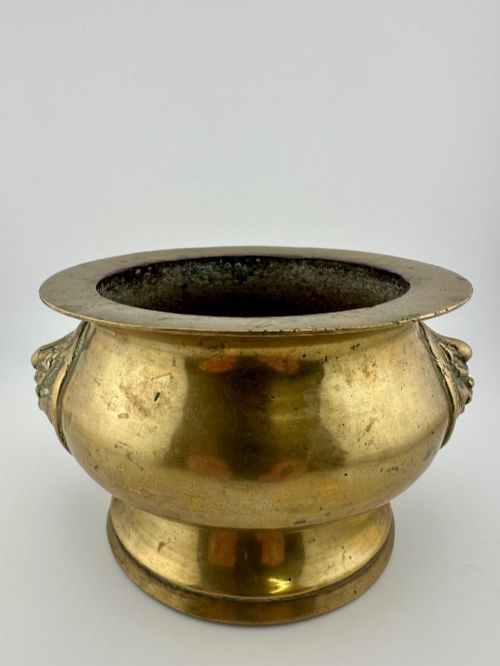
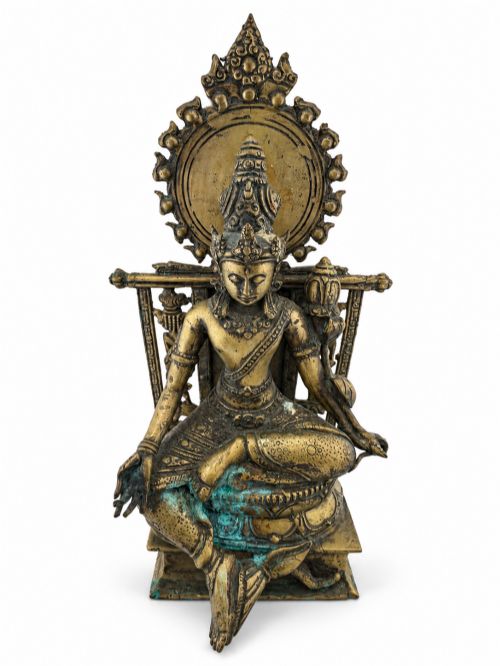
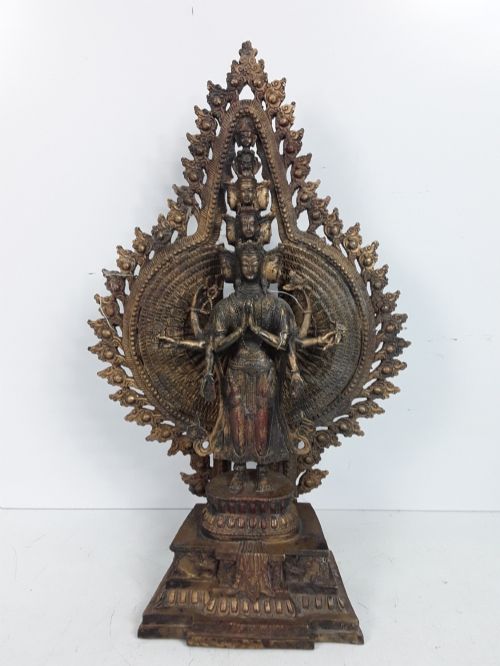
These antique oriental bronzes encompass finely cast figures, vessels, and censers spanning multiple centuries from China, Japan, India, and Burma.
Antique Oriental Bronzes
When you search for antique oriental bronzes, you encounter a diverse array of ritual vessels, scholar's objects, and detailed animal or human sculptures. The items on this page lean heavily towards pieces from the nineteenth century, alongside significant examples originating from the Ming and Qing dynasties.
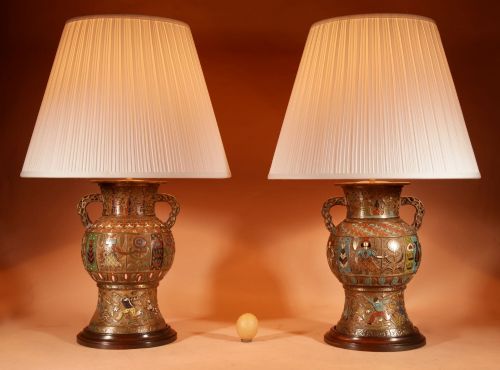
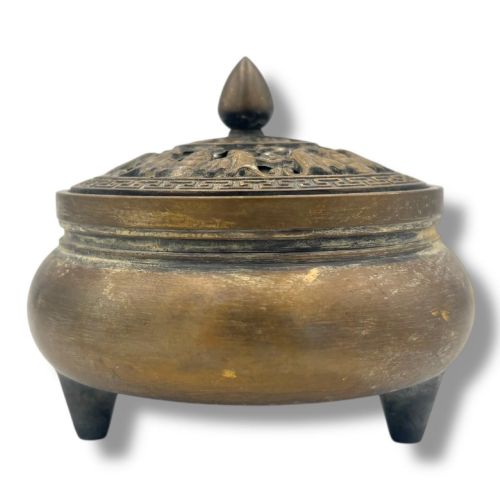
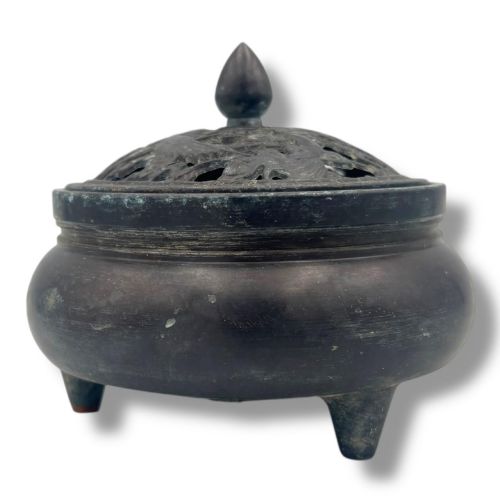
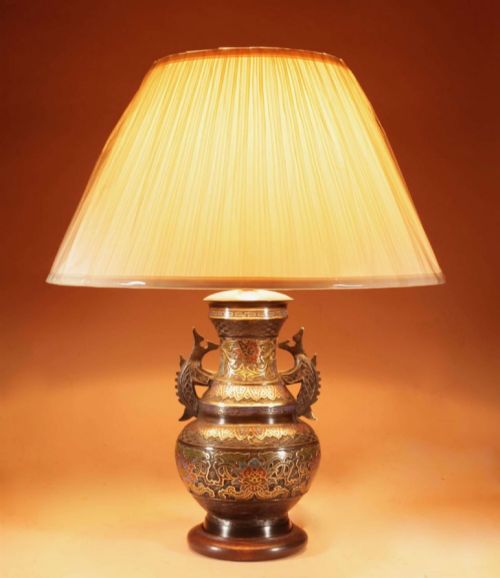
The selection ranges from functional items such as tripod censers, brush rests, and table lamps to purely decorative okimono and statues. Japanese Meiji period works and Chinese archaic-style pieces dominate the forms present.
Originating across East and South Asia, these objects reflect distinct cultural practices, from Buddhist devotion to scholarly refinement. Each piece serves as a tangible record of historical metalworking traditions.
How they were made
Artisans employed traditional casting methods, often utilising solid-cast bronze, brass, or copper alloy to create durable forms. Many surfaces received intricate patination, selective fire-gilding, or gold inlay to enhance visual depth.
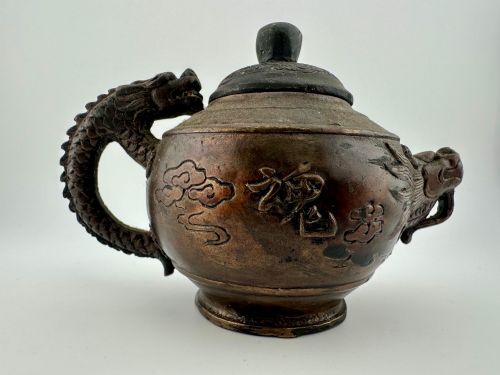
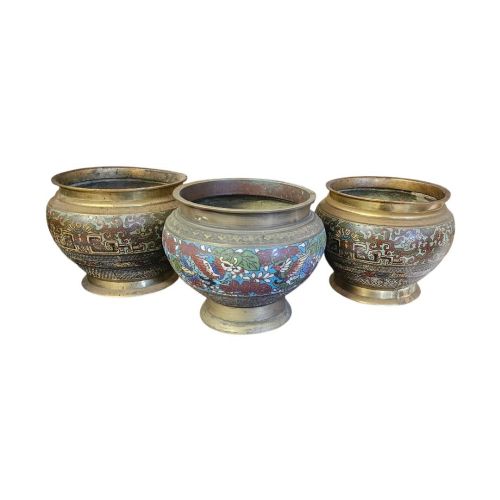
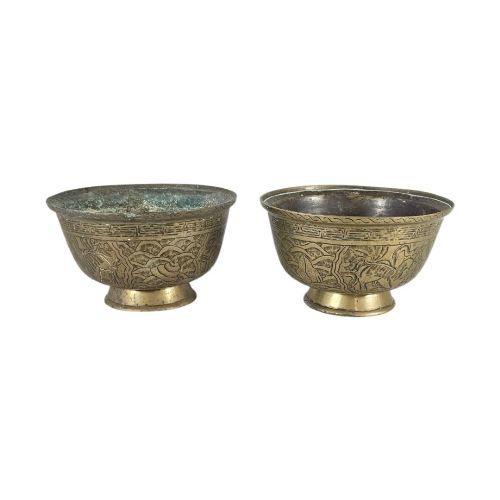
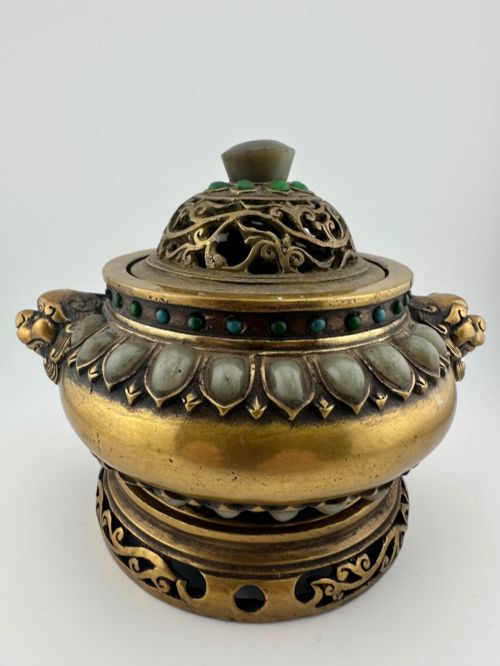
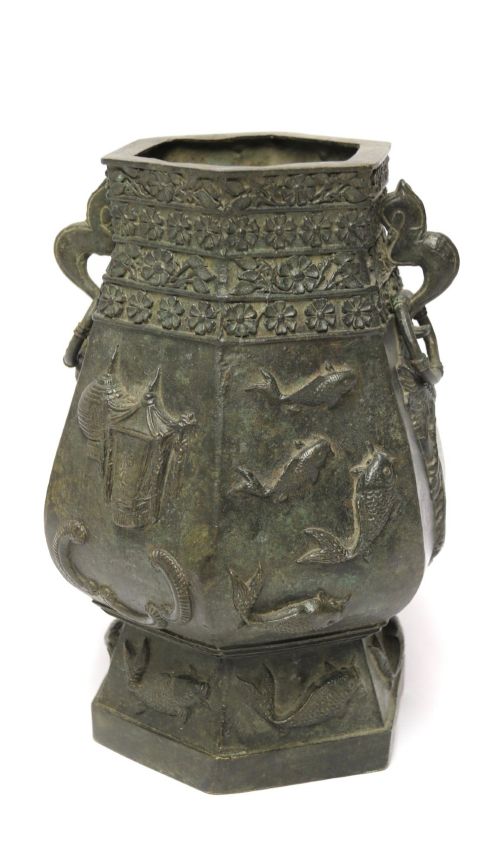
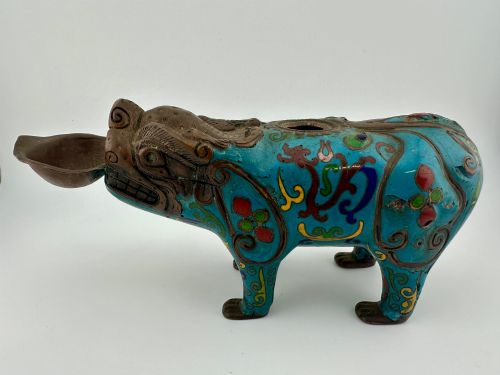
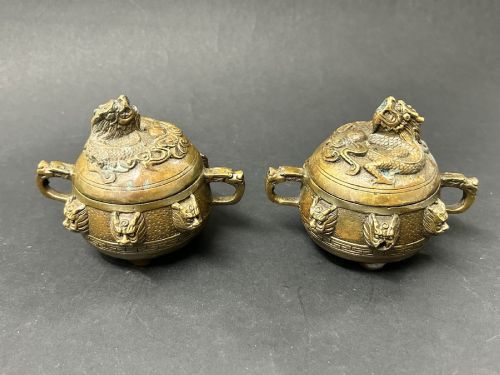
Advanced decorative techniques include cloisonne enamel work, where metal wires form cells filled with coloured paste, and high-relief engraving depicting motifs such as dragons, birds, and deities. Custom components like hardwood stands and jade finials frequently accompany the primary metal bodies.
Listings span periods from the 16th century Ming Dynasty through to the early 20th century, encompassing diverse materials like cloisonne enamel and patinated bronze.
What varies in quality
Quality rests primarily in the crispness of the casting and the precision of the surface decoration, whether in fine chasing, inlay work, or enamelling. Pieces displaying fluid naturalism in figures or rigorous adherence to archaistic forms command greater attention.
The sophistication of secondary elements, such as multi-metal mixing, integrated artist signatures, or the inclusion of matching original bases and covers, distinguishes the finer examples from standard production.
Gabriel Viardot·Kanasawa
The Antique Oriental Bronzes Glossary
- Okimono
- A Japanese decorative freestanding sculpture designed for display in an alcove or on a shelf. These figures often depict animals, labourers, or mythological subjects with high realism.
- Censer
- A vessel used for burning incense during rituals or scholar's pastimes. Tripod versions feature three legs and frequently incorporate elaborate animal or mythical beast finials.
- Archaistic
- A style in later Chinese art that consciously imitates the archaic forms, motifs, and patination of ancient ritual bronzes from the Shang and Zhou dynasties.
- Cloisonne
- An enamelling technique where metal strips are soldered to a metal base to create compartments that hold enamel paste before firing.
- Taotie
- A mythological zoomorphic mask motif commonly found cast in relief on ancient and archaic-style Chinese ritual bronzes.
Antique Oriental Bronzes: Frequently Asked Questions
How do I identify a Meiji period bronze?
Meiji period bronzes typically originate from late nineteenth to early twentieth century Japan, frequently displaying highly naturalistic subjects like birds, monkeys, or woodsmans. Look for detailed patination, mixed-metal elements, and dynamic poses characteristic of this era.
Many of these Japanese pieces bear artist signatures or foundry marks, and they often focus on secular decorative subjects rather than strictly religious ones.
What is an archaistic bronze?
An archaistic bronze is a later piece, often dating from the Qing dynasty, created in deliberate imitation of much older ritual vessels from ancient dynasties. These items utilise traditional shapes like the ding tripod along with motifs such as taotie masks.
Collectors prize them for their synthesis of ancient ritual aesthetics combined with the technical mastery of later metalworkers.
How were oriental bronze censers used?
Censers served primarily to burn incense during domestic worship, scholarly contemplation, or formal ceremonies. The perforated covers allowed fragrant smoke to drift outward while containing the embers.
Scholar's desks and household altars frequently featured these vessels, often accompanied by matching covers and bespoke hardwood stands.