
Antique Occasional Stand
An antique occasional stand brings versatile utility and compact charm to a room, serving as a handy perch for lamps, plants, and books.
Antique Occasional Stand
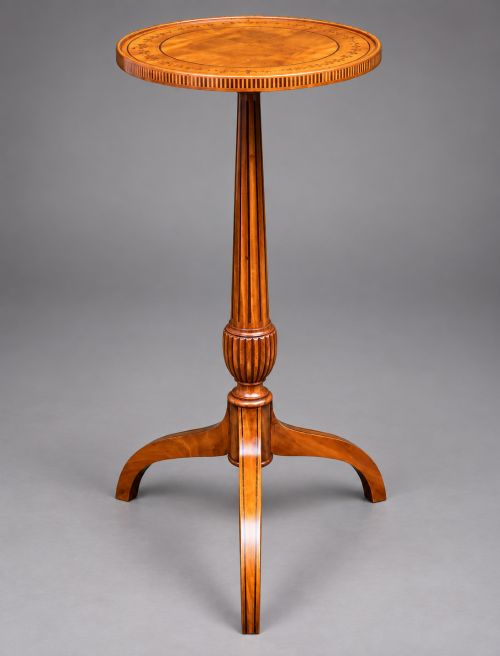
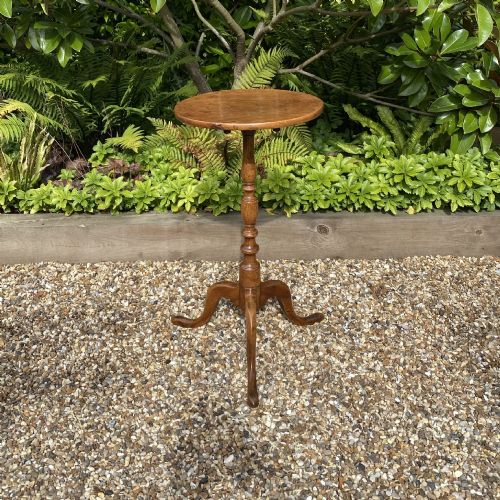
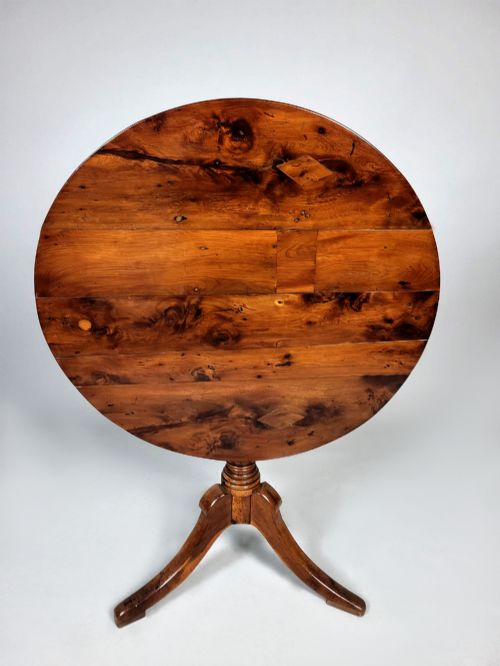
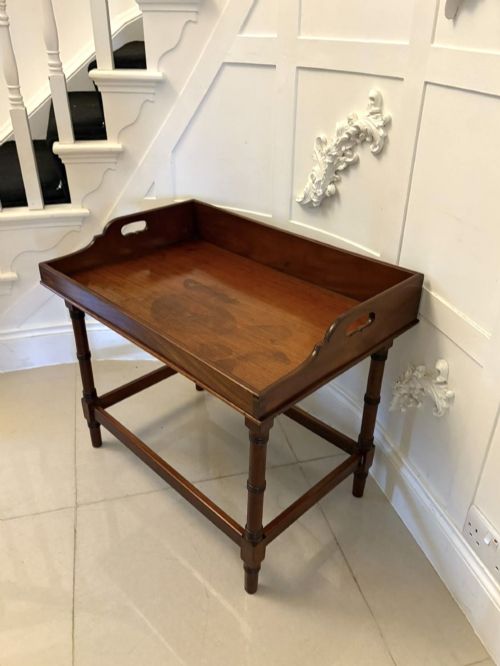
An antique occasional stand encompasses a diverse group of small, moveable tables designed to serve flexible domestic purposes in period interiors. The selection spans compact wine tables, plant stands, lamp tables, and multifunctional side tables originating from Georgian, Victorian, and Edwardian eras.
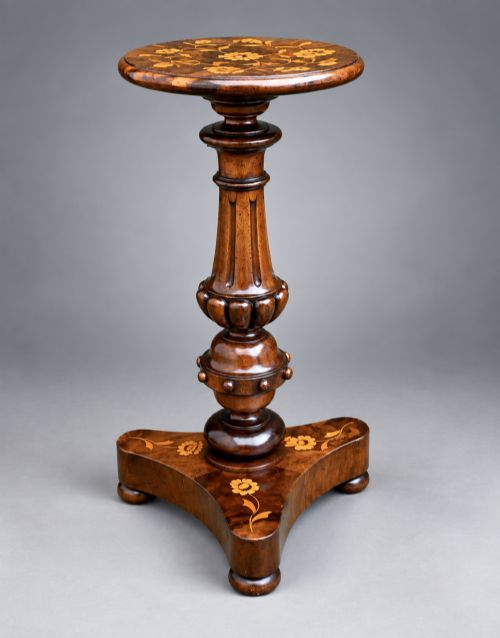
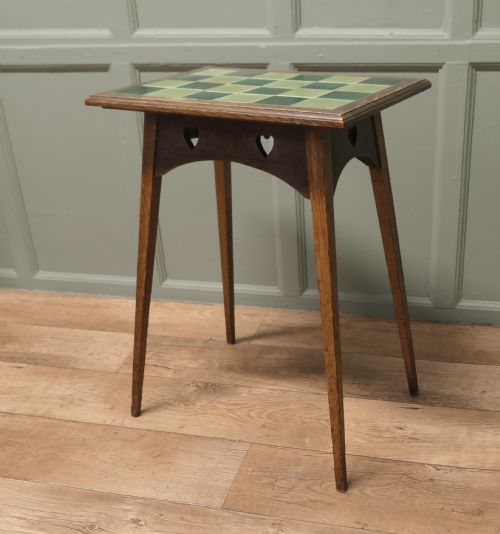
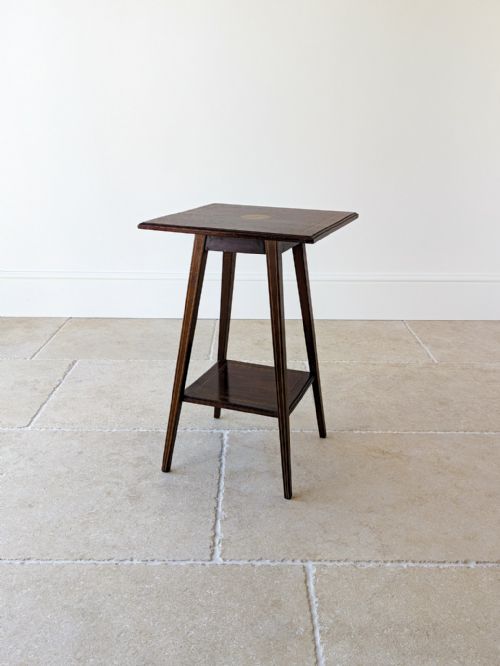
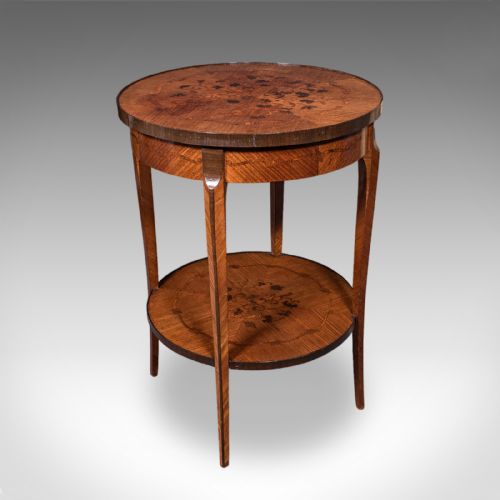
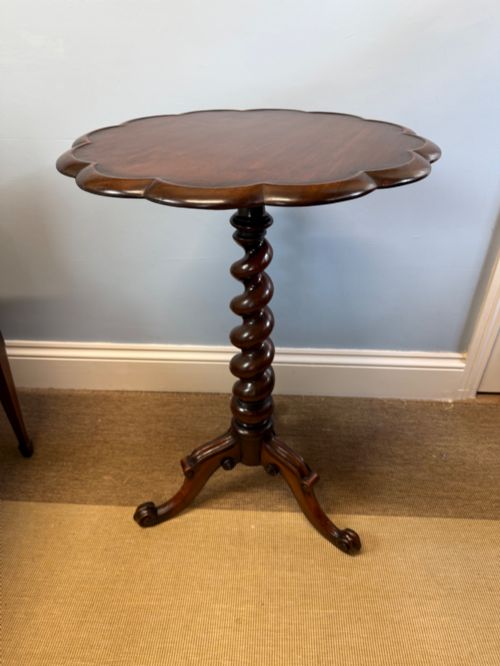
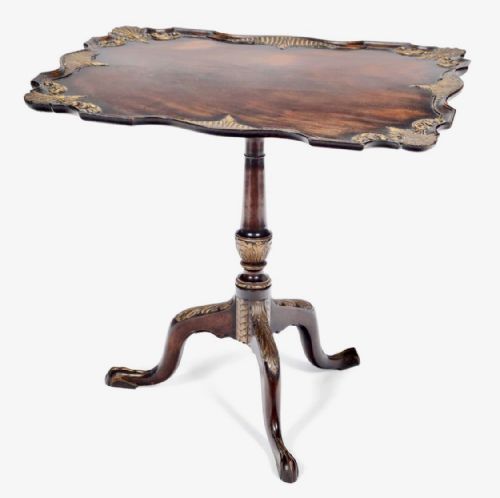
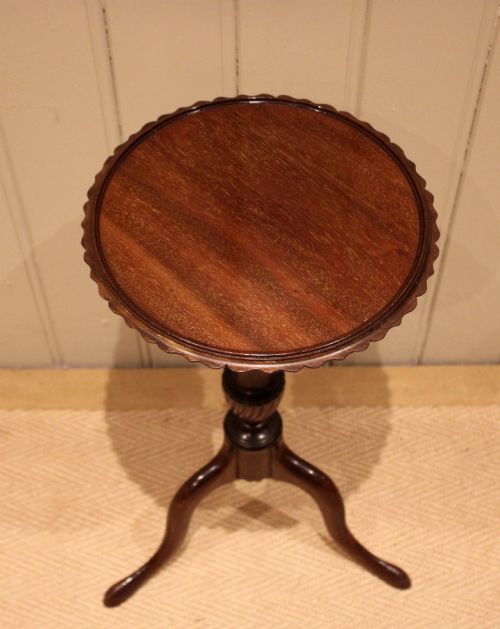
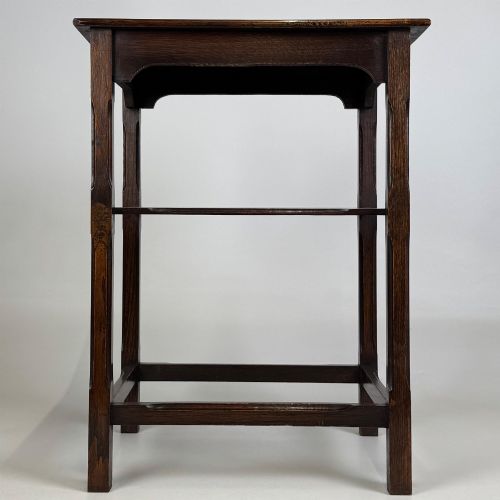
The version most commonly encountered on this page is the Edwardian or Victorian mahogany side table, often featuring a tripod base or an inlaid wooden top. Alongside these, buyers frequently discover oak Arts and Crafts pieces, walnut lamp tables, and occasional stands adapted for specialist duties like holding books or plants.
How they were made
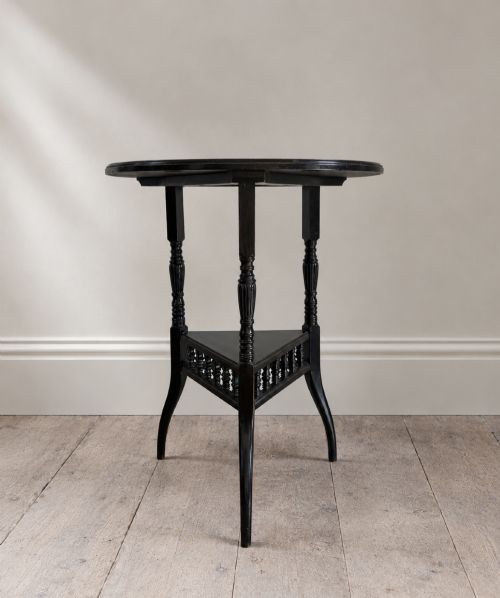
Cabinetmakers utilised solid timbers and choice veneers, relying heavily on mahogany, oak, and walnut, frequently enriched with wood inlay, parcel gilding, or ebonised finishes. Supporting structures commonly employ turned pedestals, tripod legs, or folding mechanisms tailored for stability and portability.
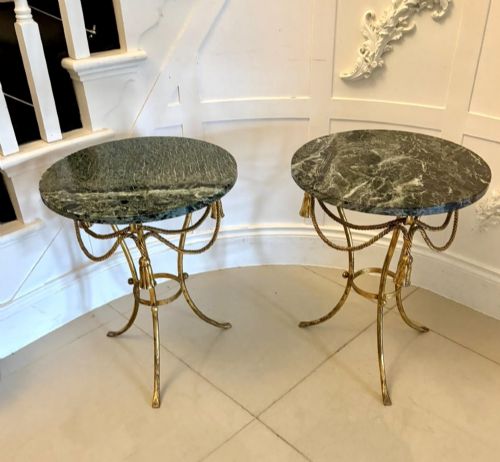
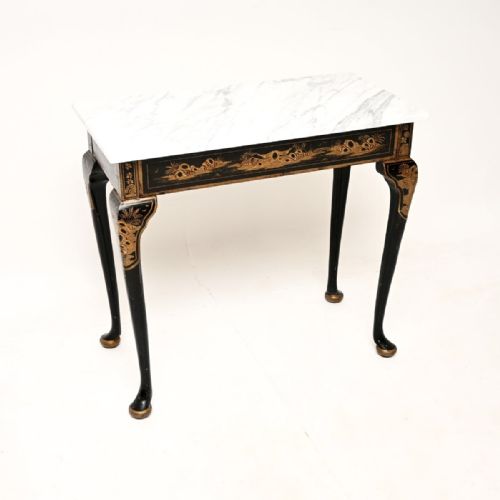
Surface details demonstrate period craftsmanship through marble inserts, ceramic tiles, or hand-lacquered Chinoiserie decoration on select Victorian and Edwardian examples. Joinery techniques such as tilt-top mechanisms and precise turning allowed these light stands to combine practicality with decorative elegance.
The listings span multiple decades, incorporating Georgian, Regency, Victorian, and Edwardian periods.
What varies in quality
Quality rests upon the selection of timber figures, such as burr walnut, figured mahogany, or exotic woods, paired with the crispness of carved details and inlay work. Superior examples display balanced proportions and refined turning on the pedestals and legs.
The integrity of construction, including the smoothness of tilt-top mechanisms and the snug fit of marble tops or tiled surfaces, distinguishes standard production from finer workshop output.
Trevor Page and Co·Shapland and Petter
The Antique Occasional Stand Glossary
- Tripod table
- A small freestanding table supported by a central pillar resting on three legs. These tables gained immense popularity during the Georgian period for serving wine or tea.
- Wine table
- A compact occasional table designed specifically to hold a single glass or bottle. They often feature circular tops and narrow proportions.
- Canterbury
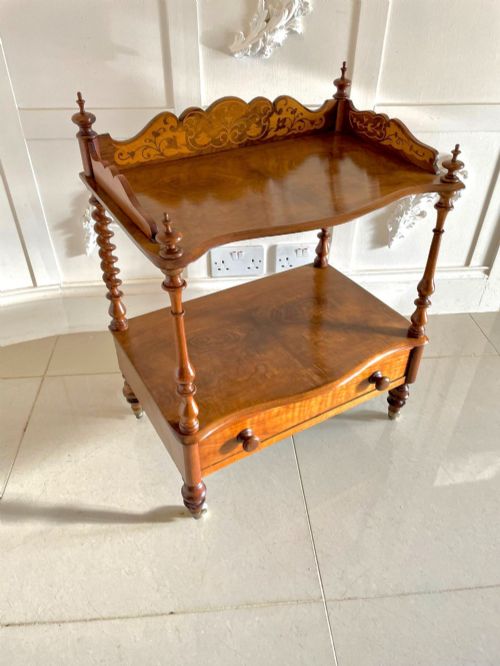
- A low, compartmentalised stand traditionally used for holding sheet music or magazines. In later periods, these were combined with occasional table tops.
- Tilt-top
- A hinged tabletop mechanism that allows the surface to fold vertically when not in use. This clever design saved valuable floor space in period drawing rooms.
Antique Occasional Stand: Frequently Asked Questions
What rooms suit an antique occasional stand best?
These compact pieces fit easily beside seating arrangements in drawing rooms, studies, and bedrooms. Their modest footprint allows them to tuck into corners or beside armchairs without crowding the floor.
They offer convenient surface space for reading lamps, drinking glasses, or small decorative items wherever extra utility is required.
How were wine tables used originally?
Georgian and Victorian households utilised wine tables during evening gatherings for holding individual glasses and decanters. Their moveable nature meant servants could reposition them easily around the room as needed.
Today, they serve a similar flexible purpose as miniature lamp tables or display surfaces for cherished ornaments.
How do I distinguish Edwardian from Victorian stands?
Victorian stands frequently showcase heavier timbers, darker finishes, and ornate carved details or burr wood veneers. Edwardian pieces often lean towards lighter mahogany or oak construction with simpler lines, reflecting a shift in domestic taste.
Arts and Crafts variants from the turn of the century emphasise honest construction, exposed joinery, and materials like tile inserts.