


Yew Wood Candle Stand
A yew wood candle stand brings rich timber grain and compact proportions to any room, offering a practical surface for illumination.
Yew Wood Candle Stand
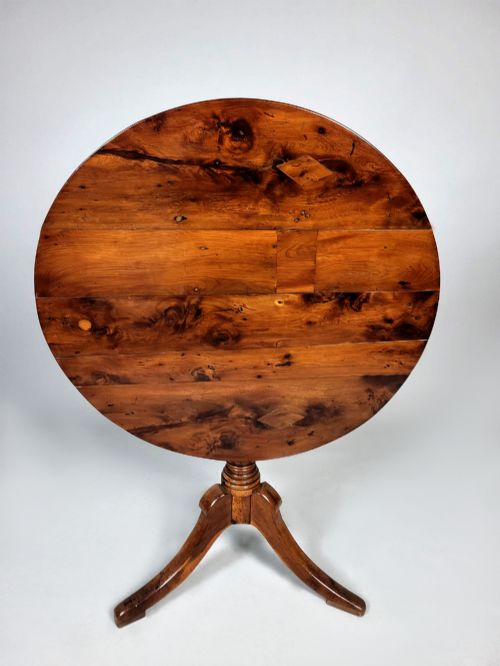
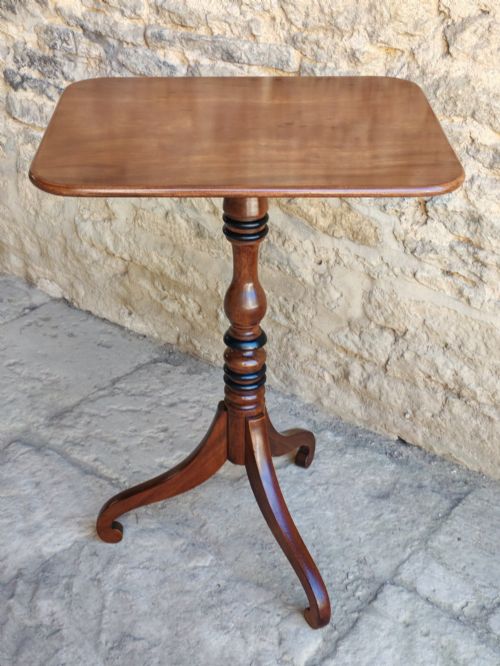
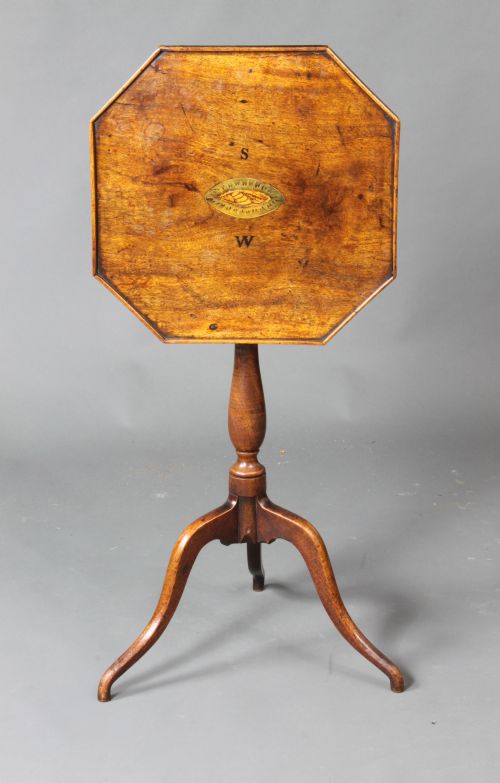
A yew wood candle stand is typically a small, raised support designed to hold a candle or lamp, appearing in forms such as tripod tables, wine tables, and torchere stands. The pieces seen here span the Georgian and Regency periods, stretching from the eighteenth century into the nineteenth.
The materials recorded in these listings show yew wood frequently paired with oak, mahogany, satinwood, burr oak, and ebonised wood. These stands served both utilitarian and decorative roles in historic interiors, functioning as flexible small surfaces.
How they were made
Construction relies on traditional joinery, utilising turned wooden shafts fixed to tripod legs that provide stability for a slender support. Timber selection dictates the visual character, with artisans choosing yew for its distinct grain patterns and warm tones.
Secondary timbers such as oak appear in internal frames or structural components, while decorative accents incorporate contrasting materials like satinwood or ebonised wood. Turning and joining techniques reflect the cabinetmaker's skill in handling dense, figured wood.
Recorded materials include yew wood, oak, mahogany, satinwood, burr oak, and ebonised wood.
What varies in quality
Quality rests upon the choice of timber and the depth of figure in the yew wood surface. Tops selected from richly figured stock display superior visual movement compared to plain boards.
Proportion and turning define the structural merit of each stand, separating master craftsmanship from standard workshop production. The crispness of detail on the stem and the stability of the tripod base determine the standing of an individual piece.
Gillows
The Yew Wood Candle Stand Glossary
- Tripod table
- A small occasional table supported by three legs radiating from a central pillar. This form allows the table to stand steady on uneven floors.
- Torchere stand
- A tall, slender pedestal designed to elevate a light source or decorative object. These stands emphasise verticality and turned detail.
- Occasional table
- A moveable small table used for specific, temporary tasks around a room. They appear in numerous top shapes and heights.
- Ebonised wood
- Timber treated with a dark finish to imitate expensive ebony. This technique creates sharp contrast against lighter woods like yew.
- Burr oak
- Wood taken from a tree growth that produces swirling, complex grain patterns. It adds rich texture when used alongside standard timber.
Yew Wood Candle Stand: Frequently Asked Questions
What is a yew wood candle stand used for?
These stands originally held candles or small lamps to provide focused illumination in parlours and halls. Today they function as compact accent surfaces for drinks, small plants, or decorative objects.
Their modest footprint allows them to fit easily beside armchairs or in narrow corners where larger furniture cannot go.
How do I date a Georgian yew wood stand?
Dating relies on observing construction methods, leg profiles, and timber characteristics recorded across eighteenth and nineteenth-century examples. Georgian pieces often feature simpler turned stems and pegged joints.
Later Regency variants introduce sharper turning, ebonised details, or contrasting secondary woods like satinwood.
Are tripod tables stable on carpets?
A three-legged base naturally rests firmly on uneven historic floorboards without rocking. On thick modern carpets, however, the slender feet may sink slightly.
Placing the stand on a hard surface or a tight weave rug ensures the best balance for the central column.