
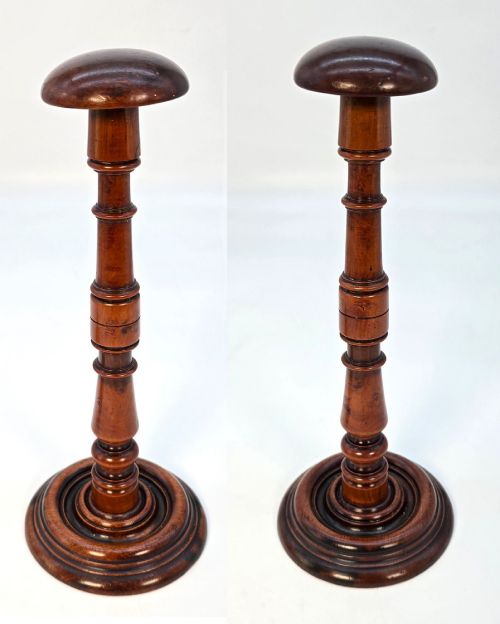
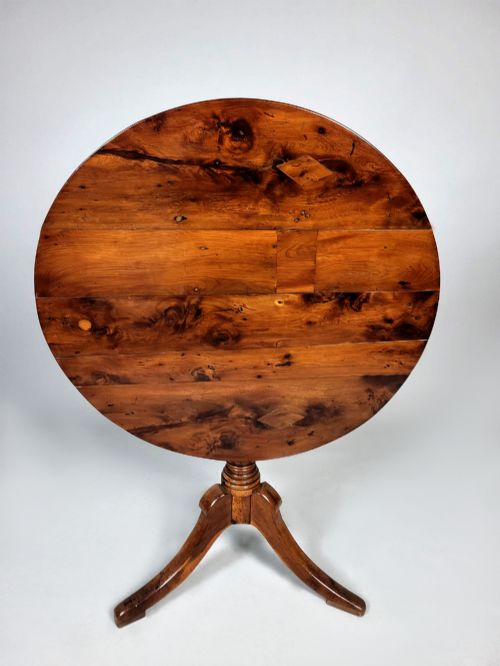

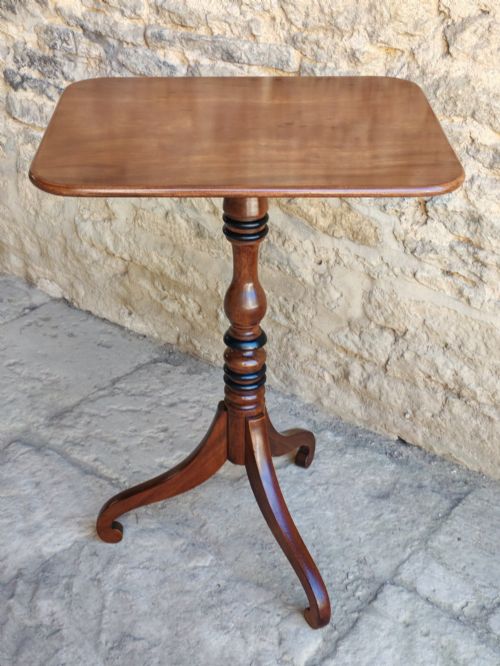


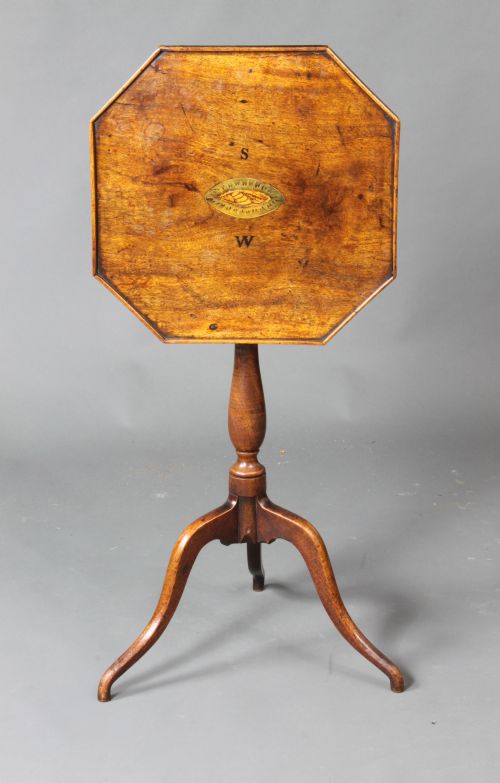
Brown Yew Wood Stand
A brown yew wood stand brings rich grain and warm tone to a room, offering compact surface space through tables, bureaux, and torchere stands.
How they were made
Makers relied primarily on yew and burr yew for the primary surfaces and structures, often combining the timber with contrasting materials such as brass, mahogany, and ebonised wood. This choice of wood provided natural warmth and intricate figuring, which artisans enhanced through careful polishing.
Construction techniques varied according to the form, utilising tripod turnings for small tables, bracket feet for chests on stands, and solid joinery for bookcases and bureaux. Master cabinet makers shaped the timber to highlight the dense grain patterns inherent in the wood.
What varies in quality
Quality rests principally in the selection and figuring of the timber, where dense burr yew and rich colouration elevate a piece well above plain grain variants. The crispness of the turning on tripod columns and the delicacy of the proportions also mark out superior examples.
The degree of original retention, from brass fittings to the underlying structural joinery, defines the standing of individual items. Pieces that retain their historic surface patination demonstrate better preservation over the centuries.
Yew trees were historically so prized for longbows that furniture makers eagerly scavenged odd offcuts for tiny tables.
Gillows
The Brown Yew Wood Stand Glossary
- Yew wood
- A dense, hard timber known for its varied figuring, warm brown tones, and pale sapwood contrast. Cabinet makers favoured it for small tables and decorative furniture.
- Burr yew
- A growth deformity in yew trees that produces swirling, highly ornamental grain patterns. Artisans used veneers of this material on prominent surfaces like teapoys.
- Torchere stand
- A tall, slender stand designed to hold a candle or lamp. These pieces often feature tripod bases and elevated platforms.
- Tripod table
- A small occasional table supported by a central pillar and three legs. This form gained popularity during the Georgian period for flexibility in sitting rooms.
- Bureau on stand
- A writing desk fitted with a sloping fall-front, raised upon an open frame or base. This form evolved to provide storage and a writing surface without bulk.
Brown Yew Wood Stand: Frequently Asked Questions
What is a yew wood wine table used for?
A wine table provides a small, portable surface originally intended for holding glasses or bottles during evening gatherings.
Today, owners utilise them as compact lamp tables or bedside surfaces where space is limited.
How do I care for antique yew furniture?
Keep wooden pieces away from direct heat sources and strong sunlight to prevent the timber from drying out or fading.
Apply a traditional wax polish occasionally to nourish the surface and maintain the natural lustre of the grain.
Are these stands suitable for modern rooms?
The warm brown tones and compact footprints of these items allow them to integrate easily into contemporary interiors.
They function well beside modern seating or as display surfaces in hallways and studies.
How do I date a yew wood stand?
Examine the construction methods, turning styles, and hardware to determine the period of manufacture.
Georgian pieces typically display hand-turned tripod bases, while later items show shifts in timber preparation and joinery.