



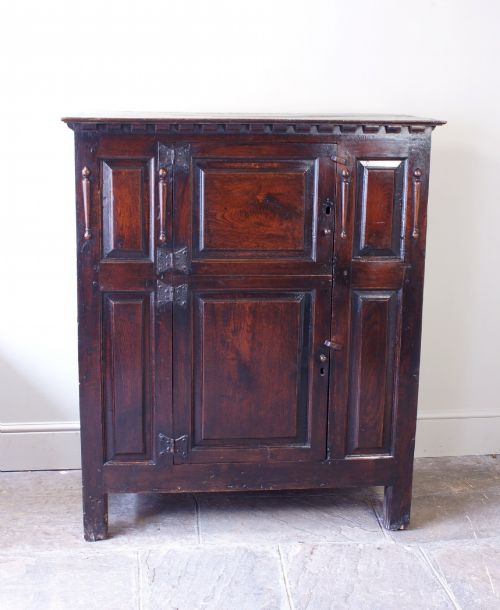


Antique Oak Storage Hutch
An antique oak storage hutch provides practical domestic storage through centuries-old timber construction.
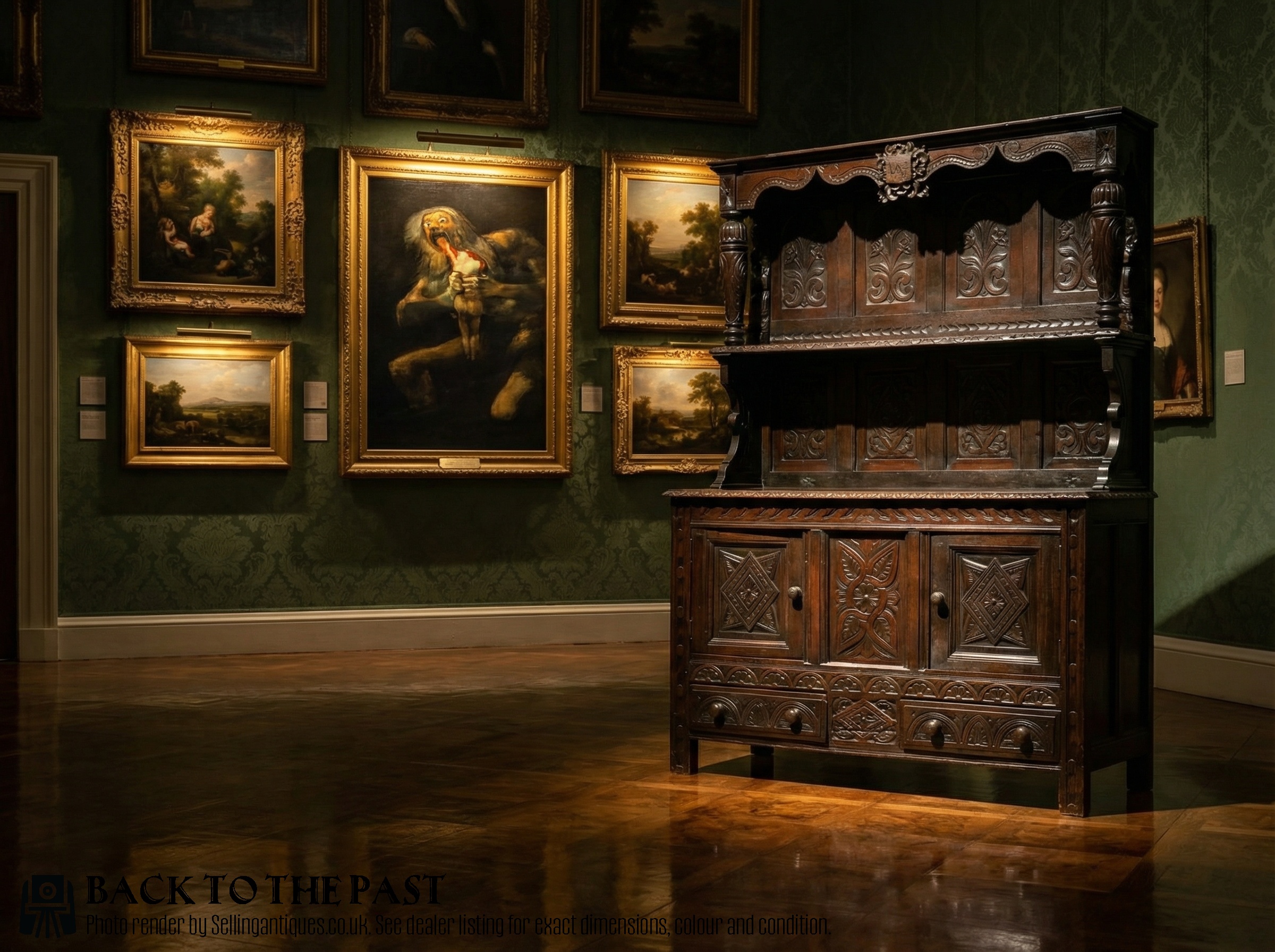
Antique Oak Storage Hutch
An antique oak storage hutch encompasses robust timber furniture designed for household storage across multiple historical periods, including the seventeenth and eighteenth centuries. These pieces appear in forms such as dressers, cupboards, livery cabinets, and display units.
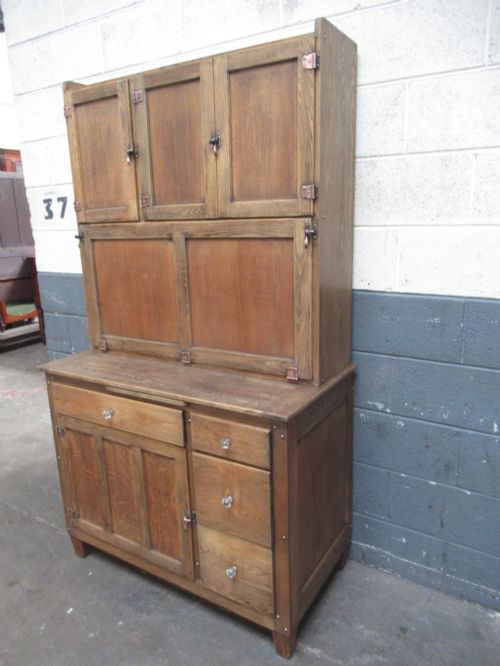
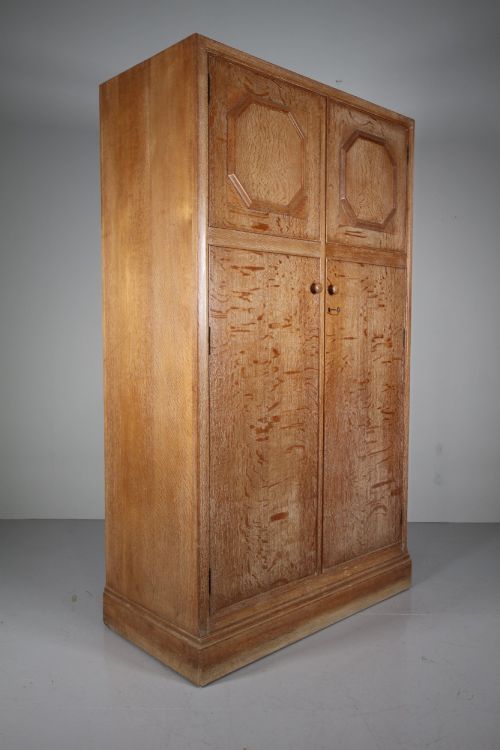
The version most commonly encountered on this page is the oak dresser, frequently featuring plate racks, drawers, or lower enclosed cupboards. Pieces span various aesthetic movements, including English Country, Georgian, Jacobean Revival, and Arts and Crafts styles.
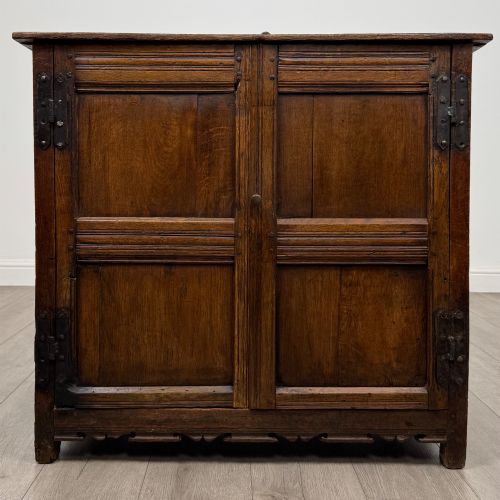
Makers and craftsmen utilised solid timber to build functional furniture that accommodated domestic utensils, textiles, and provisions. Surviving examples reflect regional traditions from seventeenth-century small hutches to grander eighteenth-century carved formats and Edwardian interpretations.
Materials and construction methods
Construction relies primarily on solid oak, selected for its durability and prominent grain pattern, sometimes supported by secondary timbers like pine in hidden structural areas. Hardware elements incorporate brass, iron, and wrought iron for hinges, handles, and internal fittings.
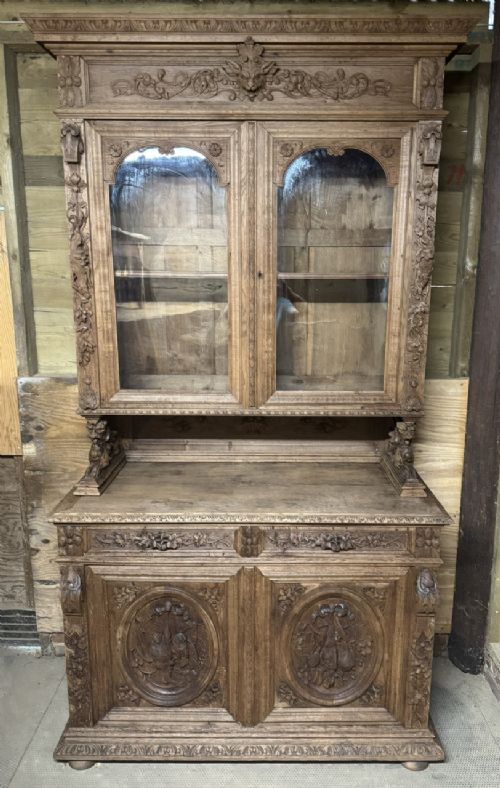
Glazing appears on selected pieces featuring glass and lead panels within display doors, while other items showcase hand-carved detailing on doors and drawer fronts. Cabinetmakers employed traditional joinery techniques to assemble heavy frames capable of bearing substantial weight over centuries of domestic use.
Antique Oak Storage Hutch Retail Price Guide 2026
Typical asking prices for oak storage hutch among the pieces listed under this phrase on Sellingantiques today, from the lower quarter to the upper quarter. They describe what is for sale here now, not the wider market.
A seventeenth-century dugout metamorphic cupboard hides secret utility within a single carved log.
Factors distinguishing finer examples
The standard of an antique oak storage hutch depends heavily on the integrity of its timber and the crispness of any hand-carved ornamentation. Finer examples retain their original structural timber without extensive replacement, maintaining the proportional balance intended by the maker.
The sophistication of the hardware and the quality of the internal fitted compartments also differentiate standard utilitarian pieces from exceptional commissions. Surface patination, developed through generations of handling and waxing, indicates superior age and preservation.
The Antique Oak Storage Hutch Glossary
- Hutch
- A cabinet or storage piece featuring enclosed lower sections and frequently open upper shelving for display. These items date from the seventeenth century onward.
- Dresser
- A domestic storage item combining surface space, drawers, and often a plate rack superstructure. They appear in regional English and continental formats.
- Livery Cabinet
- A tall enclosed cupboard traditionally used for storing food, clothing, or household provisions. They frequently display carved wooden panels.
- Plate Rack
- An upper framework attached to a dresser designed for standing ceramic plates upright. This feature allows both storage and visual display.
- Jacobean Revival
- A nineteenth or twentieth-century design style emulating seventeenth-century motifs. Pieces in this style typically feature geometric mouldings and turned supports.
Antique Oak Storage Hutch: Frequently Asked Questions
What is an antique oak storage hutch used for?
These pieces provide substantial storage for tableware, books, or household linens while serving as a prominent focal point in a dining room or kitchen. The lower cupboards conceal bulky items, while upper shelves display decorative ceramics.
Historically, similar furniture kept food and provisions secure from pests while displaying the household's best tableware. Today, they integrate easily into modern living spaces for both organisation and display.
How do I date an old oak hutch?
Dating relies on examining the construction methods, tool marks, and overall style of the timber framing. Seventeenth-century examples often display pegged joinery and simpler tectonic forms, whereas eighteenth-century pieces may incorporate more refined drawer construction and decorative carving.
Revival pieces from the Edwardian era or the nineteen-twenties often mimic earlier historical styles but utilise twentieth-century machine-assisted joinery methods. Comparing the hardware, hinges, and lock mechanisms also helps establish the era of manufacture.
Are these hutches difficult to care for?
Maintenance involves keeping the timber away from direct heat sources and sudden humidity shifts that can cause oak to split. Regular dusting with a dry cloth and occasional application of traditional beeswax preserves the surface patination.
Avoid using modern liquid polishes containing silicones, which can damage the aged finish over time. Treating the wood gently ensures the natural grain and historical surface remain intact for years to come.
Where should I place a large oak hutch?
Large storage furniture requires a stable wall position with sufficient clearance to accommodate the depth of base cupboards and protruding cornices. Dining rooms and large kitchens remain traditional placements where their storage utility functions best.
Because solid oak pieces possess considerable weight, ensure the floor is level and capable of supporting heavy cabinetry. Positioning them away from radiators protects the ancient timber from drying out.