
Antique Oak Open Dresser
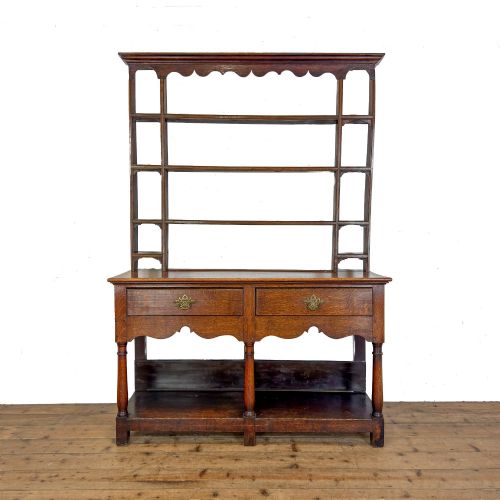
An antique oak open dresser anchors a kitchen or dining room with centuries of utilitarian character, offering display shelves above and deep storage below.
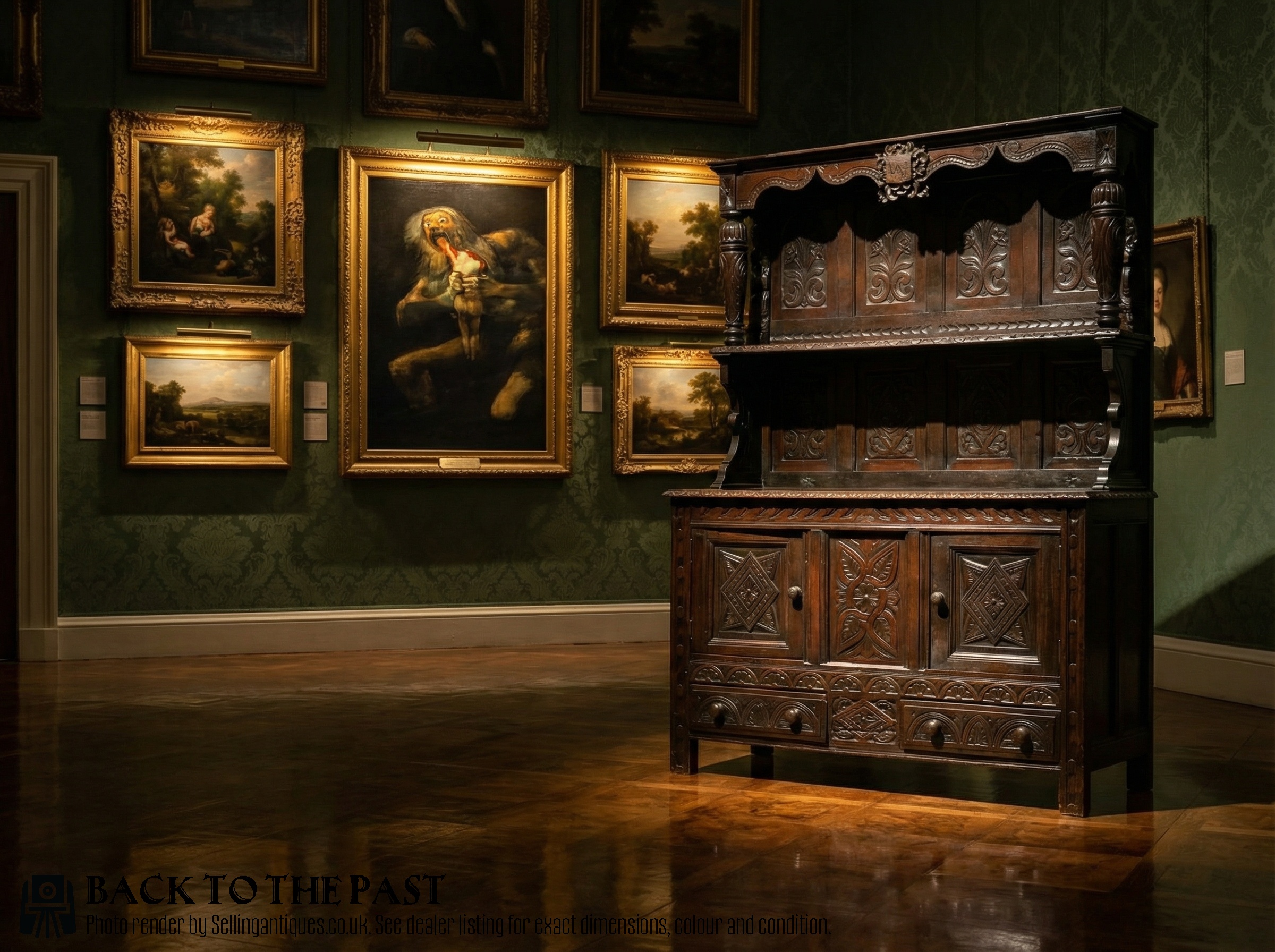
Antique Oak Open Dresser
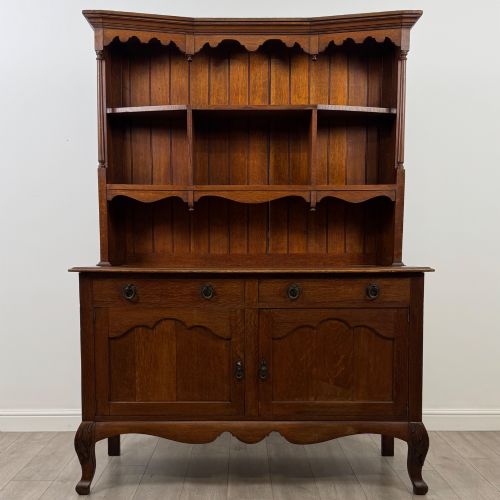
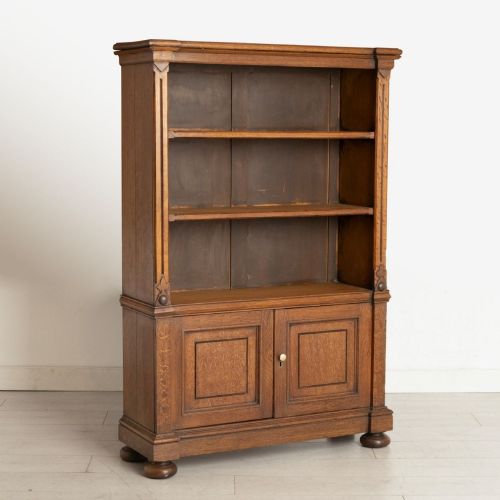
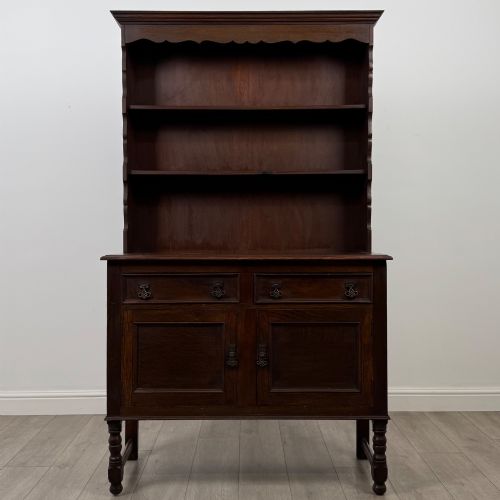
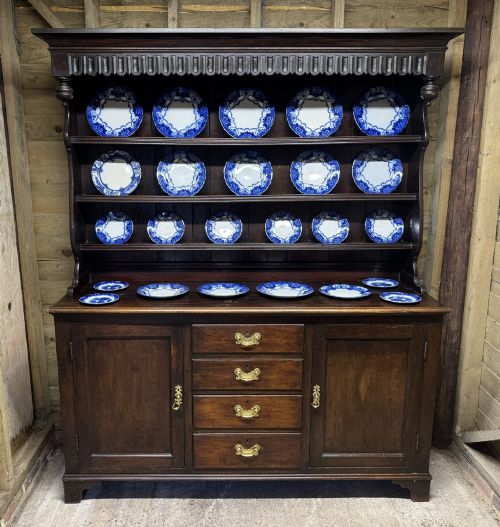
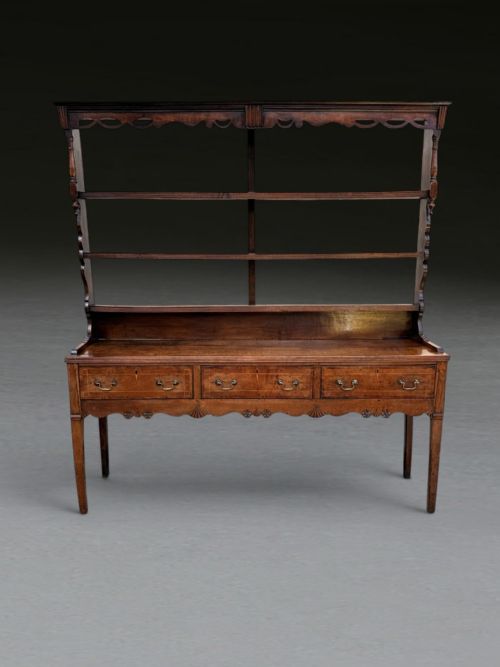
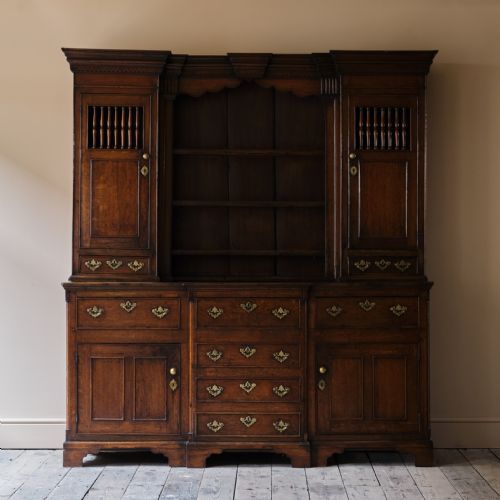
An antique oak open dresser serves as a primary storage and display piece, combining an open-backed plate rack with a base fitted with drawers and cupboards. Buyers seeking this phrase encounter regional variations, notably Welsh and English country examples spanning the eighteenth and nineteenth centuries.
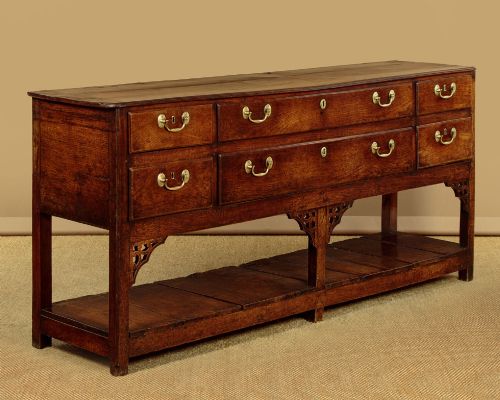
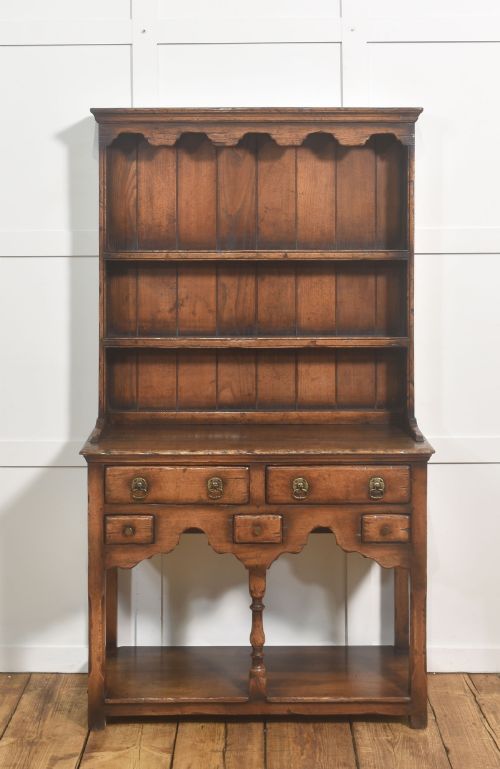
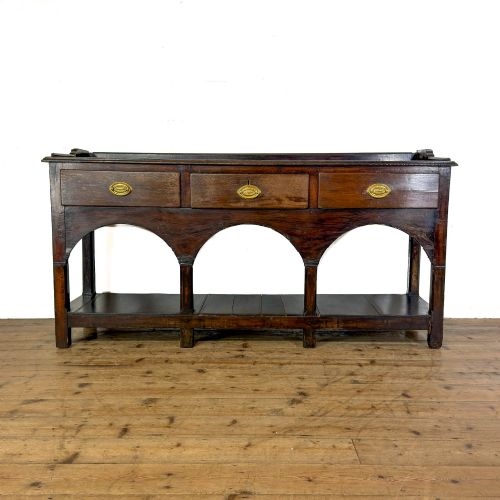
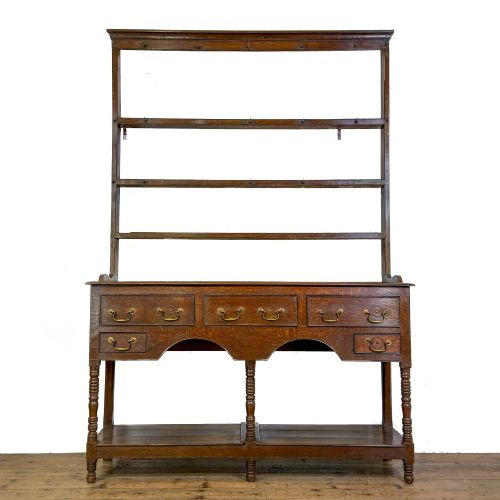
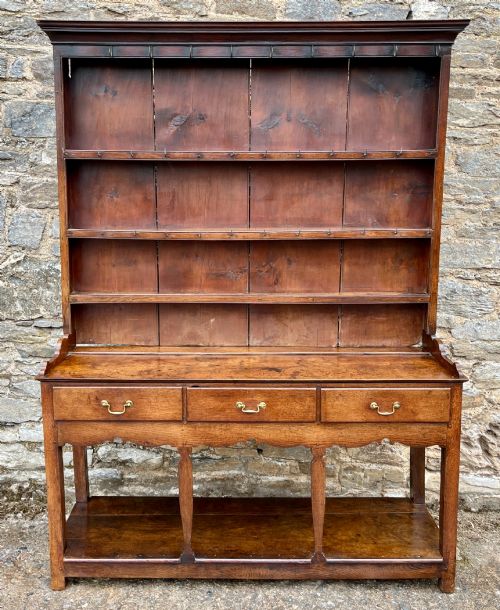
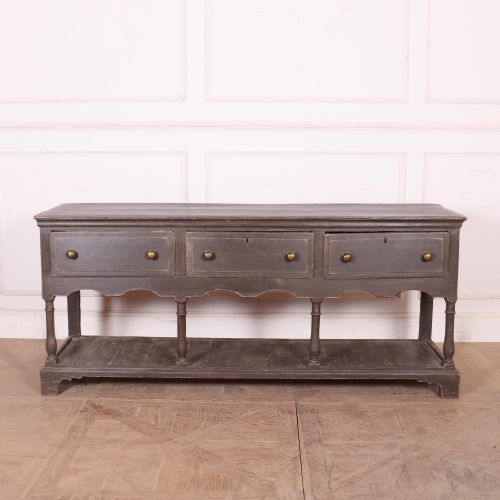
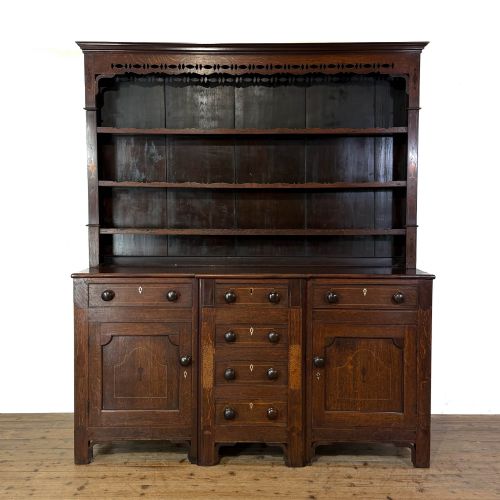
The most common formats on this page include potboard dressers, where a low shelf sits between the base legs, and traditional open-backed plate rack designs. Materials span solid timber constructions, occasionally featuring elm or mahogany elements alongside the dominant oak.
Regional styles dictate specific joinery and proportion, ranging from provincial Georgian models to distinct Welsh vernacular pieces such as Llanrwst and Snowdonia variants. These forms reflect rural domestic life, designed to hold ceramics and provisions in everyday households.
Materials and construction
Makers utilised solid timber planks, predominantly oak supplemented by elm, pine, and mahogany for secondary elements or specific drawer linings. Boards were joined using traditional pegged mortise and tenon techniques, ensuring rigid structural integrity across heavy bases and plate racks.
Surfaces finished naturally or with painted timber treatments, displaying hand-planed tool marks and patination built up through generations of use. Iron and brass hardware, including period drop handles and butterfly hinges, secure doors and drawers within the framework.
Listings feature eighteenth and nineteenth-century periods, incorporating Georgian and Edwardian stylistic revivals across oak, elm, and painted timber materials.
Gradation of manufacture
The degree of original survival separates standard regional furniture from exceptional vernacular pieces, particularly where racks remain married to their original bases rather than associated later. Timber selection and grain figure also dictate standard, with dense honey-coloured oak or burr accents achieving greater visual cohesion.
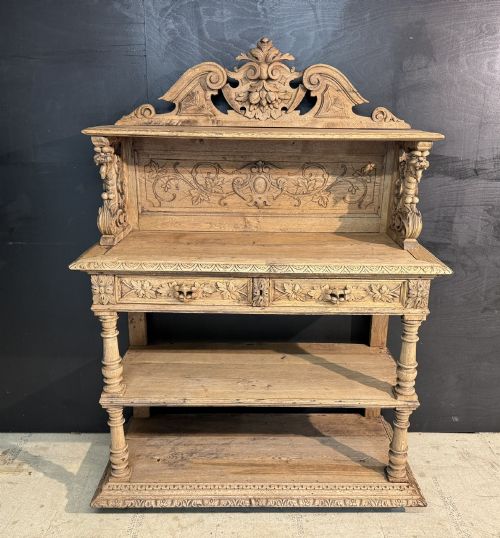
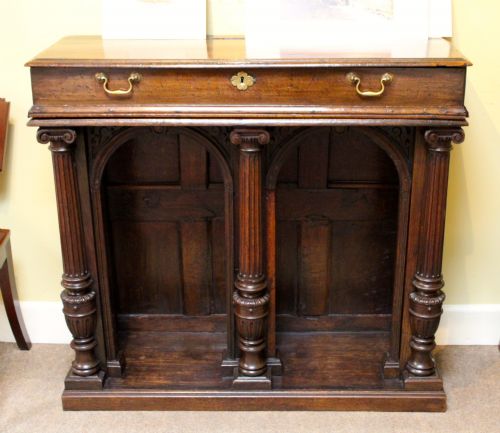
Hand-carved detailing, such as shaped friezes, belly racks, and breakfront drawer arrangements, indicates higher workshop skill during construction. The retention of early brass hardware, original potboard tiers, and unblemished structural feet completes the assessment of superior examples.
The Antique Oak Open Dresser Glossary
- Potboard dresser
- A dresser featuring an open lower shelf situated just above the floor, traditionally used for storing pots and pans. This lower tier rests on the stretcher base between the legs.
- Plate rack
- The upper shelving unit attached to or hung above a dresser base, designed with vertical slats or plate grooves to display ceramic tableware safely.
- Vernacular furniture
- Domestic pieces built by local regional joiners for everyday use, following traditional local styles rather than formal London architectural pattern books.
- Belly drawer
- A convex or bulging central drawer configuration found on specific regional dressers, providing extra interior volume within the base carcase.
- Llanrwst
- A specific Welsh regional attribution denoting furniture made in or around the Conwy valley town, recognised by particular construction traits and timber choices.
Antique Oak Open Dresser: Frequently Asked Questions
What is an open dresser?
An open dresser is a traditional storage item comprising a lower cabinet with drawers or cupboards and an open shelving superstructure on top. The upper section displays plates and ceramics while the base conceals household goods.
These pieces developed in rural kitchens and dining rooms as utilitarian furniture before becoming celebrated decorative items in modern homes.
How do I date an oak dresser?
Dating relies on examining construction methods, timber patination, and hardware styles. Eighteenth-century examples often display hand-sawn board marks, pegged joints, and vernacular regional characteristics.
Later nineteenth-century and Edwardian pieces show machine-sawn timber elements, standardised fixings, and stylistic revivals influenced by earlier Georgian design periods.
Are the plate racks original?
Many dressers survived with their original upper plate racks, though some racks were separated or paired with bases at a later date. Checking timber colour, wear patterns, and joint construction helps determine if the top and bottom belong together.
Both married and original configurations appear in listings, reflecting the long practical histories of these functional furniture items.
Where were these dressers made?
These pieces originate from various regions across Britain and France, with strong traditions found in Welsh valleys and English rural counties. Regional variations appear in cornice shapes, drawer layouts, and the inclusion of potboards.
Local timber availability dictated whether workshops used prime oak, local elm, or secondary pine timbers during construction.
How do I care for antique oak?
Maintain antique oak by placing it away from direct heat sources and sudden humidity changes to prevent timber splitting. Regular gentle dusting and occasional application of appropriate beeswax preserve the historic patination.
Avoid modern silicone polishes, which sink into the grain and degrade the natural surface finish built up over centuries.