


Dark Wood Hutch
These dark wood hutch pieces bring enduring storage to a room, spanning centuries of practical craft.
Dark Wood Hutch
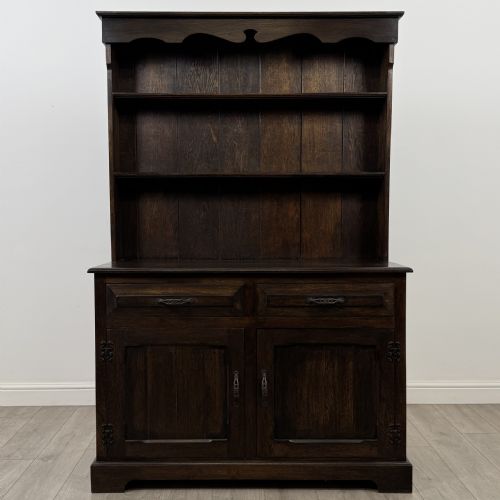
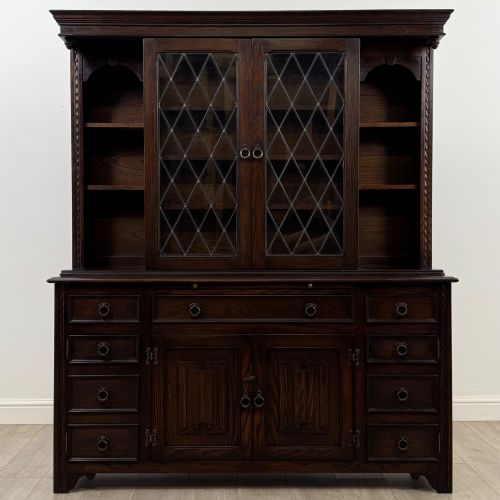
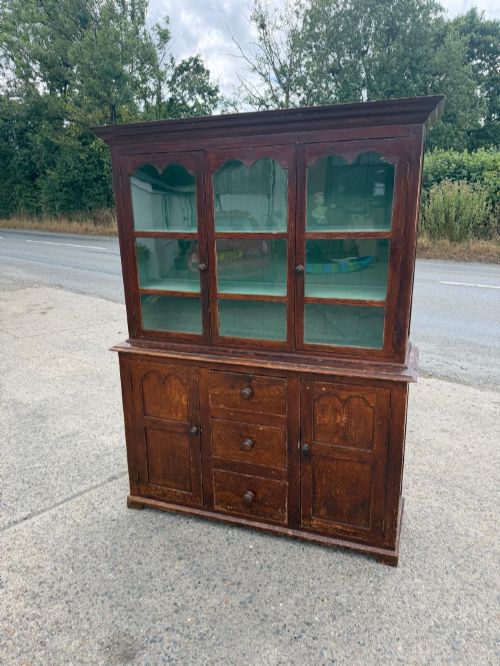
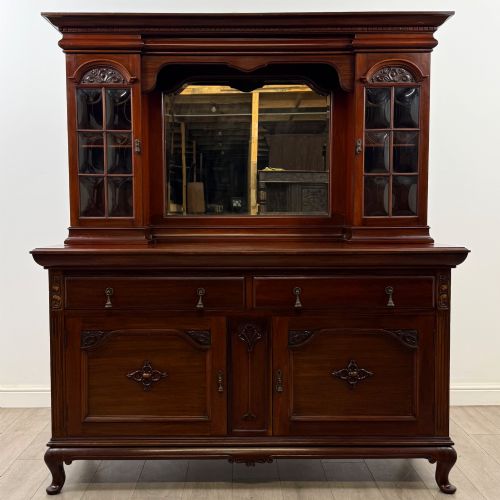
A dark wood hutch provides substantial storage through enclosed cupboards, shelving, and drawer space. Pieces matching this phrase include dressers, sideboards, and display cabinets constructed for domestic use.
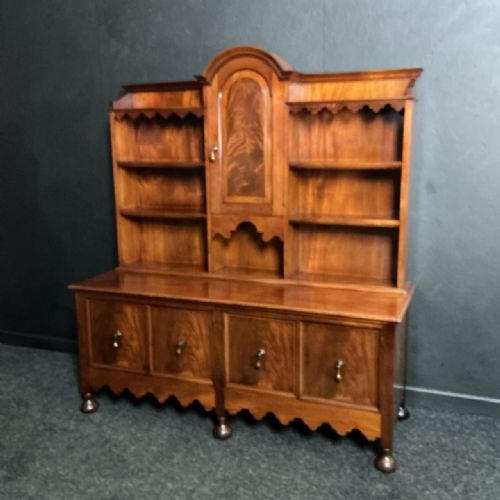
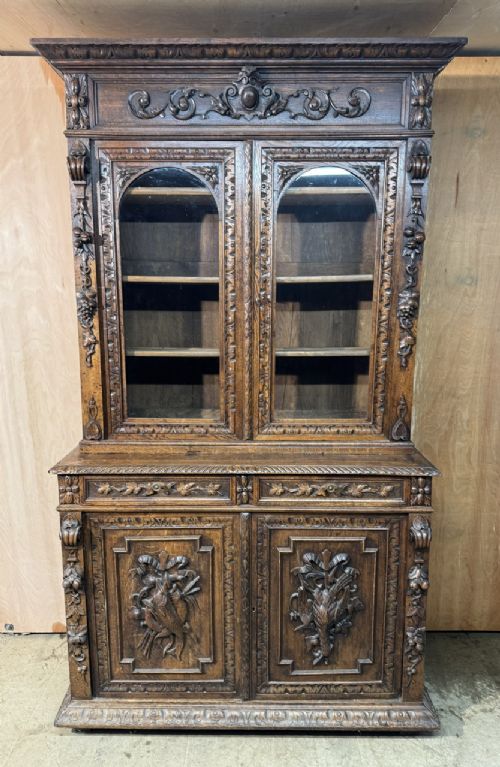
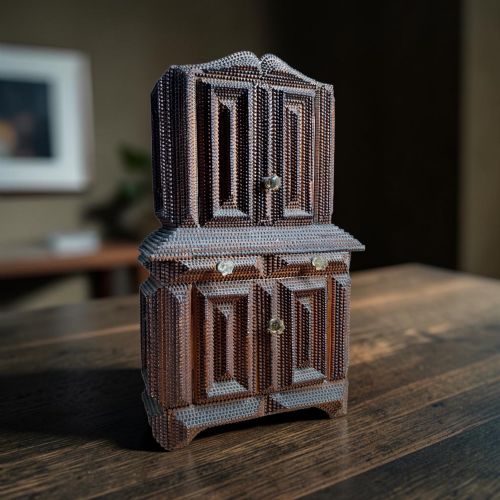
The selection on this page relies heavily on oak and mahogany as the primary timbers. Formats range from simple farmhouse dressers to elaborate revival cabinets displaying carved details.
Origins stretch from the seventeenth century through the Edwardian era, capturing periods such as the Victorian and Georgian centuries. Oak examples dominate the earlier centuries, while mahogany appears frequently in later Edwardian and Victorian items.
Evaluating Quality
Quality rests upon the selection of timber and the precision of the joinery used in the frame. Superior examples display careful hand carving and stable structural integrity across heavy wooden components.
The depth and clarity of period details, such as carved panels or original brass mounts, distinguish finer pieces from simpler utilitarian storage furniture.
A late Victorian oak bowfront dresser hides mysterious Green Man carvings alongside sturdy cabriole legs.
The Dark Wood Hutch Glossary
- Hutch
- A cabinet or piece of furniture featuring storage space, often with shelves or enclosed cupboards. It functions primarily for display and domestic organisation.
- Dresser
- A household storage unit combining lower cupboards or drawers with upper shelving for tableware. Many period examples incorporate wooden backboards.
- Jacobean Revival
- A nineteenth or twentieth century style imitating seventeenth century English furniture design. It typically utilises dark carved oak and heavy proportions.
- Flame Mahogany
- A veneer cut from the fork of a mahogany tree to produce a rippled, flickering grain pattern. It appears on polished cabinet doors and drawer fronts.
- Monks Bench
- A multifunctional seventeenth century seat featuring a hinged back that tilts to form a table. It combines seating with concealed box storage beneath the seat.
Dark Wood Hutch: Frequently Asked Questions
What is a dark wood hutch used for?
These pieces serve as functional storage furniture for organising tableware, books, and household items. The lower cupboards and drawers conceal items while upper shelves provide display space.
Historically, they formed the central storage fixture in domestic kitchens and dining rooms. Today, they continue to provide practical storage alongside decorative presence in modern interiors.
How do I identify seventeenth century oak furniture?
Seventeenth century pieces utilise solid oak construction with hand-cut joinery and pegged joints. The wood displays a dark, dense grain developed through centuries of oxidation and wax polishing.
Decoration during this period often involves geometric panel moulding and low relief carving. Proportions remain heavy and robust, reflecting early utilitarian requirements.
What is the difference between an 18th century and Victorian dresser?
Eighteenth century dressers typically feature joined oak construction with pegged frames and hand-carved geometric or figural details. Their proportions reflect rural vernacular traditions and simple domestic utility.
Victorian examples introduce a wider variety of revival styles, softer pine foundations, and machine-assisted joinery alongside varied hardware. They often incorporate glazed top sections and more elaborate decorative carving.
Where should I place a large oak dresser?
Large oak dressers require a stable wall with sufficient clearance to accommodate their heavy proportions. Dining rooms and large kitchens offer traditional settings that complement their storage purpose.
Positioning them away from direct heat sources protects the timber from drying out and splitting over time. Adequate floor strength is necessary due to the substantial weight of solid oak furniture.