

Antique Cupboard and Rack
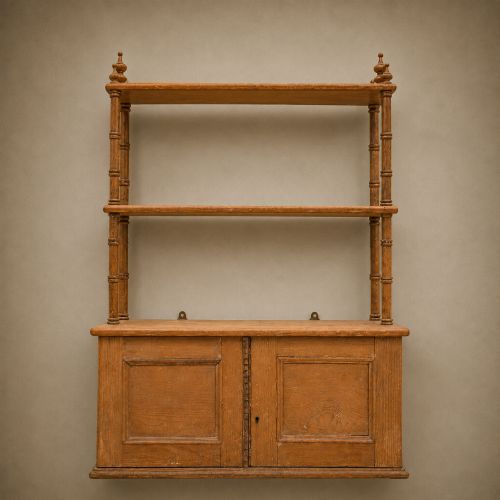
An antique cupboard and rack provides closed storage below and open display above, bringing practical utility and traditional character to a room.
Antique Cupboard and Rack
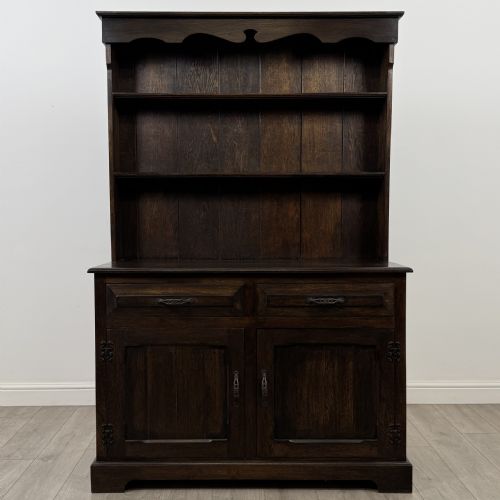
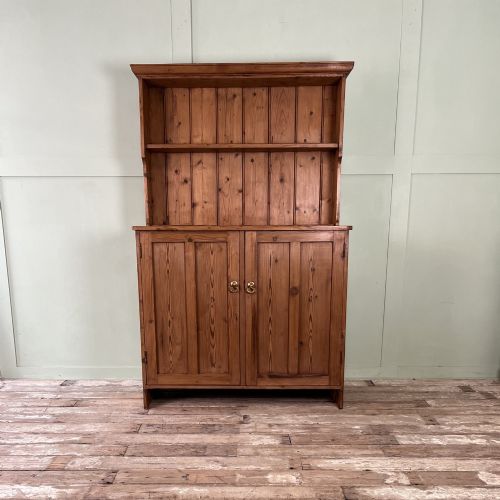
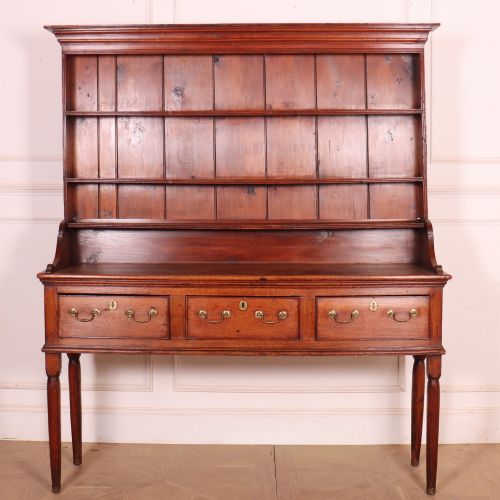
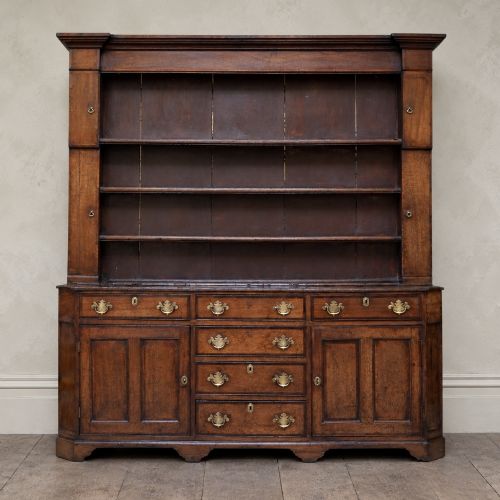
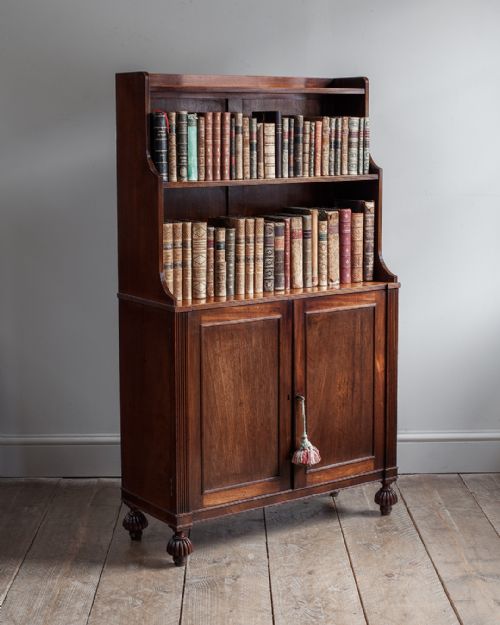
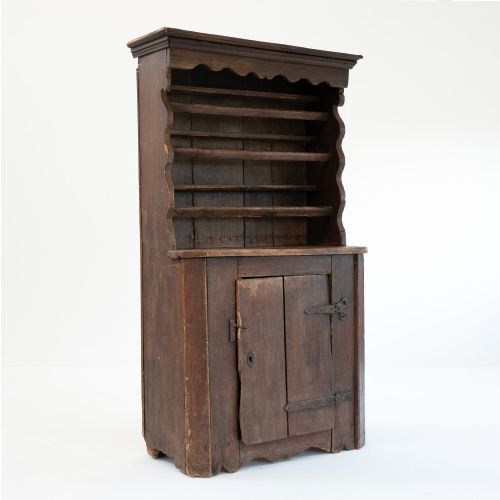
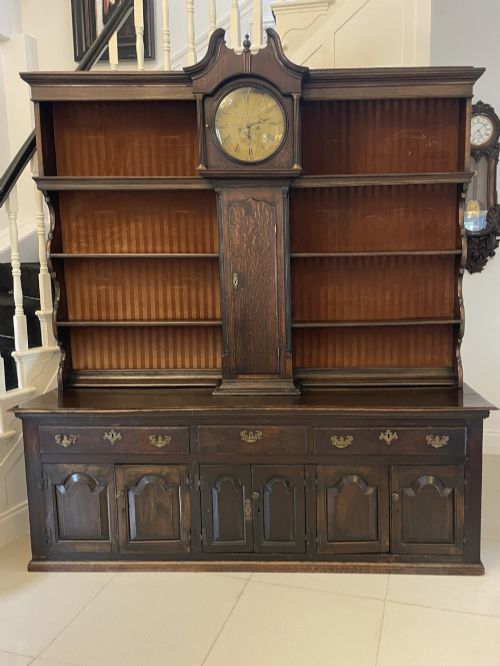
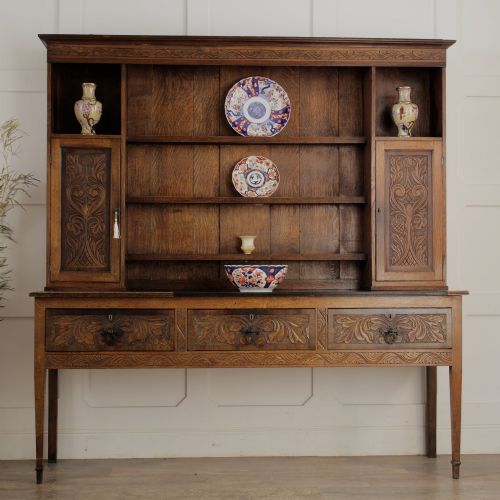
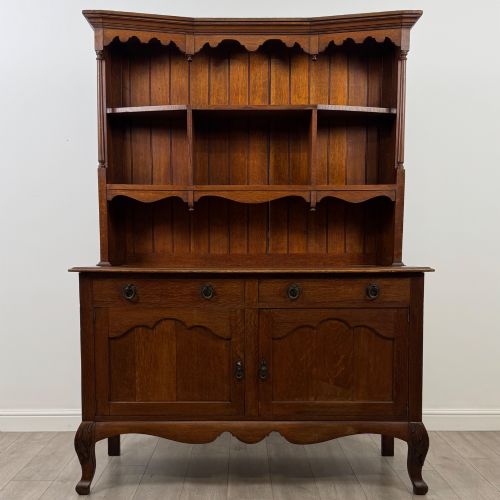
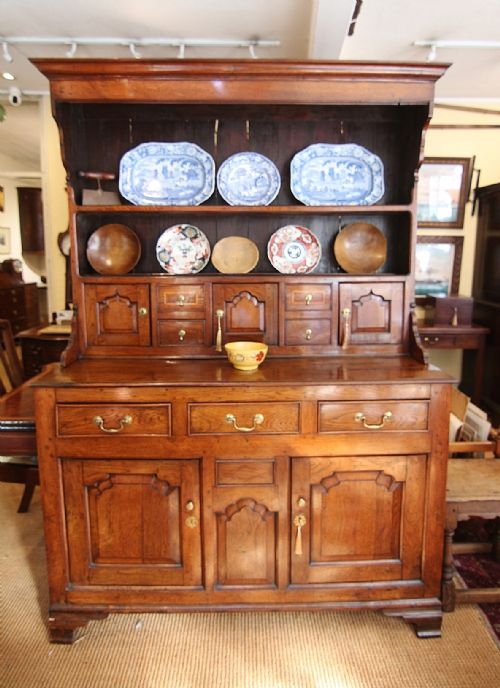
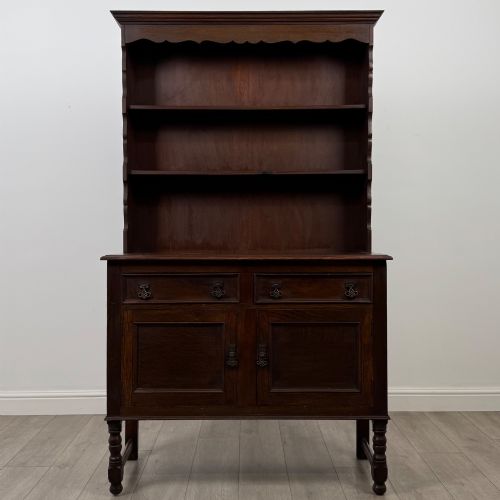
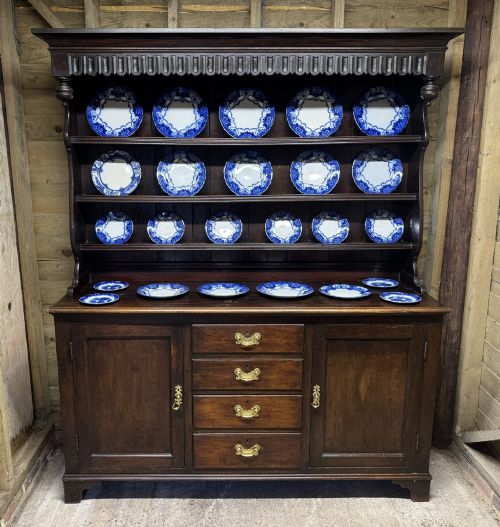
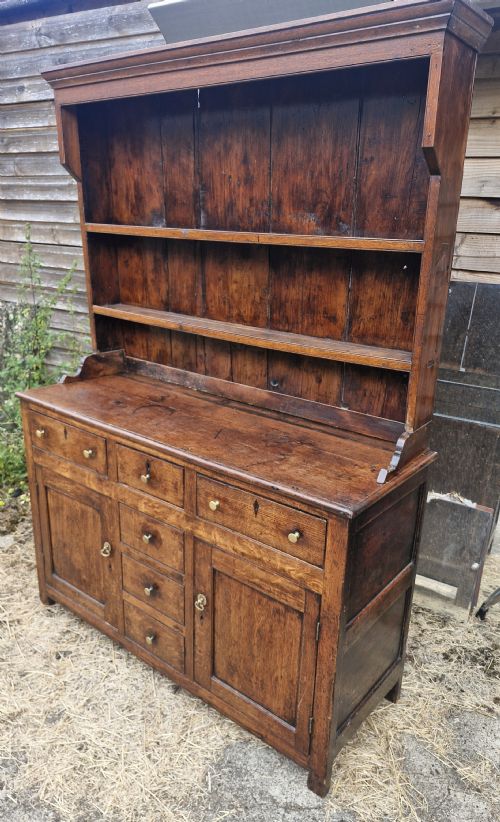
An antique cupboard and rack typically takes the form of a dresser, combining a lower base of drawers and cupboards with an upper plate rack. The listings on this page span the eighteenth and nineteenth centuries into the Edwardian period, originating from Welsh, English, and Irish workshops.
Buyers frequently encounter regional variations such as Welsh dressers, Snowdonia pieces, and country house iterations. These items function as kitchen furniture or living space display units, uniting surface workspace, enclosed cabinet storage, and open shelving.
Materials and Construction
Solid oak, pine, and mahogany form the structural core of these pieces, supplemented by secondary timbers like elm. Joinery relies on traditional methods to build sturdy bases and secure upper racks for heavy ceramics.
Surface finishes include natural wax polish, applied paint in painted dressers, and carved details such as Green Man motifs. Brass hardware often furnishes the drawer pulls and cupboard handles.
Listings feature oak, pine, and mahogany pieces spanning the eighteenth century to the Edwardian era.
Quality Distinctions
The standard of craftsmanship depends upon the depth of hand-carving, the selection of figured timber, and the harmony between the upper rack and lower base. Regional characteristics, such as specific Snowdonia or Llanrwst joinery traits, separate standard utility items from distinguished vernacular furniture.
Originality of components marks another division in quality, particularly where plate racks and bases have remained together over centuries. Finer examples display thoughtful proportions, integrated inlays, and well-preserved structural integrity without intrusive modern alterations.
The Antique Cupboard and Rack Glossary
- Pot board
- A low slatted shelf beneath a dresser base designed for storing pots and pans. This platform sits just above the floor between the lower legs.
- Plate rack
- An upper tier of open shelves featuring vertical grooves or plate rails to safely display tableware upright. It attaches securely to the top of the dresser base.
- Bread and cheese cupboard
- A regional dresser variety featuring pierced or louvered ventilation panels in the doors to keep perishable food fresh. These originate from specific rural traditions.
- Breakfront
- A cabinet design where the central section projects forward from the flanking outer sections. This architectural arrangement creates depth and visual interest on the base unit.
- Provincial
- A term describing items made in the regions rather than in metropolitan centres. These pieces reflect local tastes and available materials.
Antique Cupboard and Rack: Frequently Asked Questions
What is an antique cupboard and rack?
An antique cupboard and rack is a traditional furniture combination, most commonly seen as a dresser with a closed base and an open shelf tier above.
These pieces served historic households as functional storage for kitchenware, dry goods, and everyday utensils.
How do I date an oak dresser?
Dating relies on examining construction techniques, timber characteristics, and regional furniture styles from periods like the Georgian and Victorian eras.
Hand-cut joints, original hardware, and wear patterns accumulated over centuries offer reliable indicators of age.
Were the rack and base always made together?
Many upper plate racks and lower cupboard bases were constructed as paired units, though some combinations evolved through marriage over time.
Inspecting the timber species, joinery methods, and proportions helps determine whether the two sections share a single origin.
How do I care for antique oak furniture?
Maintenance involves keeping the timber away from direct heat sources and sudden humidity changes to prevent wood splitting.
Applying traditional beeswax periodically nourishes the surface and preserves the natural patina without sealing the wood.