




Traditional Oak Buffet Hutch
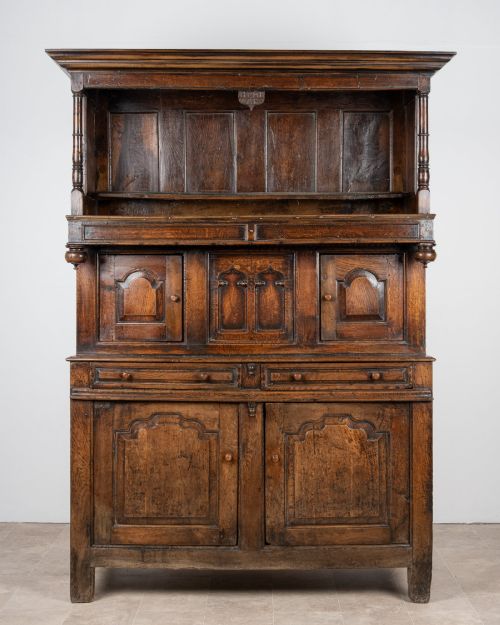
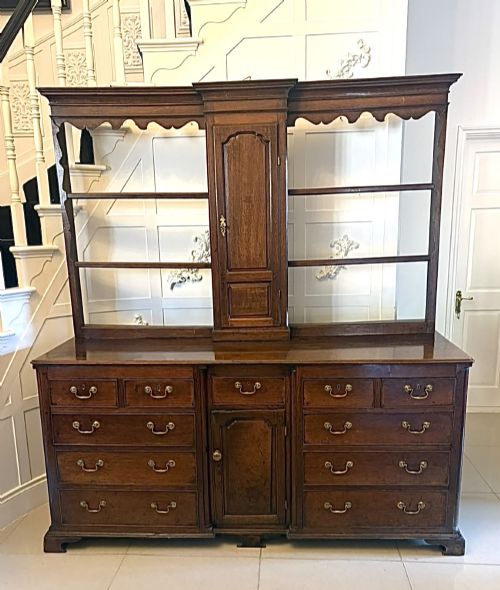
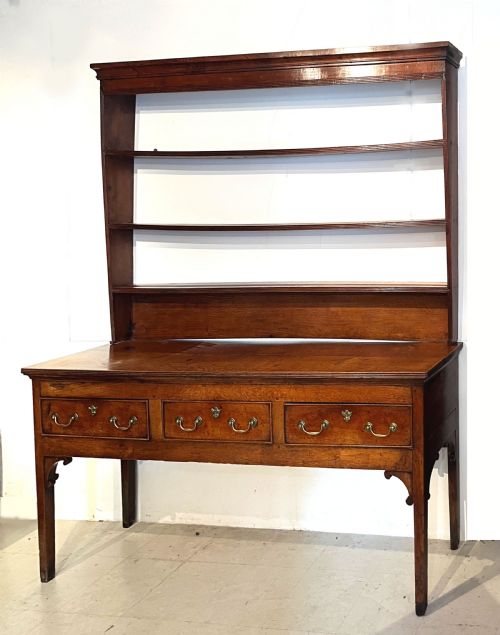
These traditional oak buffet hutch pieces are sturdy storage furniture built to hold tableware, displaying the rich grain of timber through centuries of domestic use.
Traditional Oak Buffet Hutch
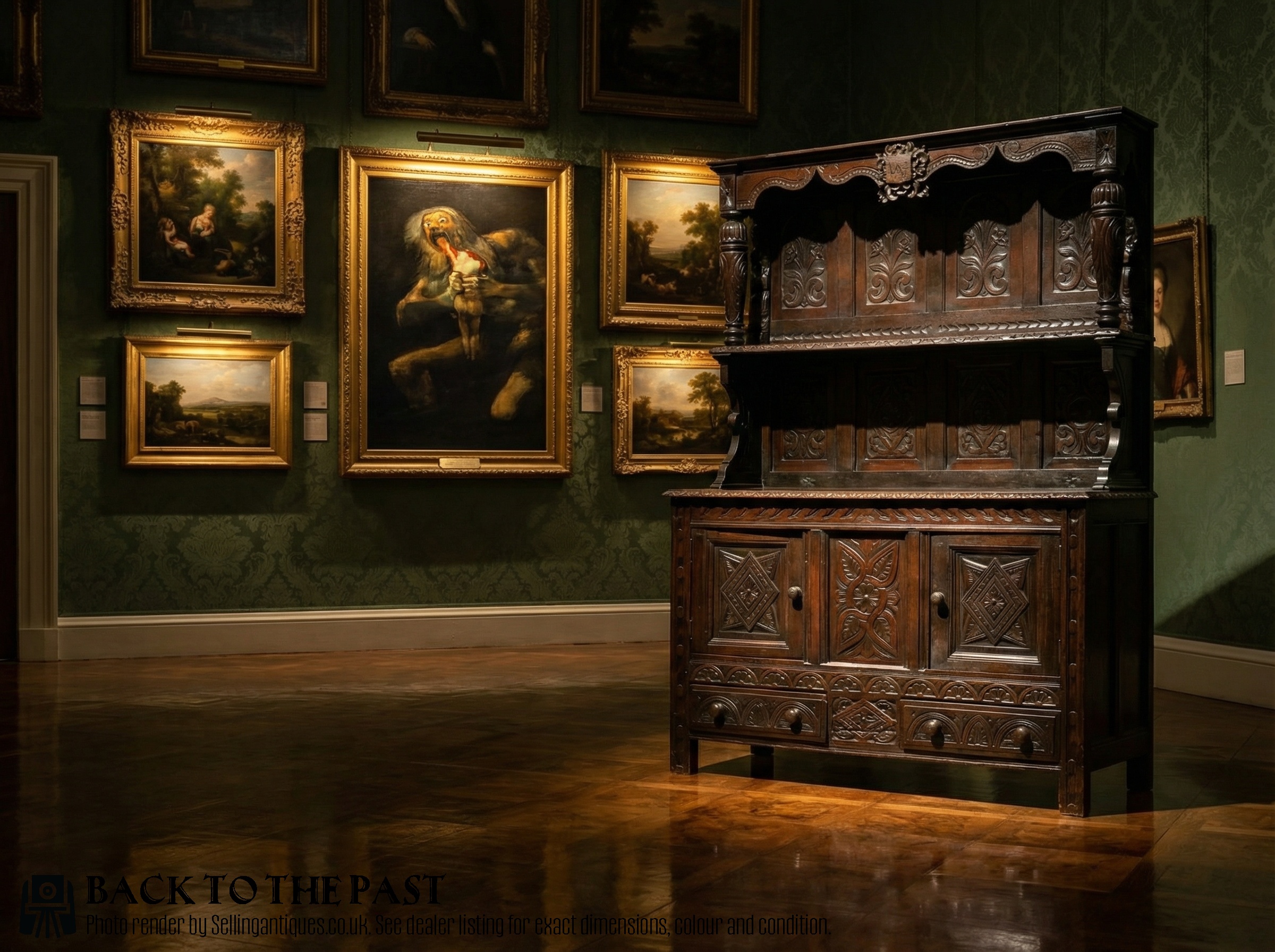
A traditional oak buffet hutch brings robust utility and historic character to a room, combining lower cupboards or drawers with upper display shelving. When you search for a traditional oak buffet hutch, you are looking at substantial storage furniture designed to hold plates, bowls, and provisions in domestic settings.
The versions most likely to be met on this page span several centuries, including 18th century pieces, Victorian examples, and later revivals from the Edwardian era. These items appear under various regional descriptions such as Welsh dressers and kitchen dressers, reflecting their origins in utilitarian rural and provincial homes.
How they were made
Makers built these pieces primarily from solid timber, utilising oak for its durability and prominent grain pattern. Secondary woods like pine sometimes appear in internal construction or backing boards.
Hardware and glazing add functional detail, incorporating brass handles, iron fittings, and leaded glass panels. Carpenters shaped the timber using traditional joinery methods, often embellishing surfaces with surface carving or plain panels depending on the prevailing style.
Traditional Oak Buffet Hutch Retail Price Guide 2026
Typical asking prices for traditional oak buffet hutch among the pieces listed under this phrase on Sellingantiques today, from the lower quarter to the upper quarter. They describe what is for sale here now, not the wider market.
Some dressers still bear the faint ghost marks where pewter plates rested against the wooden boards for generations.
What varies in quality
Quality in these items rests upon the depth of the timber's grain and the integrity of the original construction. Pieces exhibiting crisp hand-carving and well-proportioned breakfront drawers stand apart from simpler utilitarian builds.
The preservation of original hardware, such as brass pulls and hinges, also dictates the standing of a piece. Later alterations or replaced racks affect how closely a specimen aligns with its period of origin.
The Traditional Oak Buffet Hutch Glossary
- Welsh dresser
- A traditional form of furniture featuring a base of drawers and cupboards surmounted by open plate racks. This regional type originates from rural dining spaces where display and storage met.
- Breakfront
- A cabinet design where the central section projects forward from the flanking wings. This configuration creates visual depth and varied storage capacity.
- Tudor Revival
- A nineteenth-century architectural and decorative style drawing inspiration from early Tudor domestic buildings. Furniture in this vein employs heavy proportions and carved ornamentation.
- Tiger oak
- Oak timber exhibiting strong, irregular medullary ray figuring that resembles tiger stripes. This visual characteristic appears frequently in Victorian furniture.
- Vernacular
- Everyday building and craft traditions rooted in local materials and practical needs rather than formal academic design. These items reflect regional domestic habits.
Traditional Oak Buffet Hutch: Frequently Asked Questions
What is a traditional oak buffet hutch used for?
These pieces serve as functional storage and display units for dining rooms and kitchens. They hold ceramics, glassware, and tableware behind glass or upon open shelves.
Historically, the lower cupboards stored heavy pots and linens while the upper racks exhibited prized porcelain or pewter for everyday dining.
How do I date a traditional oak buffet hutch?
Dating relies on observing construction techniques, hardware, and stylistic details such as carved motifs or drawer configurations. Earlier examples from the eighteenth century often display hand-planed surfaces and pegged joinery.
Later Victorian and Edwardian pieces introduce machine-sawn timber, different brassware styles, and revival ornamentation that point to industrial production methods.
Where should I place a traditional oak buffet hutch?
These substantial items anchor dining rooms, large kitchens, or open-plan living spaces where their height and weight provide a focal point. Ensure the wall space accommodates the combined footprint of the base cabinet and upper rack.
Keep timber furniture away from direct heat sources and strong sunlight to protect the finish and prevent the wood from drying out.
How do I care for oak furniture?
Maintain the timber by dusting regularly with a soft, dry cloth and occasionally applying a mild beeswax to nourish the surface. Avoid using silicone-based polishes that build up over time and dull the natural grain.
Control the room humidity to prevent the wood from expanding or contracting excessively with seasonal temperature shifts.