





Antique Oak Ottoman
An antique oak ottoman brings sturdy utility and traditional craftsmanship to a room, offering hidden storage alongside solid timber framing.
Antique Oak Ottoman
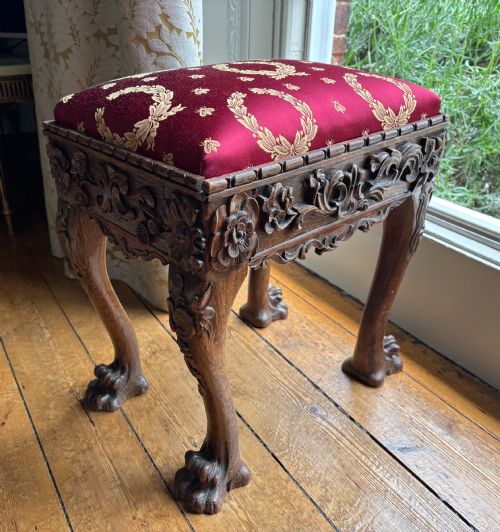
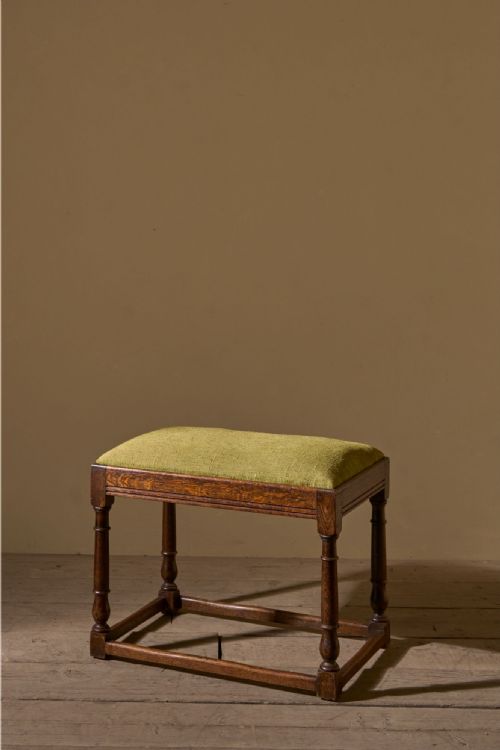
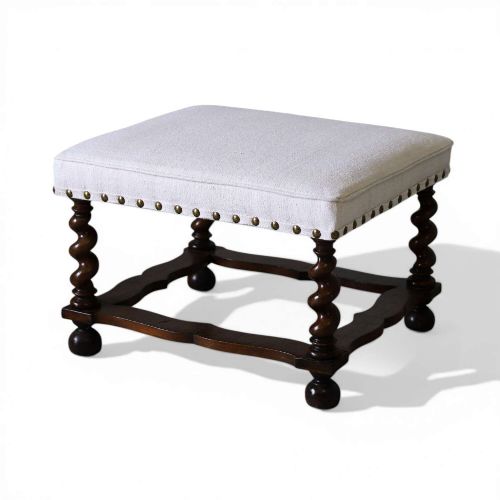
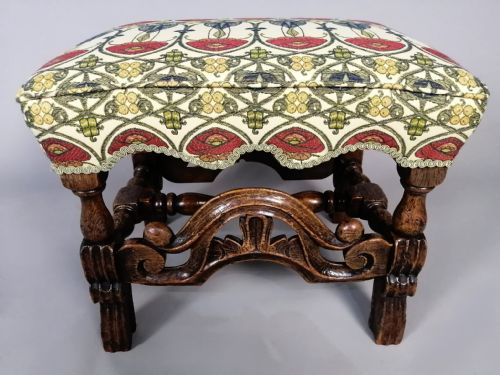
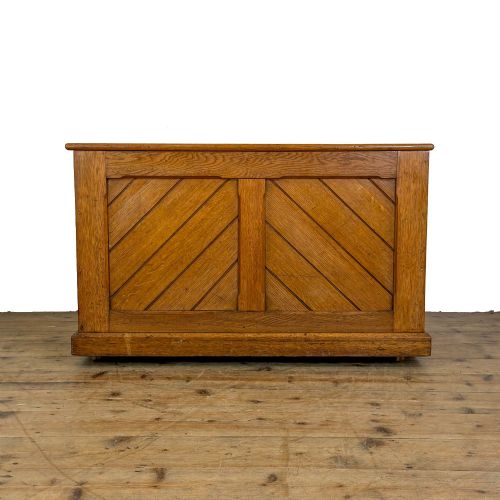
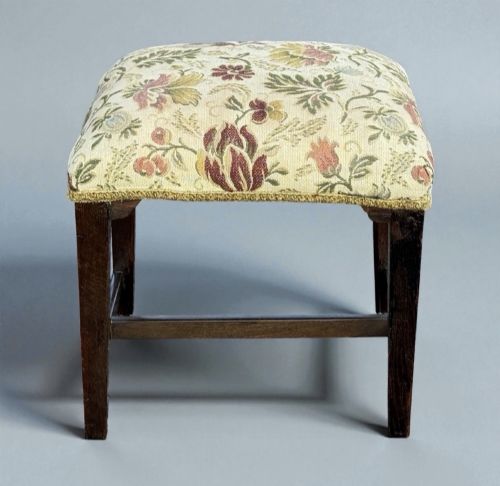
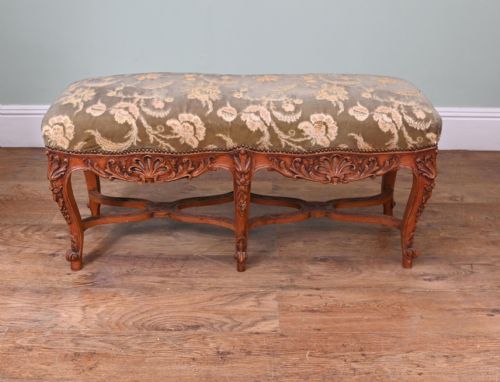
When you search for an antique oak ottoman, you encounter a mix of blanket boxes, footstools, and window seats rooted in 18th, 19th, and early 20th century cabinet-making. These pieces range from simple Georgian storage chests to elaborate Gothic Revival and Jacobean revival stools with upholstered seats.
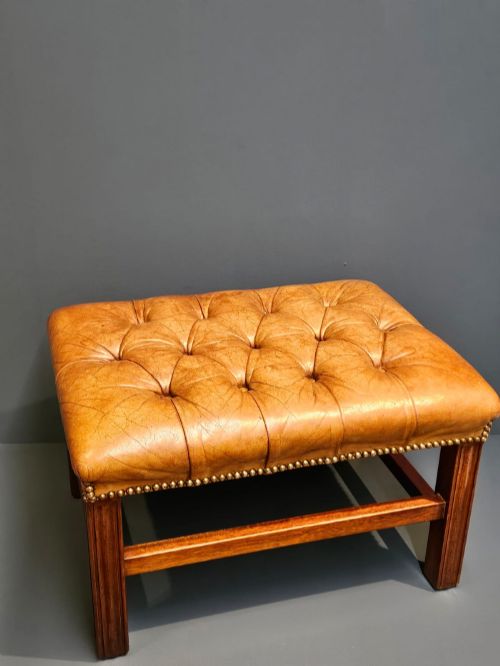
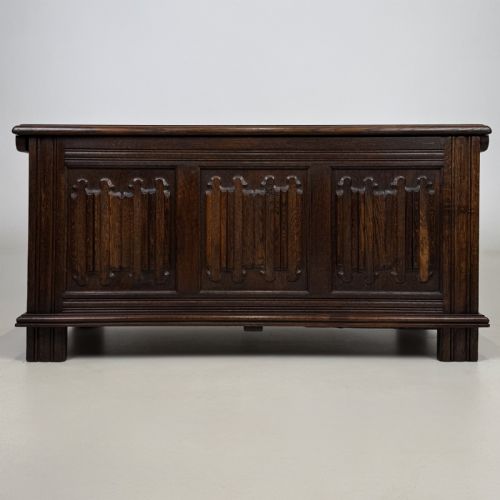
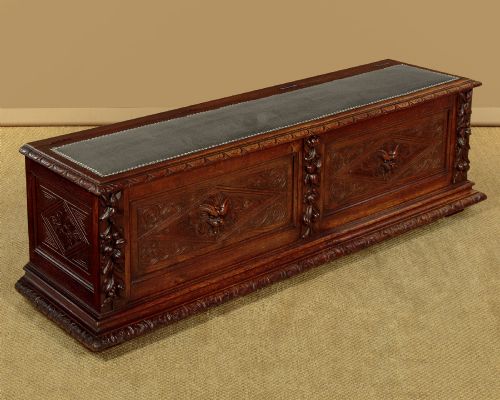
The version you are most likely to meet on this page is a nineteenth-century carved oak box seat or an upholstered footstool, often combining heavy timber construction with period textiles. Forms stretch from long cane footstools and drum-shaped dressing seats to substantial blanket boxes designed to sit at the foot of a bed.
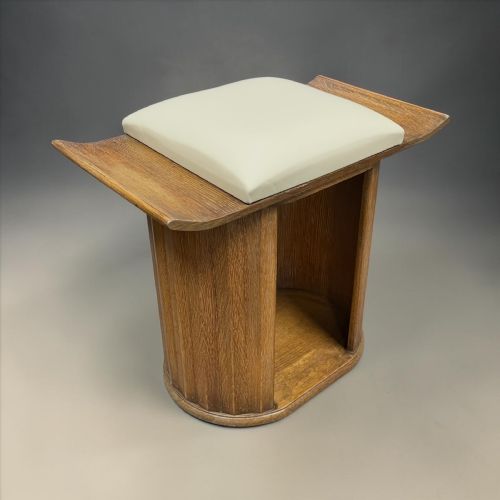
Origins span English country house designs alongside continental French window seats, reflecting diverse domestic habits across periods like the Victorian, Edwardian, and Art Deco eras.
Distinctions in quality
Quality rests in the crispness of hand-carved details, such as lion's head motifs and tracery, compared to softer or later mechanical stamping. The choice and execution of timber framing, from pegged joints to sophisticated veneering, separates utilitarian workshop output from finer cabinet work.
Upholstery execution and the retention of period materials, including original leather, heavy linen, or buttoning, alter the integrity of the piece. Substantial timber thickness and structural stability across heavy oak frames define the upper tier of surviving examples.
Antique Oak Ottoman Retail Price Guide 2026
Typical asking prices for oak ottoman among the pieces listed under this phrase on Sellingantiques today, from the lower quarter to the upper quarter. They describe what is for sale here now, not the wider market.
Listings incorporate diverse periods ranging from the Georgian era through Victorian, Edwardian, and Art Deco designs.
Simpson Kendall·James Shoolbred·Awn Pugin
The Antique Oak Ottoman Glossary
- Blanket box
- A large rectangular chest primarily utilised for storing household linens and blankets. These often double as benches or primitive ottoman forms.
- Barley-sugar leg
- A turned furniture leg resembling a twisted rope or sugar stick. This decorative turning technique appears frequently on 17th-century revival frames.
- Oyster veneer
- Slices of branch wood cut across the grain to produce circular or oval patterns resembling oyster shells. It appears on decorative stretchers and panels.
- Window seat
- A long, narrow form of stool or bench designed to sit within a window recess. They frequently feature upholstered tops and carved oak frames.
- Gothic Revival
- A style drawing on medieval architectural motifs, including pointed arches and tracery. It heavily influences Victorian oak stools and window seats.
Antique Oak Ottoman: Frequently Asked Questions
How do I date an antique oak ottoman?
Dating relies on examining construction techniques, joinery, and the stylistic vocabulary of the carved decoration. Elements like pegged tenons, hand-cut dovetails, and specific revival styles offer clear chronological markers.
Comparing the secondary woods and hardware against known period examples helps narrow down whether a piece originates from the Georgian era or a later 19th-century revival workshop.
Were these pieces used as seats or storage?
Many examples served dual functions, operating as blanket chests that doubled as benches or footstools with hidden compartments. The form often dictated its placement, whether at the foot of a bed or beneath a window.
Box seats provided practical storage in period homes where wardrobe space was scarce, while smaller footstools focused purely on seating comfort.
How should I care for antique oak and leather?
Oak timber benefits from occasional application of quality wax to nourish the grain and protect the surface from drying out. Avoid placing these pieces in direct sunlight or near heat sources.
Leather and fabric upholstery require gentle dusting and specialised conditioning where appropriate, ensuring historical textiles retain their structural integrity without harsh chemical cleaners.
What is the difference between a footstool and an ottoman?
Footstools generally measure lower to the ground and focus on supporting resting feet, whereas ottomans and box seats often incorporate interior storage space. The terminology frequently overlaps in historic listings depending on the height and proportions of the frame.
Larger upholstered variants designated as centre stools or window seats bridge the gap between movable seating and traditional footrests.