
Antique Oak Monks Bench
An antique oak monks bench is a versatile convertible seat that transforms into a table, offering period character to any hallway or living space.
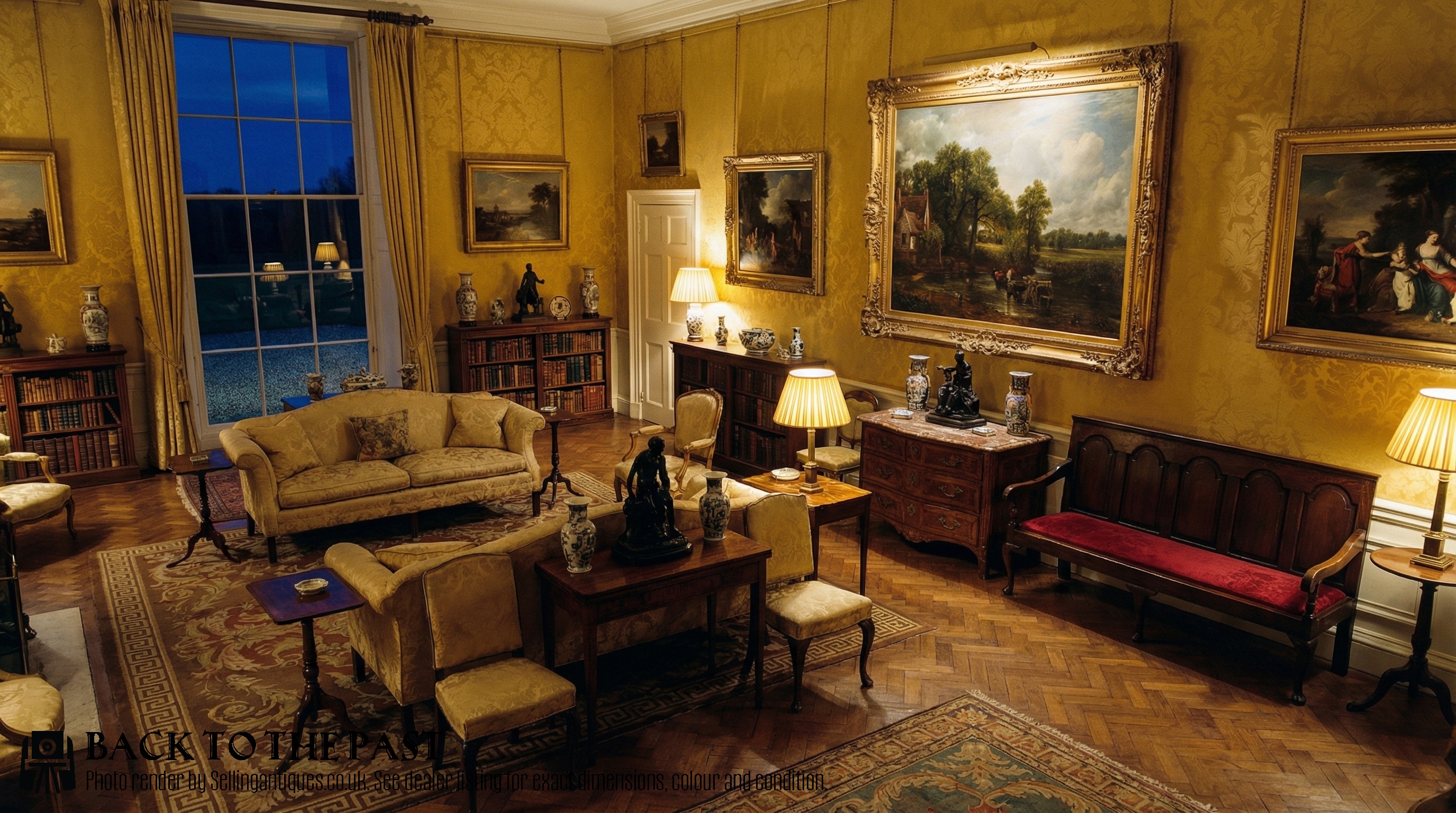
Identifying an antique oak monks bench
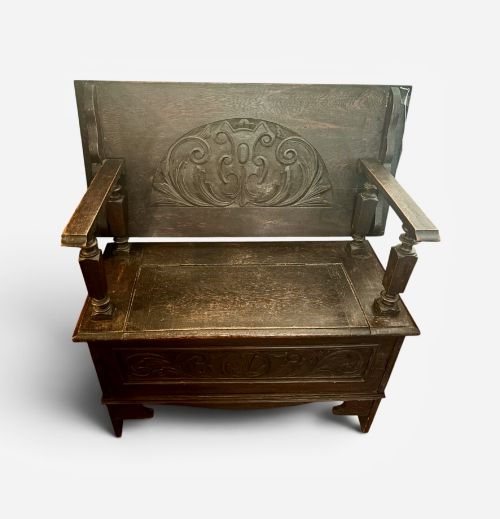
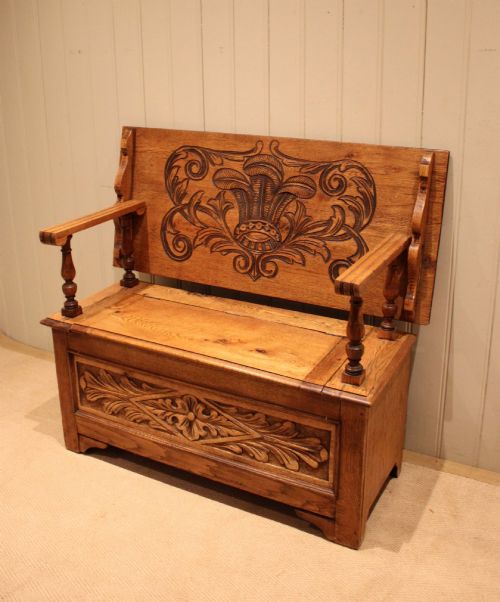
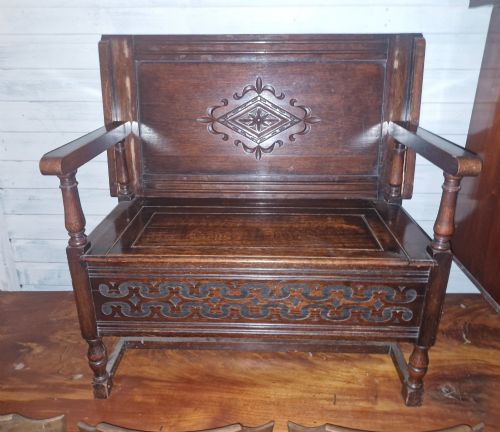
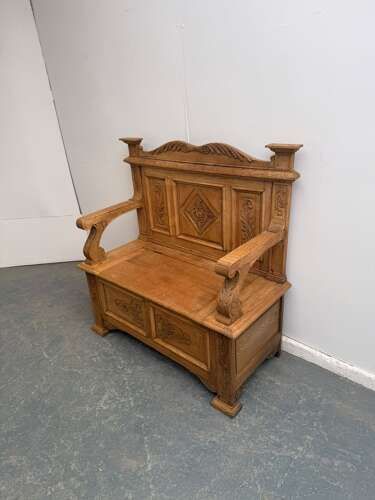
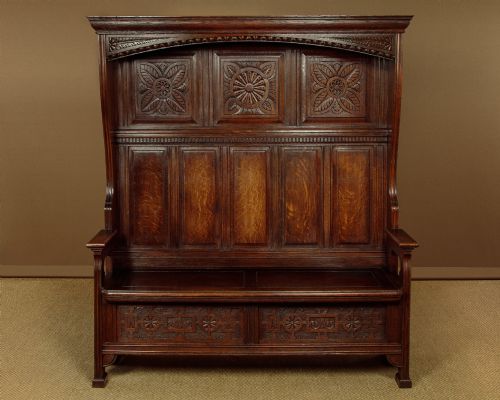
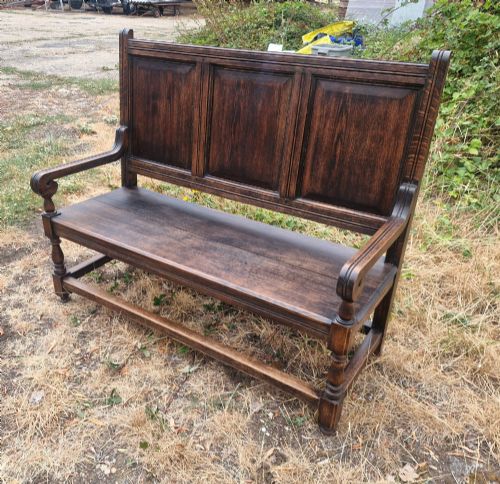
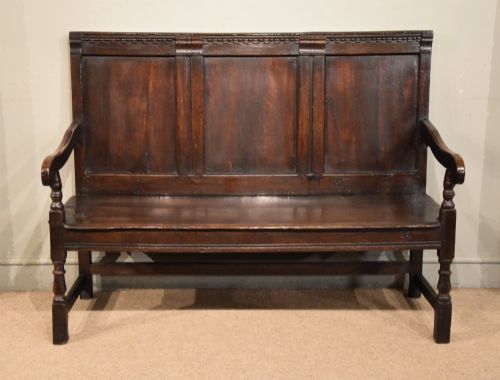
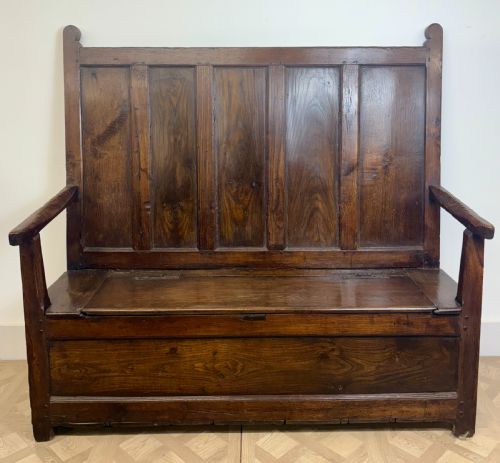
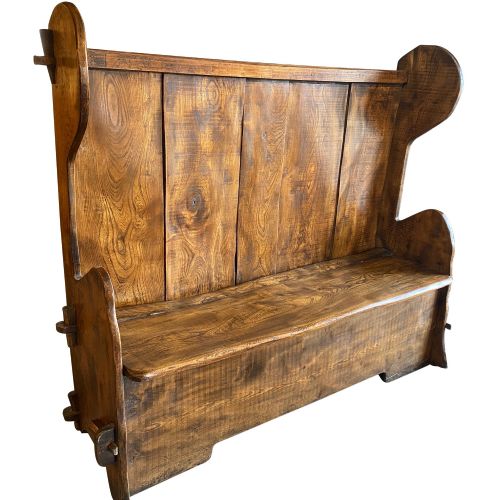
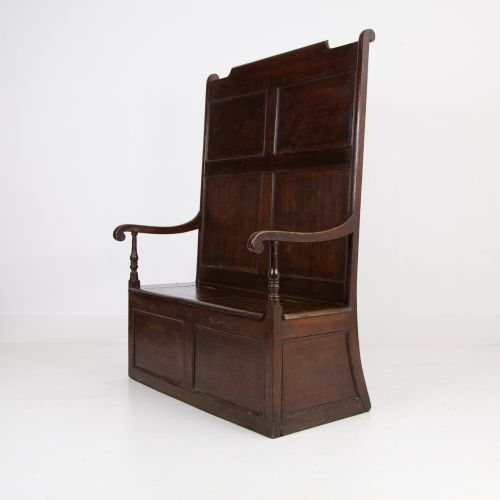
When you search for an antique oak monks bench, you are looking at substantial multi-functional furniture designed for hallways, kitchens and living rooms. These pieces function as high-backed settles or seats with arms, and many convert into tables by pivoting or tilting the backrest forward.
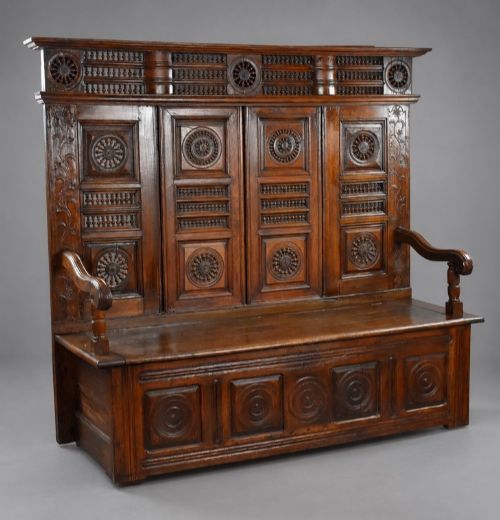
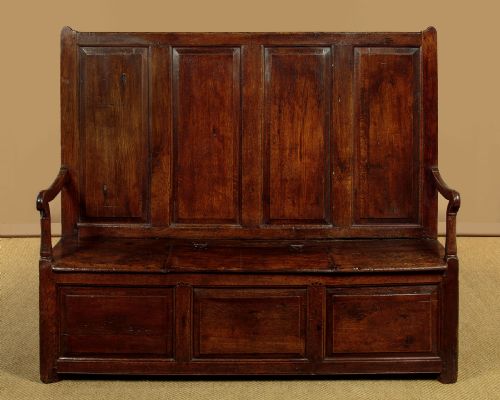
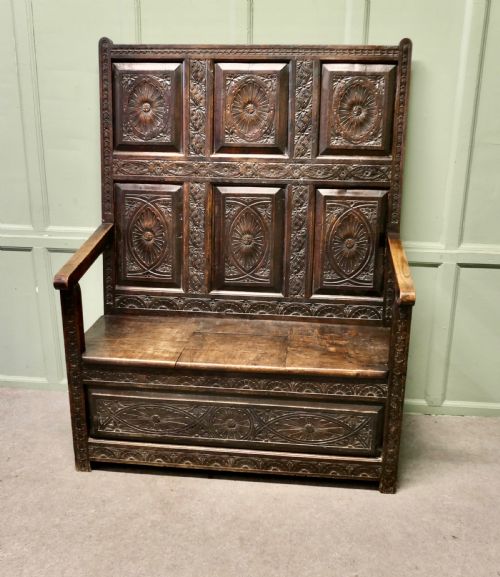
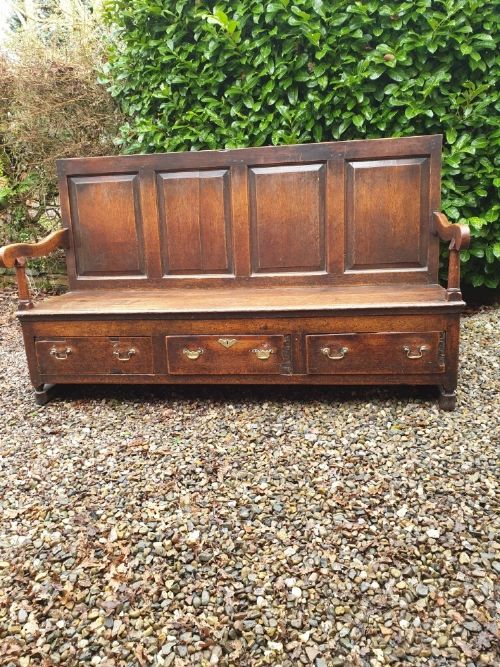
The versions you meet on this page range from 18th century examples to Victorian and early 20th century revivals. Forms include five-panel settles, hall benches and dedicated monks benches, often incorporating box storage beneath the seat.
Materials and construction methods
Makers built these pieces primarily from solid oak, sometimes combining panels with brass fittings or velvet upholstery. Construction methods rely on traditional joinery, including sturdy framing for bench boxes and pivoting mechanisms for convertible tabletops.
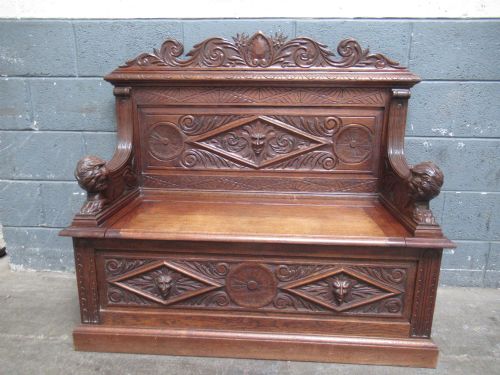
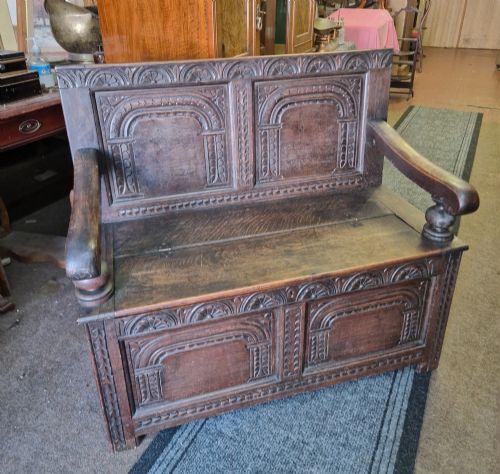
Carving defines the surface decoration across periods, with styles drawing on Flemish Baroque, Jacobean Revival, Elizabethan style and Victorian Gothic Revival. Detail work includes panel construction, linen fold details and figurative carvings such as the Green Man.
Retail Price Guide 2026
Typical UK retail prices for oak monks bench, calculated from the Sellingantiques database of over a million retail prices indexed since 2003. This retail price guide relies exclusively on Sellingantiques data; no external sources or auction records are used, so the figures do not describe the wider market.
Some Victorian examples hide a cheeky Green Man peering out from the woodwork to watch over your hallway.
Distinguishing quality in oak benches
Quality rests upon the depth and crispness of the hand carving, the weight of the solid timber and the integrity of the convertible mechanism. Pieces displaying intricate figural work or extensive architectural mouldings sit at the higher end of the range.
Proportion and scale also dictate distinction, moving from small kitchen seats to large high-back hall settles. The integration of panel work, such as five-panel constructions or detailed linen fold backs, marks out superior craftsmanship.
The Antique Oak Monks Bench Glossary
- Settle
- A wooden bench with a high back, solid arms and enclosed storage beneath the seat. This form provided draught protection in traditional English halls.
- Linen fold
- A carved wooden panel motif that mimics folded vertical strips of fabric. This decorative technique appears on Elizabethan and later revival furniture.
- Green Man
- A sculptural ornament depicting a human face surrounded by or sprouting from foliage. This motif symbolises rebirth and appears frequently in Victorian carvings.
- Flemish Baroque
- A flamboyant decorative style characterised by rich scrolling foliage and deep relief carving. Pieces influenced by this tradition display dramatic visual movement.
- Jacobean Revival
- A 19th-century stylistic movement copying 17th-century English furniture forms. This style utilises dark oak, geometric paneling and strapwork.
Frequently Asked Questions
How do you convert a monks bench into a table?
The high back of the bench pivots on wooden pins or hinges situated above the arms. By tilting the back forward over the arms, it rests flat horizontally to form a table surface.
This clever dual-purpose design allowed historical households to save valuable floor space in smaller rooms or grand halls alike.
What is the difference between a monks bench and a settle?
A standard settle remains strictly a high-backed seat with enclosed box storage beneath the cushion. A monks bench specifically incorporates the tilting back mechanism that transforms the seating into a table.
Many period listings use both terms interchangeably because their panel construction and general proportions share a common heritage.
How do I date a carved oak monks bench?
Dating relies on combining the timber characteristics, construction joints and the specific revival style of the carving. 18th-century examples show hand-planed surfaces and simpler panel joining, while Victorian and Edwardian pieces frequently employ heavier revival carving like Green Man motifs.
Examination of the hinges and internal boards helps separate genuine 17th- and 18th-century work from 19th-century Jacobean revival interpretations.
Where should I place a monks bench at home?
These substantial oak items suit entrance halls, boot rooms and large living spaces where their backrests can be appreciated against a wall. Placing them in a hallway provides convenient seating when putting on shoes alongside concealed storage for everyday items.
Keeping the bench away from direct heat sources protects the solid oak from drying out and preserves the traditional wax finish.