


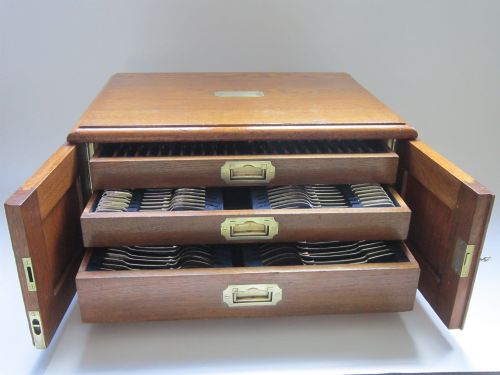
Antique Oak Drawer Table
An antique oak drawer table brings sturdy domestic history and useful storage into a room.
The forms of the antique oak drawer table
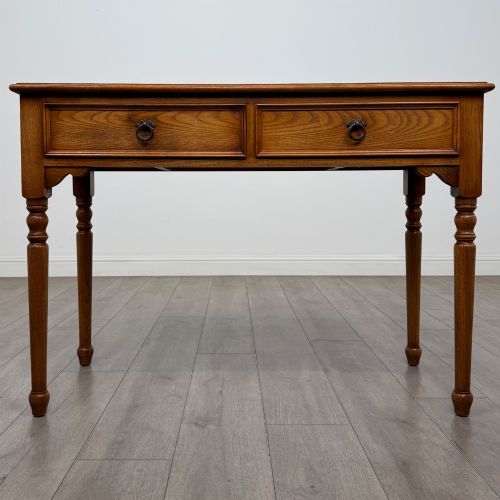
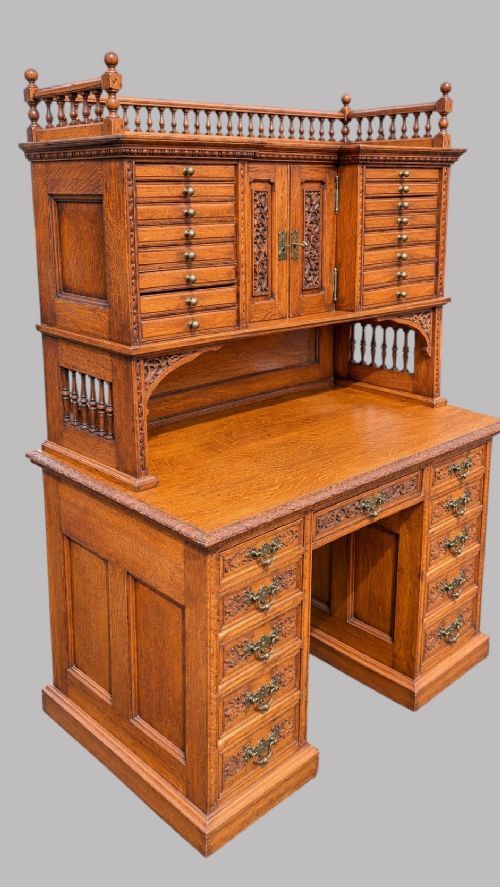
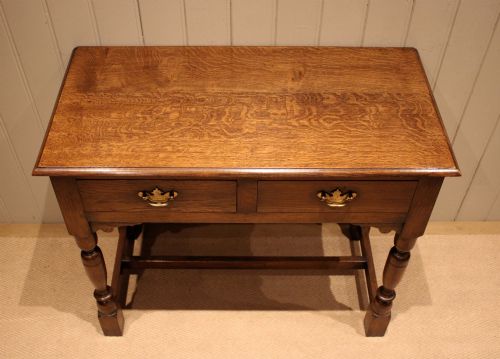
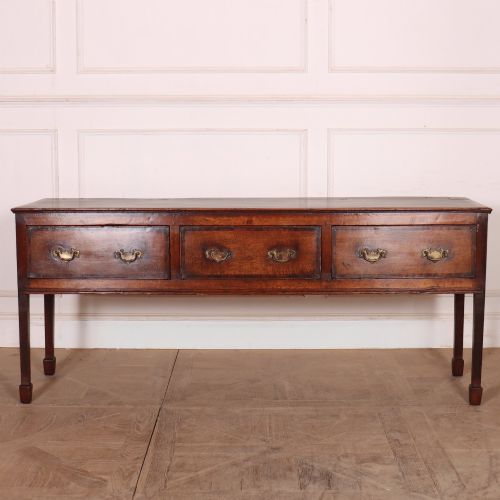
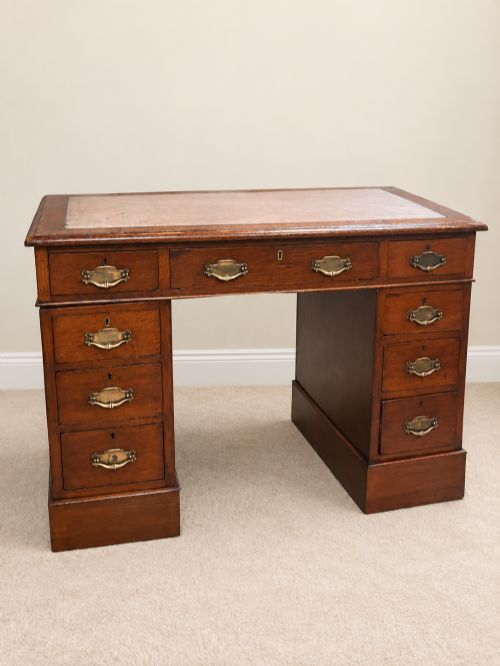
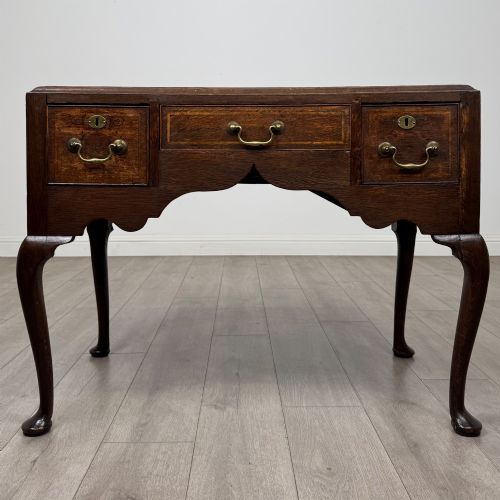
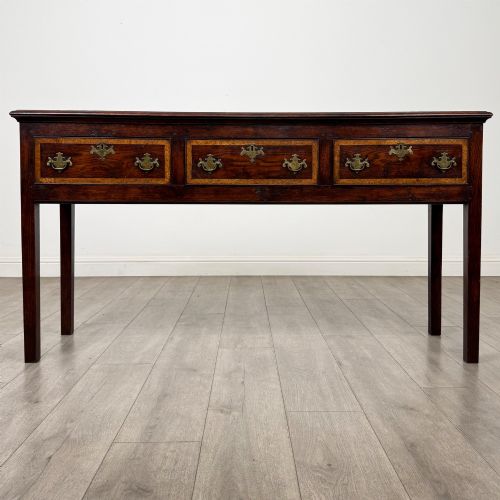
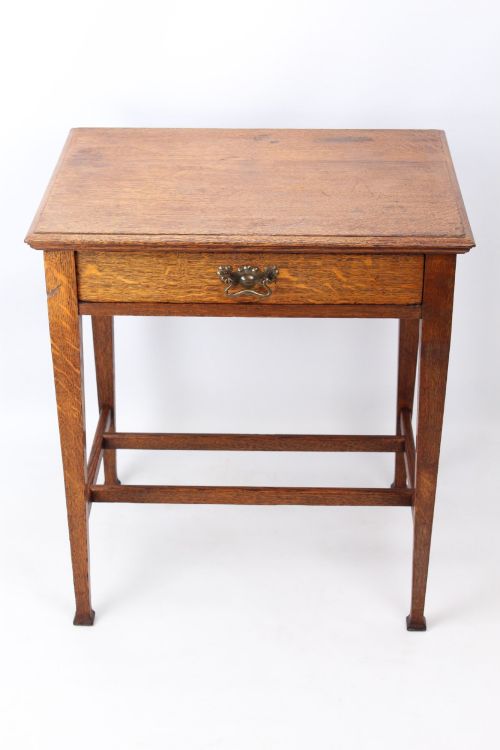
When you search for an antique oak drawer table, you encounter practical surfaces equipped with one or more integrated storage compartments. These items range from compact side tables and lowboys to larger kitchen, dining, and writing tables.
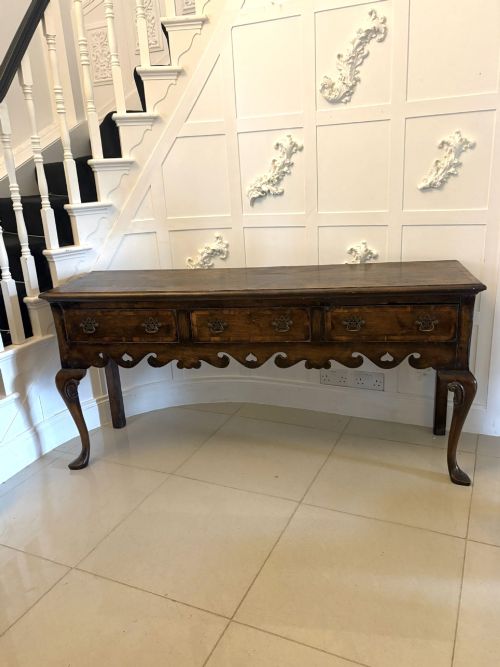
The pieces appearing here span the seventeenth century, the eighteenth century, and the Georgian period, alongside later Victorian and twentieth-century examples. Side tables and lowboys dominate the selection, often featuring single or multiple drawers set into the frieze.
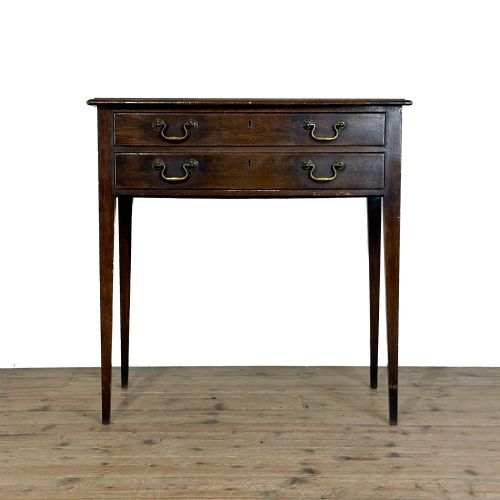
Regional variations appear, such as early Welsh vernacular pieces alongside English provincial formats. Buyers frequently meet simpler single-drawer designs intended for hall, lamp, or occasional use.
Materials and construction
Makers built these tables primarily using solid oak, occasionally combining secondary timbers like pine or ash, and sometimes incorporating mahogany linings. Metal elements appear as brass and iron handles, keyplates, or structural fixings.
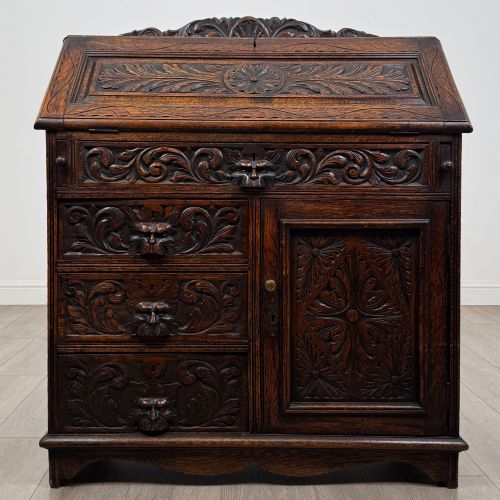
Joinery methods reflect the periods of construction, yielding solid, heavy forms designed for daily utility. Surfaces display natural grain and texture, sometimes enhanced by carving, geometric drawer fronts, or barley twist legs.
Retail Price Guide 2026
Typical UK retail prices for oak drawer table, calculated from the Sellingantiques database of over a million retail prices indexed since 2003. This retail price guide relies exclusively on Sellingantiques data; no external sources or auction records are used, so the figures do not describe the wider market.
Listings feature oak combined with brass, iron, ash, and pine across seventeenth-century, eighteenth-century, Georgian, and Victorian periods.
Factors of distinction
Quality rests on the integrity of the timber, the crispness of any carved detailing, and the original condition of the hardware. Pieces retaining their early brass drop handles and smooth-running drawer construction stand apart from altered examples.
Proportion and surface patination dictate desirability, where untouched powdery or distressed mottled finishes show the natural ageing of the wood. The sophistication of the regional style, from plain vernacular boards to refined Georgian proportions, defines the upper tier.
The Antique Oak Drawer Table Glossary
- Lowboy
- A small oak table with one or more drawers, often used as a dressing or writing table in the eighteenth century. This form typically stands on slender legs.
- Frieze
- The horizontal band beneath the top surface of a table where drawers are usually housed. Drawer placement here is standard in provincial side tables.
- Barley twist
- A turned column resembling a spiral rope, frequently used for the legs of seventeenth and seventeenth-century revival tables. This decorative turning adds vertical movement to solid oak furniture.
- Vernacular
- Regional furniture made by local craftsmen using traditional methods and native timbers rather than following metropolitan fashion. Welsh vernacular pieces illustrate this localized tradition.
- Geometric drawers
- Drawer fronts decorated with applied mouldings in raised geometric patterns. This decorative technique appears on seventeenth-century pieces.
Frequently Asked Questions
What is a lowboy table?
A lowboy is a small oak table featuring one to three drawers set into the frieze. These tables served various domestic purposes including writing and dressing.
They sit lower than standard dining tables and usually feature slender legs supporting a compact rectangular top.
How do I date an oak table?
Dating relies on construction methods, timber selection, and stylistic details such as leg turnings and drawer front decoration. Seventeenth-century pieces often display heavier framing and geometric mouldings.
Eighteenth-century and Georgian examples tend toward cleaner lines, while later revivals copy earlier historic styles.
Were these tables used in kitchens?
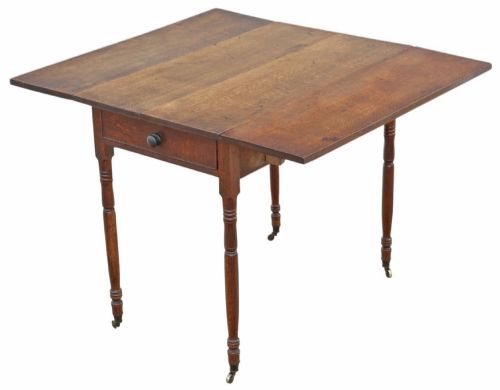
Oak tables with drawers served multiple functions across different rooms, including kitchens, halls, and parlours. They provided a sturdy surface for food preparation alongside enclosed storage for utensils.
Smaller versions functioned as side tables or writing desks in domestic settings.
What is provincial oak furniture?
Provincial furniture refers to pieces made outside major metropolitan centres by local cabinetmakers and joiners. These items utilise native oak and traditional regional construction techniques.
They often display charming local characteristics rather than strict adherence to fashionable court designs.