



Antique Oak Carved Moulding
These pieces of antique oak carved moulding bring tactile depth and architectural substance to domestic spaces.
Antique Oak Carved Moulding
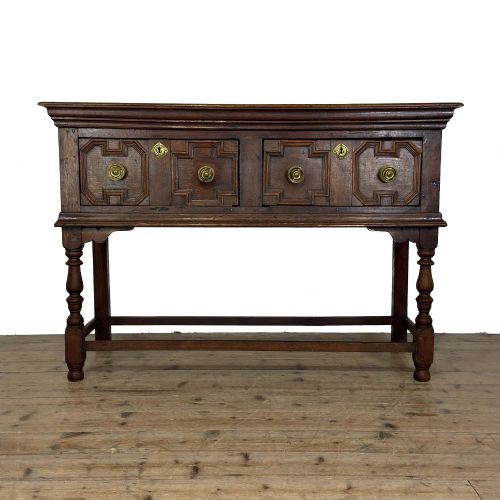
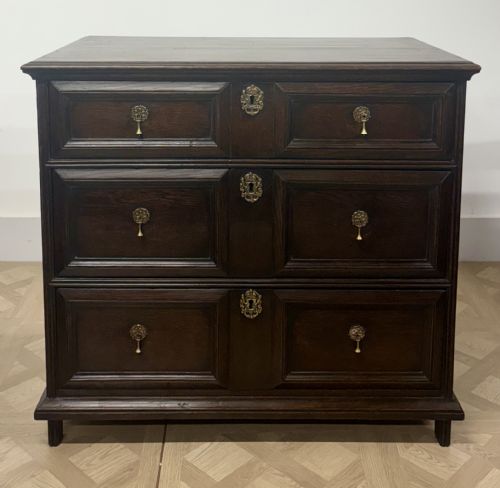
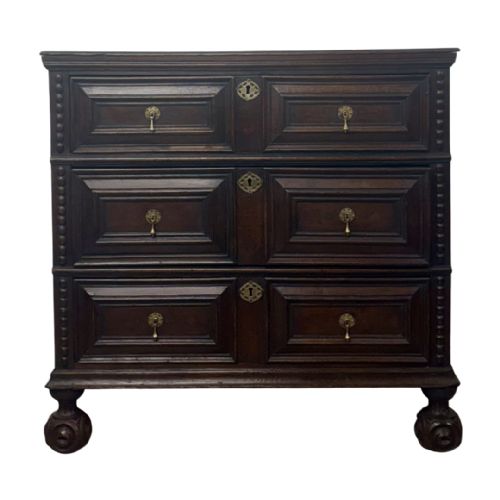
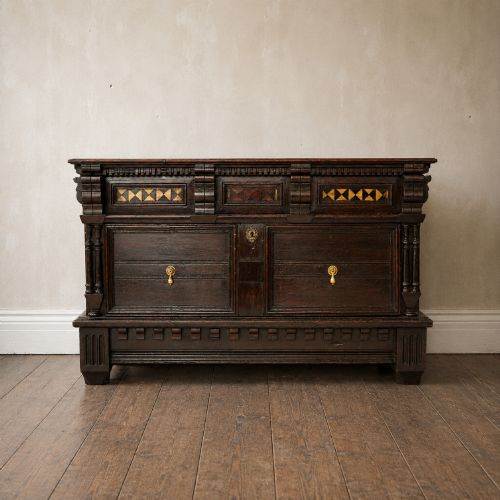
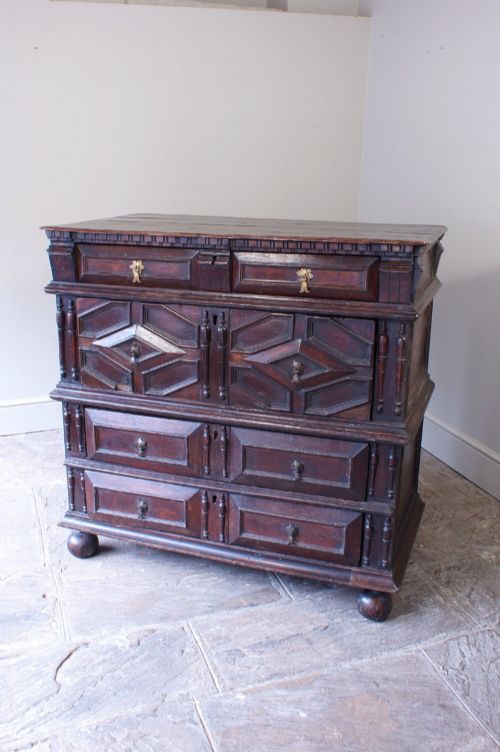
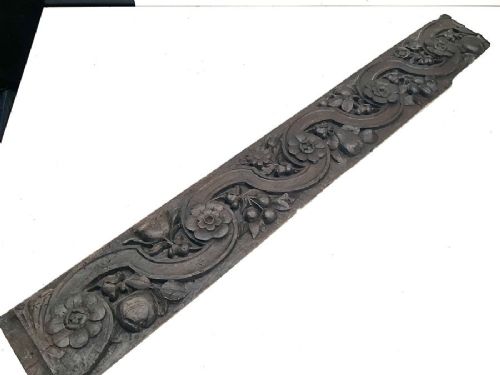
When you search for antique oak carved moulding, you encounter architectural salvage, wall mirrors, and functional case furniture decorated with applied wooden reliefs. The listings divide largely between authentic seventeenth-century survivals and later revival interpretations spanning the Georgian and Victorian eras.
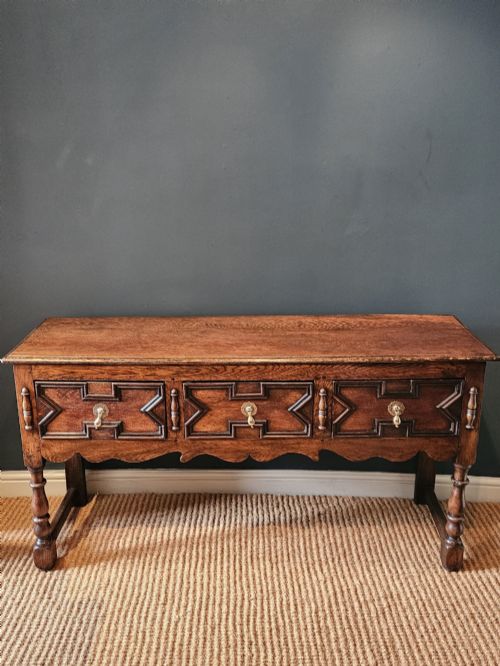
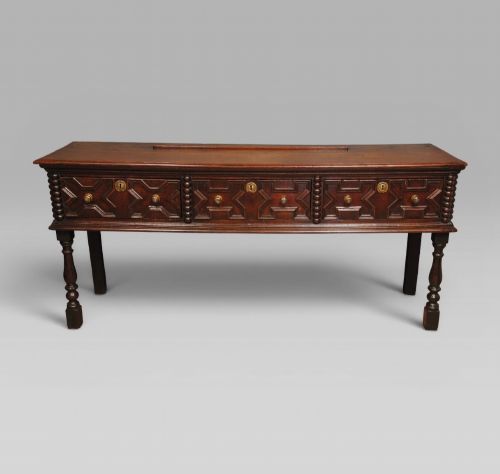
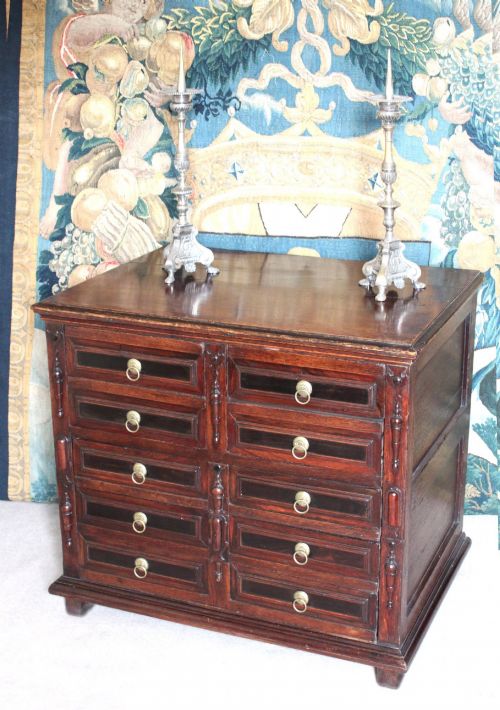
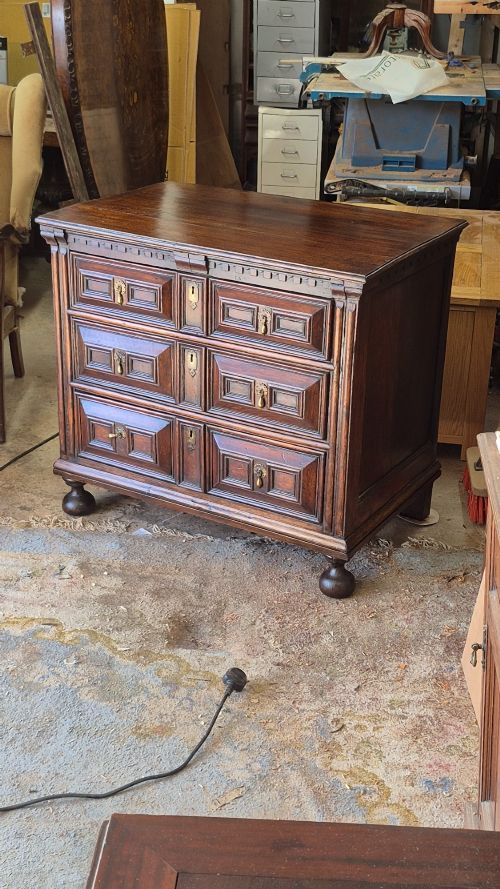
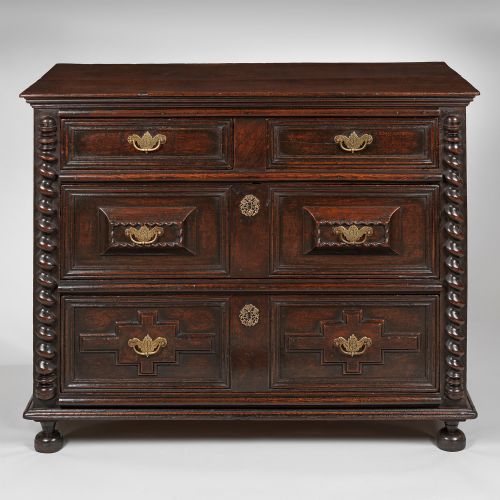
Chest of drawers and dresser bases dominate the selection, heavily enriched with geometric mouldings and carved friezes. Walnut and iron occasionally supplement the predominant oak timbers, establishing period contrast across panels and drawer fronts.
How they were made
Craftsmen utilised seasoned oak and walnut timber, shaping sections by hand with chisels and moulding planes to create deep relief profiles. Applied geometric mouldings were pegged or glued directly onto drawer fronts and panelled frames, establishing pronounced shadow lines.
Joinery methods rely on traditional pegged mortise and tenon construction, frequently enhanced by wood inlay, brass hardware, and carved friezes. Individual components display tool marks indicative of manual shaping prior to assembly.
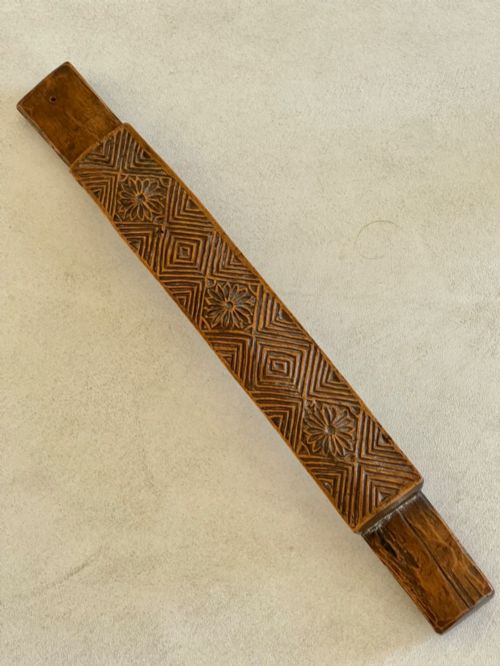
One listed item is a milliner's hat form shaped from Bretton oak and walnut.
What varies in quality
The degree of crispness in the carved and moulded detail separates utilitarian joinery from finer examples. Sharp, deep profiles create stronger architectural definition than worn or softened contours.
The integration of original brasses, undisturbed timber surfaces, and authentic period hardware elevates a piece's integrity. Alterations, replaced elements, and later nineteenth-century revival additions alter the historical standing of individual items.
The Antique Oak Carved Moulding Glossary
- Geometric moulding
- Raised wooden strips applied in repeating patterns such as mitred rectangles or octagons to drawer fronts. This technique defined case furniture during the seventeenth century.
- Architectural salvage
- Building elements and decorative fragments rescued from older structures for reuse or display. Items include carved friezes and moulded panels.
- Dresser base
- A low sideboard fitted with drawers, often supported on legs or a closed plinth. These pieces frequently exhibit moulded drawer fronts.
- Frieze
- A decorative horizontal band situated near the top of a piece of furniture or architectural wall. Carved wooden examples appear frequently on period case pieces.
Antique Oak Carved Moulding: Frequently Asked Questions
How do I date antique oak moulding?
Dating relies upon examining the construction methods, tool marks, and timber shrinkage patterns visible on the reverse and interior components. Seventeenth-century pieces typically display hand-planed surfaces and pegged joinery distinct from later revival work.
Stylistic cues such as geometric moulding layouts and carved friezes help align pieces with Jacobean or Charles II periods. Comparing the timber patination and hardware holes further confirms the age of the item.
Where were these mouldings used?
Original mouldings embellished structural woodwork, wall panels, fireplace surrounds, and the facades of substantial case furniture like chests of drawers. Architectural salvage pieces originate directly from period buildings.
On furniture, applied mouldings added visual weight and perspective to otherwise flat drawer fronts and doors. They served both a decorative and a structural framing purpose.
How do I clean carved oak?
Dust carved surfaces gently with a soft, dry natural bristle brush to prevent dirt accumulation within the deep recesses of the moulding. Avoid modern chemical polishes and wet cloths that can damage historic timber finishes.
Application of traditional beeswax sparingly helps nourish dry oak and maintain the natural lustre of the wood. Buffing lightly with a clean cloth brings up a soft sheen without sealing the pores.
What is a geometric chest?
A geometric chest is a drawer unit featuring decorative applied mouldings arranged in intricate geometric patterns across the facade. These designs draw inspiration from seventeenth-century joinery standards.
Such chests frequently utilise contrasting woods like walnut alongside oak to emphasise the raised architectural motifs. They represent a significant evolution in decorative case furniture.