


Antique Oak Box
An antique oak box holds generations of domestic utility, spanning small candle holders to large coffer chests.
What an antique oak box represents
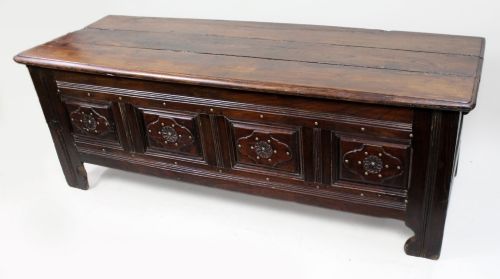
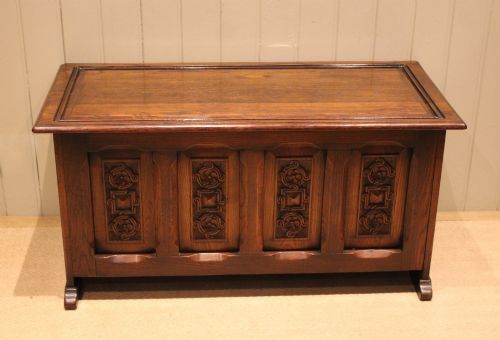
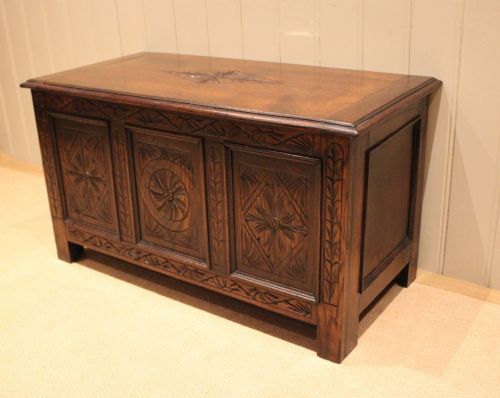
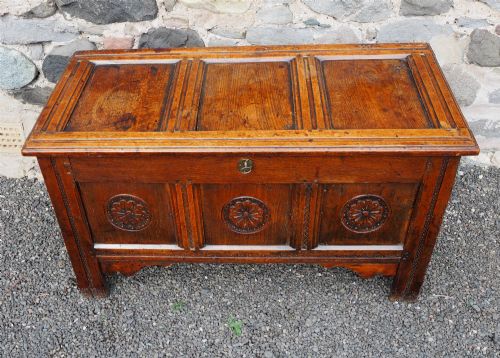
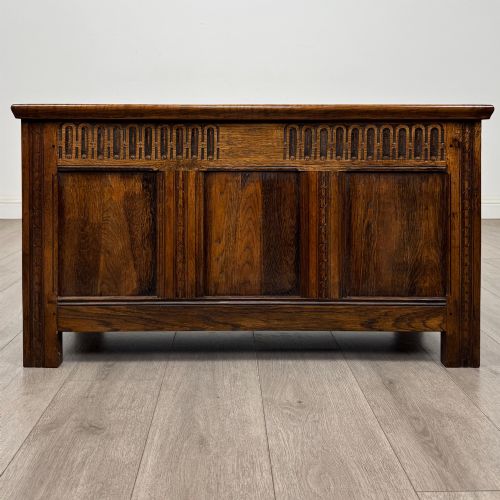
Every antique oak box brings solid timber history into a room, serving practical storage needs through centuries of domestic life. Buyers encounter smaller desk accessories, document holders, and candle boxes alongside larger blanket chests and coffer forms.
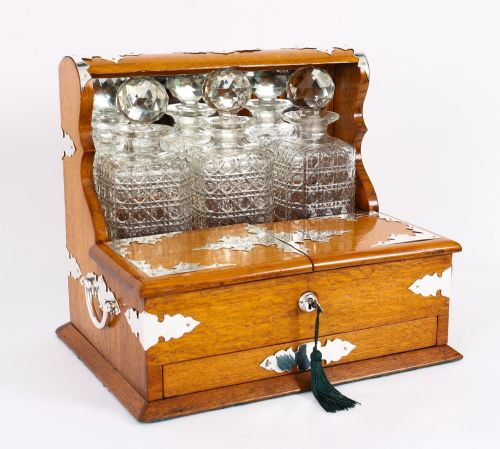
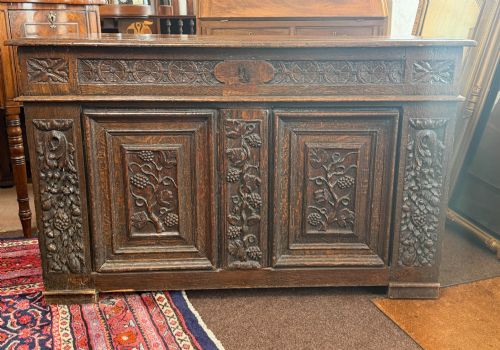
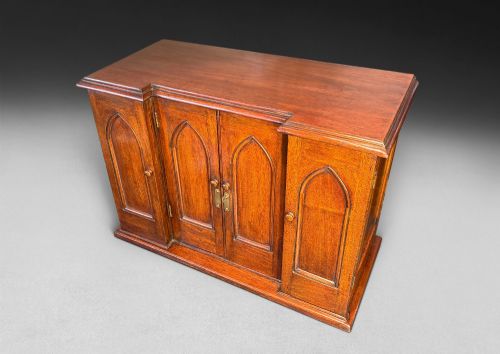
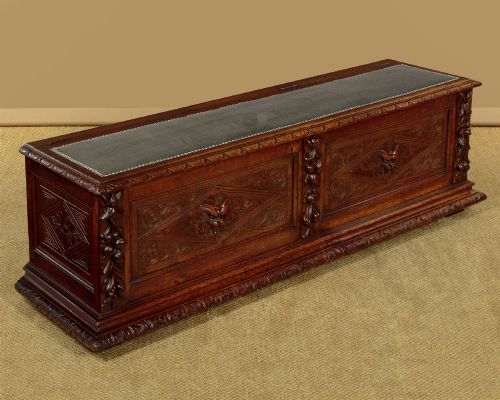
The material record spans the seventeenth, eighteenth, and nineteenth centuries, including Victorian stationery cabinets and Welsh vernacular pieces. Earlier examples display carved decoration and iron or brass hardware, while later Victorian and Edwardian iterations range from letter boxes to games boxes.
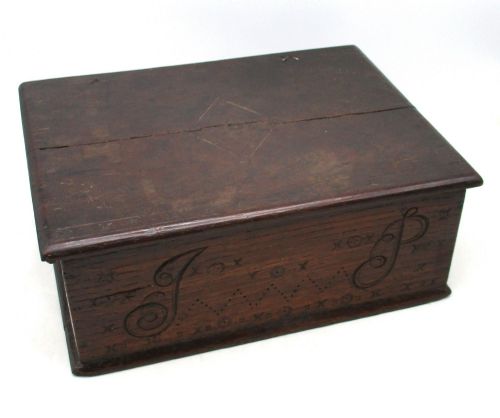
Smaller formats such as bible boxes and cutlery boxes sit on tables or desks, whereas larger blanket boxes and storage chests anchor hallways and bedrooms. This variety means a buyer finds vessels designed for specific historical tasks, from holding salt in the kitchen to securing church documents.
Materials and construction
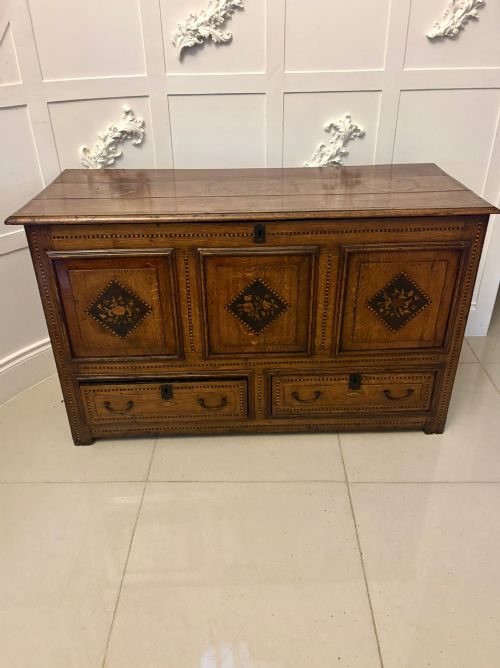
Craftsmen built each antique oak box using dense native hardwood, occasionally combining standard oak with pollard oak or fruitwood inlay for decorative contrast. Structural joints relied on traditional carpentry methods suited to solid timber.
Metalwork played a functional and decorative role, incorporating iron hinges and brass fittings to secure lids and drawers. Carving and inlaid decoration distinguished finer receptacles, while surfaces aged into rich tones through centuries of handling.
Retail Price Guide 2026
Typical UK retail prices for oak box, calculated from the Sellingantiques database of over a million retail prices indexed since 2003. This retail price guide relies exclusively on Sellingantiques data; no external sources or auction records are used, so the figures do not describe the wider market.
Listings demonstrate a range of forms, from seventeen-century bible boxes to Victorian stationery cabinets, executed in solid oak with brass and iron mounts.
Distinctions in quality
Quality rests upon the crispness of carved detail and the integrity of the timber framing, separating utilitarian containers from finer cabinetwork. Superior pieces display thoughtful proportions, well-fitted lids, and original hardware rather than later replacements.
The presence of decorative elements such as fruitwood inlay, pollard oak veneers, or specialised interior compartments elevates a piece beyond standard storage. Grain selection and the depth of the timber's aged patina define the visual hierarchy among surviving examples.
The Antique Oak Box Glossary
- Bible box
- A desk accessory or small lidded container originally built to hold a family bible or important documents. These items typically feature sloping lids and compact proportions.
- Coffer
- A large, heavy storage chest reinforced for security and travel. They often stand on the floor and serve as blanket or linen repositories.
- Candle box
- A wall-hanging or table container shaped to hold tallow or wax dips. They frequently include a sliding lid or a shaped backboard with a suspension hole.
- Pollard oak
- Timber taken from trees that were pollarded, creating dense burr patterns with swirling grain. Cabinetmakers utilised this wood for decorative veneer panels.
- Welsh vernacular
- Regional furniture made outside metropolitan workshops using local traditions and materials. These objects prioritise robust utility and regional decorative motifs.
Frequently Asked Questions
How do I date an antique oak box?
Dating relies on construction methods, hinge types, and stylistic carving traits characteristic of specific centuries. Seventeenth-century examples often display hand-cleaved boards and pegged joinery, whereas nineteenth-century pieces show more mechanised preparation.
Secondary woods, lock mechanisms, and handles also provide clues. Comparing the piece against documented examples from periods like the William III era or the Victorian epoch helps narrow the timeline.
What were bible boxes used for?
Bible boxes stored sacred texts and valuable family papers in domestic settings before dedicated desks became common. Their sloped lids provided a portable writing surface when rested on a table.
As literacy grew, many transitioned into general document repositories. Their compact size allowed owners to keep sensitive correspondence secure.
How do I care for antique oak?
Maintain oak boxes by keeping them away from direct heat sources and rapid humidity fluctuations. Extreme changes cause timber to split or warp.
Apply occasional applications of traditional beeswax to nourish the wood and protect the surface. Avoid modern silicone polishes that build up sticky residues.
What is the difference between a coffer and a blanket box?
A coffer is traditionally a heavy, heavily framed chest built with security in mind, often featuring multiple locks or iron banding. They date back to medieval and seventeenth-century domestic life.
Blanket boxes generally refer to later vernacular or Victorian storage chests designed primarily for textiles. Their construction is lighter, focusing on household convenience rather than fortification.