



Antique Naval Oil Painting
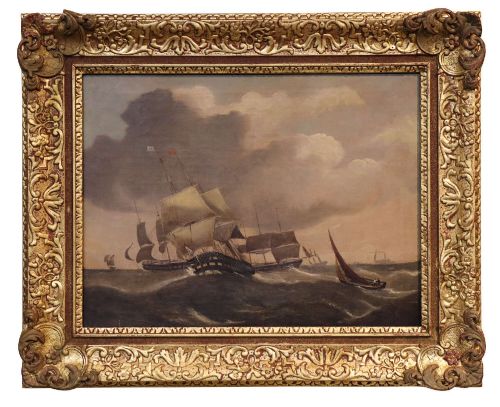
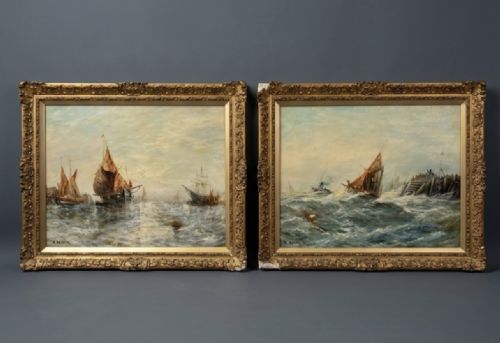
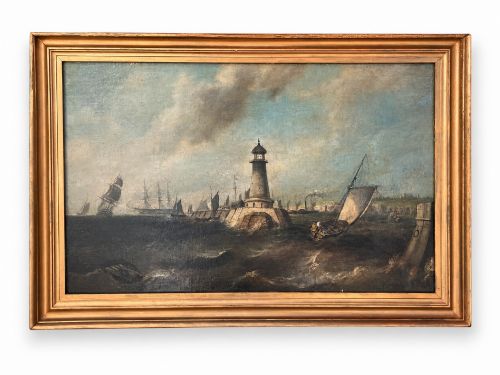
An antique naval oil painting captures centuries of maritime conflict, exploration and trade upon canvas.
Antique Naval Oil Painting
An antique naval oil painting depicts warships, historic engagements, and maritime scenes across canvas and panel. Buyers searching this phrase look for authentic historical records of sailing vessels, galleons, and naval officers from centuries past.
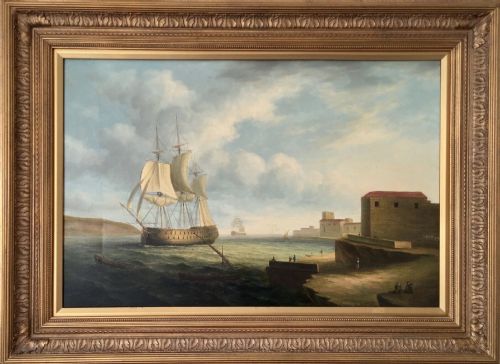
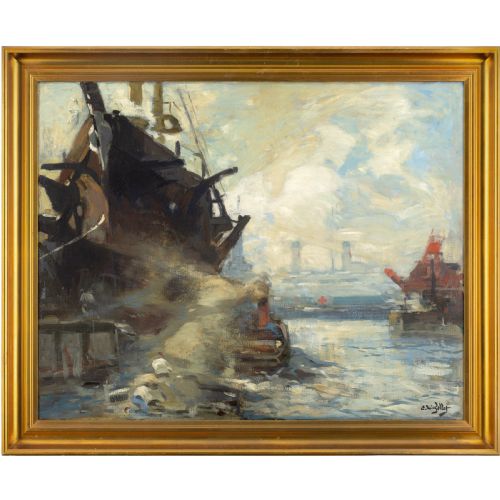
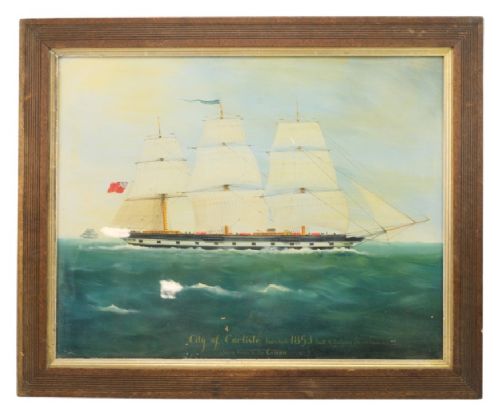
The selections available range from 17th-century depictions of shipyards and privateers to Victorian and Edwardian portrayals of cruisers, royal yachts, and heavy seas. Canvases originating in the 18th and 19th centuries dominate the works encountered by collectors today.
How They Were Made
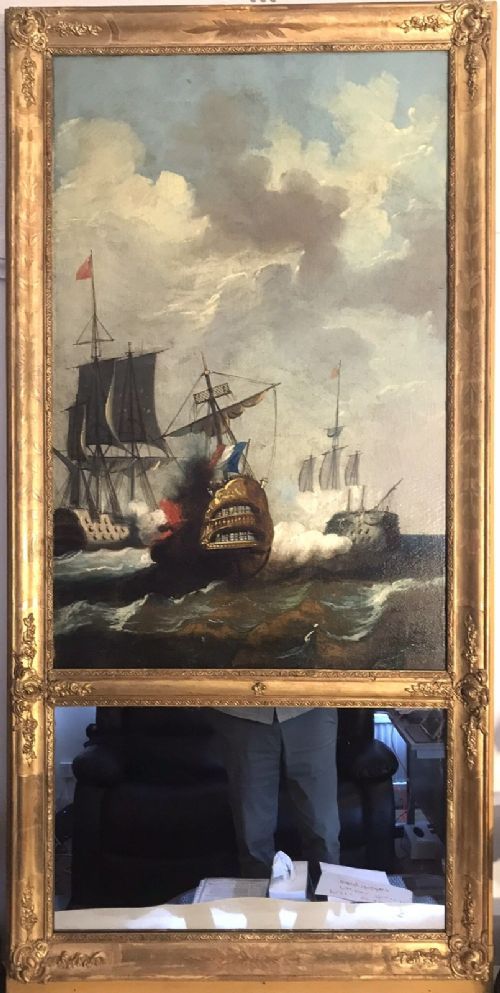
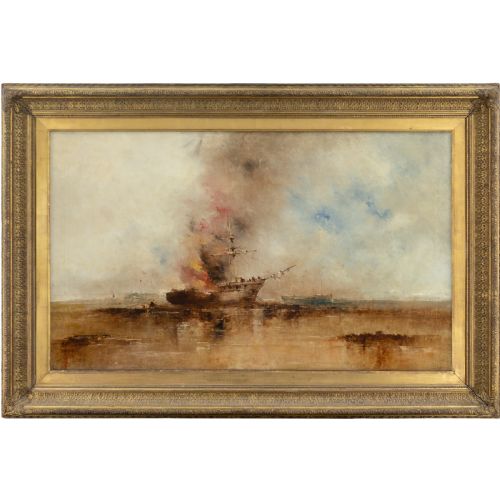
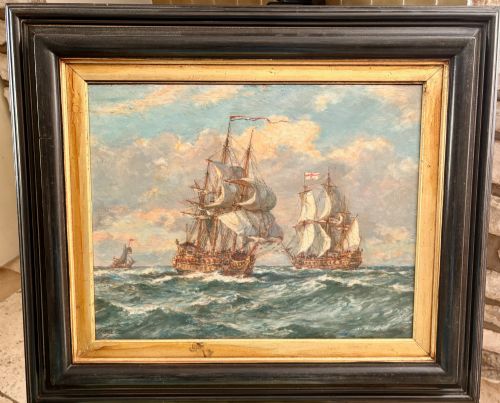
Artists applied oil paint to stretched canvas or wooden panels, often finishing the works in period giltwood frames. The technique relies on layered oil pigments to render the turbulent motion of waves, smoke from ship cannons, and the intricate rigging of three-masted schooners.
Makers utilised traditional preparatory grounds on canvas, working pigments with brushes and palette knives to capture light on water and the dark timber hulls of warships.
Listings feature works spanning from the seventeenth century through the Edwardian period, executed in oil on canvas, panel, and giltwood frames.
What Varies in Quality
Quality rests in the anatomical accuracy of the vessels, the convincing movement of water in heavy seas, and the preservation of the original paint surface. Superior works demonstrate a precise understanding of naval architecture, rigging details, and atmospheric perspective.
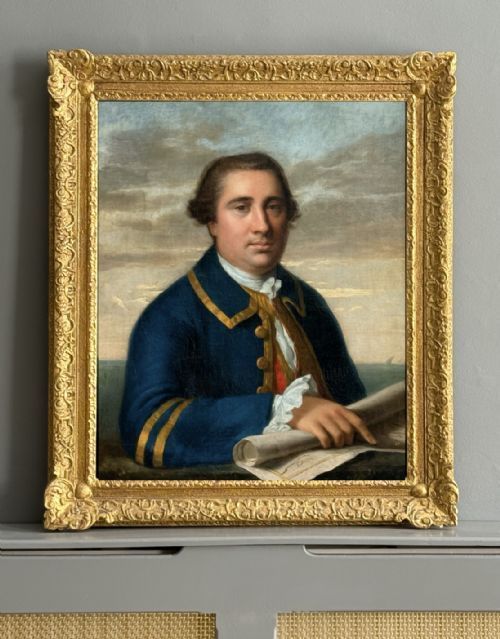
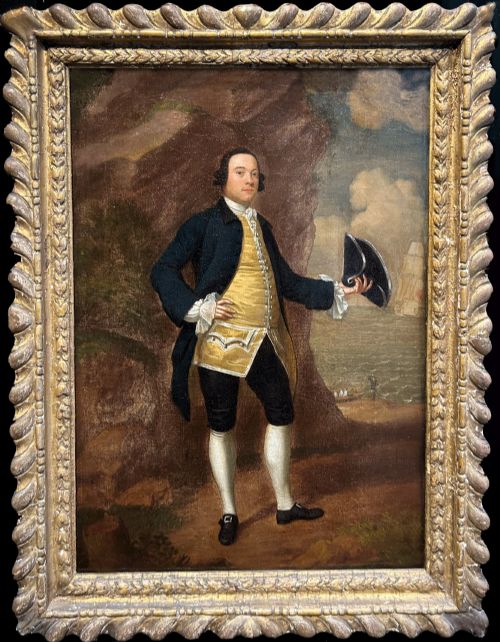
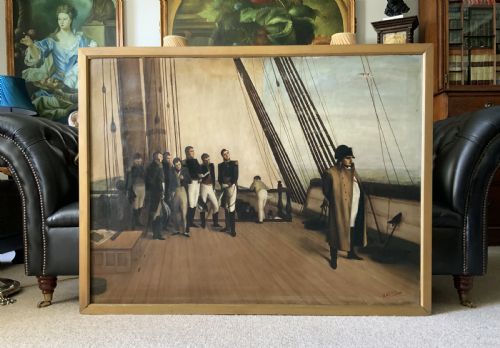
The skill in portraiture among depicted naval captains and officers also distinguishes the finer pieces, alongside the craftsmanship and original gilding of the surrounding wooden frames.
James Hardy·Eugène-Louis Gillot·William McAlpine·Lemuel Francis Abbott·Bernard Gribble·Francis Hayman·Nicholas Condy·Claude Lorrain·John Simmons·Marie-Edouard Adam·Ebeneezer Colls·Richard Brydges Beechey·Charles Dixon·William Langley·Sir Thomas Lawrence·George Frederick Clarke·Jacob Knyff·Francis Moltino
The Antique Naval Oil Painting Glossary
- Giltwood
- Wood covered with a thin layer of gold leaf. Frames from the 18th and 19th centuries often utilise this technique.
- Canvas
- Heavy woven fabric used as a surface for oil painting. Most maritime scenes from the Victorian period are painted on this material.
- Trumeau
- A decorative mirror fitted with a panel above the glass. Some examples incorporate a seascape or galleon painting into the upper section.
- Privateer
- An armed privately owned ship commissioned to fight enemies. Portraits of officers and privateers appear frequently in early works.
Antique Naval Oil Painting: Frequently Asked Questions
What is an antique naval oil painting?
An antique naval oil painting is a historical artwork executed in oil pigments on canvas or wood, depicting ships, sea battles, or naval portraits. These pieces record maritime heritage from the seventeenth century onward.
Subjects range from named warships and royal yachts to coastal harbour scenes and captains in naval uniform.
How do I identify the period of a painting?
Dating relies on the style of the ship rigging, the costume of any figures, and the construction methods of the canvas or frame. Eighteenth-century vessels differ significantly from Victorian steamers or Edwardian cruisers.
Examining the materials, stretcher frames, and artist signatures helps place the work within a specific century.
How were these paintings displayed originally?
Owners typically hung these maritime works in domestic reception rooms, maritime offices, or captains' quarters. They served both as decorative art and as proud records of naval service or commercial shipping ventures.
Many pieces remain housed in their original giltwood or wooden frames from the Georgian and Victorian eras.
How should I care for an oil painting on canvas?
Preservation requires keeping the artwork away from direct sunlight, high humidity, and rapid temperature fluctuations. The canvas tension and oil surface benefit from stable indoor conditions.
Dusting should be done gently with a soft, dry brush, avoiding any moisture or chemical cleaning agents on the paint layer.