


English School Maritime Art
English school maritime art brings the historic coastal scenes and naval heritage of Britain directly into your home.
English School Maritime Art
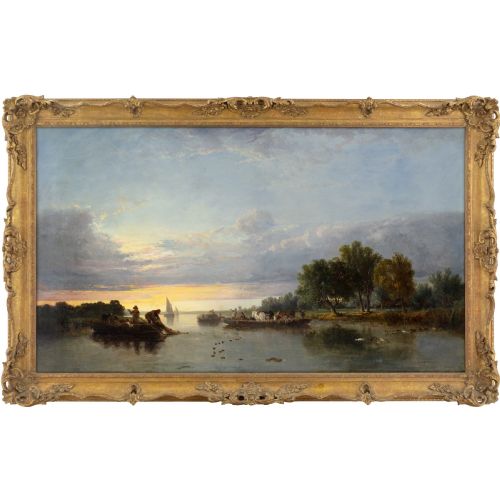
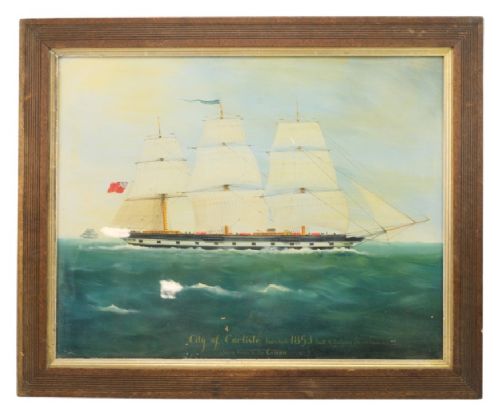
English school maritime art encompasses historic paintings and watercolours depicting coastal landscapes, ships, and coastal towns from the eighteenth century to the early twentieth century. Buyers seeking this category will discover depictions ranging from stormy seas and fishing boats to structured frigates and tranquil river scenes.
The pieces available span various eras including the Regency period, the nineteenth century, and the early twentieth century. Common subjects include specific historic vessels, Yorkshire coastal life associated with the Staithes School, and broader British impressionist marine views.
Most examples appear as oil paintings on canvas or card, alongside delicate watercolour paintings on paper. These artworks frequently retain their period frames, incorporating materials such as giltwood, gesso, and gold leaf.
Materials and construction
Artists of these maritime works applied oil paint onto stretched canvas or card, whilst others utilised watercolour pigments directly onto paper surfaces. These traditional painterly methods allowed creators to capture shifting light on water and atmospheric coastal weather conditions.
Frames play a significant role in the presentation of these works, constructed from wood finished with gesso and gold leaf to create ornate giltwood surrounds. Such framing techniques protect the edges of the canvas or paper whilst enhancing the visual impact of the painting.
Listings within English school maritime art span the eighteenth, nineteenth, and early twentieth centuries, executed in oil and watercolour.
Factors determining quality
Quality in these maritime works rests upon the artist's ability to render the movement of water, the rigging of vessels, and the atmospheric conditions of the sky with conviction. Stronger pieces demonstrate confident brushwork and precise topographical or nautical detail.
The condition and authenticity of the original period framing, particularly carved giltwood and gesso surrounds, contribute significantly to the overall integrity of the piece. Works attributed to recorded painters or specific regional groups tend to show greater artistic accomplishment.
George Morland·Arthur Tucker·William Wyld·Henry Barlow Carter·Percy Brooke·Thomas Bush Hardy·Henry Bright
The English School Maritime Art Glossary
- Giltwood
- Wood that has been coated with gold leaf or a gold-coloured finish. This material is frequently found on the ornate frames encasing nineteenth-century oil paintings.
- Gesso
- A plaster-like mixture applied to wooden frames as a base before gilding or painting. It allows craftsmen to mould intricate decorative details.
- Staithes School
- A group of artists influenced by impressionism who worked in the Yorkshire fishing village of Staithes. Their output frequently records local maritime life and coastal scenes.
- Frigate
- A historic warship with three masts, often depicted in naval and coastal art from the eighteenth and nineteenth centuries.
- Watercolour
- A paint consisting of pigment suspended in a water-based solution, typically applied to paper. This medium produces translucent effects well-suited to marine skies.
English School Maritime Art: Frequently Asked Questions
What subjects do these maritime paintings show?
The artworks depict coastal landscapes, historic frigates, fishing boats, and river scenes around the British coastline. Many capture specific locations in Yorkshire alongside dramatic stormy seas.
Subjects range from tranquil moonlit lakes to military vessels engaged in historical movements.
How should I hang and care for watercolour paintings?
Watercolour paintings on paper require protection from direct sunlight to prevent the pigments and paper from fading over time. They should be hung on interior walls away from excessive moisture and temperature fluctuations.
Ensuring proper framing behind glass helps shield the delicate paper surface from atmospheric dust and damage.
What is the difference between oil on canvas and watercolour?
Oil paintings utilise pigments bound in drying oils applied to canvas or card, offering rich textures and deep colour layering. Watercolours employ water-soluble pigments on paper, creating lighter and more translucent compositions.
Oils are generally more robust and traditionally housed in heavy giltwood frames, whilst watercolours require glazing for protection.
How can I identify the period of a maritime painting?
Dating often relies on the style of dress, the type of vessels depicted, and the construction methods of the accompanying wooden frame. Regency and eighteenth-century works display different stylistic conventions compared to late nineteenth-century pieces or the Staithes School.
Artist signatures, inscriptions, and labels on the reverse of the canvas or card provide further chronological clues.