


Antique Mourning Brooch
These antique mourning brooch examples are tactile keepsakes worked in gold, onyx, seed pearls and hair to remember the dead.
Antique Mourning Brooch
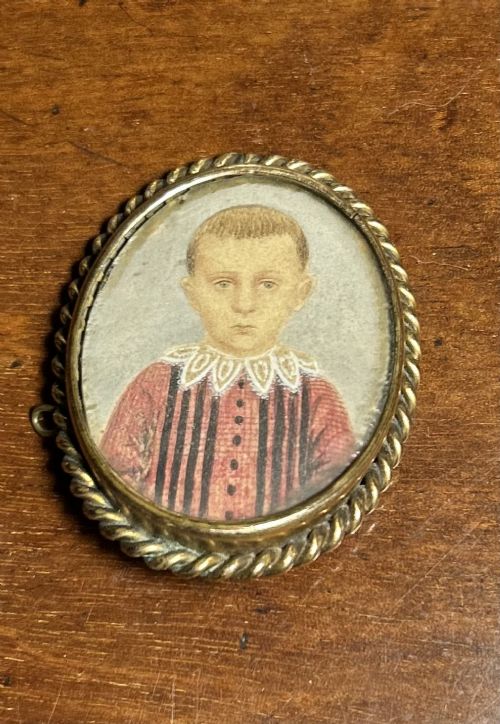
An antique mourning brooch is a commemorative jewel worn to mark the passing of a loved one, spanning the Georgian, Victorian and Edwardian eras. These pieces take forms such as bar brooches, lockets, crosses and buckle shapes designed to hold hair, portraits or inscriptions.
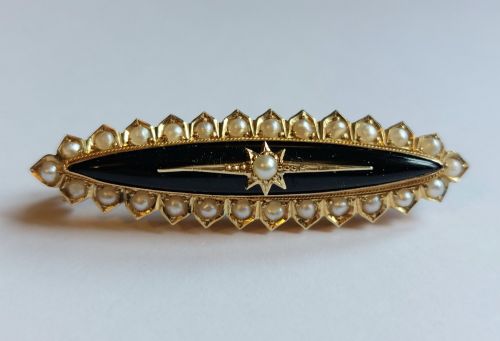
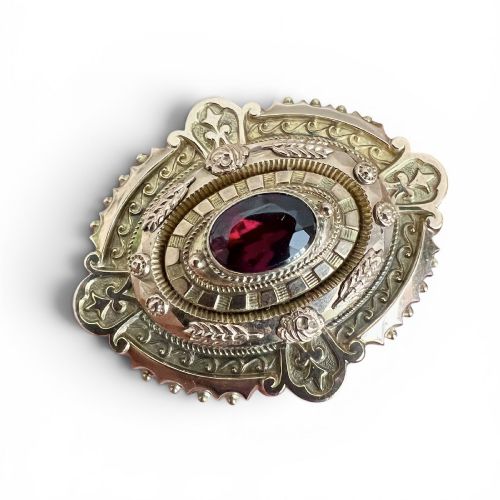
The versions most commonly met on this page belong to the Victorian period, frequently combining gold, seed pearls and dark stones like onyx or garnet. Georgian examples also appear, often featuring delicate hair work or flat cut garnets.
Mourning jewellery served a deeply personal function in past centuries, acting as both a public display of grief and a private remembrance token. Makers utilised symbolic motifs like the cross and the buckle to convey sentiments of faith and attachment.
How they were made
Gold forms the structural backbone of these jewels, appearing in grades from nine carat up to eighteen carat, alongside occasional silver mounts. Artisans combined these metals with glass, tortoiseshell and precious stones to create contrasting dark and light surfaces suited to sombre themes.
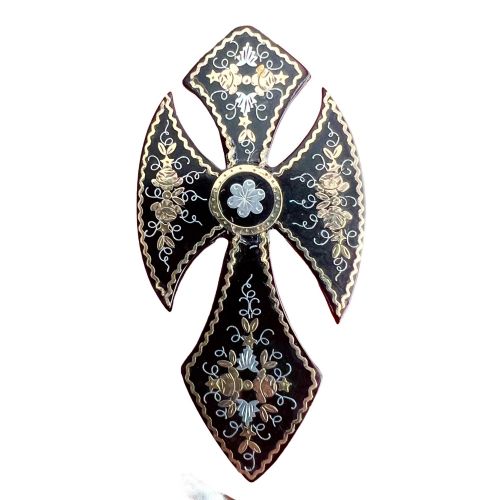
Pique work technique involved inlaying tiny pieces of gold and silver directly into a tortoiseshell base to form delicate geometric patterns. Hair work required meticulous arrangement of human hair beneath glass compartments, creating feathered or braided memorial designs.
Gemstone setting encompassed seed pearls, garnets, diamonds and black enamel work, often framed by rope-edge mounts. Metalwork styles ranged from plain polished gold to detailed Etruscan revival wirework.
Antique Mourning Brooch Retail Price Guide 2026
Typical asking prices for mourning brooch among the pieces listed under this phrase on Sellingantiques today, from the lower quarter to the upper quarter. They describe what is for sale here now, not the wider market.
The listings span the Victorian, Georgian and Edwardian periods, utilising materials from gold and silver to tortoiseshell, onyx and seed pearls.
What varies in quality
The standard of execution in hair work and miniature portraiture separates ordinary pieces from exceptional ones. Finely braided human hair arranged into precise botanical motifs demands a level of bench skill well beyond simple loose strands placed under glass.
Material selection dictates the upper tier of the range, where higher gold grades and well-matched natural seed pearls or clean garnets are employed. Lesser pieces rely on paste stones or lower purity gold alloys.
The integration of the mount and the complexity of decorative techniques such as pique work or enamel define the finish. A cohesive design where every element serves the memorial theme marks superior craftsmanship.
The Antique Mourning Brooch Glossary
- Pique work
- A decorative technique where tiny pins of gold or silver are embedded into a tortoiseshell or ivory ground to form patterns. This method gained great popularity during the Victorian era for small personal accessories.
- Seed pearl
- A very small, naturally occurring pearl, often unperforated or half-drilled, used to edge bezels or form floral clusters. These tiny pearls create a soft, luminous contrast against black enamel or onyx.
- Hair work
- The Victorian practice of cleaning, braiding and arranging human hair into decorative patterns to be placed inside a memorial jewel. It required considerable patience and specialised miniature tools.
- Flat cut garnet
- Garnet stones sliced flat on the face rather than faceted in the modern brilliant style, common in Georgian jewellery. This cut catches the light with a deep, dark red glow.
Antique Mourning Brooch: Frequently Asked Questions
What is an antique mourning brooch?
An antique mourning brooch is a commemorative jewel created to memorialise a deceased person, usually featuring elements like hair, portraits, black enamel or dark stones.
These pieces were worn during periods of bereavement and served as tangible links to departed family members.
How do I wear a mourning brooch?
These brooches pin securely to heavy fabrics such as woollen coats, tailored jackets or heavy scarves. Their substantial weight, particularly in locket or cross formats, requires a firm weave to support the mount.
They pair well with dark or neutral tones that complement the onyx, jet, tortoiseshell or dark gold of the piece.
How can I tell a Georgian brooch from a Victorian one?
Georgian brooches often feature closed-back settings where foil was placed behind stones to enhance colour, alongside delicate flat cut garnets and hair work under plain glass. Victorian examples tend to be heavier, incorporating Etruscan revival wirework, pique tortoiseshell and seed pearl clusters.
Construction details and mounting styles shift visibly between the late eighteenth century and the later nineteenth century.
What are these brooches made from?
The materials include gold in various carats, silver, tortoiseshell, glass, onyx, garnet, diamond and seed pearls. Enamel and human hair also appear frequently as core components of the memorial design.
Makers selected these durable, subdued materials to reflect the solemn character of remembrance jewellery.