




Gold Portrait Brooch
A gold portrait brooch combines miniature art and wearable metalwork, offering a personal glimpse into past centuries through painted likenesses and carved profiles.
Gold Portrait Brooch
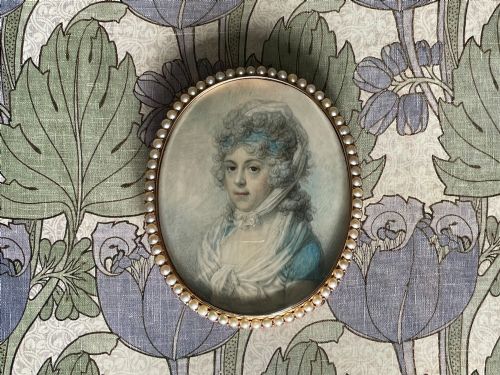
When you search for a gold portrait brooch, you encounter pieces spanning from the 18th century through the Victorian era and into the 20th century. These objects function as both miniature paintings and carved cameos housed in precious metal frames.
The selections on this page predominantly showcase Victorian and Georgian pieces, alongside examples from the 18th century, 1900, and mid-century. Forms range from dedicated brooches and pendant brooches to tabletop ornaments and stick pins.
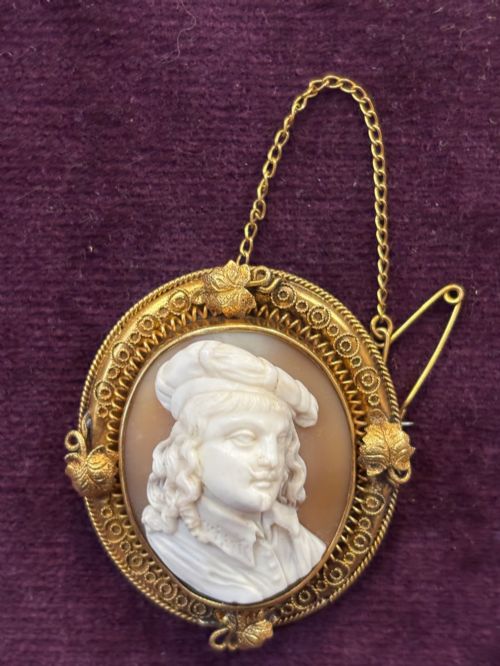
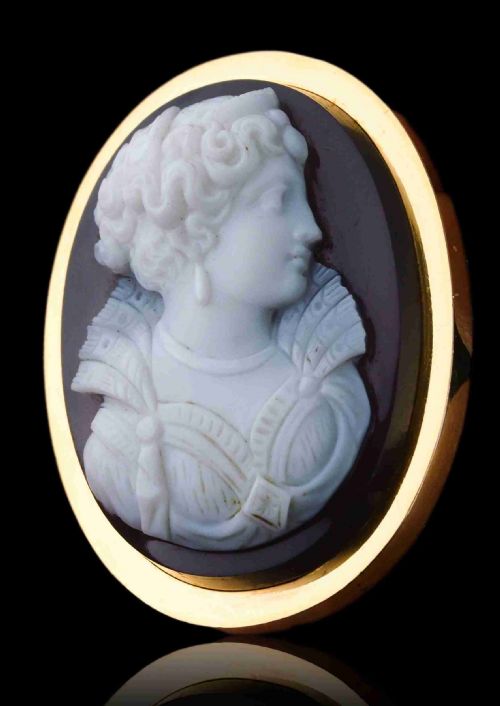
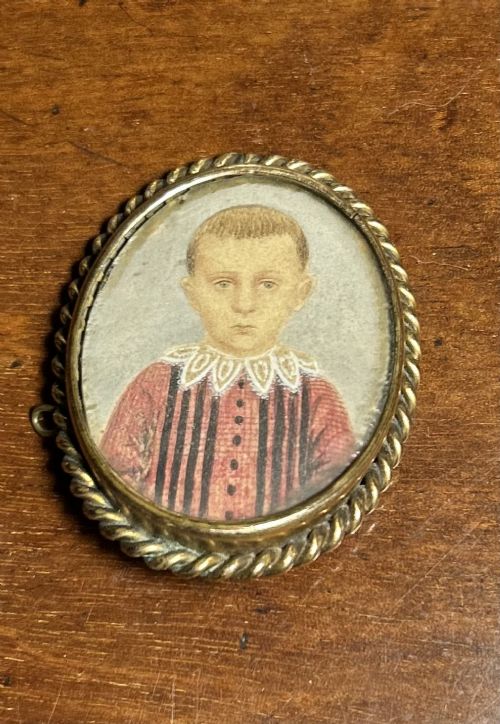
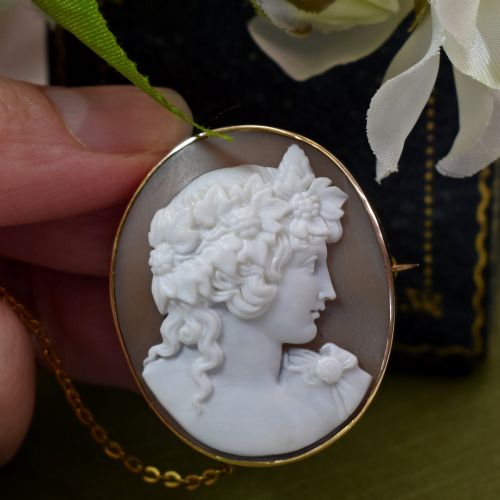
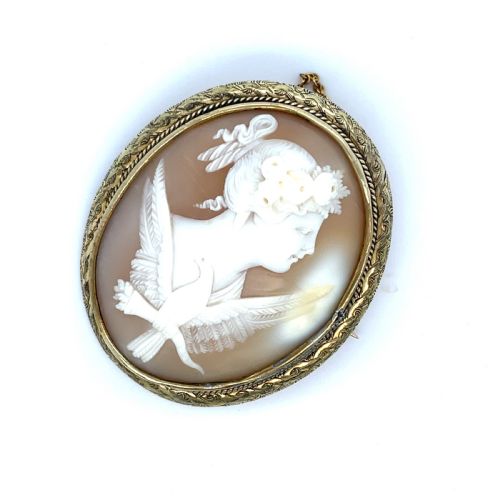
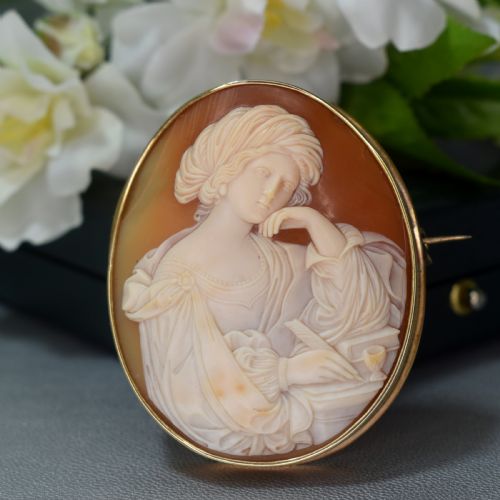
Subjects include specific historical figures like Bonnie Prince Charlie, classical deities such as Flora and Aphrodite, and private sitters rendered in watercolour or silhouette. Italian shell carving and French hardstone agate work frequently appear among these wearable portraits.
Materials and construction
Makers shaped natural materials such as shell, agate hardstone, coral, and pearl to create the central portraits and cameos. Artists also applied watercolour paints and silhouettes on glass for miniature likenesses.
Mounts and frames utilise varying purities of gold, including 9ct, 12ct, 14ct, 15ct, 18ct, and 20ct, alongside pinchbeck and silver. Detailed metalwork incorporates filigree settings, diamond accents, and enamel work to secure the central portrait.
Gold Portrait Brooch Retail Price Guide 2026
Typical asking prices for gold portrait brooch among the pieces listed under this phrase on Sellingantiques today, from the lower quarter to the upper quarter. They describe what is for sale here now, not the wider market.
Miniature portraits utilise watercolour and silhouette techniques on glass, complemented by carved hardstone and shell cameos.
Distinctions in quality
The depth and precision of the carving separate standard pieces from exceptional work, particularly in shell and agate cameos where facial expression and relief define the artistry. Miniature paintings show variance in the brushwork detail and the preservation of the subject's likeness.
The weight and complexity of the metal mount also influence the piece, ranging from simple bezels to substantial frames featuring pearls, enamel, and intricate gold filigree.
Richard Cosway·Christian Friedrich Zincke·John Miers·R. Pernice
The Gold Portrait Brooch Glossary
- Cameo
- A method of carving an object such as a shell or stone where a relief image stands out from a contrasting background. This technique highlights profile portraits of classical figures and historical personalities.
- Pinchbeck
- An alloy of copper and zinc developed to imitate gold. It frequently appears in Georgian jewellery frames.
- Portrait miniature
- A small, highly detailed painting on materials like ivory, vellum, or paper. These portable artworks often commemorate loved ones or public figures.
- Hardstone
- Stones such as agate used for carving intricate multi-layered cameos. This durable material allows for sharp, precise details.
- Filigree
- Ornamental work consisting of fine wire twisted into delicate patterns. Jewellers soldered these metal threads onto frames to decorate the borders of brooches.
Gold Portrait Brooch: Frequently Asked Questions
How do I wear a gold portrait brooch?
These pieces function traditionally as chest ornaments secured to lapels, heavy fabrics, or collars using integrated pin stems. Many examples also incorporate hidden loops to convert the brooch into a pendant necklace.
Heavier specimens require sturdy fabrics to support the weight of the gold mount and carved shell or stone without pulling the material.
What is the difference between shell and agate cameos?
Shell cameos utilise natural sea shells possessing distinct colour layers, carved by hand to reveal a white subject against a darker background. They offer organic warmth and delicate translucent qualities.
Agate cameos use hardstone minerals which provide greater durability and crisper, highly defined multi-coloured layers favoured by 19th-century French workshops.
How can I date a portrait brooch?
Dating relies on the fastening mechanisms, the style of the portrait, and the purity marks stamped into the gold frame. Georgian pieces often display closed-back settings and pinchbeck mounts, while Victorian examples frequently utilise shell carvings with 9ct or 18ct gold mounts.
Inscribed dates and maker signatures on the reverse provide definitive evidence of origin and period.
Were these brooches used as mourning jewellery?
Certain examples function as sentimental love tokens or memorial pieces designed to keep the likeness of a relative or spouse close. Hair compartments and dark enamel often accompany portrait miniatures intended for remembrance.
Other pieces celebrated classical art, mythology, or grand tour travels rather than personal mourning.