





Antique Miniature Pin
These antique miniature pin pieces are charming silver novelties and brooches shaped as animals, baskets, and household objects, prized by collectors for their intricate detail.
Antique Miniature Pin
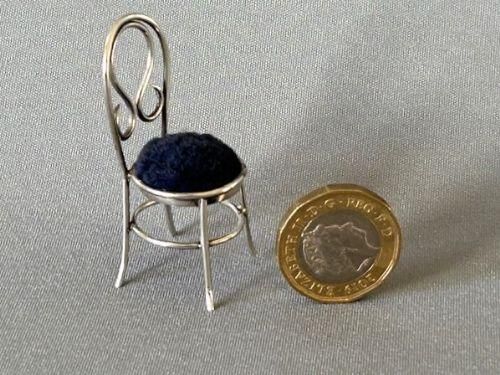
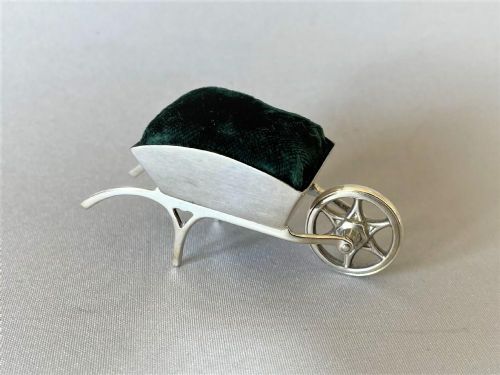
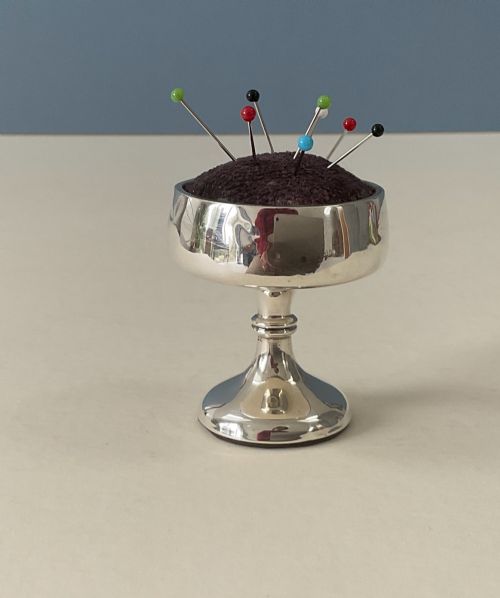
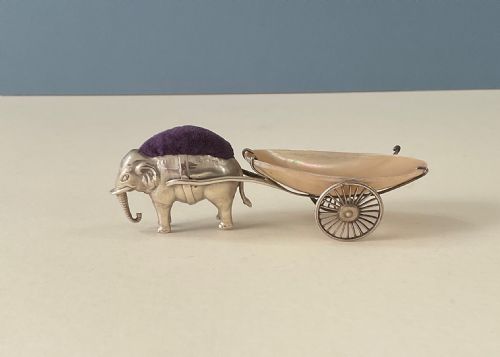
When you search for an antique miniature pin, you encounter small decorative items and silver novelties fashioned into recognisable everyday objects, animals, and seating furniture. The selection on this page centres heavily on diminutive silver pin cushions modelled as birds, chairs, wheelbarrows, and baskets, alongside portrait brooches and small dishes.
The evidence spans the Georgian, Victorian, Edwardian, and mid-century periods, with a strong representation of Edwardian novelty silver pieces. Alongside sculptural pin cushions, you find portrait brooches, painted porcelain, and agate-set kilt pins reflecting Scottish Revival and neoclassical tastes.
How they were made
Makers utilised solid sterling silver, gold, bronze, and ormolu, shaping metals through casting and delicate chased work to create diminutive forms. Many silver pieces incorporate velvet or fabric to serve as functional pin cushions within novelty figures.
Enamel, porcelain, glass, and china appear across brooches and dishes, often featuring hand-painted details or silhouette portraits under glass. Cold-painted bronze and champleve enamel techniques add colour and surface variation to small decorative items.
Silversmiths once cast solid silver pigs, frogs, and hatching chicks specifically to hold sewing pins on Victorian dressing tables.
What varies in quality
Quality rests upon the crispness of the casting and the proportion of the miniature form, particularly in novelty silver animals and small furniture where fine detailing defines the piece. Superior examples retain original velvet inserts and distinct hallmarks without excessive wear.
Painted elements such as enamel portraits, porcelain fruit, and cold-painted bronze finishes show varying degrees of preservation and hand-painted skill. Pieces by documented makers command greater attention due to superior metalwork and registered designs.
Sampson Mordan & Co.·John Miers·Wedgwood·Royal Worcester
The Antique Miniature Pin Glossary
- Novelty pin cushion
- A small silver container shaped as an object, animal, or piece of furniture designed to hold pins in household settings. These figures often depict birds, boats, or everyday tools.
- Cold-painted bronze
- A method where bronze sculptures are painted with non-heat-set paints, commonly seen in Austrian decorative pieces from the turn of the century. The technique relies on careful layering of colour by hand.
- Champleve enamel
- A technique where troughs or cells are hollowed out in a metal surface and filled with vitreous enamel before firing. This creates colourful decorative patterns on trays and dishes.
- Sterling silver
- A silver alloy containing substantial pure silver combined with other metals to increase durability. British pieces frequently display assay office marks indicating standard purity.
Antique Miniature Pin: Frequently Asked Questions
What are antique miniature pin cushions made of?
Most novelty pin cushions from the Victorian and Edwardian eras consist of solid sterling silver shaped into whimsical forms like animals, chairs, and wheelbarrows. These silver bodies house velvet or fabric pads intended for holding pins.
Other examples incorporate materials such as pine wood, porcelain, or bronze, reflecting the diverse domestic uses of small-scale decorative objects from the period.
How do I date an antique silver pin cushion?
Dating relies heavily on British silver hallmarks stamped onto the metal, which record the assay office, standard, and specific year letter code. Maker marks also help identify the silversmith and active production period.
Stylistic cues such as Edwardian novelty designs or Georgian neoclassical motifs provide additional context when hallmarks are rubbed or absent.
Were these miniature pins meant for everyday use?
Many silver novelty pin cushions sat upon dressing tables and desks as decorative ornaments that doubled as functional sewing accessories. Their small scale suited the Victorian and Edwardian taste for whimsical tabletop novelties.
Brooches and kilt pins served as personal adornment, securing garments while displaying materials like agate, enamel, or portrait miniatures.
What is a novelty silver pin cushion?
A novelty silver pin cushion is a small sculptural container cast in the shape of an animal, vehicle, or household item with a fabric pad inserted for pins. Popular shapes included birds, domestic animals, and miniature furniture.
Silversmiths produced these items in large quantities during the late nineteenth and early twentieth centuries for collectors and fashionable households.