



Vintage Portrait Pin
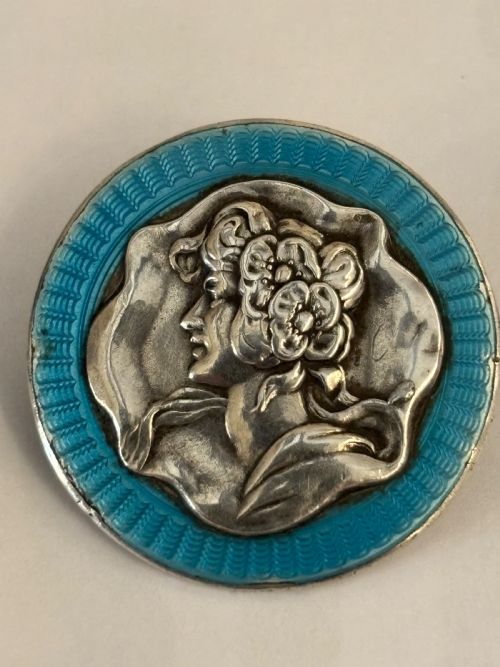
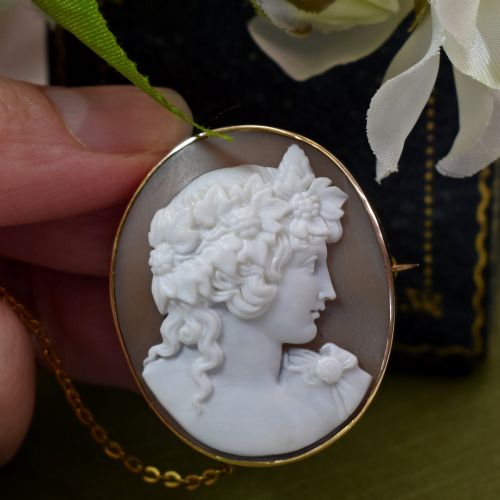
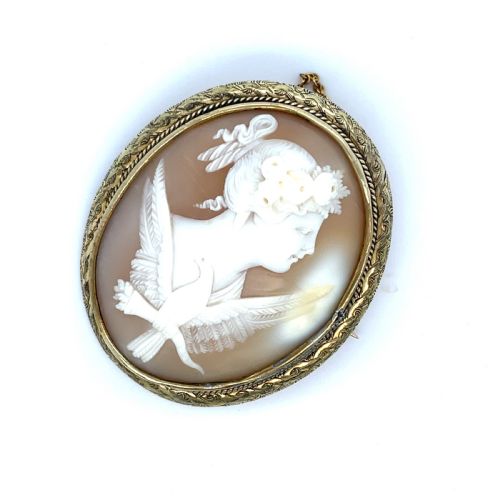
These vintage portrait pin examples present miniature likenesses and classical profiles set in precious metal frames, offering wearable history with distinct character.
Vintage Portrait Pin
A vintage portrait pin brings together wearable likenesses and classical cameos, spanning periods from the Georgian era through to the Art Deco decades. When you search for this phrase, you encounter brooches and pendant combinations created in various styles.
The most common examples you meet on this page include shell cameos and silver mounted portrait pieces, alongside enamel designs depicting religious figures and sentimental subjects.
Makers drew on Georgian Neoclassical, Victorian Grand Tour, Art Nouveau, and Edwardian aesthetic traditions, shaping how these miniature artworks appear today.
Materials and construction methods
Makers carved natural shell to produce layered cameo portraits, mounting the results in silver, pinchbeck, or solid gold frames ranging from nine to fifteen carats. These combinations require precise hand work to secure fragile carved materials within sturdy metal settings.
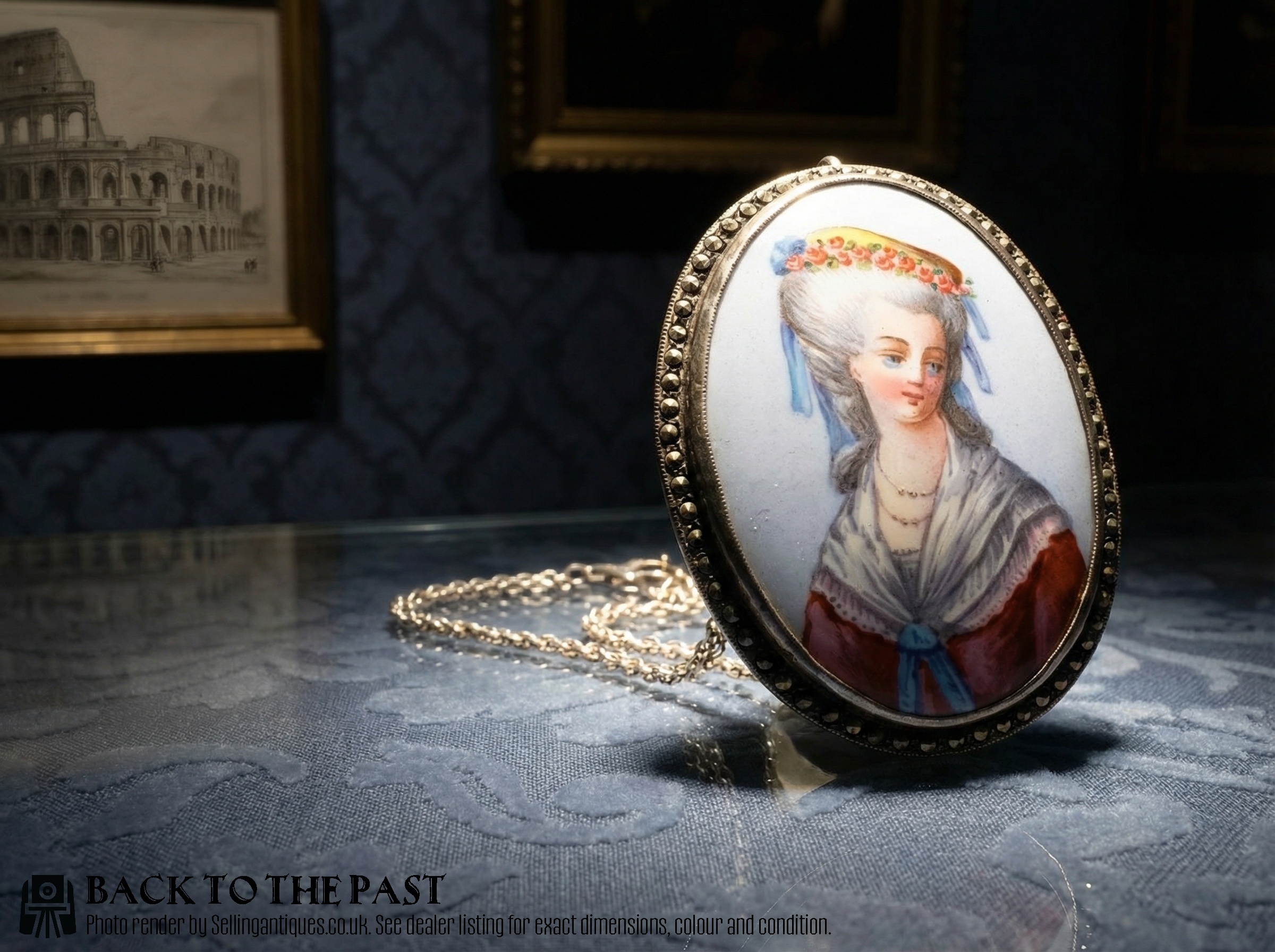
Vitreous enamel and glass appear alongside painted china segments, often framed by silver or gold gilt work. Metal components display period hallmarks or traditional mount construction techniques characteristic of nineteenth and early twentieth century workshops.
Current listings span the Georgian, Victorian, Edwardian, and Art Deco periods, utilising shell, silver, gold, and enamel.
Judging execution and material quality
The choice of setting metal and the preservation of enamel or gilding distinguish finer examples. Solid gold frames and intact vitreous enamel indicate higher workshop standards than base metal or gilt alternatives.
The Vintage Portrait Pin Glossary
- Cameo
- A method of carving an object such as a shell or stone so that a raised relief image stands out from a background. This technique creates the portrait effect seen in many Victorian and nineteenth century brooches.
- Guilloche enamel
- A decorative technique where transparent enamel is layered over machine turned metal engraving. This process produces repeating geometric patterns beneath a glossy coloured surface.
- Pinchbeck
- An alloy of copper and zinc invented in the eighteenth century to imitate gold. It provides a warm metallic tone often found in antique jewellery frames.
- Grand Tour
- A cultural journey undertaken by nineteenth century travellers who acquired souvenirs such as Italian shell cameos. These pieces reflect classical art and mythological subjects.
- Vitreous enamel
- A material made by fusing powdered glass to a metallic substrate at high heat. It forms a durable and vibrant coloured coating on silver or gold mounts.
Vintage Portrait Pin: Frequently Asked Questions
What is a portrait pin?
A portrait pin is a wearable ornament featuring a carved cameo, painted miniature, or enamel likeness of a person or classical figure. These items function primarily as brooches or pendant combinations.
They emerged from various historical movements, capturing sentimental subjects, religious icons, and classical profiles in precious metal settings.
How do I date a cameo pin?
Dating relies on examining the frame style, metal purity marks, and the carving technique of the central subject. Georgian and Victorian pieces often feature specific clasp types and mount constructions.
Material choices like pinchbeck or solid gold, alongside stylistic cues from Art Nouveau or Edwardian periods, help narrow down the decade of creation.
Were these worn daily?
Many Victorian and Edwardian examples served as everyday fastenings for lace, collars, or shawls. Sentimental love tokens and memorial pieces held personal significance for the original owners.
Heavier monumental shell cameos in solid gold frames were likely reserved for formal attire rather than routine daily wear.
How should I care for enamel pins?
Enamel and shell require gentle handling to prevent scratching, impact damage, or moisture exposure. Cleaning should involve only a soft dry cloth without harsh chemical dips.
Store them individually away from other hard jewellery items to protect delicate metal mounts and vitreous surfaces.