
Antique Pendant Brooch
An antique pendant brooch offers dual wearability, transforming seamlessly from a chest ornament to a neckpiece.
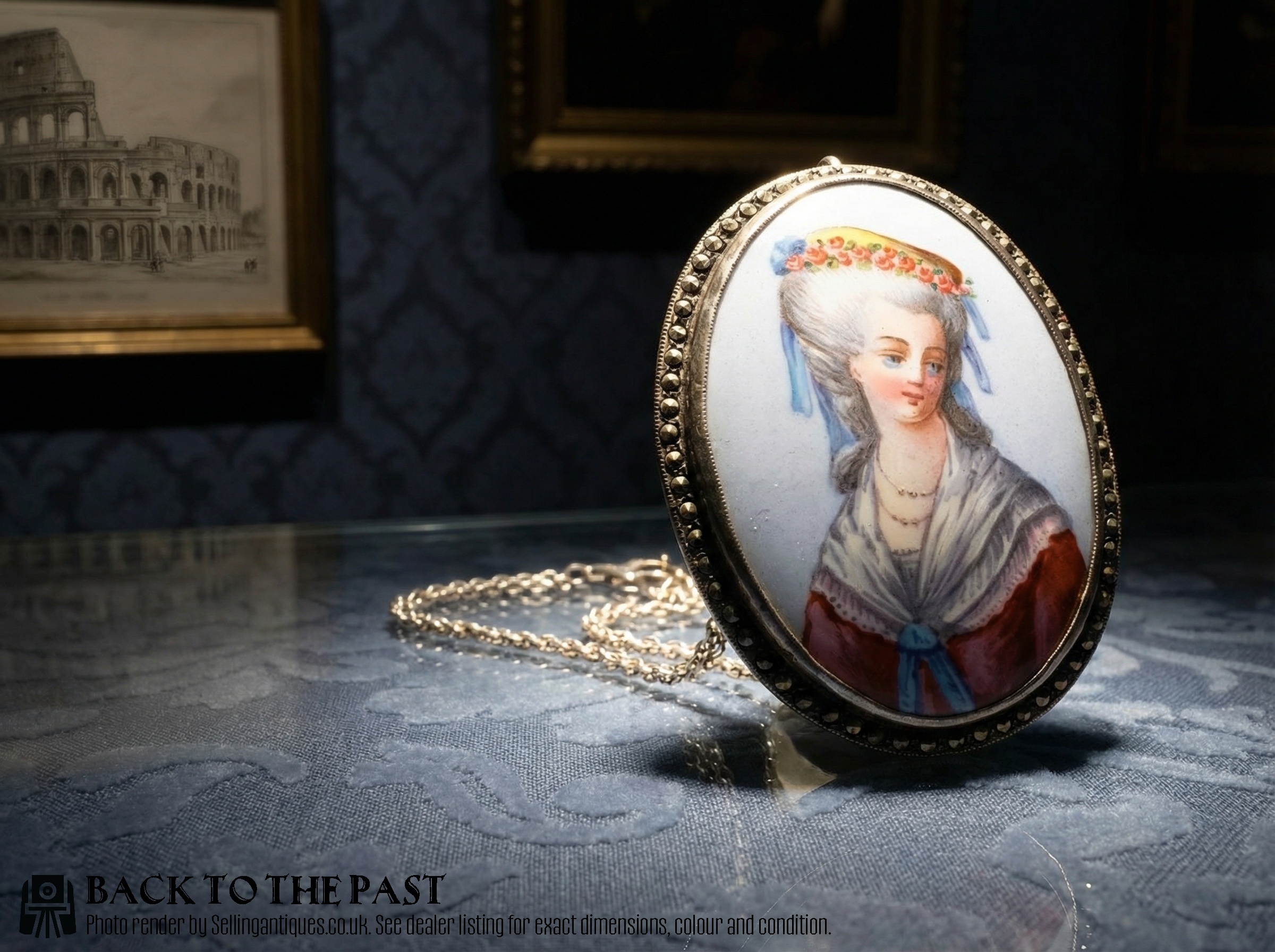
Antique Pendant Brooch
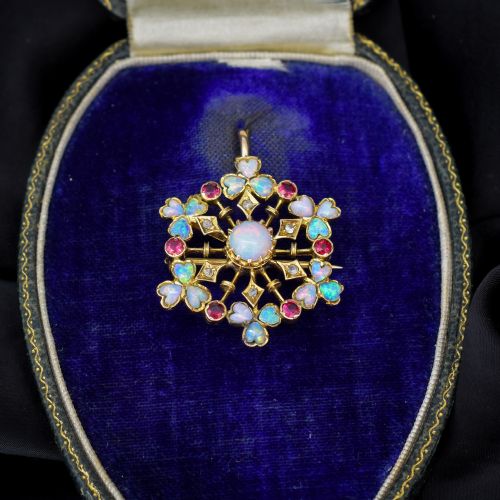
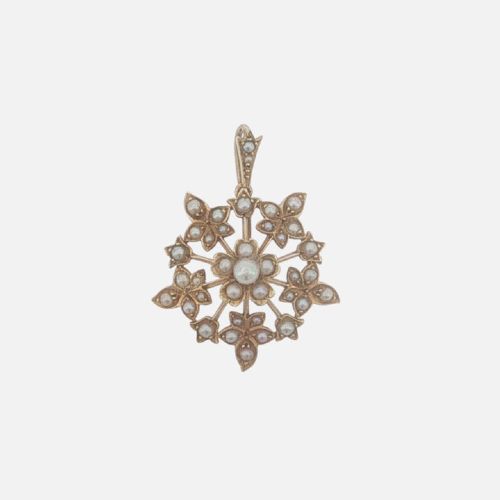
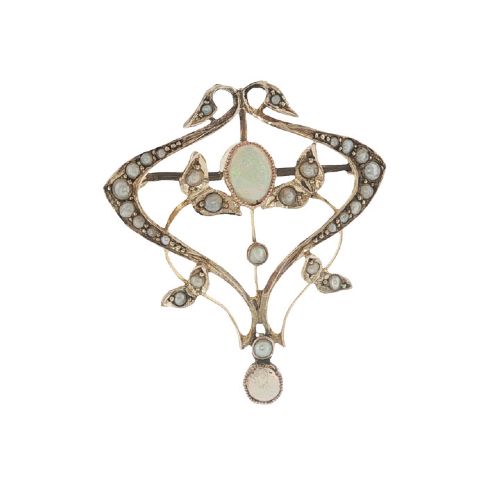
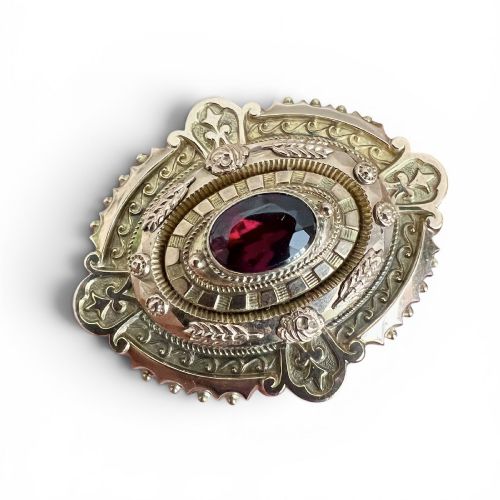
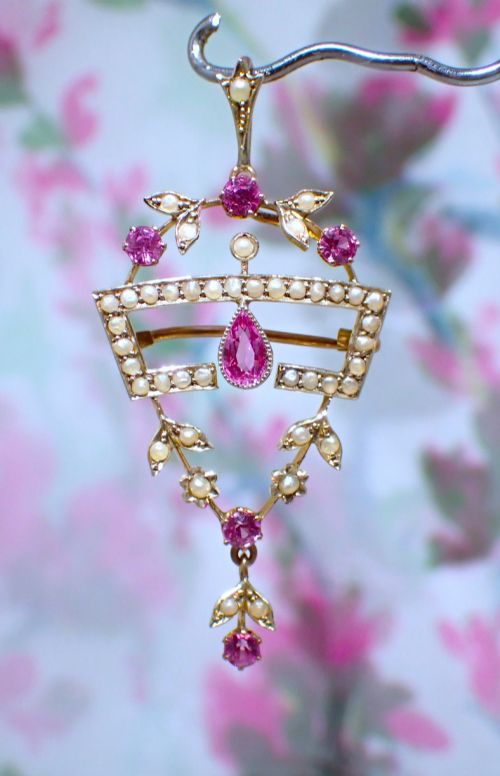
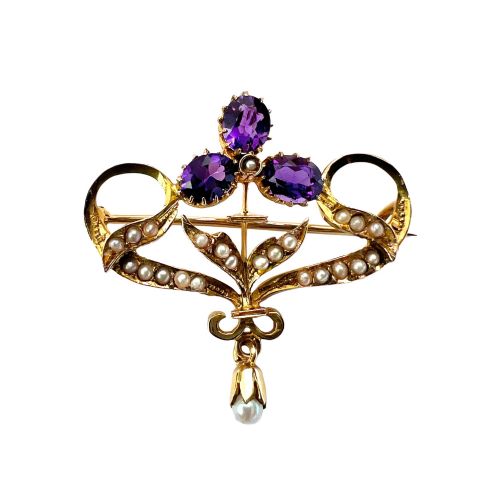
An antique pendant brooch is a versatile item of jewellery engineered to function both as a pinned brooch and a suspended pendant. These pieces frequently feature detachable bails, hidden loops, or screw-in pin stems that allow the wearer to thread a chain through the frame or secure the piece directly to fabric. The form spans several eras, appearing with regularity in Victorian, Edwardian, and Art Nouveau designs.
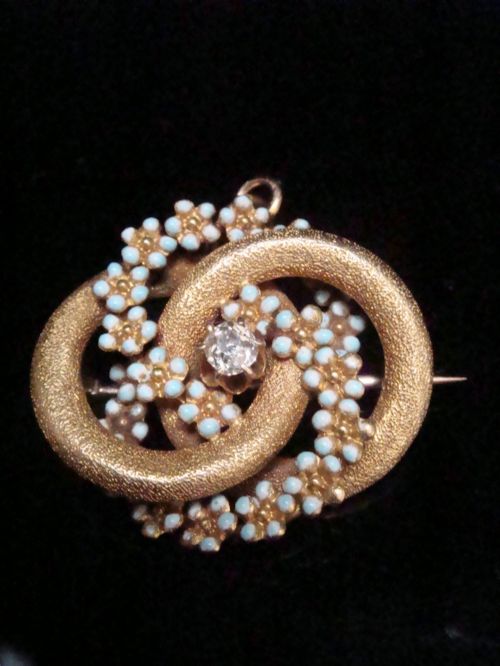
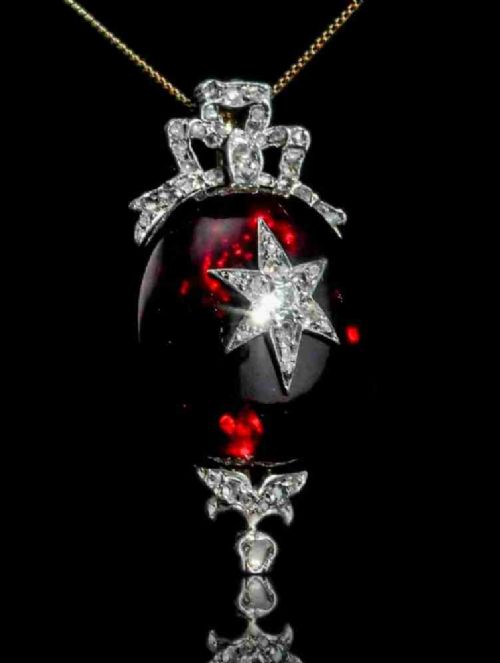
Makers of the nineteenth and early twentieth centuries favoured multi-functional pieces to maximise utility and display complex gemstone arrangements. Common configurations include starbursts, floral clusters, and devotional motifs such as hearts or lovers' knots set with diamonds, seed pearls, and coloured stones. Many surviving examples retain fitted loops designed specifically for interchangeable drops or sliding ribbons.
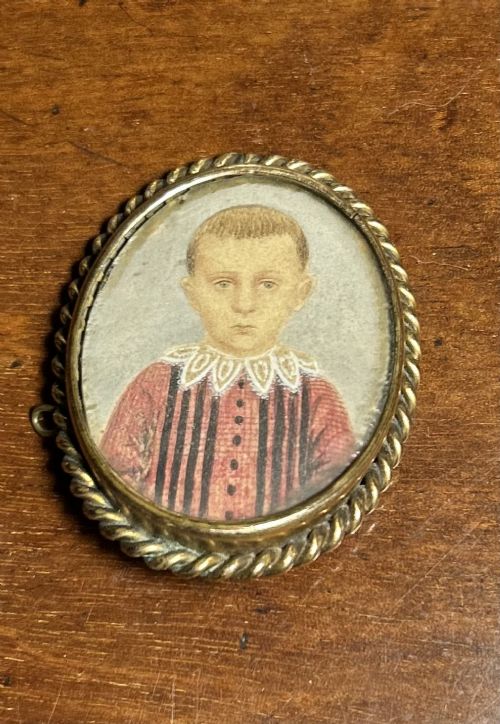
Collectors encounter diverse structural variations ranging from rigid geometric mountings to fluid, organic floral wreaths. The pieces bridge the gap between ornamental dress accessories and fine pendant necklaces, often accommodating small portraits, hair compartments, or locket backs behind the primary stone setting. This dual utility makes the form a practical addition to period jewellery collections.
Metals and Mountings
Goldsmiths constructed these convertible jewels using varied carats of yellow gold, frequently pairing silver top-mounts with gold backs to optimize the white reflection of diamonds. High-carat metals such as fifteen-carat and eighteen-carat gold provide the structural strength needed for delicate wirework, granulation, and integrated box hinges. Platinum appears in later Edwardian and transitional pieces, offering a strong, fine claw-setting for precious stones.
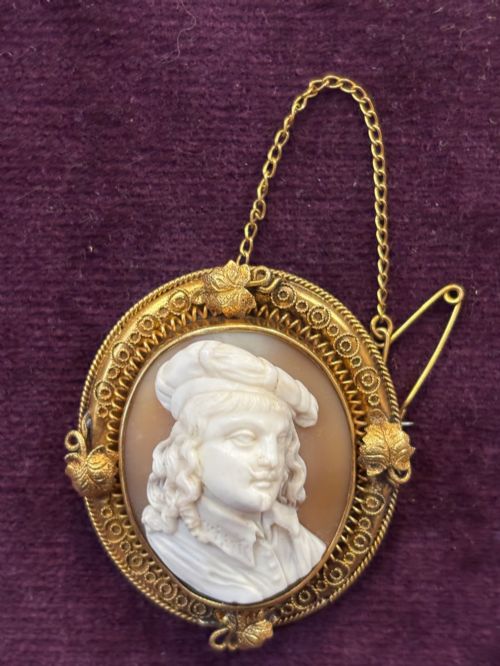
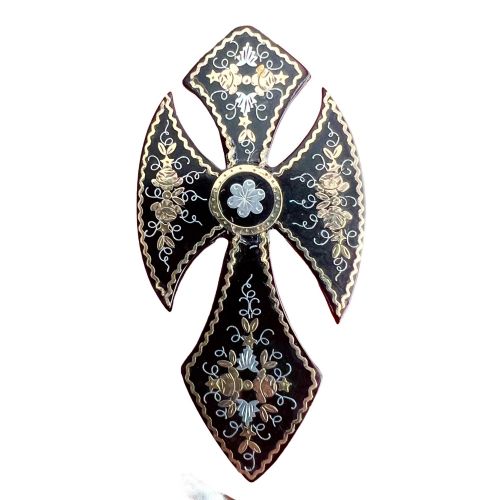
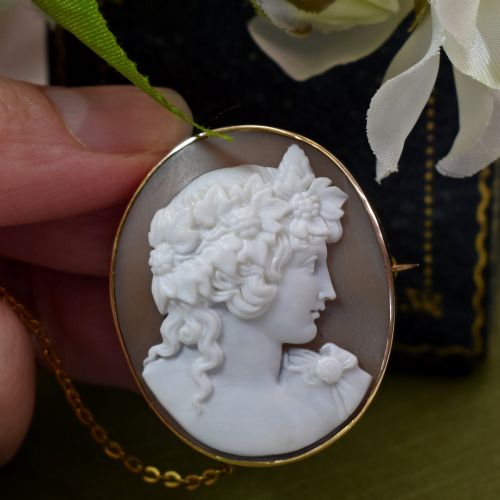
Techniques varied from cast or stamped frames to intricate hand-carved shell cameos and layered enamel work. Master jewellers utilised repoussé, piqué inlay, and Etruscan Revival wire granulation to decorate the reverse and bezels of the mounts. Gemstones are secured using claw settings, closed-back foil-backed settings in earlier Georgian pieces, or flush gypsy mounts on daily wear items.
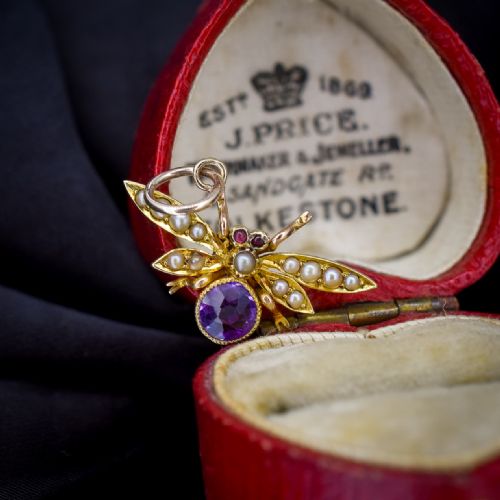
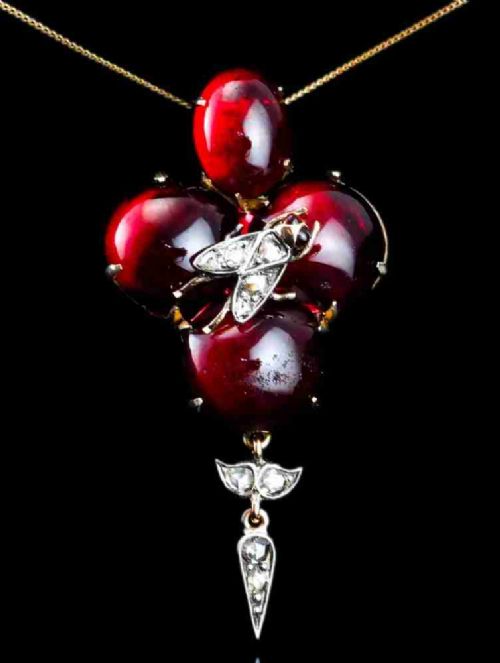
Several insects have landed permanently in fifteen-carat gold, capturing walking sticks, flies, and spiders frozen in eternal ascent.
Craftsmanship and Survival
Quality rests in the integrity of the conversion mechanism and the crispness of the hand-carved or chased metal details. Superior examples retain original pin fittings, sturdy safety catches, and well-concealed suspension loops that do not compromise the front aesthetic of the design. Lesser pieces show signs of post-conversion alterations where modern loops were soldered onto older brooches without regard for balance.
The choice and matching of natural gemstones dictate the upper tier of the market, particularly in multi-stone starbursts and floral sprays. Fine hand-carved cameos in sardonyx or shell display sharp profile relief and anatomical accuracy, whereas lower-quality iterations rely on softer moulding or commercial blanks. Enamel preservation also marks distinction, separating pieces with flawless guilloche surfaces from those showing structural chipping or thermal repairs.
the Gaskins·Christian Friedrich Zincke
The Antique Pendant Brooch Glossary
- Bail
- The small hinged or fixed loop attached to the top of a brooch frame that allows a chain to pass through for suspension as a pendant.
- Guilloche
- An ornamental pattern engraved mechanically onto a metal surface under translucent enamel layers. This technique creates a repeating wave or sunburst effect beneath coloured glass.
- Piqué
- A decorative technique involving tiny inlaid points of gold, silver, or mother-of-pearl pressed into a tortoiseshell or organic base material.
- Repoussé
- A metalworking method where the artisan hammers the design from the reverse side to form raised low-relief ornamentation on the front face.
- Collet
- A raised metal collar or band that surrounds and secures a gemstone within its mounting.
- Lavaliere
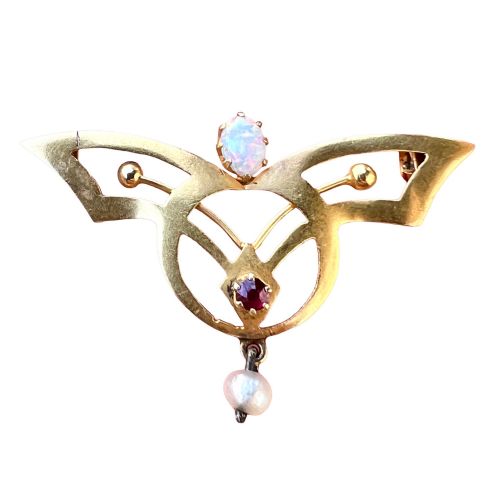
- A pendant design featuring a central stone or motif with one or more dangling drops suspended below the main body.
Antique Pendant Brooch: Frequently Asked Questions
How do I wear an antique pendant brooch?
These pieces include a fold-down or removable pin stem alongside an integrated hidden bail or loop at the top. You can secure the piece to a lapel or collar using the pin, or slide a gold chain through the loop to wear it around the neck.
Verify that the pin catch locks securely before attaching it to delicate fabrics. When suspended from a chain, ensure the brooch pin sits flat against the backing or locks firmly into its safety clasp to prevent snagging.
Are all antique brooches also pendants?
Not every brooch from the nineteenth century was built with dual functionality. Many early pieces feature only a pin stem and hinge without any provision for a suspension loop.
Jewellers often added bails or rings during later decades to update older family pieces for contemporary fashion. Inspect the reverse of the mount near the top edge for soldered loops or hinged rings to confirm if the conversion is original.
How do I care for antique gemstone settings?
Antique settings often rely on closed backs or foil linings that can be damaged by immersion in water or ultrasonic cleaning solutions. Use a soft, dry cloth to remove surface dust and avoid exposing seed pearls or turquoise to harsh chemicals and perfumes.
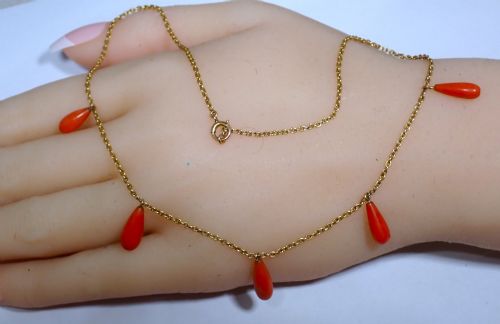
Store each piece individually in a lined box to prevent scratching softer organic gems like shell, coral, and pearl. Period settings should be checked periodically by a specialist to ensure old-cut stones remain tight in their claws.
How can I tell the Victorian period from the Edwardian era?
Victorian pieces typically display warmer yellow gold, heavier proportions, and motifs inspired by nature, sentiment, or archaeological revivals. These often feature rich garnet, heavy gold work, and hand-carved shell cameos.
Edwardian jewellery shifts toward lighter mountings in platinum and lower-carat white or yellow gold, emphasising airy garland styles, diamonds, and cool-toned peridots or aquamarines. The introduction of platinum allowed for delicate millegrain edges that set the later period apart from heavier Victorian construction.