


English Silver Jewellery
English silver jewellery spans delicate Edwardian brooches and bold Art Deco cufflinks designed to endure.
English Silver Jewellery
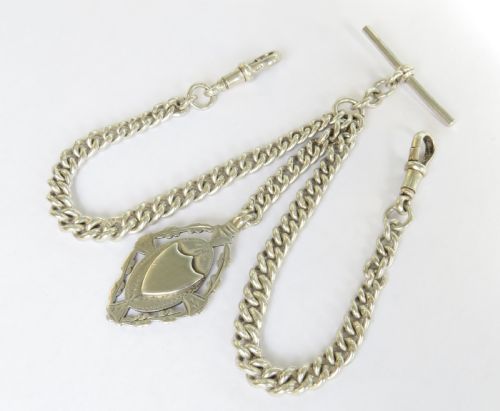
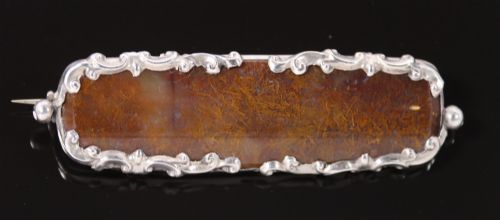
Pieces from the Edwardian era and the Arts and Crafts movement appear frequently, alongside geometric Art Deco designs from the 1930s. The assortment moves fluidly from Georgian moss agate brooches to substantial silver watch chains with fobs.
Materials and construction methods
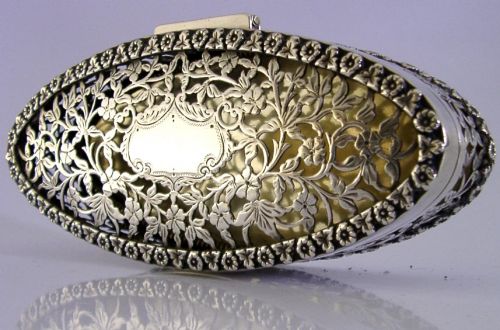
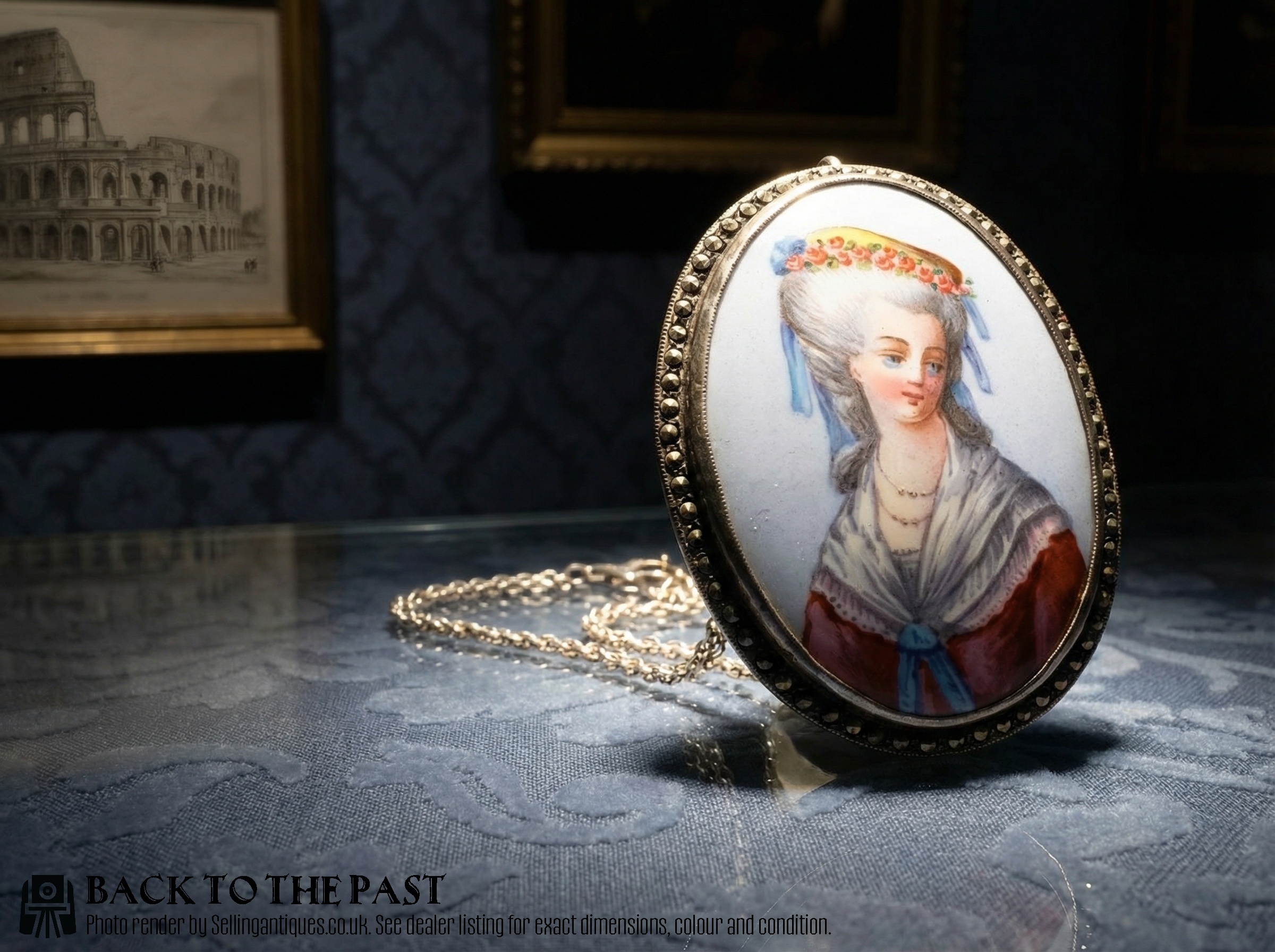
Silversmiths utilised sterling silver as the primary structural metal, often enhancing designs with vitreous enamel, tortoiseshell, moss agate, and pearls. Enamelling techniques applied translucent colour over engine-turned guilloche patterns to catch the light.
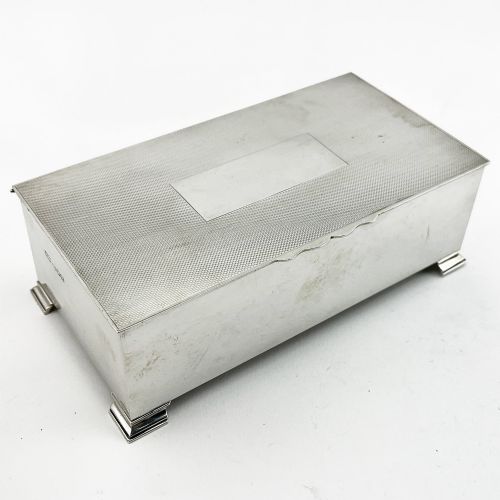
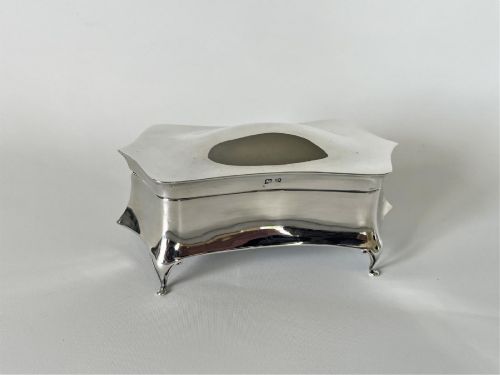
Construction methods combine hand-piercing and bezel-setting for stones with structural box framing lined in velvet or silk. Makers incorporated hinges and clasps engineered to withstand daily wear while maintaining decorative harmony.
A hunting trophy brooch records a successful day in Devon with an otter foot cast directly in solid silver.
Quality variations across periods
Quality rests upon the crispness of the silversmith's chasing and the integrity of applied elements like enamel or tortoiseshell. Superior items display clean hallmarks and secure stone settings without excess solder.
The weight of the silver and the complexity of decorative motifs distinguish standard production items from workshop pieces created by noted silversmiths. Details such as fitted velvet interiors and figural repoussé work elevate the standard of the piece.
Mappin and Webb·Walker and Hall·Elkington and Co·Goldsmiths and Silversmiths Co·William Hutton
The English Silver Jewellery Glossary
- Sterling silver
- An alloy containing 92.5 percent silver by mass, with the remainder consisting of other metals like copper to add strength. This standard has served as the baseline for British silverware for centuries.
- Guilloche
- A decorative engraving technique where a precise mechanical pattern is etched into a metal surface. Enamel is frequently layered over this work to create depth and shimmer.
- Repoussé
- A metalworking method where the smith hammers the silver from the reverse side to form a raised design in relief. It requires immense skill to achieve balanced proportions.
- Hallmark
- An official stamp applied by an assay office indicating the purity of the metal, the maker, and the year of testing. British silver relies heavily on these marks for dating.
- Fob
- A small ornament attached to a pocket watch chain, often cast in silver or mounted with a stone. These items frequently doubled as personal seals.
English Silver Jewellery: Frequently Asked Questions
How do I date english silver jewellery?
Dating relies primarily on the stamped assay office marks, maker's initials, and date letters found on the silver components. Stylistic markers such as enamel colours and geometric motifs further narrow down the decade of production.
Items lacking full hallmarks can often be attributed through construction techniques, patented clasps, and the specific types of stones or organic materials utilised in the mountings.
What is the difference between sterling and silver plate?
Sterling silver consists of solid metal alloyed to standard purity throughout its entire mass, ensuring it can be polished indefinitely without losing its base material. Silver plate involves a thin layer of silver bonded to a base metal core.
Examining the hallmarks reveals whether an item is solid sterling or plated, as British assay offices applied strict legal standards to solid silver items.
How should I clean antique silver items?
Cleaning requires a soft microfibre cloth and specialised silver polish formulated to remove tarnish without stripping away delicate details or chasing. Harsh chemical dips should be avoided, particularly on items featuring enamel, tortoiseshell, or fabric linings.
Store the pieces in dry environments away from direct sunlight to minimise tarnishing and protect organic elements like pearls and moss agate from humidity.
Why do some pieces include tortoiseshell?
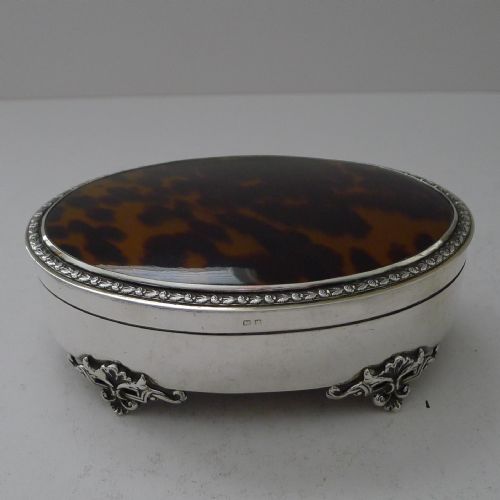
Tortoiseshell was utilised as a contrasting dark background that enhanced the brilliance of inlaid silver piqué work or mounted silver frames. The material was carefully heated and pressed into position over metallic foils.
Because authentic tortoiseshell requires gentle handling, items incorporating it were typically reserved for dressing table boxes and fine trinket containers rather than heavy daily wear.