


1930s Silver Brooch
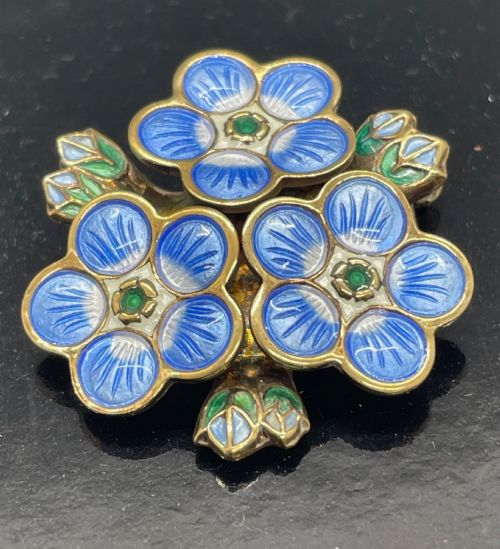
A 1930s silver brooch delivers the clean geometry and rich colour of the period through sterling silver, enamel and paste.
1930s Silver Brooch
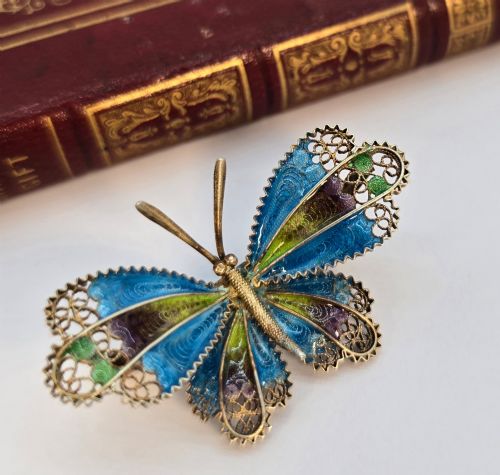
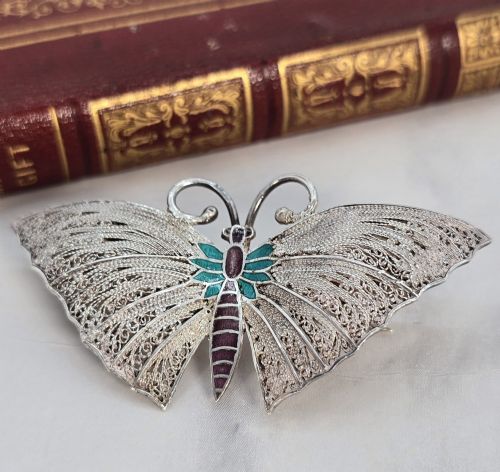
A 1930s silver brooch embodies the distinct aesthetic of the interwar years, appearing frequently in forms such as butterflies, winged insects, geometric dress clips and double hearts. These pieces reflect the prevailing design movements of the decade, drawing heavily on Art Deco symmetry alongside Scandinavian Modernist and Chinese export traditions.
Buyers seeking a 1930s silver brooch will find examples ranging from small everyday accessories to large statement pieces that double as pendants or separate into dress clips. Continental and Scandinavian workshops dominate the selection, bringing vibrant coloured enamel work to the forefront of the inventory.
How they were made
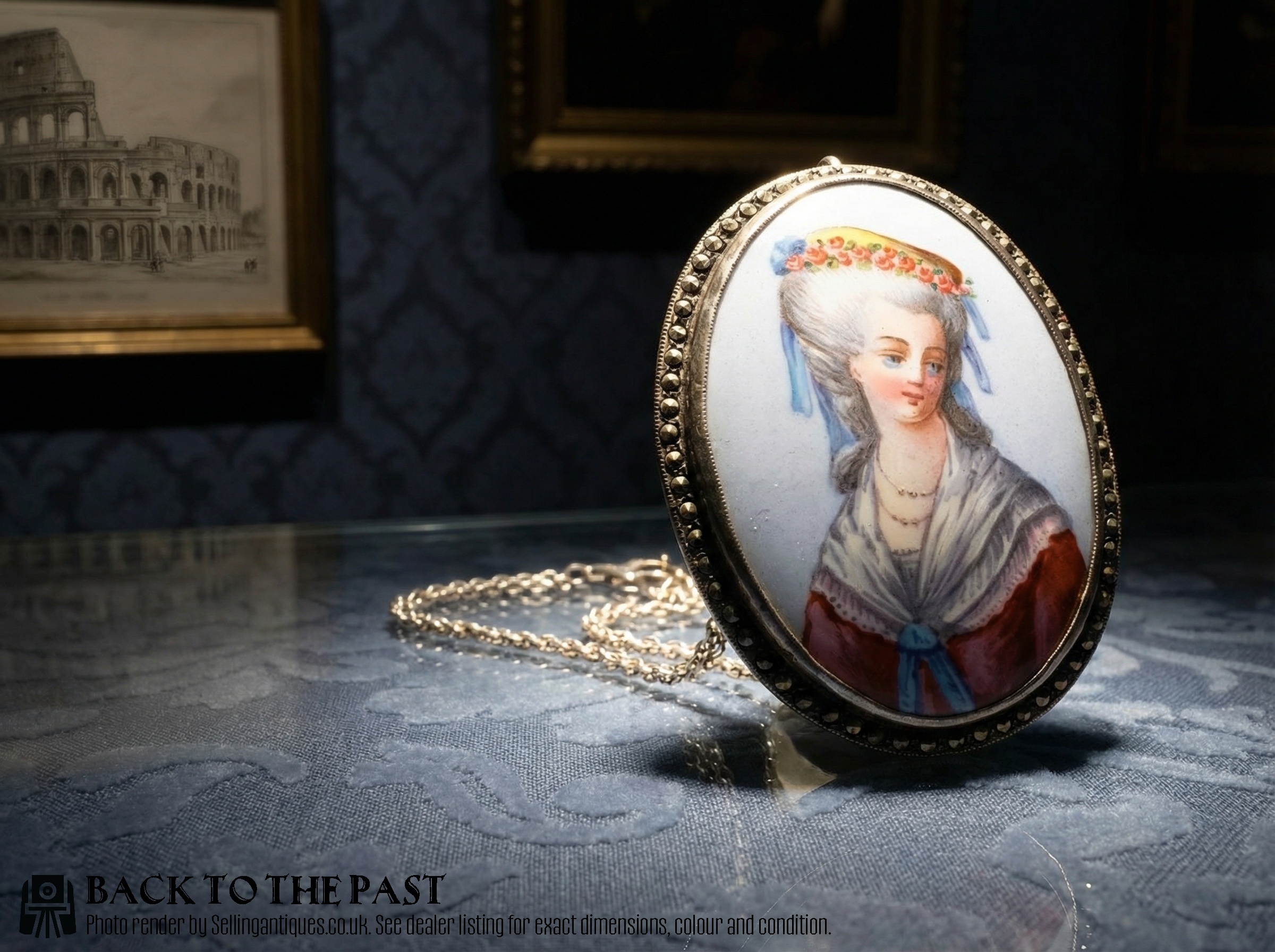
Silversmiths constructed these pieces primarily from sterling silver, silver gilt and platinum, often incorporating intricate filigree wirework or cast frames. Gemstones such as diamonds and sparkling glass paste provide contrast, while marcasite stones add a dark, metallic twinkle to the silver settings.
Enamel serves as the primary medium for colour, applied using guilloché techniques over engine-turned metal grounds or fired in translucent layers to depict wings and plumage. Galalith and butterfly wings also appear as decorative inlays, secured within metal bezels by hand.
Insects take flight here in enduring metal, with butterflies, dragonflies and even a solitary moose captured in silver and enamel.
What varies in quality
The sophistication of the enamel work dictates much of the distinction across these pieces, with engine-turned guilloché patterns offering greater depth than flat, opaque applications. Master workshops employ translucent enamel over finely textured silver bases to catch the light from multiple angles.
Complexity of construction separates standard production items from finer studio pieces, particularly in the precision of silver filigree and the integration of multifunctional mechanisms like duette dress clips. The presence of named maker marks and higher-grade gemstones further elevates the standard of individual examples.
David Andersen·Georg Jensen·Jakob Bengel
The 1930s Silver Brooch Glossary
- Guilloché enamel
- Enamel applied over a metal surface that has been machine-engraved with an intricate geometric pattern. This technique creates a shimmering, dimensional effect beneath the translucent glass.
- Silver gilt
- Sterling silver that has been coated with a thin layer of gold. It provides a warm, rich tone that complements brightly coloured enamel work.
- Dress clip
- An ornament featuring a dual-prong clip mechanism on the reverse, designed to be worn on the neckline or lapel, and often separable into two individual brooches. They define the adaptable fashion of the era.
- Marcasite
- Small, faceted pieces of pyrite set closely into silver mounts to resemble sparkling gemstones. The dark metallic lustre contrasts sharply with polished white silver.
- Filigree
- Delicate jewellery work formed from fine intertwined threads of silver soldered together in openwork patterns. It requires immense manual dexterity to execute successfully.
1930s Silver Brooch: Frequently Asked Questions
How do I wear a dress clip brooch?
Dress clips secure to garments using a hinged toothed mechanism on the reverse rather than a traditional pin stem. They sit firmly on lapels, necklines or straps.
Many examples split into two separate clips, allowing you to wear them symmetrically on either side of a collar or joined together as a single brooch.
What is the difference between Art Deco and Modernist brooches?
Art Deco brooches from this decade favour symmetrical geometry, stylised motifs like butterflies, and the sparkle of diamonds, paste or marcasite. They draw on classical elegance and sleek lines.
Modernist pieces lean towards industrial forms, clean metallic planes and unadorned geometric shapes, often associated with innovative German and Scandinavian design studios.
How do I care for enamelled silver jewellery?
Enamel is essentially coloured glass fused to metal, so it requires gentle handling to prevent chipping or scratching against hard surfaces. Store each piece separately in a soft pouch.
Clean the silver components with a soft polishing cloth while avoiding harsh chemical dips that can damage fragile enamel or dislodge paste stones.