



Antique Sentiment Jewellery
Antique sentiment jewellery carries whispered messages of love and remembrance through rings, lockets and brooches crafted in gold, silver and enamel.
Antique Sentiment Jewellery
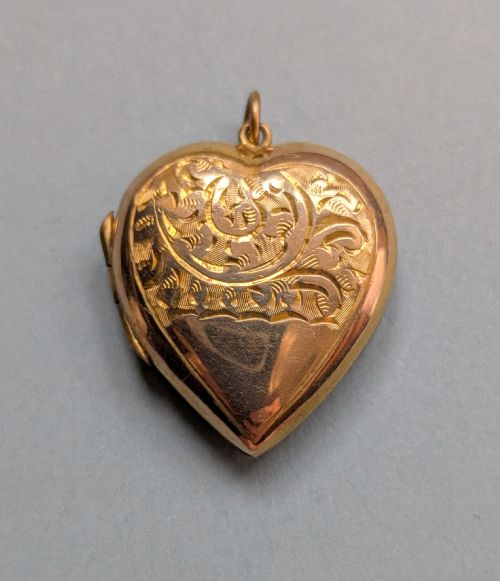
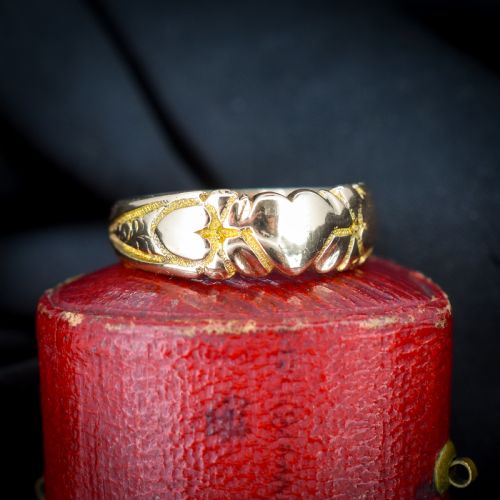
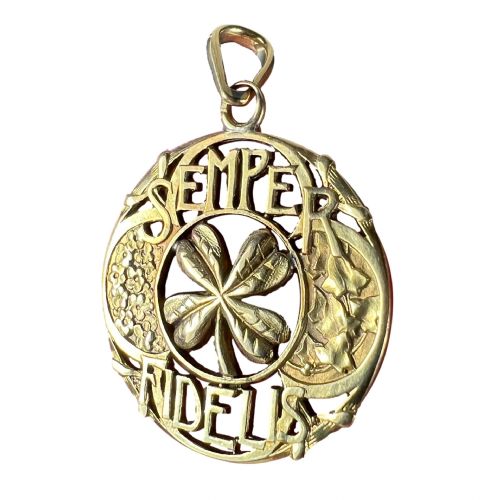
Antique sentiment jewellery comprises pieces charged with personal meaning, most frequently taking the form of rings, pendants, lockets and brooches. The selection here leans heavily towards Victorian and Georgian creations alongside French pieces, bringing together symbols of devotion like hearts, knots and inscriptions.
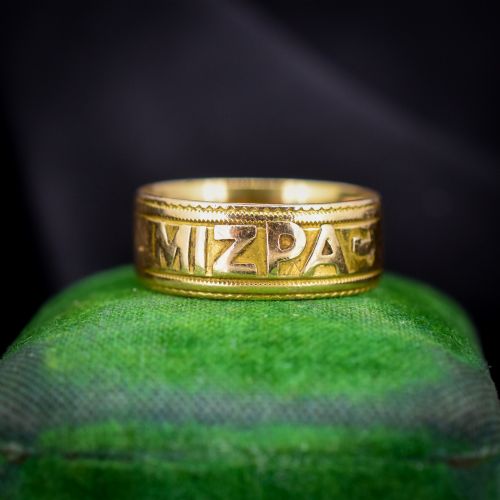
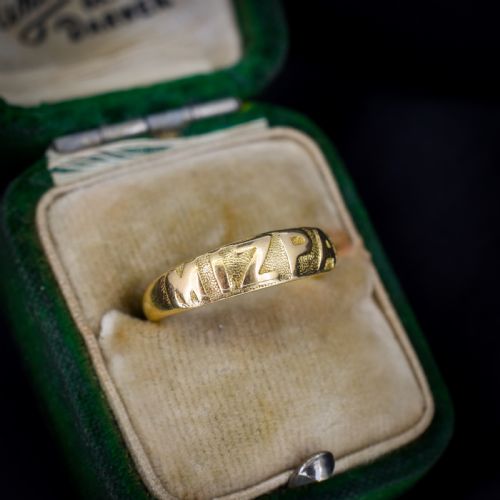
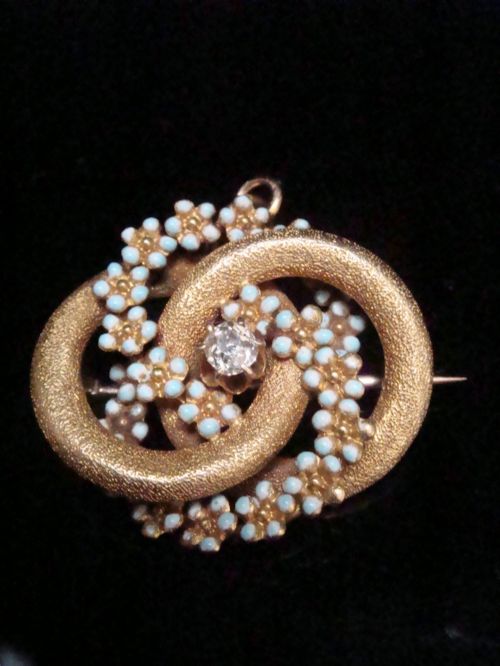
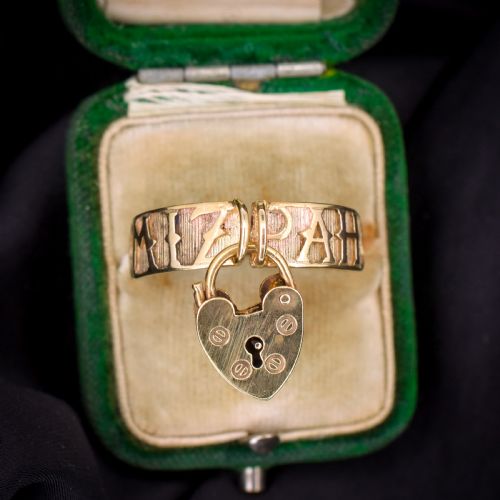
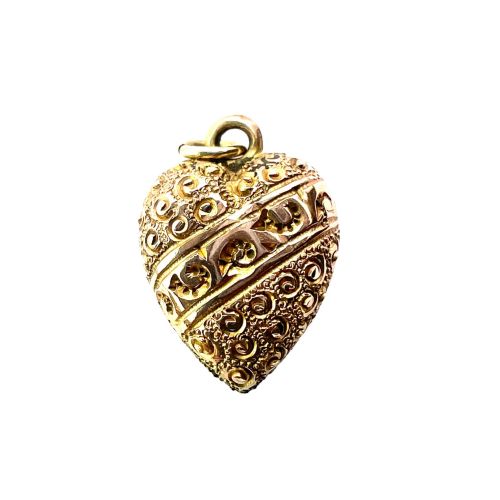
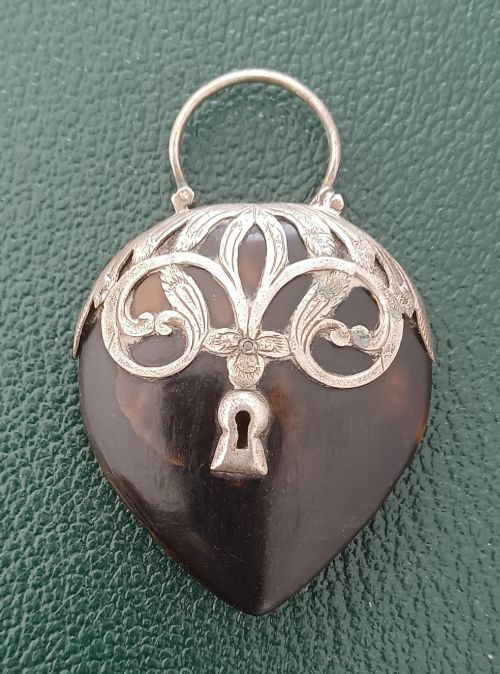
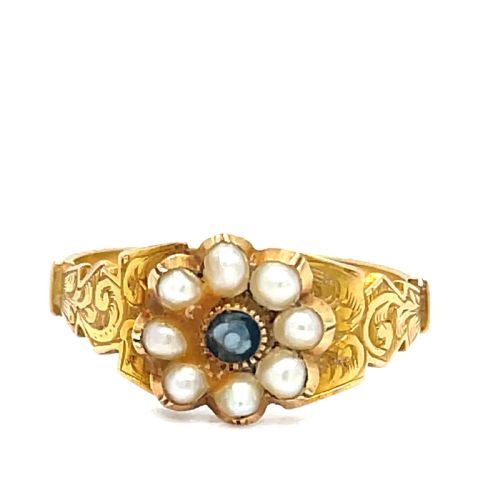
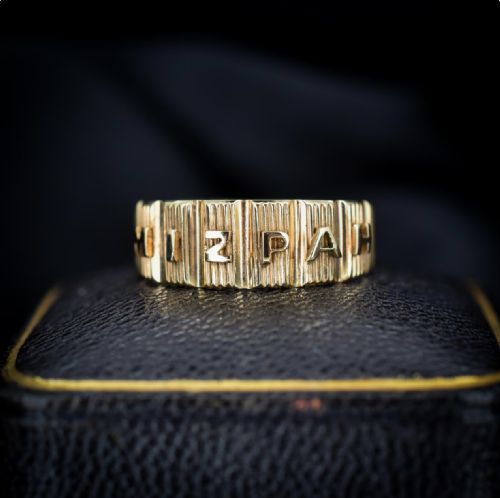
Buyers encounter band rings bearing Mizpah inscriptions, puffy heart pendants set with pearls, and brooches incorporating turquoise or diamonds. These items served as tokens of affection, remembrance or betrothal, communicating specific sentiments through motifs and gemstones.
The objects stem from periods spanning the Georgian era through to the early twentieth century, encompassing Art Deco and Belle Epoque designs. Gold in various carat weights, silver, enamel and tortoiseshell form the physical body of these sentimental expressions.
Distinguishing quality in sentimental pieces
Quality reveals itself in the crispness of the chasing on gold band rings and the precision of enamel inscriptions. Finer items display secure stone settings and harmonious proportions within double heart clusters or pictorial lockets.
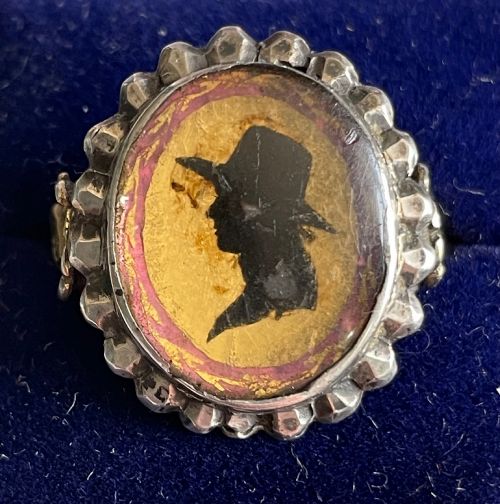
Superior execution is visible in the integration of specialised motifs, such as detailed forget-me-not flowers or well-defined silhouettes. The depth of the metalwork and the preservation of delicate seed pearls or glass photo compartments distinguish the upper tier of surviving examples.
Antique Sentiment Jewellery Retail Price Guide 2026
Typical asking prices for sentiment jewellery among the pieces listed under this phrase on Sellingantiques today, from the lower quarter to the upper quarter. They describe what is for sale here now, not the wider market.
Listings feature 18ct gold, 9ct gold, silver, diamond, seed pearl, enamel and glass across Victorian, Georgian and Art Deco periods.
The Antique Sentiment Jewellery Glossary
- Mizpah
- A Hebrew word meaning an watchtower, used on sentiment jewellery to denote an emotional bond between people separated by distance.
- Regard cluster
- A ring or pendant using gemstone acrostic spelling where the first letter of each stone spells the word regard.
- Puffy heart
- A hollow, three-dimensional heart pendant made from sheet metal, common in Victorian sentiment pieces.
- Lover's knot
- A traditional motif formed by intertwined loops of metal symbolizing eternal connection and commitment between lovers.
- AEI
- An acronym derived from Greek meaning eternal love, frequently found inscribed or enamelled on lockets and rings.
Antique Sentiment Jewellery: Frequently Asked Questions
What is sentiment jewellery?
Sentiment jewellery encompasses pieces designed to convey specific personal messages, allegiances or memories through symbolic motifs and coded gemstone arrangements.
These items range from inscribed band rings and puffy heart lockets to multi-stone cluster brooches originating from the Georgian and Victorian eras.
How do I identify a Victorian piece?
Victorian sentiment pieces often utilise specific materials like 9ct and 18ct gold, seed pearls, turquoise and detailed enamelwork.
Clues to the period also lie in characteristic forms such as lover's knots, horseshoe brooches and mourning rings marked by distinct regional hallmarks.
How were lockets used?
Lockets served as intimate personal keepsakes designed to hold miniature portraits, locks of hair or dried flowers close to the wearer's heart.
Pieces with glass compartments or hinged backs allowed private mementos to be securely carried and viewed throughout the day.
What do the different stones mean?
Gemstones in sentiment jewellery often formed acrostic words or carried symbolic weight, such as pearls representing tears or purity and turquoise signifying faithful remembrance.
Combinations like ruby, diamond, garnet and emerald frequently spelled out affectionate terms in specific cluster arrangements.