



Nineteenth Century Jewellery
Nineteenth century jewellery brings together gold, silver, diamonds, and coloured stones in brooches, rings, pendants, and bracelets that collectors prize for their intricate craftsmanship and enduring designs.
Nineteenth Century Jewellery
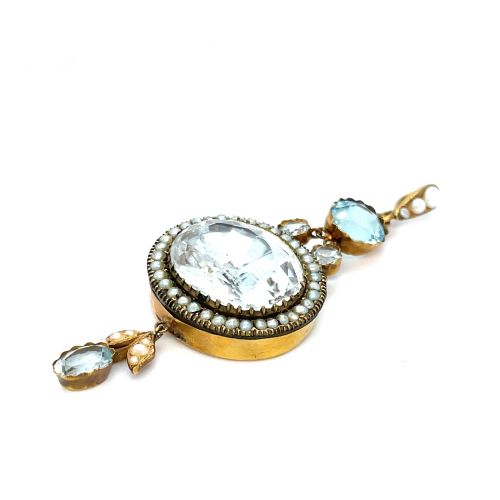
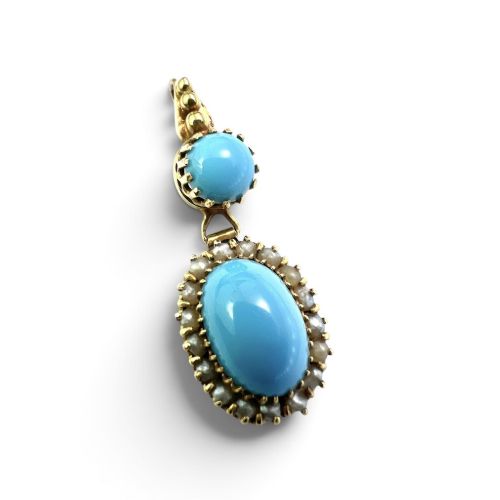
When you search for nineteenth century jewellery, you enter a field defined largely by Victorian taste alongside pieces from the Regency and Edwardian eras. The selections here include wearable ornaments such as diamond cluster rings, turquoise and pearl pendants, garnet bracelets, and gemstone earrings.
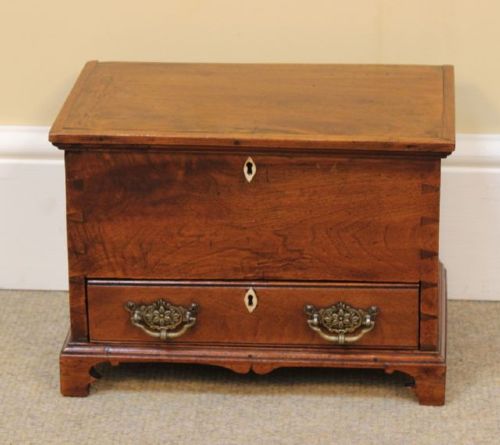
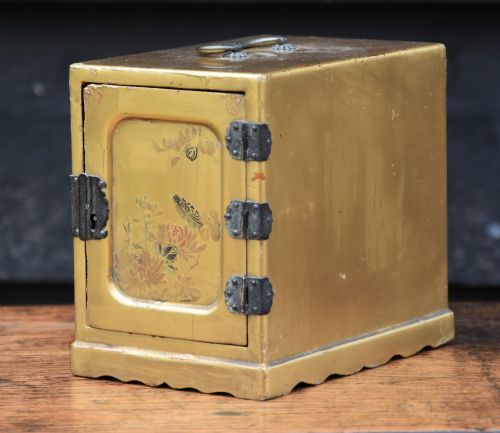
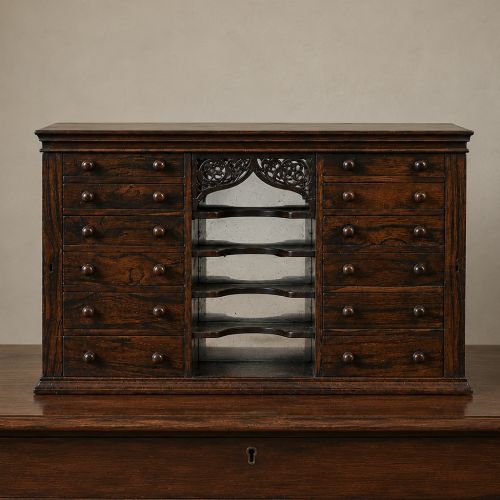
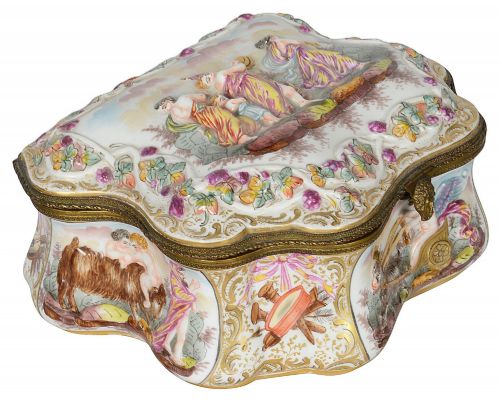
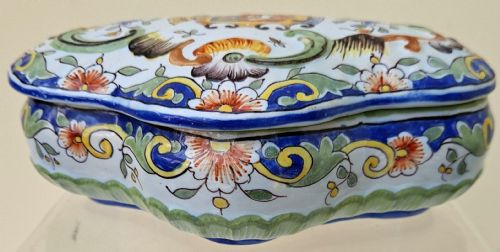
Beyond personal adornment, the offerings extend to the receptacles created to store precious items, including coromandel vanity cases, marquetry jewellery cabinets, and inlaid wooden boxes. These personal pieces and their containers reflect the diverse aesthetic movements of the period, from revivalist styles to Anglo-Indian and Japanese-influenced craftsmanship.
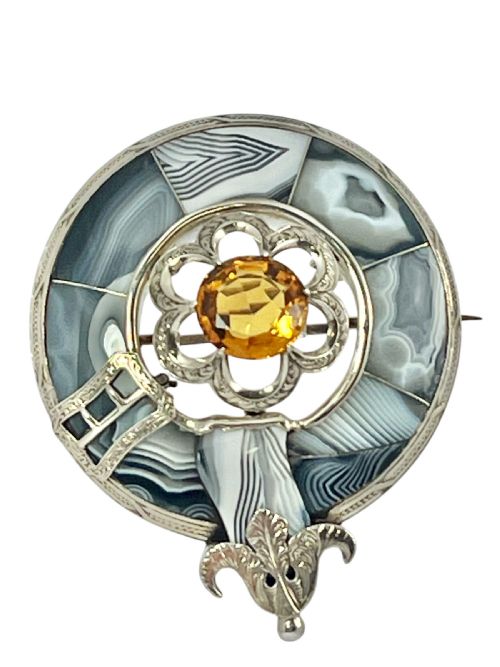
Most items you encounter bear the distinct hallmarks of the Victorian period, utilising natural materials like coral, horn, and agate alongside traditional precious metals. Each piece demonstrates the wear and utility expected of historical objects while retaining the decorative focus typical of the nineteenth century.
How they were made
Makers constructed these items using gold of varying carat weights, sterling silver, and silver-gilt, frequently combining them with diamonds, rubies, peridots, and garnets. Metalwork techniques involved casting, chasing, and the application of foil backs to enhance the brilliance of gemstones such as aquamarine and rock crystal.
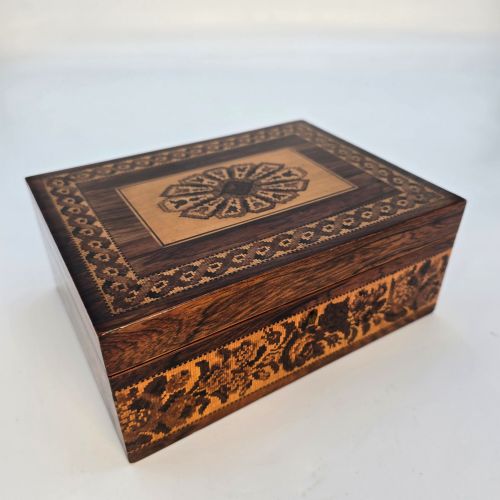
Box makers and cabinet workers utilised exotic timbers like rosewood, walnut, coromandel, and mahogany, often embellishing them with intricate Tunbridge Ware marquetry or gilt lacquer work. Surface decoration also incorporated blue enamel, micro-mosaics, and inlaid horn or tortoiseshell to achieve rich textures and visual depth.
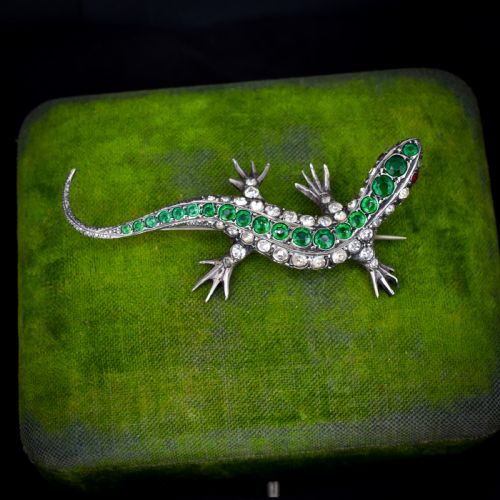
Lizards and coiled serpents slither across the metalwork in the form of diamond-eyed brooches and rings.
What varies in quality
The standard of nineteenth century jewellery depends on the precision of the stone setting, the integrity of the gold or silver work, and the preservation of delicate enamel or foil details. Pieces featuring high-carat gold and well-matched, original gemstones demonstrate superior workshop standards.
For boxes and cabinets, quality rests in the tightness of the marquetry joints, the preservation of fitted interior compartments, and the selection of figured woods like burr walnut or coromandel. Greater refinement shows in pieces where internal mechanisms and exterior veneers remain intact and unaltered.
Edmund Nye·H Mitchell·G. Colani
The Nineteenth Century Jewellery Glossary
- Foil back
- A thin sheet of coloured metallic foil placed beneath a gemstone to reflect light and enhance its colour. This technique appears frequently in Victorian jewellery.
- Marquetry
- The art of applying pieces of veneer to a structure to form decorative patterns. Tunbridge Ware uses this method to create pixel-like wooden mosaics on boxes.
- Vinaigrette
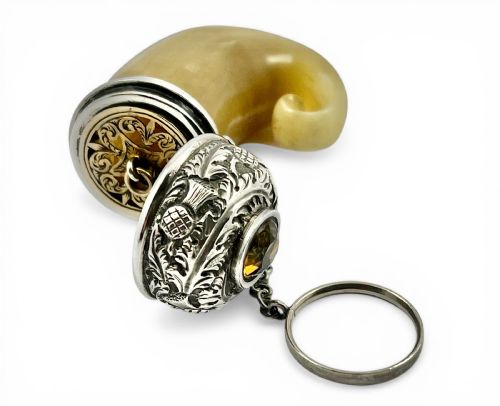
- A small ornamental box containing a sponge soaked in aromatic vinegar. These portable containers were carried for relief from unpleasant odours.
- Gilt silver
- Silver that has been coated with a thin layer of gold. This process provides the rich appearance of solid gold while utilising a silver base.
- Cluster ring
- A ring design featuring a central gemstone surrounded by a border of smaller stones, typically diamonds or pearls. This layout maximises visual impact.
Nineteenth Century Jewellery: Frequently Asked Questions
How do I care for antique jewellery?
Keep items away from harsh chemicals, ultrasonic cleaners, and moisture to protect vulnerable stones like turquoise, pearls, and coral. Store pieces individually in lined compartments to prevent metal and gems from scratching one another.
Regularly check stone settings with a loupe to ensure prongs remain secure. Professional cleaning by a specialist familiar with historical pieces is safest.
What materials were commonly used?
Jewellery makers utilised gold, silver, and silver-gilt alongside diamonds, garnets, rubies, turquoise, and pearls. Organic materials such as coral, amber, agate, and horn also appeared frequently.
For boxes and cabinets, craftsmen selected rosewood, walnut, coromandel, and mahogany, often enhanced with brass stringing or marquetry.
How can I identify Victorian periods?
Look at the overall style, choice of materials, and manufacturing techniques, which often align with specific decades like the 1860s or 1890s. British hallmarks on gold and silver provide precise assay office marks and date letters.
Stylistic shifts, such as the transition from early romantic motifs to later aesthetic or revivalist designs, help narrow down the date of creation.
Were these boxes used daily?
These decorative containers served as practical storage for rings, brooches, and dressing accessories on dressing tables or desks. They protected valuable personal items from dust and damage in the home.
Travelling cases included fitted interiors with glass bottles and velvet compartments designed for journeys by carriage or train.