


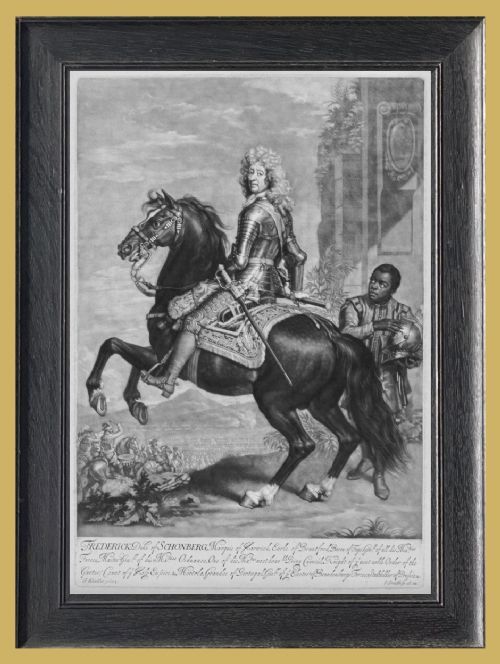
Antique Monochrome Portrait
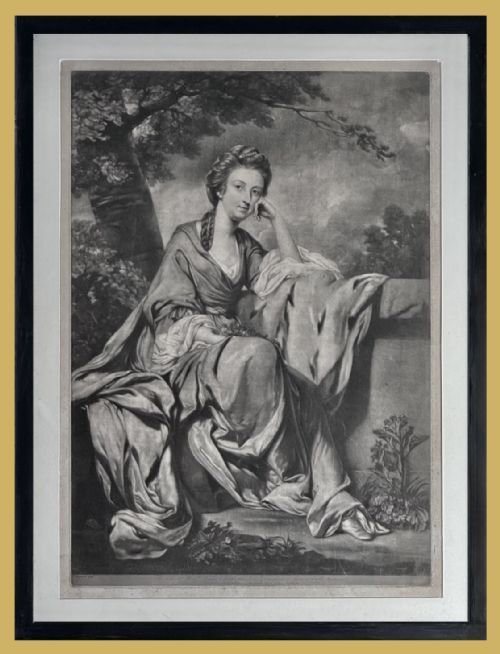
An antique monochrome portrait captures historical likenesses through inked impressions on paper, offering collectors a direct link to past centuries.
Antique Monochrome Portrait
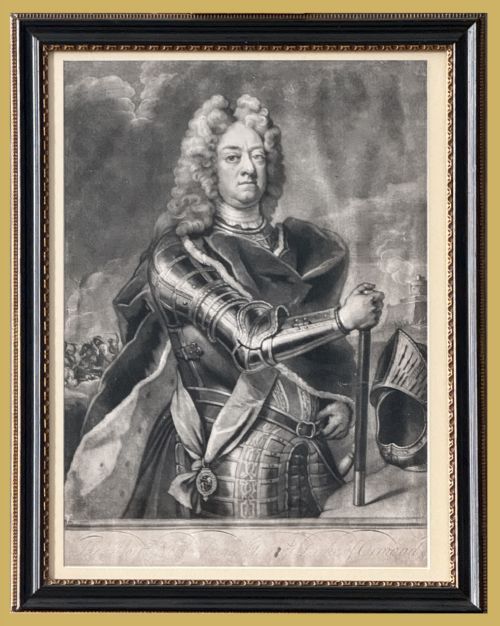
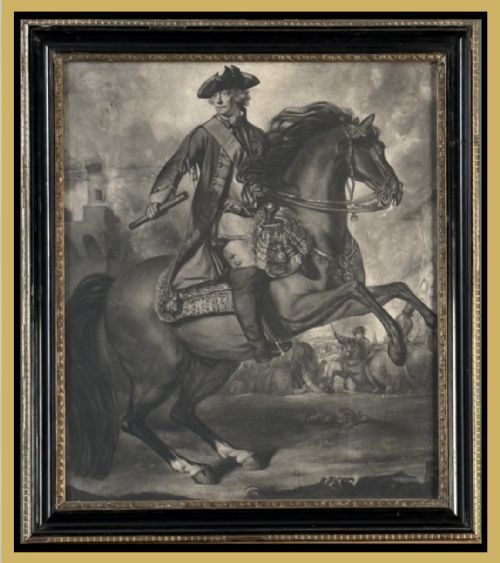
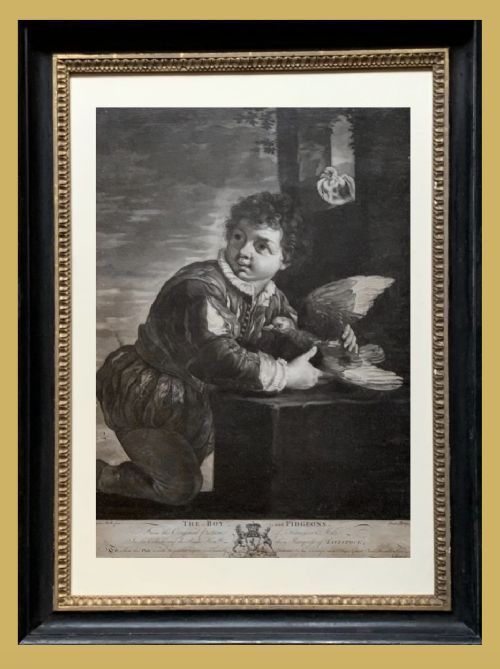
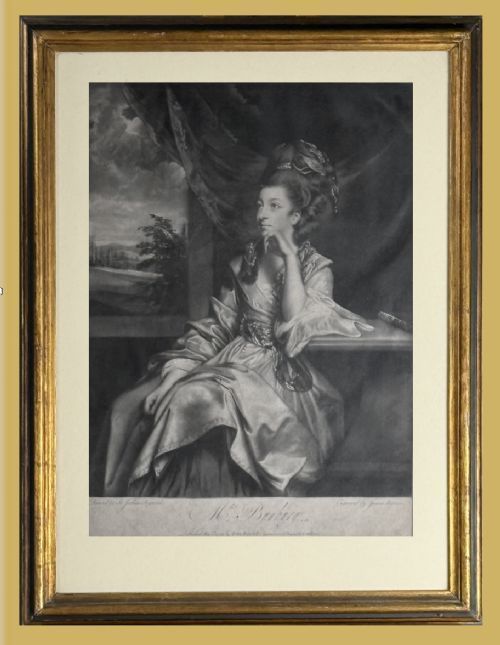
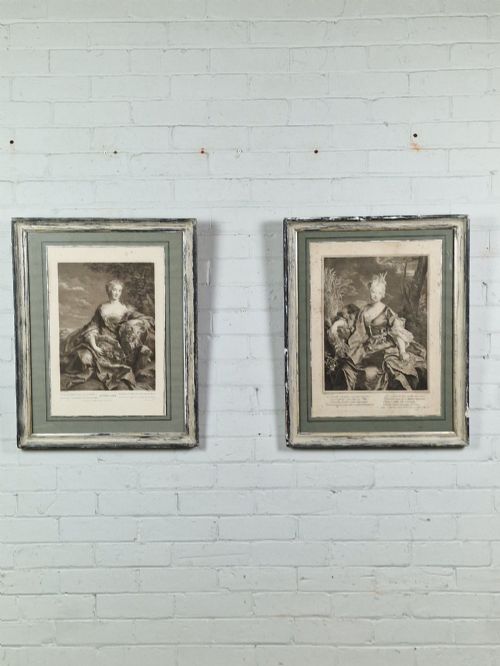
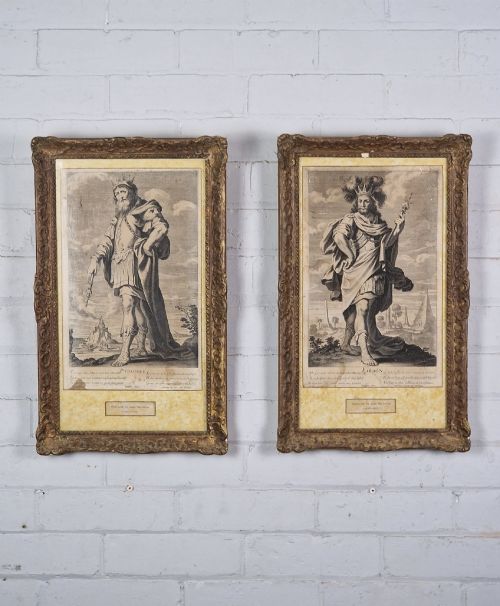
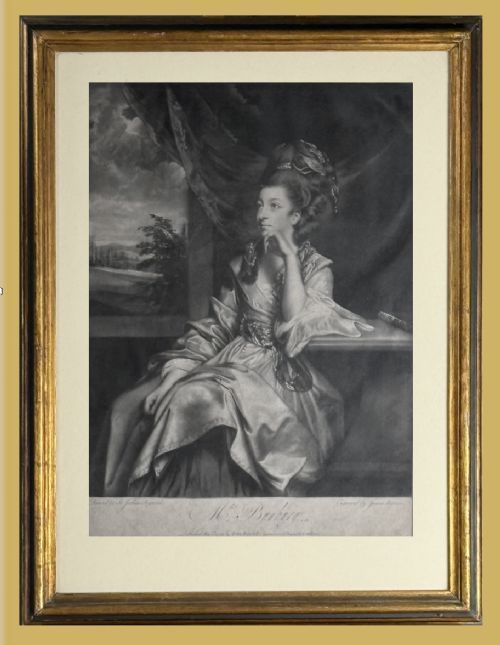
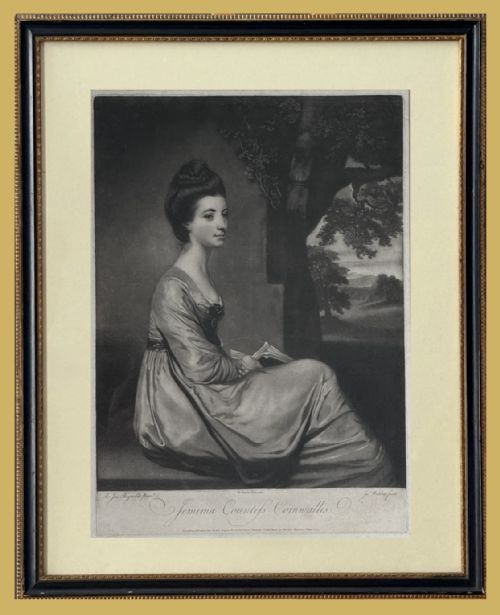
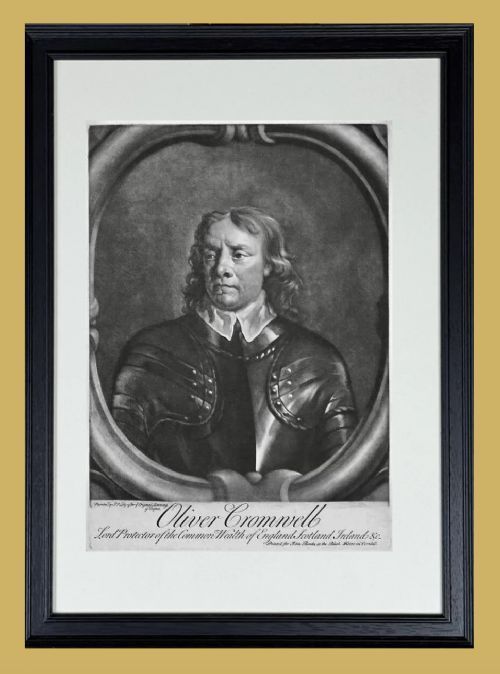
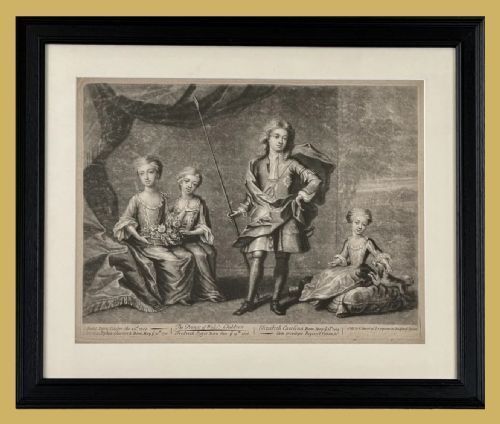
An antique monochrome portrait on this page spans centuries from the seventeenth to the twentieth, representing historical figures, nobility and artists through framed prints and engravings.
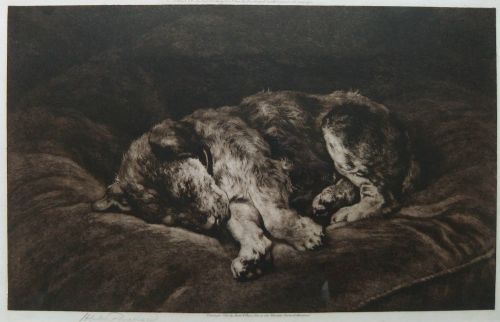
The most common form met here is the eighteenth-century mezzotint, alongside nineteenth-century etchings, French engravings and twentieth-century drypoint works.
These framed pieces originate predominantly from British and French artistic traditions, reflecting Georgian, Victorian, Baroque and Edwardian aesthetic movements.
How they were made
Printmakers utilised paper as the primary support, applying black and tonal ink through techniques such as mezzotint engraving, etching and drypoint.
Many works were executed after original paintings by prominent artists, translating oils into monochrome printed plates.
Finished prints are commonly housed behind glass within wooden frames, occasionally incorporating gold leaf or gilt wood surrounds.
Listings feature seventeenth-century works alongside eighteenth-century mezzotints and twentieth-century drypoints.
What varies in quality
The clarity of the inked impression separates superior prints from worn examples, as plates produced rich tonal depth when fresh but degraded over multiple impressions.
The partnership between the printmaker and the original painter dictates artistic merit, with master engravers capturing subtle nuances of expression from renowned portraits.
The preservation of the paper support and the originality of the frame, including period gilt wood, influence the overall integrity of the piece.
John Simon·Edward Fisher·John Boydell·James Watson·John Smith·Richard Houston·Valentine Green·James Macardell
The Antique Monochrome Portrait Glossary
- Mezzotint
- A printmaking process where the copper plate is roughened to hold ink and scraped to produce rich tones. This method allows for subtle gradations of light and shadow.
- Etching
- A technique where lines are bitten into a metal plate with acid before being inked and pressed onto paper. Artists use this method to achieve fine, expressive detail.
- Drypoint
- A printmaking method where a sharp needle scratches directly into the metal plate, raising a burr that creates velvety lines. Prints using this technique often show soft, atmospheric edges.
- Engraving
- A process of cutting designs directly into a hard plate with a burin tool. This yields precise, sharp lines that define the subject.
- Gilt wood
- Wood coated with a thin layer of gold leaf or gold paint. This finish frequently adorns period frames surrounding works on paper.
Antique Monochrome Portrait: Frequently Asked Questions
What is a mezzotint portrait?
A mezzotint portrait is a print created by roughening a copper plate to hold ink, producing deep tonal gradations rather than simple lines.
This technique was widely used to reproduce famous oil paintings in monochrome during earlier centuries.
How do I care for antique prints?
Antique prints on paper require protection from direct sunlight to prevent fading of the ink and yellowing of the paper.
Keeping them behind glass in stable indoor humidity preserves the material against environmental degradation.
What periods do these portraits cover?
The selection spans from the seventeenth century through the Georgian and Victorian eras up to early twentieth-century prints.
Each period brings distinct engraving styles and framing materials characteristic of its time.
Are these works original prints?
The listings include original historical printings executed from metal plates during the active periods of the makers.
Many translate works by celebrated painters into the medium of print.