
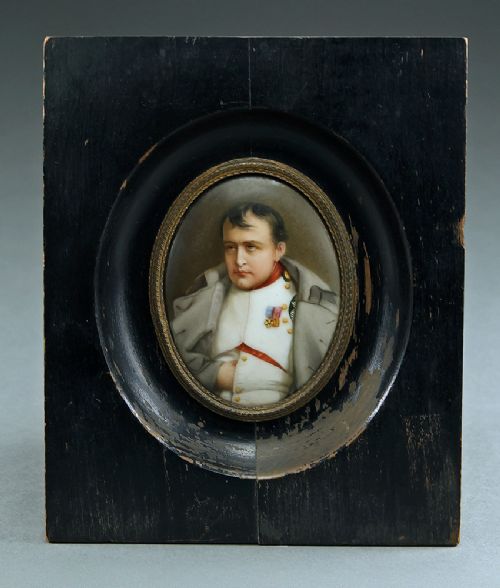


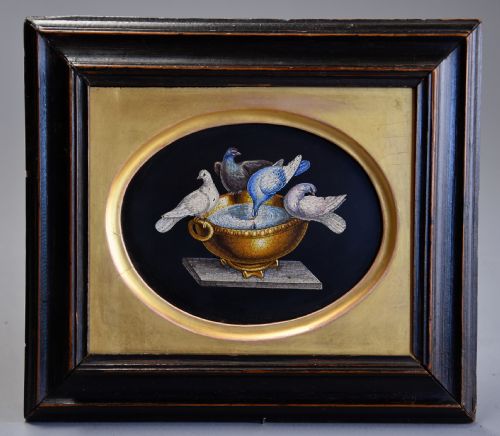

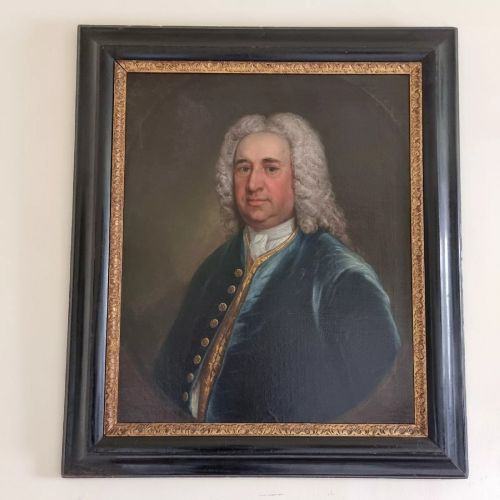


Ebonised Picture Frame
An ebonised picture frame brings a stark, dark contrast to period art, enclosing portraits, prints and mirrors from the eighteenth and nineteenth centuries.
Ebonised Picture Frame
An ebonised picture frame is a dark timber moulding designed to highlight portraits, prints and mirrors. These pieces span the Georgian, Victorian and Regency periods, alongside specific years like 1860, 1890 and 1900.
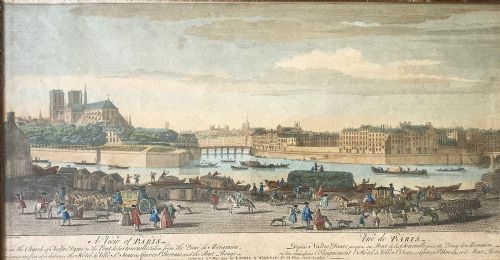
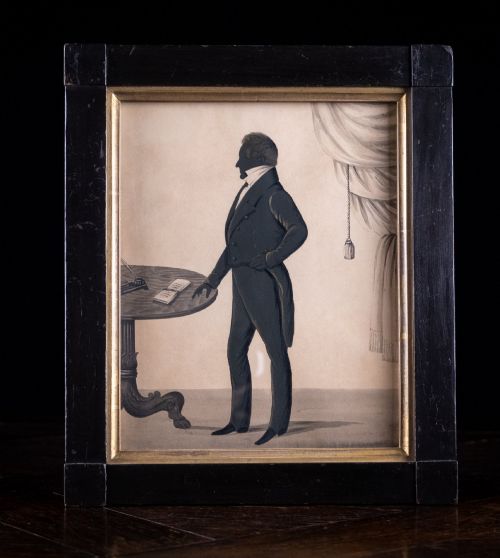
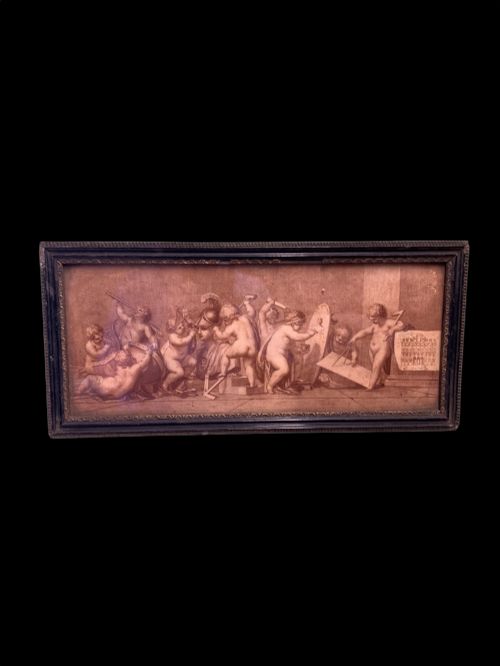
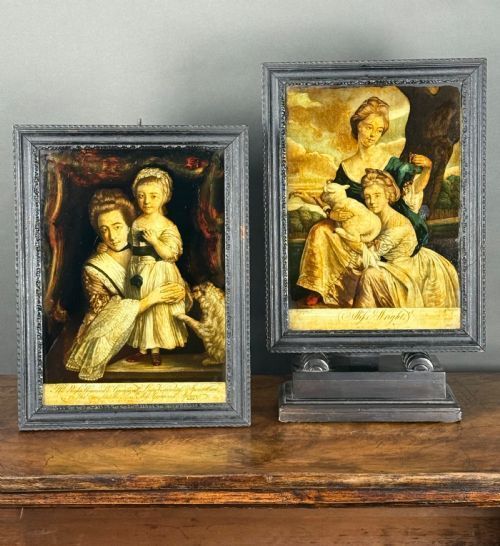
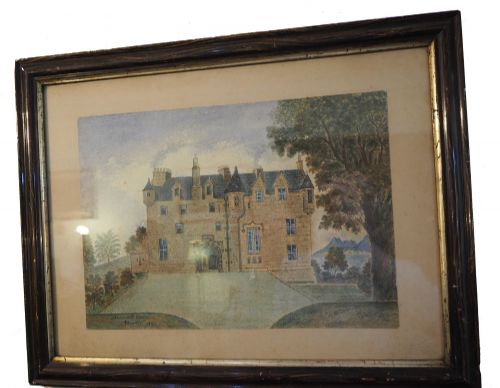
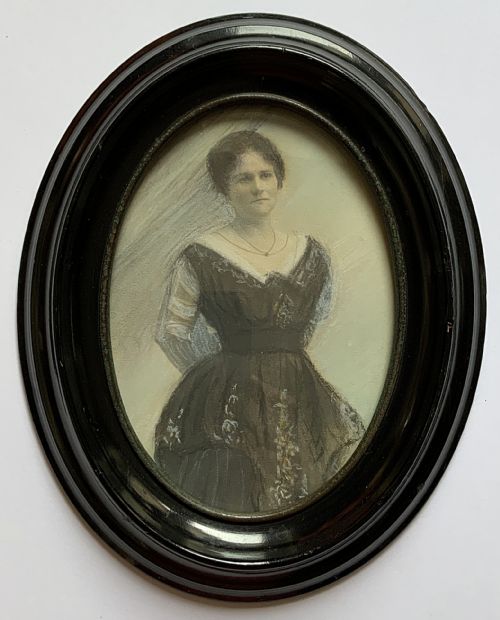
The selections on this page often house reverse glass mezzotints, silhouettes, watercolours and oil paintings. Many examples combine the blackened wood with gilt accents, brass fittings or deep mounts to draw the eye inward.
How they were made
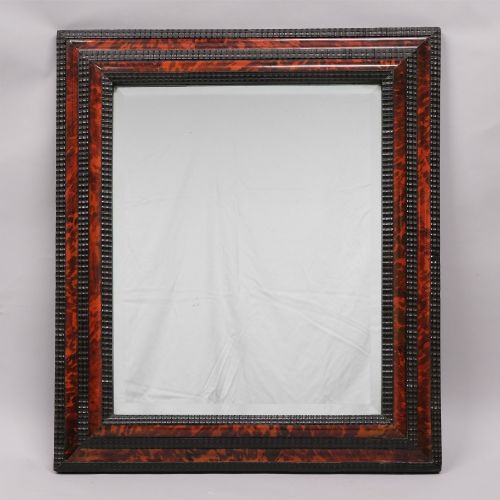
Craftsmen utilised wood, applying dark finishes to imitate costly ebony on mouldings formed into ripples or reeded profiles. Gold leaf and brass details were frequently added to create contrast against the black timber.
Makers set glass, paper, oil paint and watercolour within these housings, often protecting delicate works like silhouette portraits and micromosaic plaques behind clear glass.
The documented styles range from Neoclassical and Regency to Renaissance Revival and Flemish Revival.
What varies in quality
The depth of the moulding and the crispness of carved details set finer examples apart from simpler utility work. Ripple mouldings and reeded surfaces demand precise hand-working to maintain uniform patterns along the timber lengths.
The integration of secondary materials defines the tier of the piece. High-grade frames combine the blackened wood with genuine gold leaf highlights or well-preserved brass elements rather than simple painted finishes.
The Ebonised Picture Frame Glossary
- Ebonised wood
- Timber treated with stain, dye or polish to simulate natural ebony. This dark finish creates a sharp border that isolates and focuses attention on the artwork within.
- Reverse glass print
- An image painted or printed directly onto the underside of a glass sheet. This technique produces a glossy surface finish that requires careful framing to protect the fragile medium.
- Ripple frame
- A moulding carved with concentric waves using specialised machinery or hand tools. The undulating surface catches ambient light to create a textured border.
- Silhouette
- A solid profile portrait cut from paper or painted on card. These monochromatic likenesses rely on stark outlines and delicate brushwork for their definition.
- Micromosaic
- Tiny coloured glass tesserae assembled into intricate pictorial plaques. These Italian pieces demand extreme patience and skill from the artisan.
Ebonised Picture Frame: Frequently Asked Questions
What art fits an ebonised picture frame?
These dark surrounds suit eighteenth and nineteenth-century works, including silhouettes, watercolours, engravings and reverse glass prints. The stark black border concentrates the viewer's attention onto the tones of the artwork.
They also pair effectively with portrait miniatures and small oil paintings. The neutral dark tone prevents the frame from competing with the colours inside.
How do I date an ebonised frame?
Dating relies on timber construction, corner joints and the profile style of the moulding. Georgian and Regency versions often feature simpler reeded or cavetto shapes, while Victorian examples introduce heavy ripple mouldings and gilt combinations.
Paper backings, old fixings and the type of glass used provide further chronological clues. Examining the joining methods at the reverse reveals workshop practices of the period.
Are these frames suitable for modern art?
The neutral dark finish allows these antique borders to frame contemporary prints and photographs successfully. The historic craftsmanship adds texture and weight to modern interiors.
Their restrained palette avoids clashing with contemporary colour schemes. The contrast of the dark wood frames modern works with historical depth.
How should I clean ebonised wood?
Maintenance requires only a soft, dry cloth to remove dust from the carved surfaces and mouldings. Moisture should be avoided to protect the aged timber and any underlying finishes.
Harsh chemical polishes can strip the historic black finish or damage adjacent gilt details. Gentle dusting preserves the original surface patina built up over centuries.