


Antique Portrait Photograph
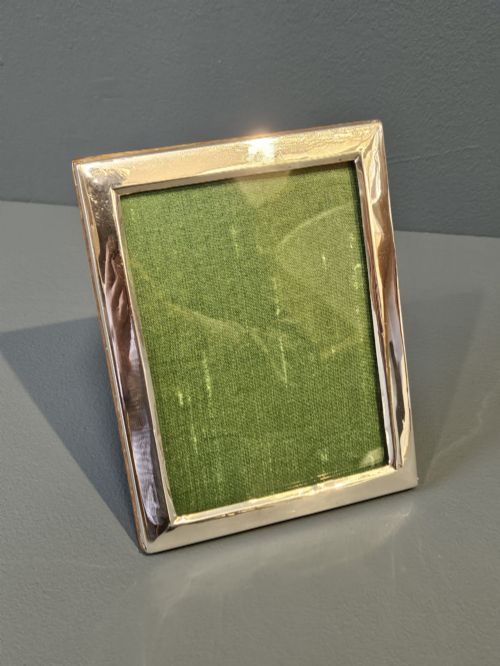
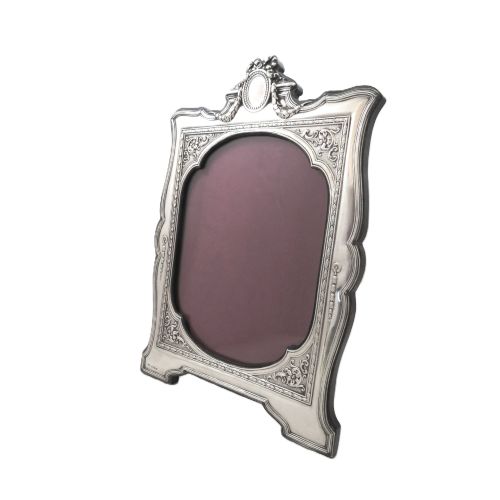
These antique portrait photograph pieces bring personal history into a room through framed images and silversmith's work.
Antique Portrait Photograph
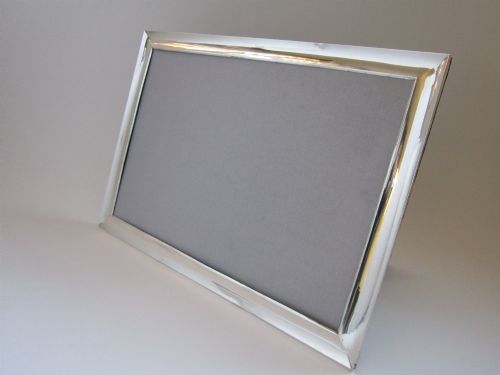
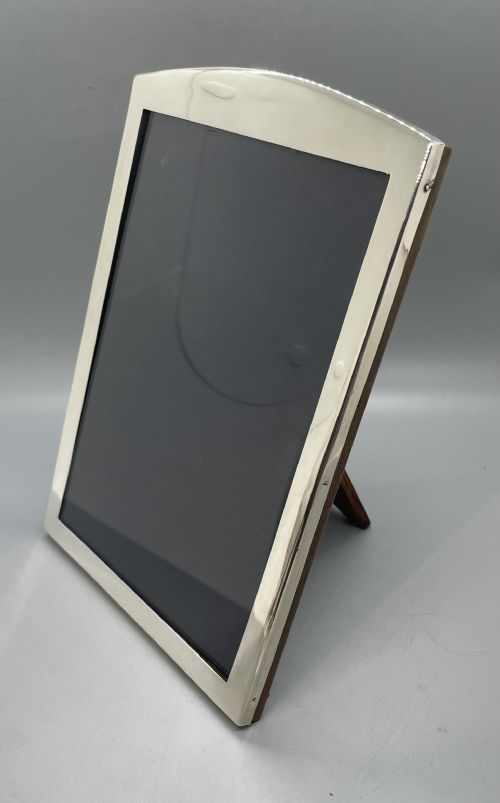
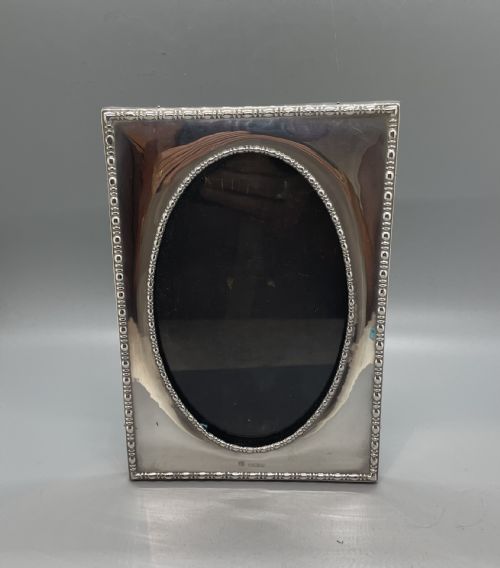
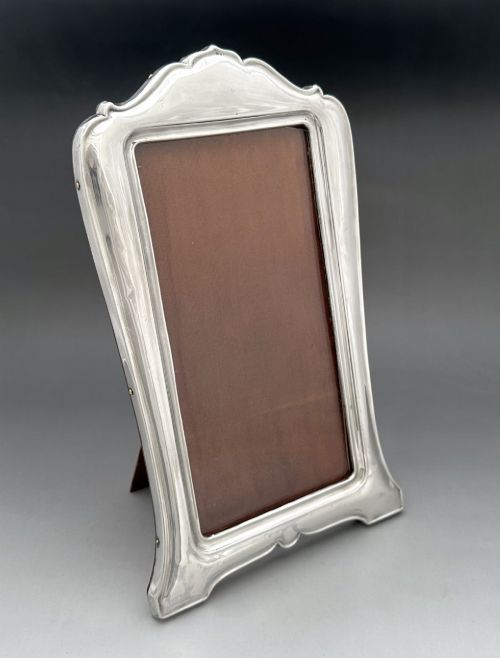
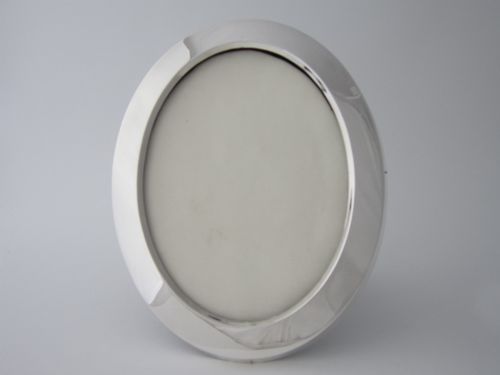
When searching for an antique portrait photograph, a buyer encounters framed images, carte de visite displays, and silver picture frames enclosing historical subjects from the Victorian, Edwardian, and George V periods. The most common forms on this page combine silver frames with early photographic paper prints or portrait cards.
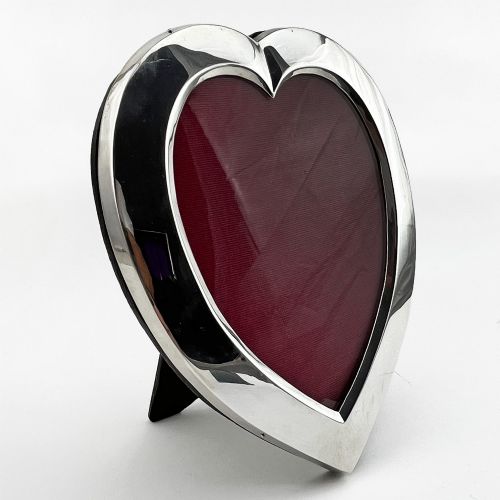
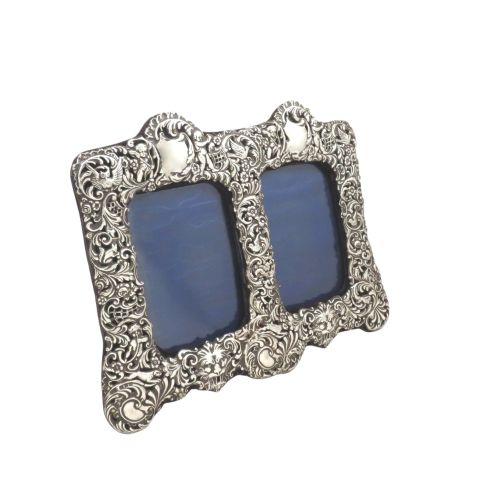
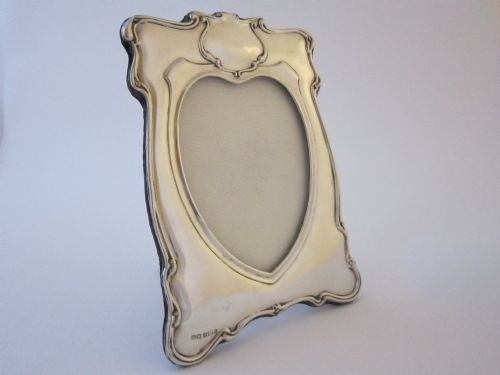
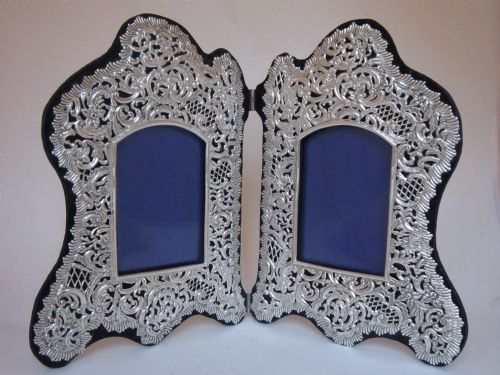
The selection ranges from heart-shaped sterling silver frames and double photograph apertures to mixed media family portraits and framed studies of individuals, sailors, and racehorses. Dating spans from the late nineteenth century through to the Art Deco era and the 1930s.
Many items focus on the mounting and housing of photographic portraits, employing materials such as velvet backs, oak surrounds, and glass fronts to protect the paper within.
Materials and construction
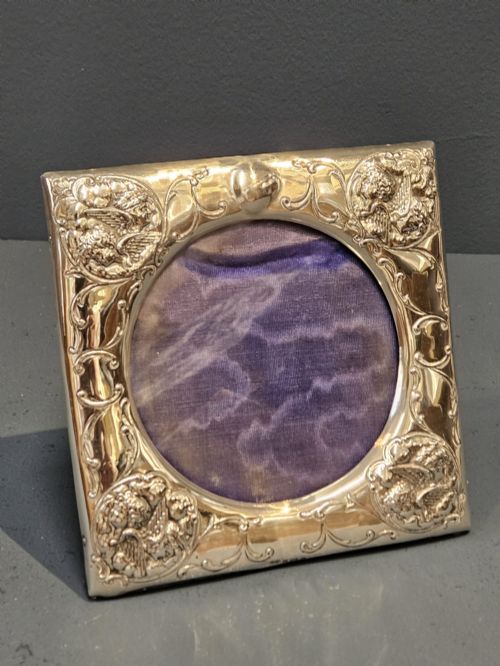
Makers constructed these pieces using sterling silver, silver plate, and nickel-plated metals, often working with sheet metal to press embossed motifs like angels or floral scrolls. Workshops also utilised wood such as oak, ebonised timber, and brass to build structural frames and table-top display boxes.
Backings frequently incorporated blue velvet and stout card to support the glass panes and photographic prints. Silversmiths applied engine-turning techniques and hallmarks to date silver items to specific assay offices in Birmingham, Sheffield, and Chester.
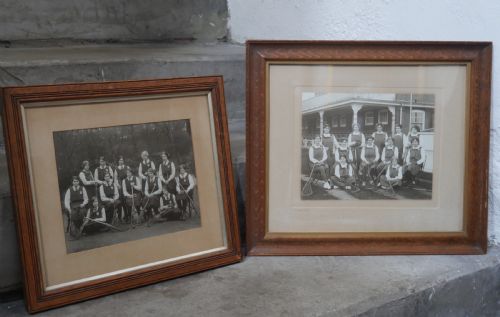
A solitary Scottish lacrosse team from 1914 stares out from the past, caught forever in Edwardian sporting resolve.
Judging the quality
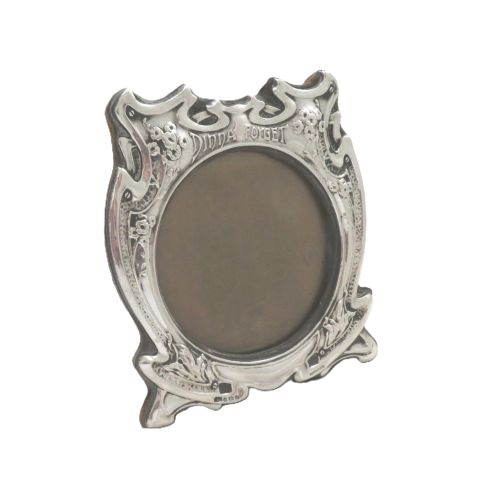
Quality rests in the heaviness of the solid silver gauge, the crispness of embossed detail such as Reynolds Angels or Art Nouveau whiplash lines, and the survival of original components like timber struts and velvet linings. Finer examples display distinct hallmarks and precise engine-turning rather than thin metal plating.
The integrity of the original framing, glass, and photographic content determines the overall calibre of the piece. Superior items retain their structural weight and backings without modern replacements.
William Comyns·Syner & Beddoes·Hardy Brothers·Boin Taburet
The Antique Portrait Photograph Glossary
- Sterling silver
- A silver alloy containing 92.5 percent pure silver by mass and 7.5 percent other metals, usually copper. This standard alloy provides the durability required for intricate photograph frames.
- Carte de visite
- A small type of paper photograph patented in France and widely produced in Victorian times for album collection and table-top display boxes. These prints form part of the historical portrait material found in nineteenth-century frames.
- Engine-turning
- A mechanical decoration technique that etches precise geometric patterns into metal surfaces using a lathe. This method appears on many twentieth-century silver frames.
- Assay office
- A body that tests the purity of precious metals and stamps items with official hallmarks. British offices in towns like Birmingham and Sheffield stamped pieces to indicate metal standard and year of assay.
- Ormolu
- A gilding technique of applying finely ground high-carat gold to an object made of bronze. This decorative treatment appears on select imported frames.
Antique Portrait Photograph: Frequently Asked Questions
How do I date a silver photo frame?
Examine the hallmarks stamped into the silver border, which typically show the anchor, leopard head, or crown alongside a specific letter code for the year of assay.
Matching these assay marks with historical registers reveals the exact year and city of manufacture, such as Birmingham or Sheffield.
Can I replace the glass in an old frame?
Original glass often shows slight bubbles or waviness, which collectors prefer to keep where possible.
If replacement is necessary for protection, use thin clear glass cut to fit the rebate without damaging the antique silver edges.
What is a carte de visite frame?
These specialised frames and table-top display boxes were built to hold small albumen prints popular in the Victorian era.
They often feature double apertures or hinged box designs meant for desk placement.
How do I clean tarnished silver frames?
Use a soft cloth and a gentle, non-abrasive silver polish formulated for antiques to remove tarnish.
Avoid scrubbing embossed areas too vigorously so that the original highlights and stamped maker marks remain intact.