
Ornate Gold Framed Portrait
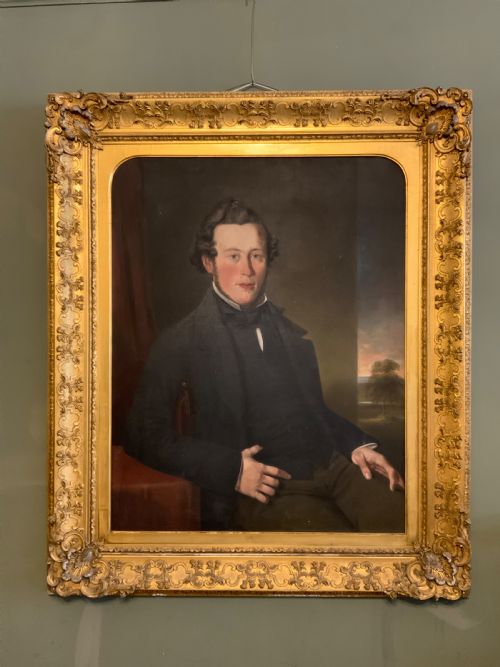
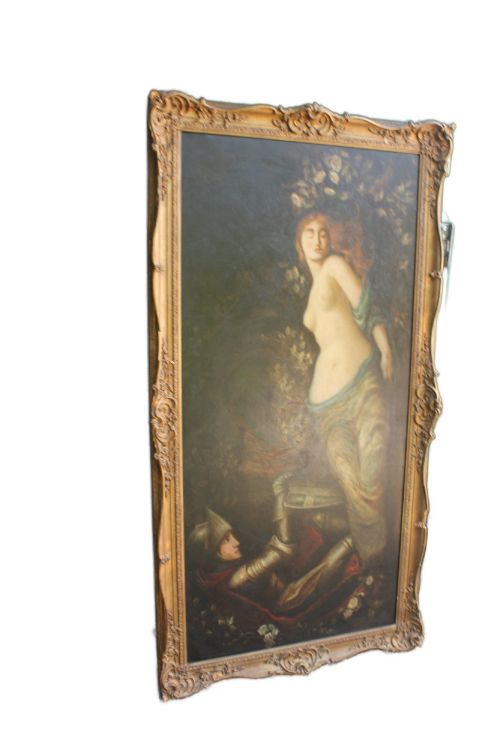
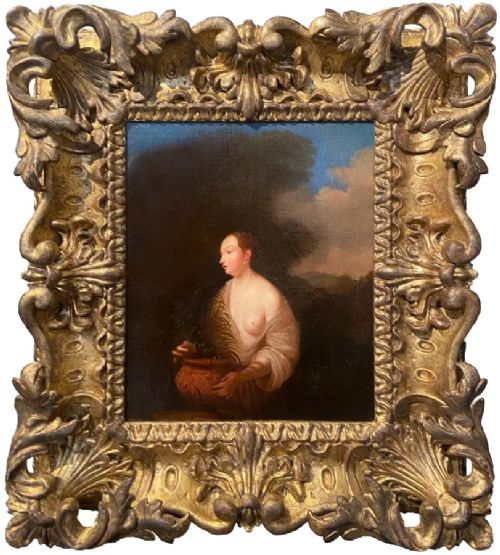
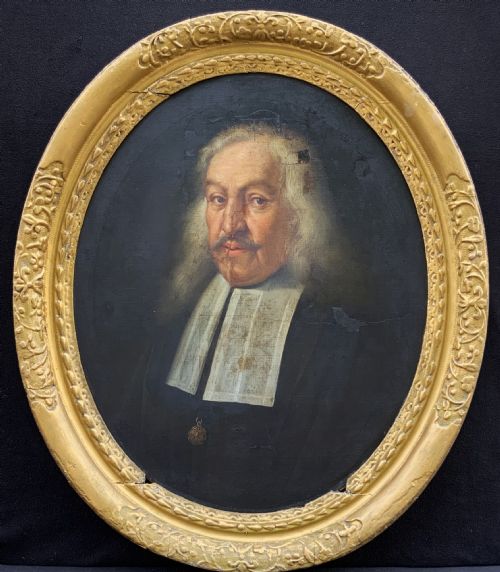
An ornate gold framed portrait brings together oil on canvas and gilded wood to centre historic likenesses in rich surrounds.
Ornate Gold Framed Portrait
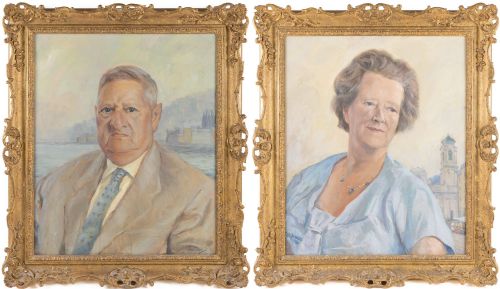
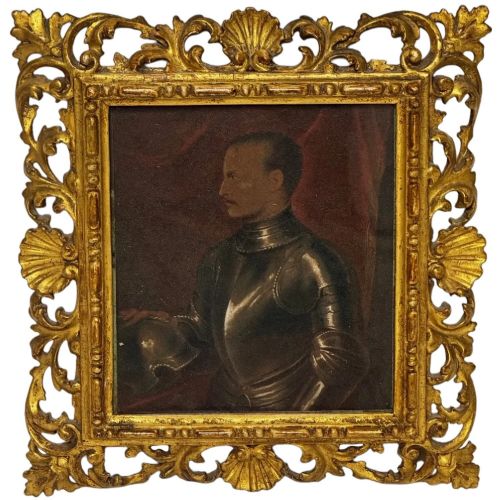
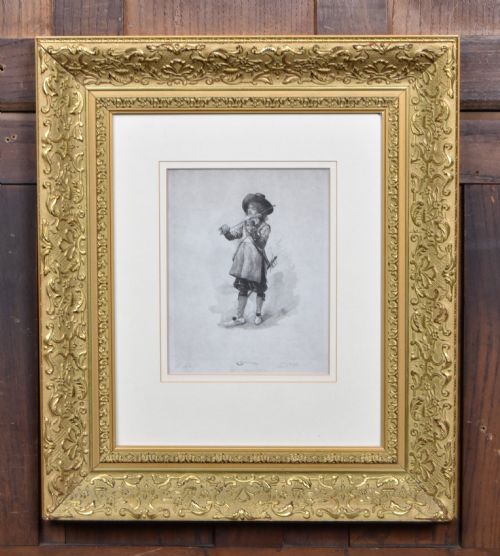
When you search for an ornate gold framed portrait, you encounter historical representations of sitters housed in heavily decorated surrounds. These pieces range from seventeenth-century oil paintings and Regency works to Victorian oils, watercolours, and twentieth-century prints.
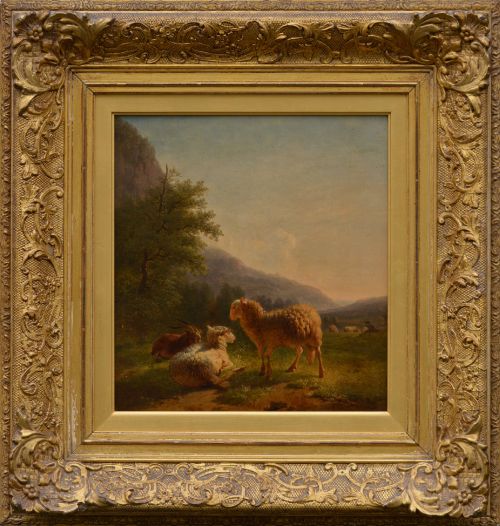
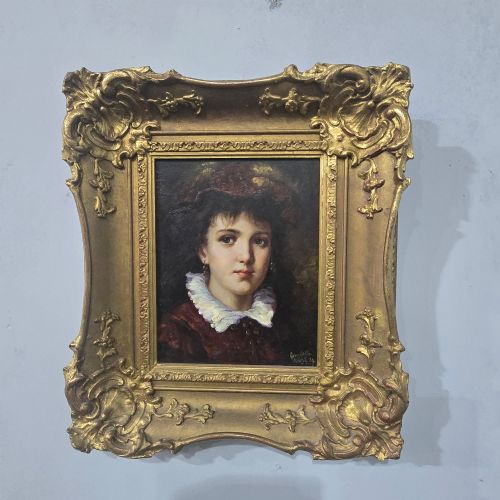
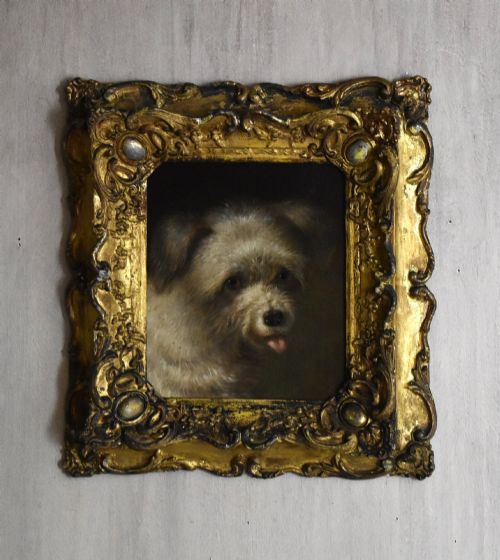
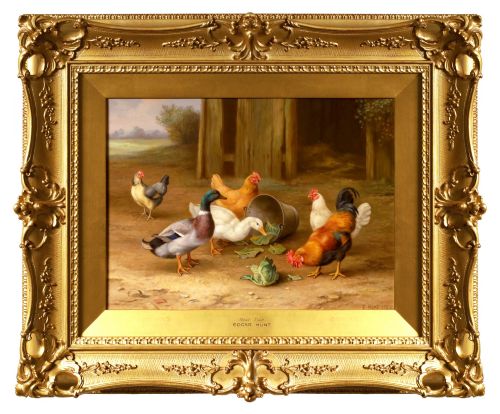
The most common format on this page combines a canvas or panel painting with a substantial frame finished in gold leaf or gesso. Many examples date from the nineteenth century, reflecting periods such as the Victorian era and Edwardian years, alongside earlier seventeenth-century compositions.
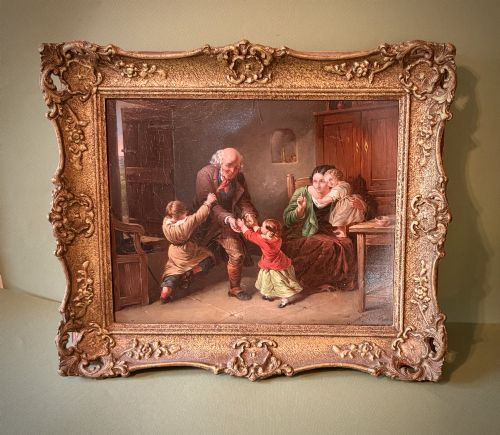
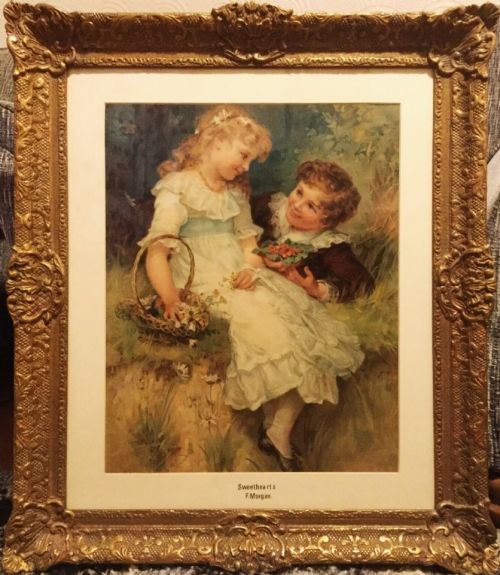
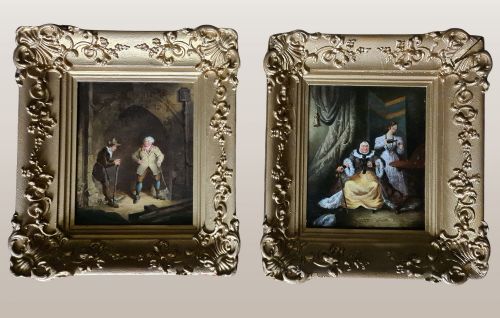
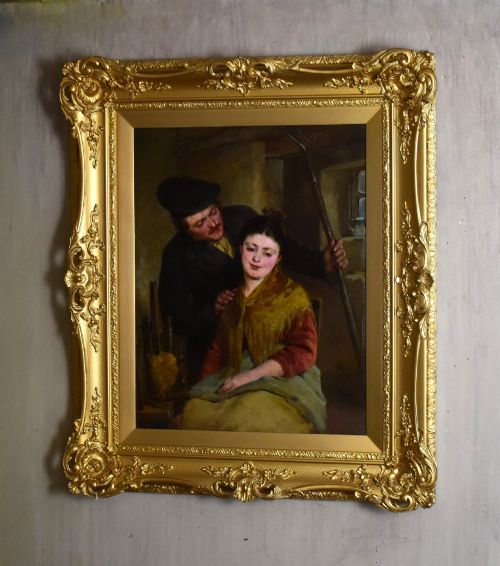
Subjects vary from individual gentlemen and ladies to children, artists' models, and genre studies. The surrounds themselves often display Revival styles, including Rococo Revival and Baroque motifs, which elevate the visual impact of the artwork inside.
How they were made
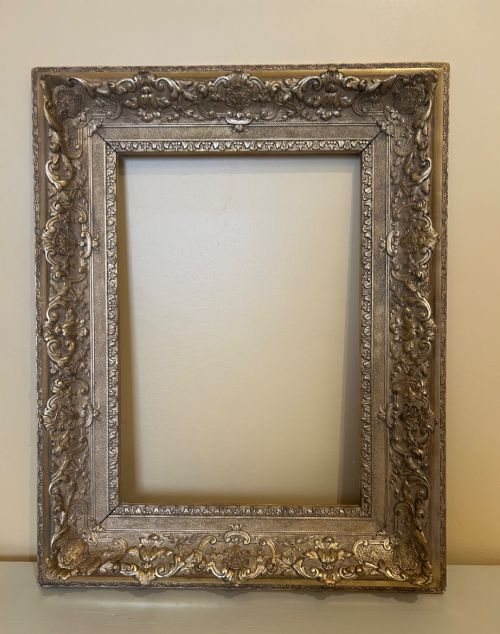
Makers built these surrounds using wooden foundations shaped with carved detail or applied gesso moulded into elaborate scrolls, leaves, and floral patterns. Artisans then applied gold leaf or metallic gilding to the prepared surface to achieve a brilliant, reflective finish.
The artworks within utilise oil on canvas, oil on board, pastel, watercolour, and gouache. Painters worked with traditional pigments applied to stretched linen or paper, securing the completed image directly into the heavy wooden housing with glazing or backing boards.
Sitters include a stylish cat captured in oil pastels alongside numerous human gentlemen, ladies, and children.
What varies in quality
The standard of execution in the painted portrait itself determines much of the overall merit, distinguishing skilled academic rendering from simpler decorative output. Subtle handling of flesh tones, fabric textures, and facial expression indicates an artist of greater ability.
The depth and crispness of the surrounding frame construction also set examples apart. Deeply carved wooden mouldings and carefully applied gesso relief retain sharper detail than worn or heavily repaired substitutes, preserving the intended grandeur of the piece.
Eugène Verboeckhoven·Martin Theodore Ward·Howard Helmick·Toussaint Gelton·Edgar Hunt·David Teniers The Younger·Renato Moretti·Sir Thomas Lawrence·George Bernard O'Neill·Frank Moss Bennett
The Ornate Gold Framed Portrait Glossary
- Gesso
- A plaster-like mixture applied to wooden frame bases to create a smooth surface for carving or moulding relief decoration. It forms the raised ornamentation found on many nineteenth-century surrounds.
- Oil on canvas
- A painting technique using pigments suspended in drying oils applied to woven fabric stretched over a wooden frame. This medium forms the surface for the majority of historical portraits listed here.
- Giltwood
- Wood that has been coated with a thin layer of gold leaf or gold paint for decorative effect. It provides the characteristic metallic sheen seen on antique picture frames.
- Oleograph
- A mechanical colour lithograph print textured to imitate the surface appearance of an oil painting. These reproduction prints often appear within period frames from the Victorian era.
- Genre painting
- A pictorial representation depicting scenes from everyday life involving ordinary people. Many listings combine portraiture with these narrative elements.
Ornate Gold Framed Portrait: Frequently Asked Questions
How do I date an ornate gold framed portrait?
Dating relies on the clothing and hairstyle of the sitter, the construction of the wooden stretcher or panel, and the specific style of the surrounding frame. Examining the canvas preparation and any inscriptions on the reverse offers further chronological clues.
Periods represented range from seventeenth-century oil paintings to nineteenth-century Victorian works and twentieth-century prints. Comparing the decorative motifs on the gilt surround with established design eras helps narrow down the decade of manufacture.
Are these portraits original paintings or prints?
The selection includes both original hand-painted works in oil, watercolour, and pastel, as well as period prints and oleographs. Close inspection under magnification reveals whether a surface shows brushstrokes or the dot pattern of mechanical reproduction.
Descriptions indicate the specific medium used for each artwork, distinguishing unique artist creations from mass-produced prints of later decades.
How should I hang a heavy gilt framed portrait?
Large framed artworks require secure fixings anchored directly into structural wall studs or masonry using appropriate wall plugs and heavy-duty picture wire or brackets. The substantial weight of gesso and wood surrounds demands robust support to ensure stability.
Positioning the piece at eye level away from direct sunlight protects both the painting medium and the fragile gilded surface of the frame from fading and heat damage.
What is the difference between gesso and carved wood frames?
Carved wood frames feature ornamentation cut directly into the solid timber base by a craftsman using chisels and gouges. Gesso frames utilise a moulded chalk and binder composition built up over a simpler wooden core to form relief patterns.
Many antique examples combine both techniques, using carved wooden profiles supplemented with applied gesso details for intricate corner ornaments.