
19th Century Framed Portrait
A 19th century framed portrait brings historical presence to a wall through oil, watercolour, or cut paper preserved in period surrounds.
19th Century Framed Portrait
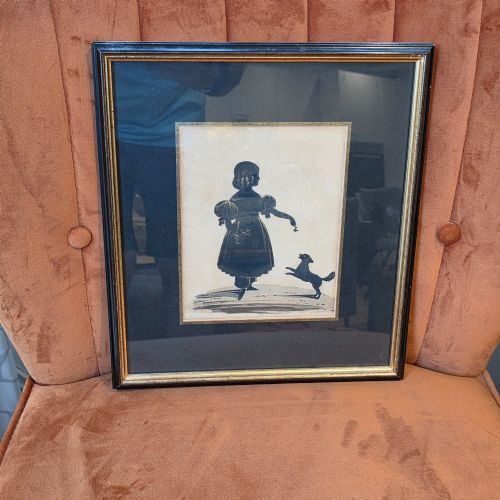
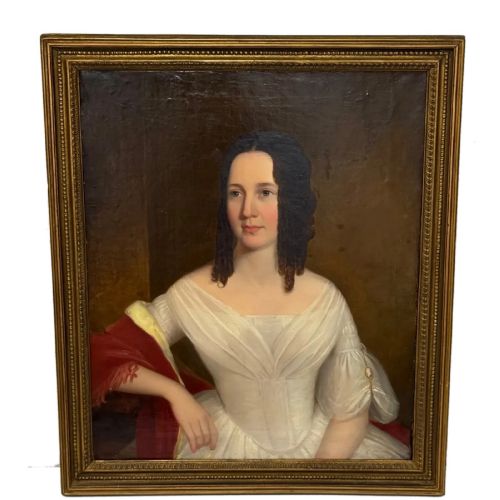
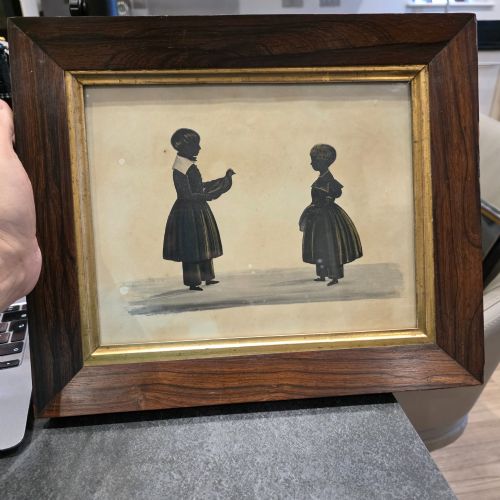
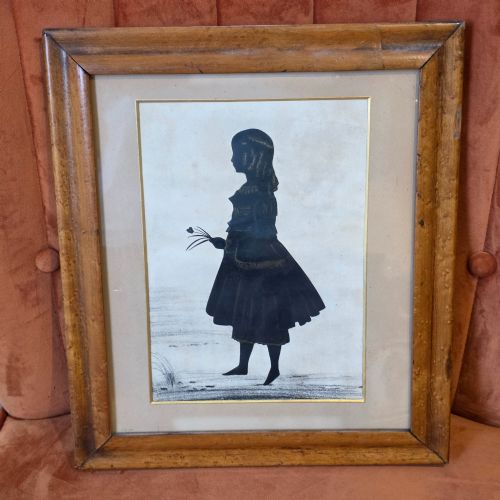
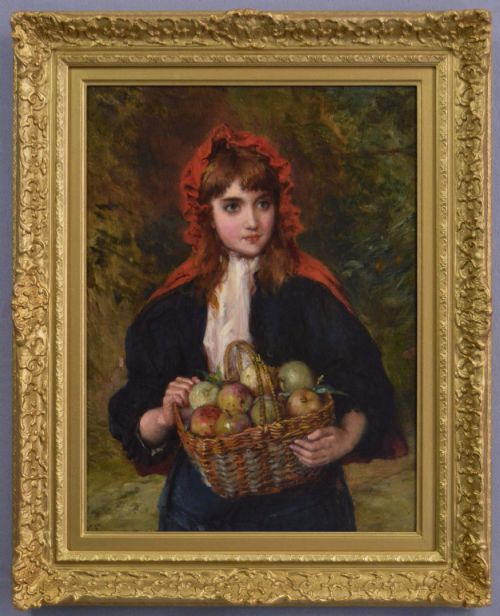
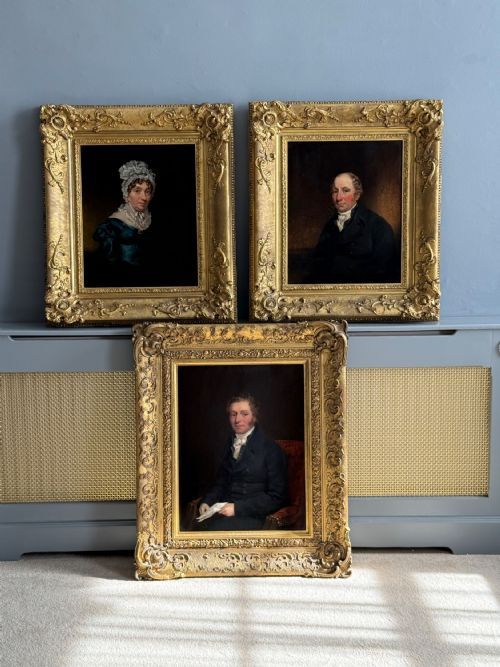
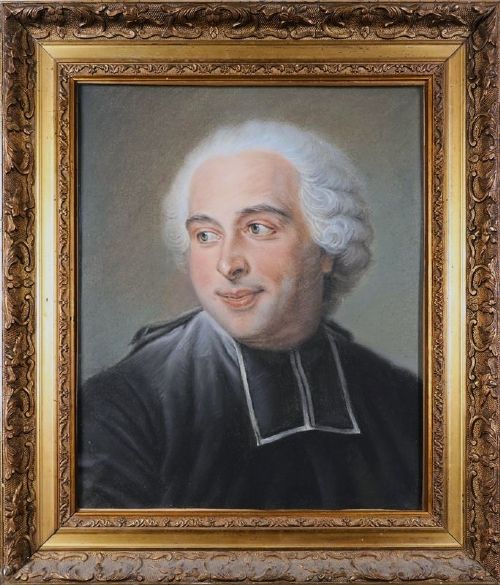
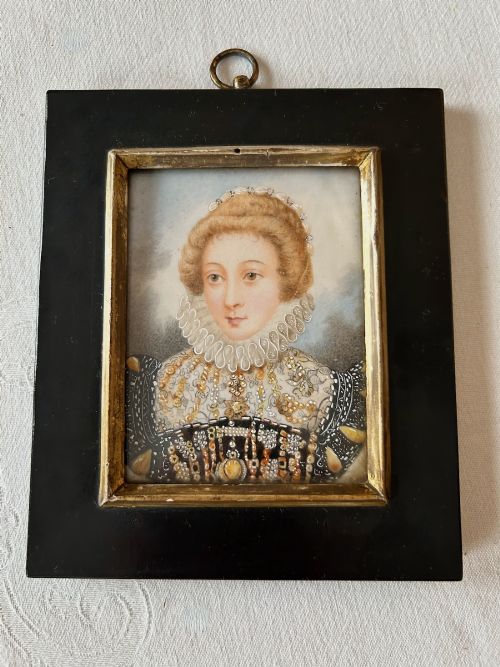
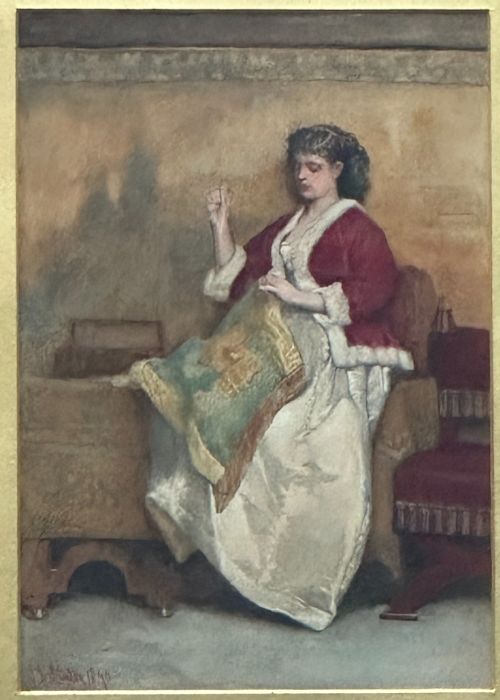
A 19th century framed portrait encompasses oil paintings on canvas or wood panel, delicate watercolours, cut-paper silhouettes, and portrait miniatures from Georgian, Regency, and Victorian periods. Buyers encounter depictions of British and European subjects, ranging from named architects and military officers to anonymous gentlemen and ladies.
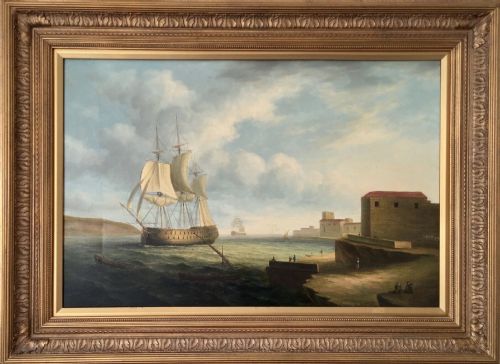
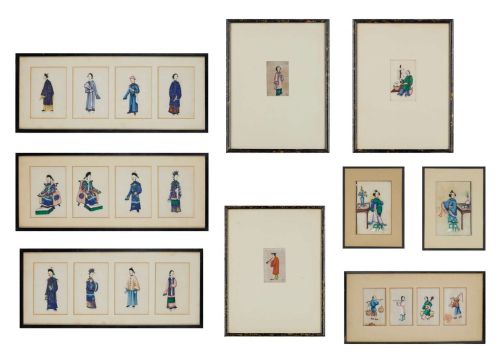
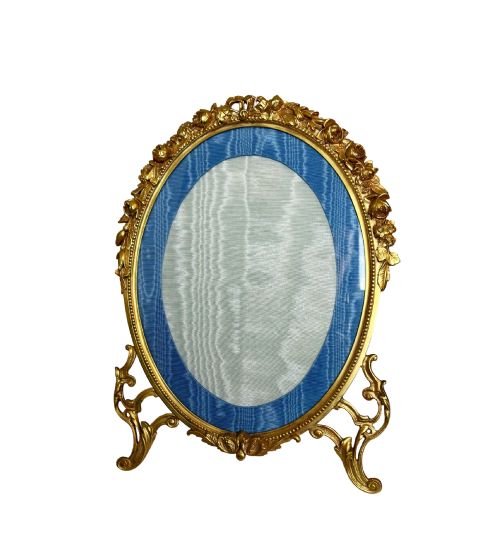
The format extends from intimate oval miniatures in gilt bronze frames to large oil paintings housed in elaborate giltwood mouldings. Many examples reflect British and French portraiture traditions, alongside Chinese pith paintings and ancestor portraits found within the same category.
Materials and Construction
These works utilise oil on canvas or wood panel, transparent watercolour on paper, and intricate cut-paper silhouettes enhanced with ink and wash. Pigments are applied by hand, capturing fine facial details and costume textures through traditional studio methods.
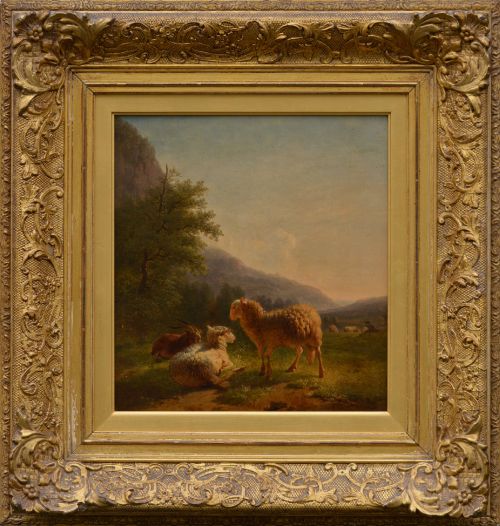
Surrounds are constructed from wood, gilt bronze, or carved ivory, frequently retaining original giltwood, burr maple, or moulded frames that protect the paper or canvas beneath glass.
The selection spans Georgian, Regency, Victorian, and late 19th century aesthetic periods.
Assessing Quality and Execution
The standard of a 19th century framed portrait rests upon the skill of the brushwork or cutting, where master artists capture psychological depth and anatomical precision rather than rigid symmetry. Superior examples display confident handling of light, shadow, and fabric drape.
The integrity of the original frame contributes significantly to the piece, with matched period mouldings, clean glass, and undisturbed backing papers preserving the work's historical context.
William James Hubard·Sir Thomas Lawrence·Sir Joshua Reynolds·Joseph Clover·Maurice Quentin de la Tour
The 19th Century Framed Portrait Glossary
- Silhouette
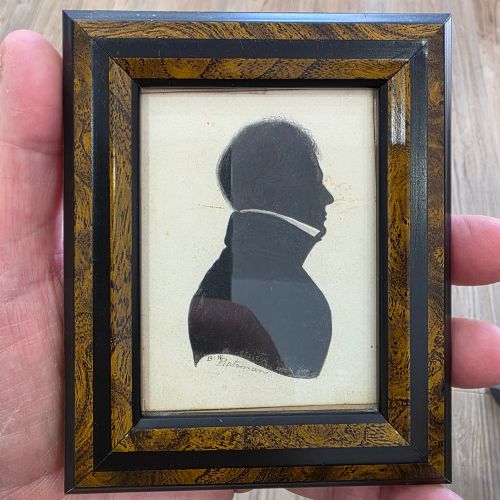
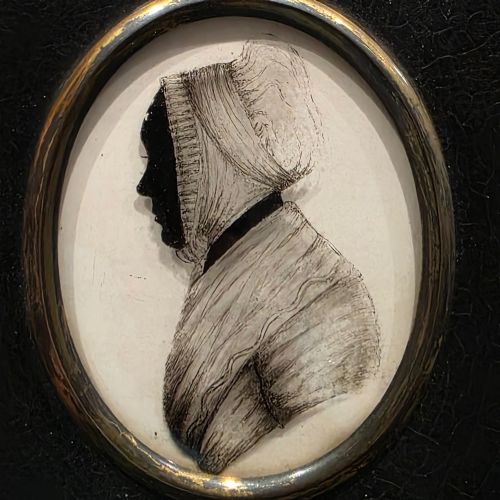
- A solid black profile portrait cut from paper or painted on card, often highlighted with gold or watercolour. These profiles gained immense popularity during the Georgian and Regency eras.
- Giltwood
- Wood that has been coated with a thin layer of gold leaf or gesso powder. This finish provides the bright, reflective borders seen on many period frames.
- Portrait Miniature
- A small, highly detailed painting executed on ivory, vellum, or card. These intimate works were frequently designed to be carried or worn.
- Pith Painting
- Art created on thin, fragile cellular material harvested from the pith of the Tetrapanax papyrifer plant. These delicate works were produced in China during the Qing dynasty.
- Intaglio
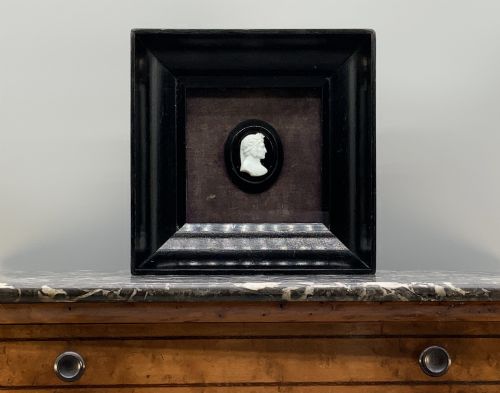
- A design carved into the surface of a material such as plaster or stone so that the impression sits below the flat plane. Collectors often mounted sets of these relief busts in frames.
19th Century Framed Portrait: Frequently Asked Questions
How do I date a framed portrait?
Dating relies on costume details, hairstyles, and framing styles characteristic of Georgian, Regency, or Victorian eras. Pigment analysis and handwritten notes on the reverse occasionally provide precise years.
Compare the sitter's collar, bonnet, or uniform against known fashion timelines from the 19th century.
Are silhouette portraits British?
While silhouette work flourished in Britain through artists like Hubard and Bateman, profile cutting was practiced across Europe during the same period. British examples frequently feature distinctive gilt highlights and trade labels on the back.
Continental pieces often utilise different paper stocks and framing profiles.
What is a portrait miniature?
A portrait miniature is a small-scale painting designed for intimate viewing, often housed in a brass, bronze, or wood case. These pieces require specialised magnification to appreciate the fine stippling and hatching techniques.
Subjects ranged from family members to historical figures like Mary, Queen of Scots.
How should I hang antique portraits?
Hang these works away from direct sunlight to protect watercolours, paper silhouettes, and oil pigments from fading. Maintain stable indoor humidity to prevent wood panels and canvas from warping.
Ensure wall hooks are secured firmly to support the weight of heavy giltwood frames.