


Antique Sepia Portrait Artwork
These antique sepia portrait artwork pieces capture historical character through monochrome tones, offering collectors tangible connections to past centuries.
Antique Sepia Portrait Artwork
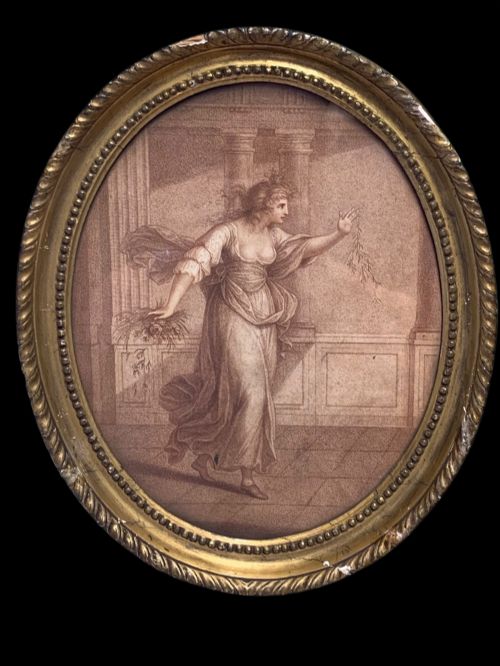
Collectors seeking antique sepia portrait artwork encounter works spanning the eighteenth century through the nineteen-twenties, encompassing varied regional schools and notable historical periods. The most frequent examples on this page comprise pencil drawings, watercolours, and early engravings executed in monochrome or muted brown tones.
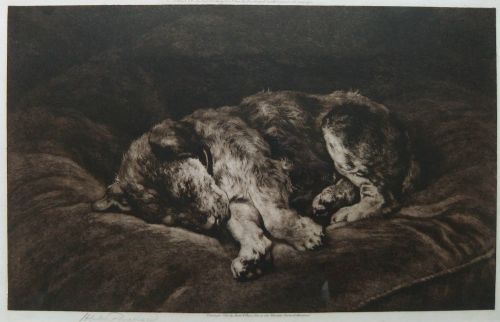
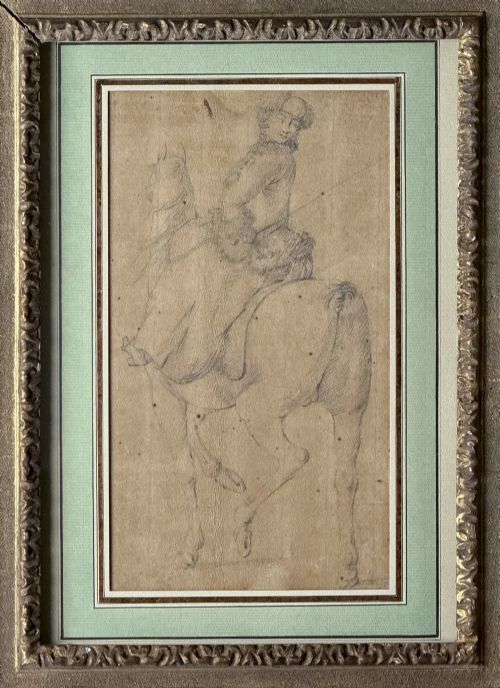
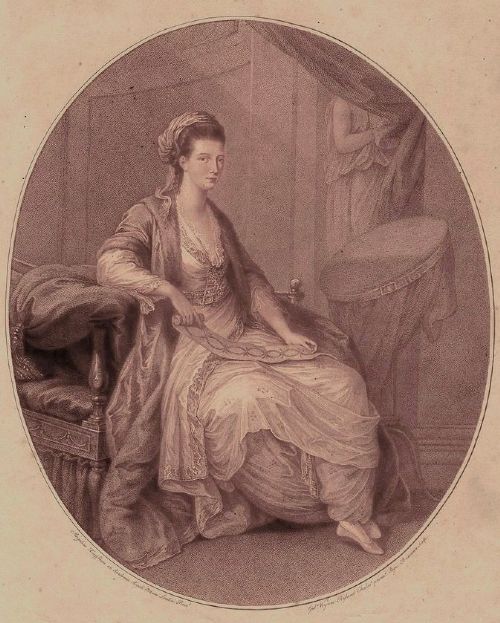
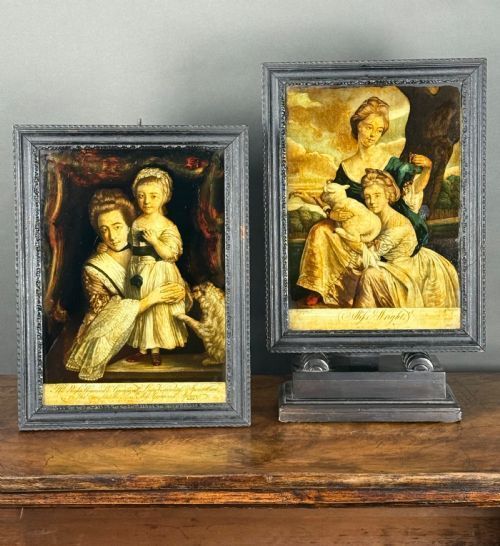
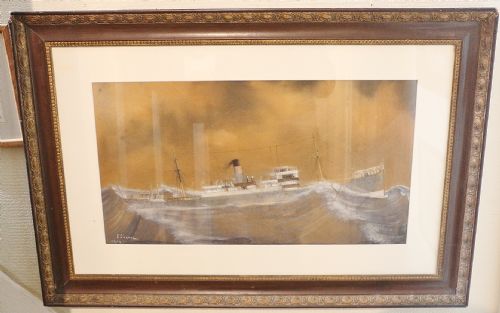
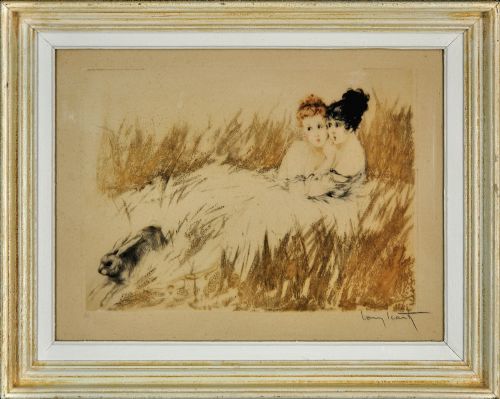
The selection includes framed prints, etchings, and gouache studies depicting both notable figures and unidentified subjects. Works range from early eighteenth-century equestrian and portrait engravings to nineteen-twenties depictions of animals and human subjects.
Pieces draw upon distinct stylistic movements such as Georgian Neoclassical, Victorian, Edwardian, and Art Deco. Buyers find subjects spanning nobility, military officers, literary figures, and domestic scenes rendered in paper and glass mediums.
Materials and methods of execution
Makers utilised paper, buff paper, and glass as primary supports for ink, graphite, pencil, watercolour, and gouache. Artists employed etching, stipple engraving, mezzotint, and lithography techniques alongside direct hand-drawn methods.
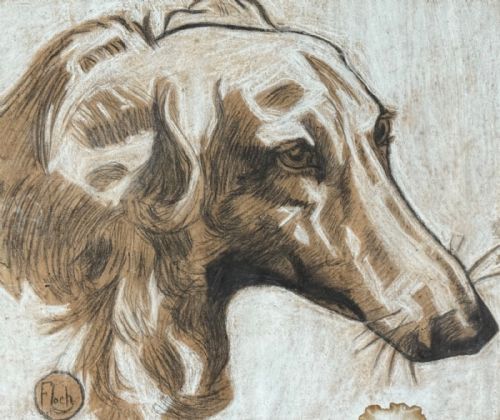
Many works incorporate layered media, combining charcoal, monochrome ink, and watercolour over pencil sketches. Gilt gesso frames frequently house these framed artworks, preserving the delicate paper surfaces against environmental damage.
Materials documented across the pieces comprise paper, glass, ink, wood, watercolour, graphite, pencil, and gouache.
Distinctions in quality and execution
The sophistication of the printmaking process or the finesse of the original hand-colouring distinguishes finer examples. Preservation of the paper support, minimal fading, and the integration of period-appropriate framing contribute significantly to a piece's standing.
Herbert Dicksee·Louis Icart·J F Marie Huet Villiers·Van Dyck·Francis Wheatley·Blockey·Mr Howard·Mr Bond·Henri Josephe Hesse·Theobald Chartran·Dame Laura Knight·F Corpuz
The Antique Sepia Portrait Artwork Glossary
- Sepia
- A reddish-brown pigment derived from the ink sac of the cuttlefish, widely utilised for monochrome drawings and prints.
- Mezzotint
- A printmaking process of the intaglio family where the plate is roughened to produce rich tones and subtle gradations of light and shade.
- Stipple engraving
- A technique using dots of varying density and size to create tonal effects and soft outlines in printed images.
- Gouache
- An opaque water-based medium composed of ground pigments and a binding agent, often combined with pencil in these works.
- Etching
- A printmaking method where lines are incised into a metal plate with acid before ink is applied and transferred to paper.
Antique Sepia Portrait Artwork: Frequently Asked Questions
What is sepia artwork?
Sepia artwork utilises a distinctive brown monochrome pigment traditionally sourced from marine molluscs. Artists applied this medium extensively across centuries for its warm, stable tonal qualities.
In portraiture, the monochromatic palette focuses attention entirely upon line, shadow, and expression without the distraction of colour.
How do I date these pieces?
Dating relies upon examining the paper type, framing materials, stylistic indicators, and any inscribed signatures or dates. Eighteenth-century works often display distinct plate marks and laid paper characteristics.
Later Victorian and Edwardian pieces reflect shifts in printing technology and artistic conventions documented in the titles.
How should I frame them?
These works require conservation-grade framing utilising acid-free mounts and UV-protective glass to prevent fading of the delicate inks and watercolours. Many pieces retain their original gilt gesso frames, which require careful handling.
Positioning works away from direct sunlight preserves the integrity of the paper and pigment over time.
What subjects appear most often?
Portraits of historical figures, nobility, military officers, and anonymous sitters dominate the selections alongside domestic animal studies. Artists also recorded contemporary scenes, literary characters, and architectural subjects.
This variety reflects changing social interests from the Georgian period through the interwar years.