





Georgian Child Oil Painting
A georgian child oil painting captures the distinct character of youth through centuries-old portraiture, offering buyers a window into historical domestic life.
Georgian Child Oil Painting
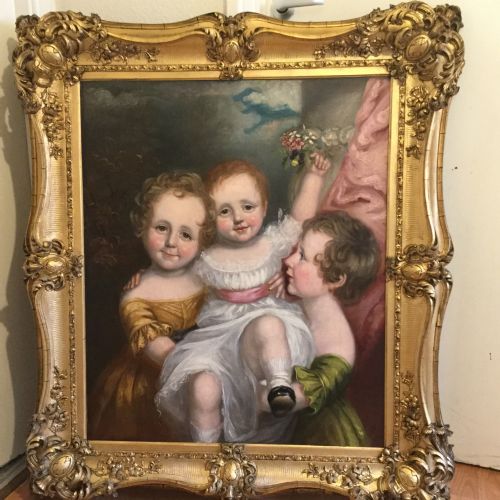
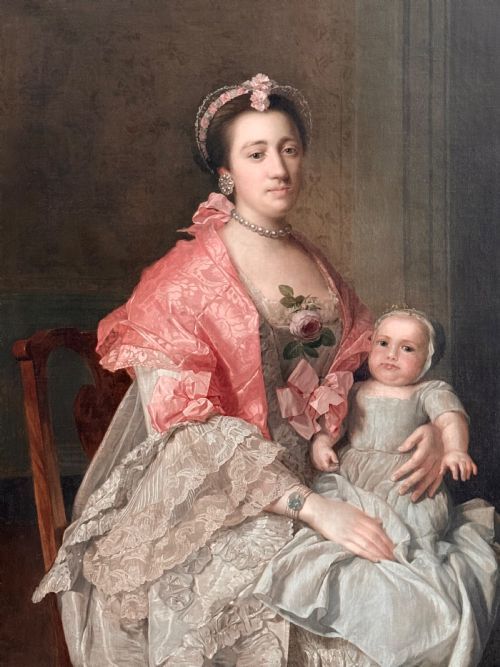
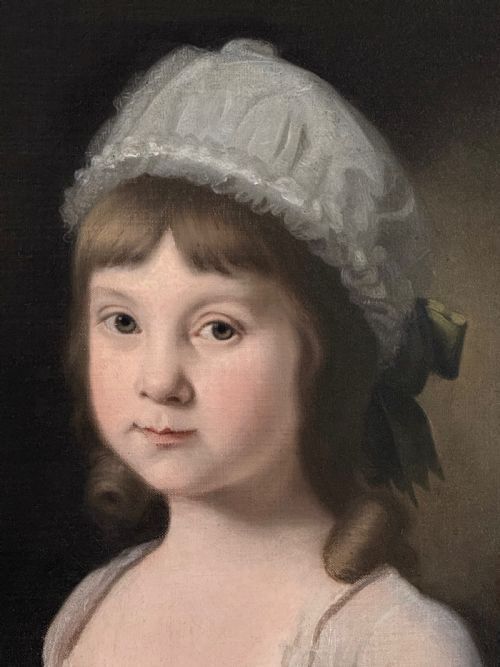
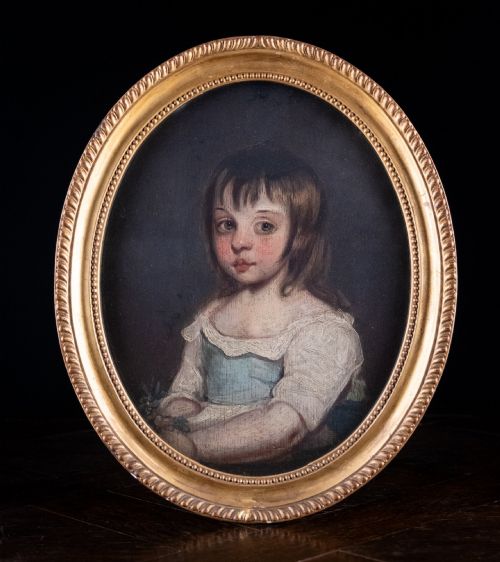
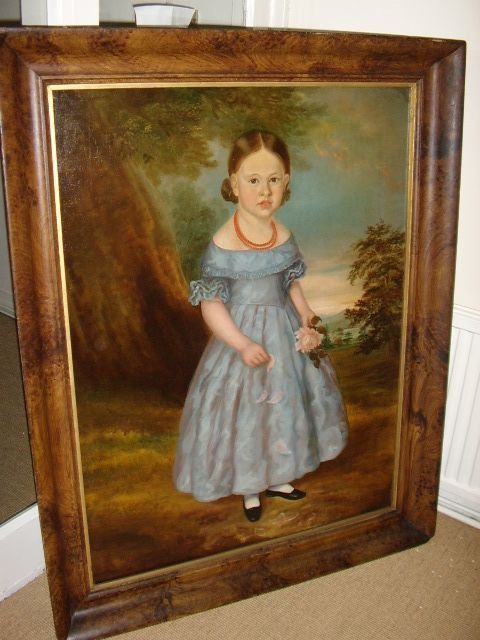
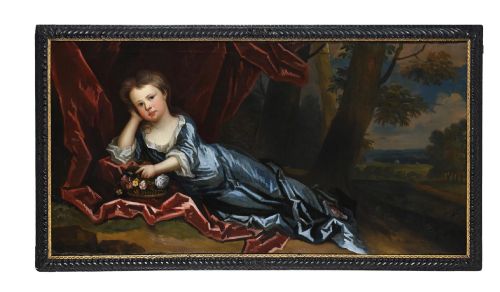
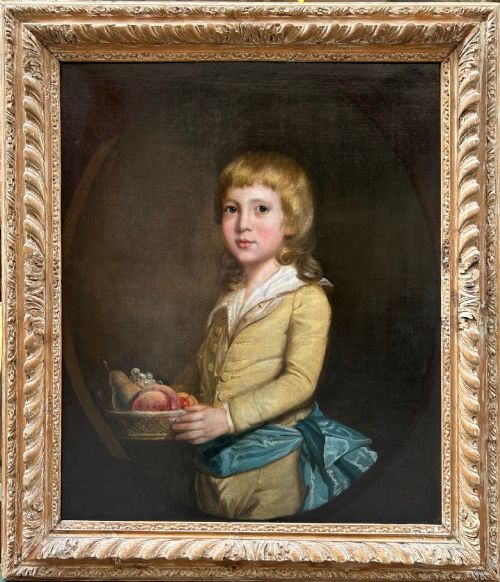
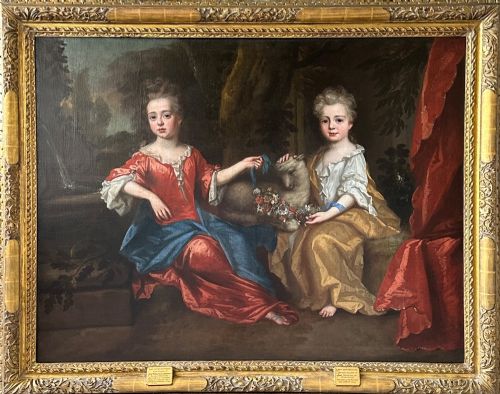
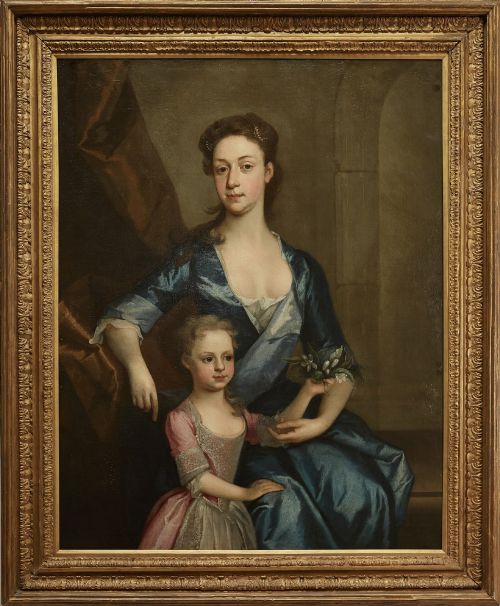
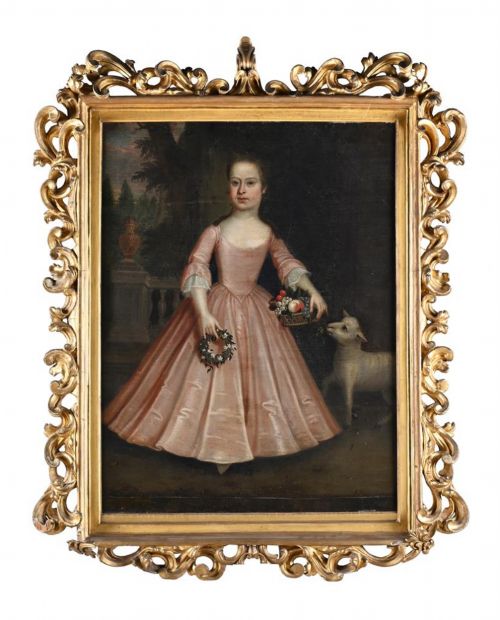
A georgian child oil painting represents young subjects from the eighteenth and early nineteenth centuries, encompassing formal studio commissions and regional folk art. Buyers browsing this selection frequently encounter works depicting children accompanied by pets, toys, or nature elements such as fruit and birds. These portraits range from grand canvases by established court painters to naive interpretations created by anonymous provincial hands.
The compositions span the eighteenth century into the Regency period, showing subjects dressed in the formal miniature adult attire or relaxed smocks typical of the era. Many pieces capture siblings together or children paired with their mothers, reflecting family dynamics of the period. Surviving examples often retain their original aesthetic context through period framing choices.
Materials and Construction
Artists painted these works primarily using oil paint applied to woven canvas supports, though surviving examples on wooden boards or panels also appear. The ground layer typically consisted of gesso or lead white preparation before the application of oil pigments. Canvases were stretched over wooden frames, occasionally held within heavy giltwood surrounds that complement the artwork.
Brushwork varies from the fluid, layered glazes employed by royal academicians to the direct, unpretentious strokes seen in naive regional pieces. Pigments derived from natural earths and minerals give these older works their muted, stable palettes. Varnish layers applied for protection often amber with age, deepening the tonal quality of the background.
Listings feature works spanning the eighteenth and nineteenth centuries, executed primarily in oil on canvas and housed in giltwood frames.
Factors That Determine Quality
The sophistication of the draughtsmanship and the anatomical accuracy of the child's face and hands distinguish superior canvases from simpler provincial outputs. Master portraitists achieved lifelike expressions and delicate skin tones through subtle layering, whereas lesser works rely on flat planes and rigid outlines.
The presence of identifiable sitters, documented provenance, or attribution to a recognised studio elevates the historical significance of a piece. Furthermore, the condition of the original paint surface, minimal retouching, and the integrity of the underlying canvas contribute heavily to the standing of the work.
Sir Joshua Reynolds·Thomas Beach·Sir Thomas Lawrence·Michael Dahl·Joseph Highmore·Arthur William Devis·Philip Mercier·George Knapton·John Russell
The Georgian Child Oil Painting Glossary
- Giltwood
- Wood carved and covered with a thin layer of gold leaf, commonly used for period picture frames. This finish provides a bright, reflective border that enhances darker oil pigments.
- Naive Art
- Artistic work produced by a person lacking formal training, often characterised by charming perspective quirks and direct storytelling. These pieces offer an honest view of historic domestic life.
- Canvas
- Heavy woven fabric stretched across a wooden frame to serve as a sturdy surface for oil painting. Linen was the preferred textile for fine portraits.
- Regency
- The period in British history from 1811 to 1820, marked by distinct shifts in fashion, portraiture style, and interior decoration. Works from this era often display lighter, more expressive brushwork.
Georgian Child Oil Painting: Frequently Asked Questions
What clothes did children wear?
Subjects in these portraits typically wear miniature versions of adult dress or simple muslin frocks depending on their age and the decade. Younger children of both sexes often wore dresses before graduating to breeches or trousers.
Artists meticulously recorded the lace collars, sashes, and buttons that marked the social standing of the family. These garments provide clear visual markers for dating the portrait accurately.
Why do children hold toys?
Objects like spinning tops, maps, books, or fruit were included to symbolise education, play, or future virtues. Pets such as dogs and birds frequently appeared to demonstrate gentleness and loyalty.
These symbolic props helped portraitists construct a moral narrative around the child's upbringing. They also gave young sitters something to hold during long periods of posing.
How should I hang my painting?
Oil portraits on canvas require stable environmental conditions away from direct sunlight and excessive humidity. Maintaining moderate room temperatures prevents the canvas from slackening and the paint from cracking.
Hang the piece securely on a structural wall using hardware appropriate for the weight of the heavy wooden frame. Avoid placing paintings directly above active heat sources.
Are all these portraits British?
The majority of the works originate from British schools, reflecting domestic portraiture traditions from the seventeen and eighteenth centuries. Painters working across England and occasional continental visitors documented local families.
Some works record colonial connections, such as children painted during travels abroad within the British Empire. Style and costume details generally point back to British aesthetic standards.