



Rococo Female Portrait
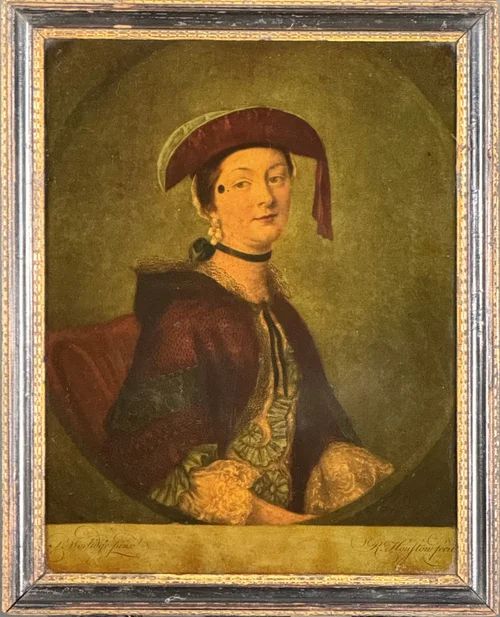
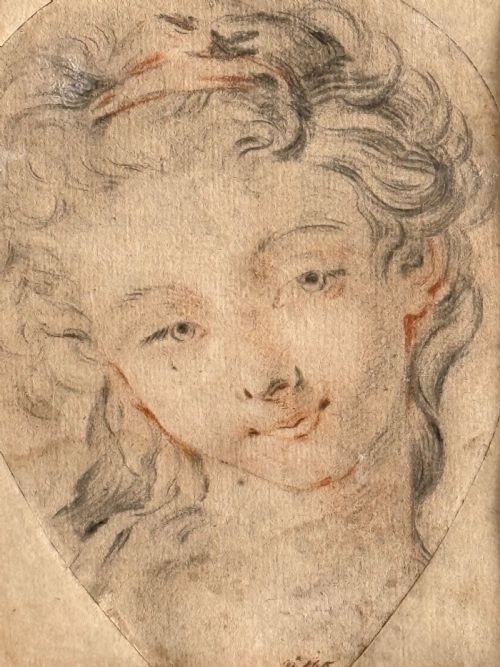
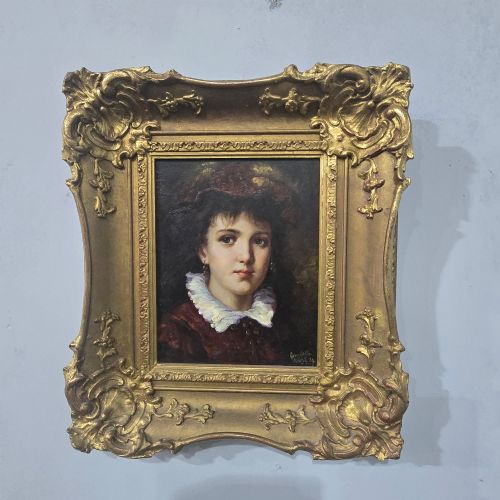
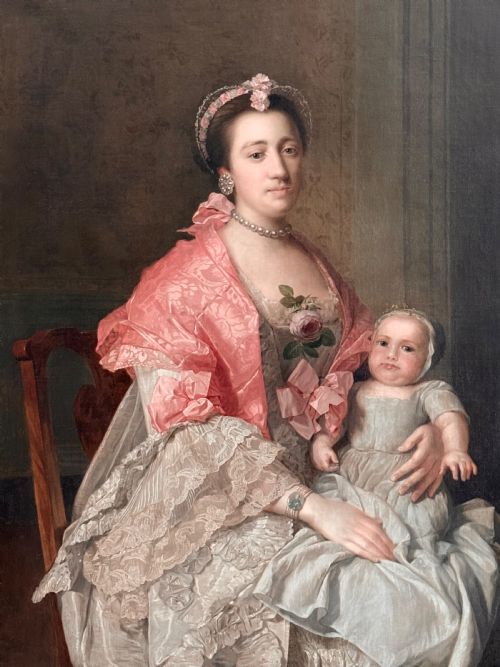
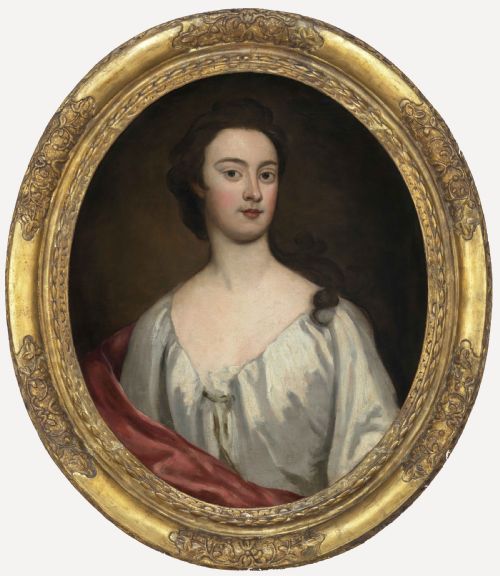
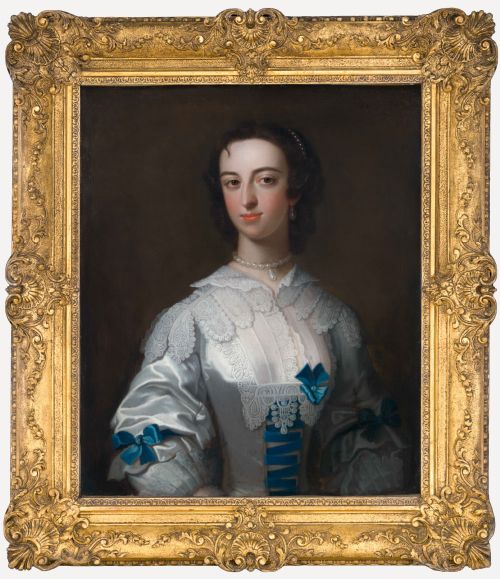
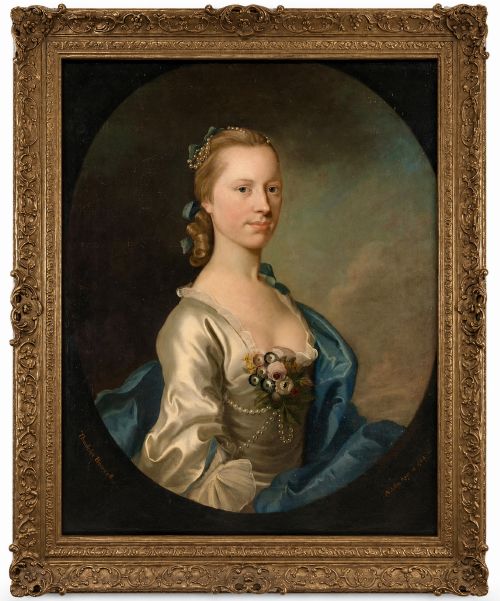
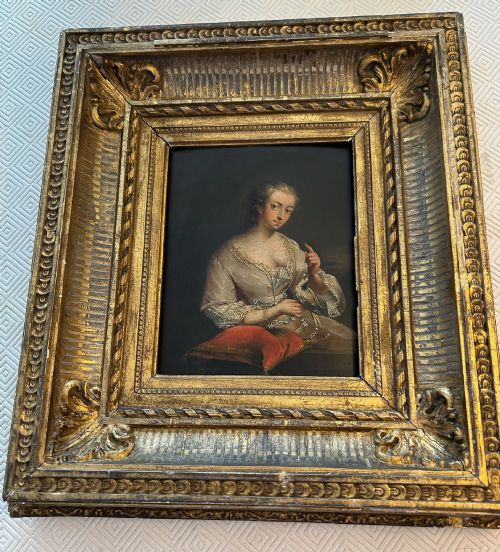
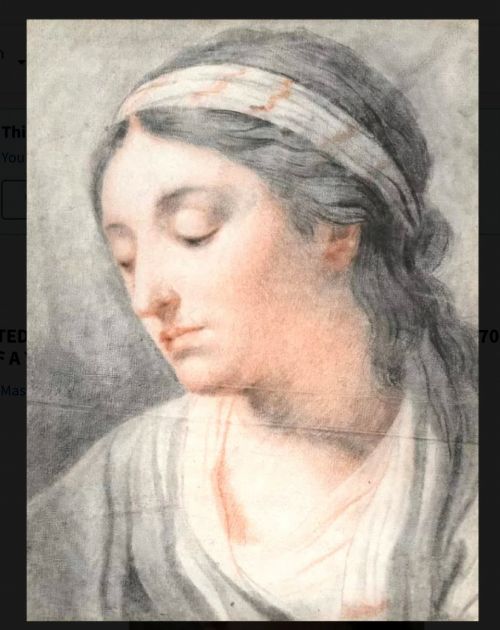
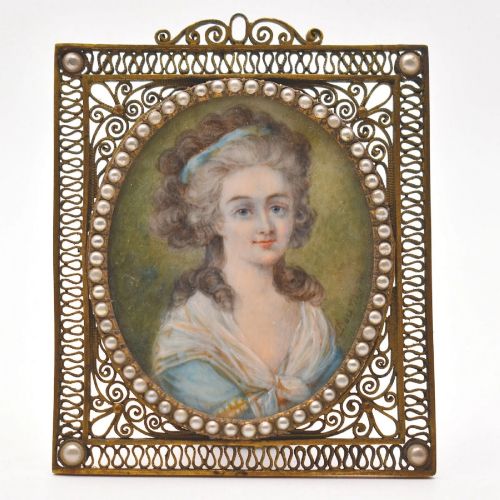
These rococo female portrait pieces are graceful historic works capturing elite femininity in oil and pastel, prized for their delicate palettes and ornate frames.
Understanding rococo female portrait
A rococo female portrait depicts women and girls in elaborate or pastoral settings, originating primarily from the eighteenth century with later nineteenth century examples. These works capture subjects with gentle expressions, often accompanied by symbolic elements such as lambs or musical instruments like the cello.
The objects seen on this page appear as oil paintings on canvas or pastels on paper, framed in gilded wood or giltwood with gold leaf. They range from intimate cabinet pieces to large scale wall art.
Most items belong to the Georgian and eighteenth century rococo styles, reflecting French baroque influences. Buyers encounter both original eighteenth century works and nineteenth century interpretations.
Materials and methods
Makers utilised oil on canvas and pastel on paper to create these depictions, applying pigment with careful brushwork or dry media techniques. Wooden supports and frames provide structure for the canvas.
Gilded wood and gold leaf finish the ornate frames that encase the paintings and pastels. These decorative surrounds complement the visual aesthetic of the portrait.
Retail Price Guide 2026
Typical UK retail prices for rococo female portrait, calculated from the Sellingantiques database of over a million retail prices indexed since 2003. This retail price guide relies exclusively on Sellingantiques data; no external sources or auction records are used, so the figures do not describe the wider market.
Several portraits feature charming animal companions, including a lamb and a musician playing the cello.
Assessing quality
Quality rests in the finesse of the brushwork or pastel handling, distinguishing deft anatomical rendering from stiffer execution. The psychological depth of the sitter and the harmony of the composition elevate superior examples.
The craftsmanship of the frame also dictates overall standard, where hand carved giltwood with intact gold leaf demonstrates greater care than later or simpler wooden replacements.
Pierre Gobert·Balthasar Denner·Arthur Pond·George Knapton
The Rococo Female Portrait Glossary
- Oil on canvas
- A painting medium where pigments bound in oil are applied to a woven fabric stretched across a wooden frame. This technique allowed artists to achieve rich colour depth and smooth blending.
- Pastel
- A dry painting medium consisting of powdered pigment and a binder rolled into sticks. It creates a velvety surface texture frequently utilised for delicate portraiture.
- Giltwood
- Wood that has been coated with a thin layer of gold leaf or powder. It provides a luminous, decorative border for historic artworks.
- Georgian
- The period of British history spanning the reigns of the first four Georges, associated with specific architectural and artistic developments. Portraits from this era often reflect refined societal tastes.
Frequently Asked Questions
How do I date a rococo female portrait?
Dating relies on stylistic clues within the clothing, hair styling, and framing materials. Examining the canvas preparation and stretcher construction also helps determine the age.
Eighteenth century pieces typically display distinct pigment composition and canvas weaves compared to nineteenth century revivals. Attributions to known painters offer further chronological anchors.
Were these portraits originally framed in giltwood?
Many historic portraits retain their original or period-appropriate gilded wooden frames. These frames were designed to complement the artwork and display status.
Changes in framing styles over centuries mean some pieces have later nineteenth century or modern replacements. Matching the frame style to the painting era remains an important consideration.
What is the difference between oil and pastel portraits?
Oil paintings utilise pigment suspended in drying oils on canvas, offering durability and deep tonal variations. Pastels use dry powdered pigments on paper to achieve a soft, matte finish.
Pastel works require protective glass glazing to prevent the delicate medium from smudging. Oil paintings on canvas are more robust but still sensitive to environmental humidity.
How should I hang and light these paintings?
These portraits suit formal reception rooms or studies where stable temperature and humidity protect the canvas or paper. Direct sunlight should be avoided to prevent fading of pigments and degradation of gold leaf.
Low heat picture lights or ambient room illumination preserve the delicate glazes of eighteenth century oils. Wall fixings must safely support the combined weight of the artwork and heavy wooden frame.