





Eighteenth Century Portrait
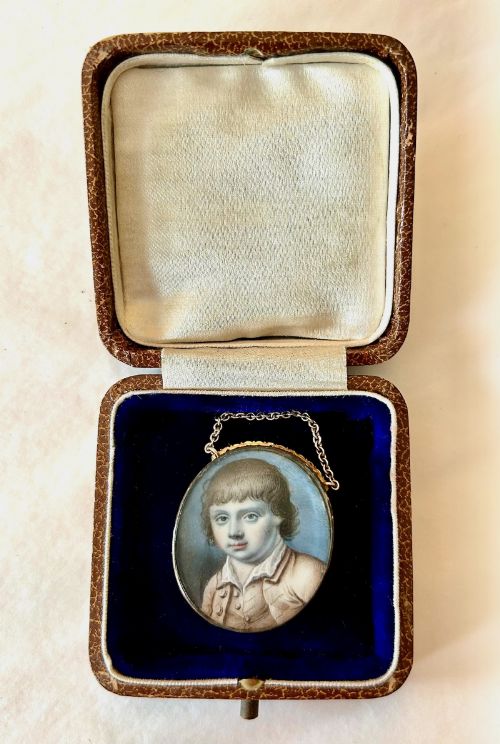
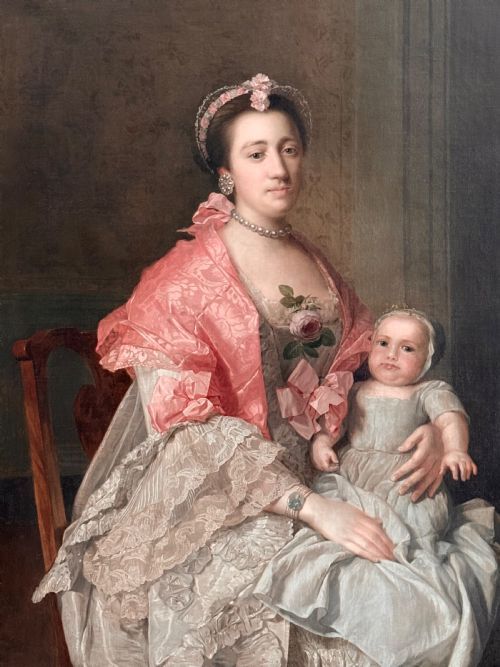
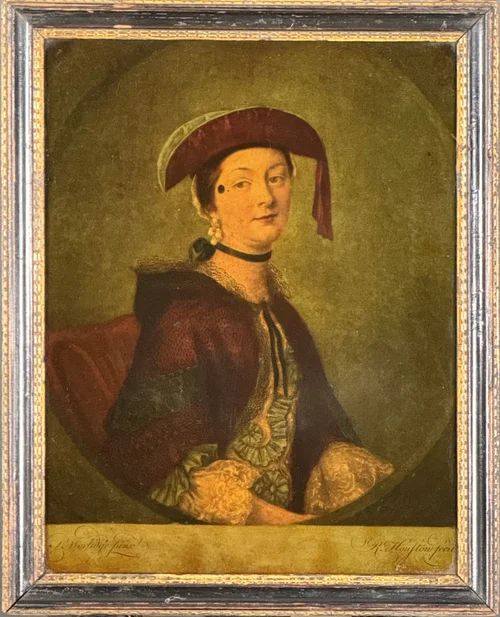
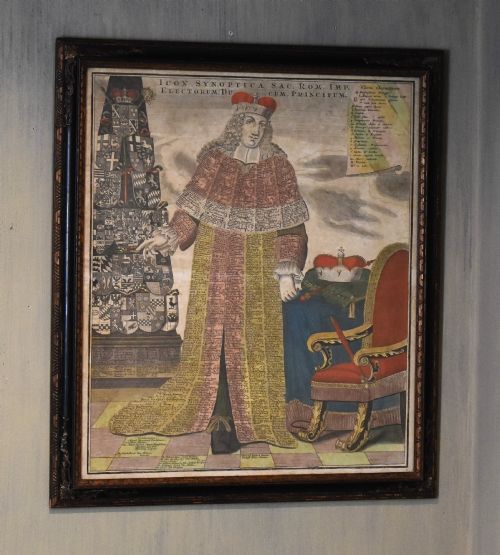
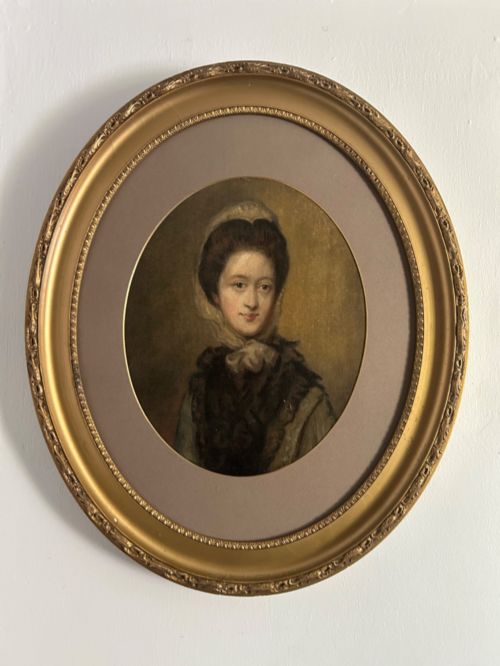
An eighteenth century portrait captures the distinct likeness of a sitter through oil on canvas, delicate enamel, or early print.
Eighteenth Century Portrait
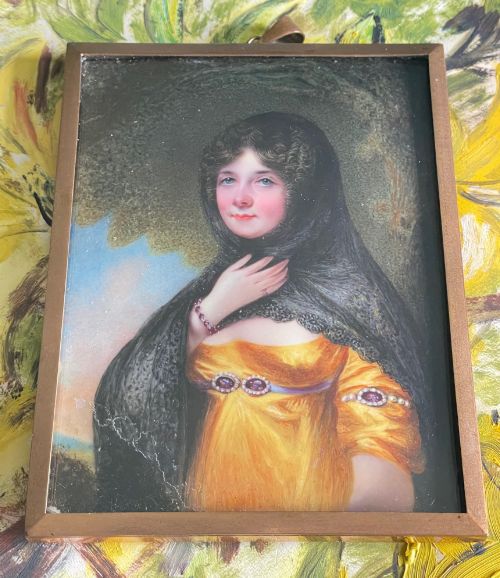
An eighteenth century portrait encompasses oil paintings, mezzotint engravings, enamel miniatures, and pastels depicting named sitters, classical figures, or anonymous subjects. These works originate primarily from the Georgian and Regency eras, reflecting the aesthetics and society of their respective periods.
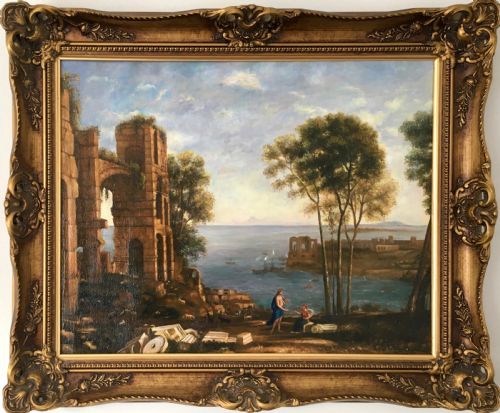
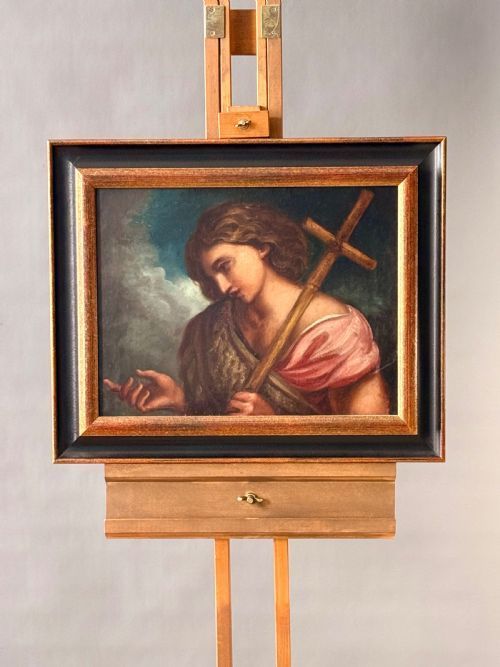
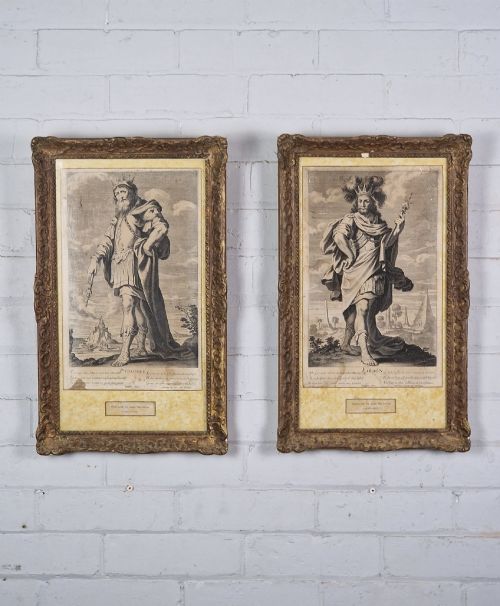
The most common examples on this page are prints and oil paintings housed in wood, glass, and gold leaf frames. Buyers encounter both large oil canvases and intimate framed works created across British and European workshops.
How they were made
Artists painted using oil paint on canvas or worked with ink and paper for printed editions, often utilising copper plates for detailed mezzotint engravings. Enamel miniatures required specialised firing techniques on metal substrates to achieve permanent colour.
Framing utilised wood and gold leaf, frequently incorporating glass to protect vulnerable surfaces like paper prints, pastels, and reverse painted mezzotints from environmental damage.
Eighteenth Century Portrait Retail Price Guide 2026
Typical asking prices for eighteenth century portrait among the pieces listed under this phrase on Sellingantiques today, from the lower quarter to the upper quarter. They describe what is for sale here now, not the wider market.
What varies in quality
Quality rests upon the skill of the artist or engraver in capturing anatomical precision and psychological depth in the sitter's expression. Master works display subtle handling of light and shadow, whereas lesser pieces rely on formulaic execution and stiffer lines.
The preservation of the original medium heavily influences overall quality, from the stability of oil paint on canvas to the crispness of ink impressions on antique paper.
The Eighteenth Century Portrait Glossary
- Mezzotint
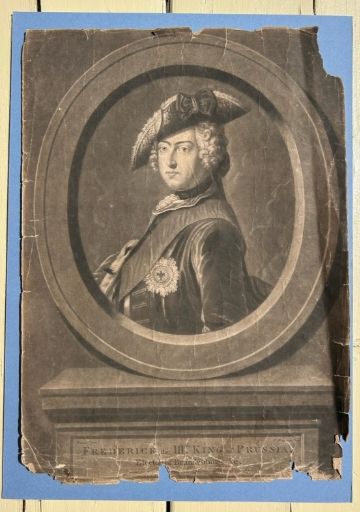
- A printmaking process where the copper plate is roughened to produce dark tones, allowing for rich gradations of light and shadow. This technique was widely utilised for reproducing painted portraits.
- Enamel
- A durable substance created by fusing powdered glass to a metal base under high heat, commonly used for small-scale portrait miniatures. It provides a glossy finish that resists fading.
- Georgian
- A period spanning the reigns of the four King Georges, marked by distinct architectural, artistic, and decorative styles. Portraiture from this era often emphasises elegance and realism.
- Baroque
- An artistic style characterised by dramatic movement, deep shadow, and exuberant detail, originating in Italy before spreading across Europe. Baroque portraits convey theatrical presence and emotional intensity.
Eighteenth Century Portrait: Frequently Asked Questions
How do I care for an oil portrait?
Keep the canvas away from direct sunlight and dramatic temperature fluctuations to prevent the oil paint from cracking.
Dust the frame gently with a dry, soft cloth and avoid using liquid cleaners on the canvas surface.
What is a mezzotint engraving?
A mezzotint is an intaglio printmaking method that permits smooth graduations of tone rather than reliance solely on lines.
Artists scraped and roughened a copper plate to produce velvety dark areas and luminous highlights.
How can I tell a print from an oil painting?
Examine the surface texture closely under magnification to look for canvas weave or visible brushstrokes of dried oil paint.
Prints on paper display a flat surface with ink sitting within the fibres or indentation marks from the printing plate.
Where were these portraits displayed?
Owners hung large oil canvases in reception rooms and galleries to project social standing and family lineage.
Smaller prints, pastels, and miniatures decorated intimate chambers, private studies, or portable travelling cases.