

Antique Portrait of Women
These antique portrait of women pieces span centuries of artistic observation, offering collectors a direct glimpse into historical fashion, status, and personal identity.
Antique Portrait of Women
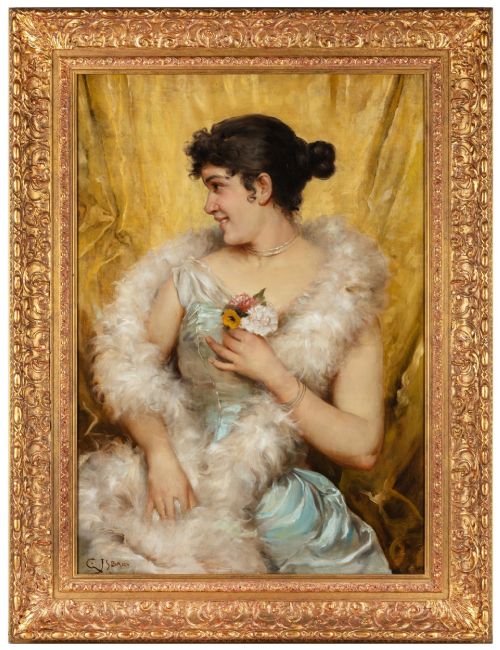
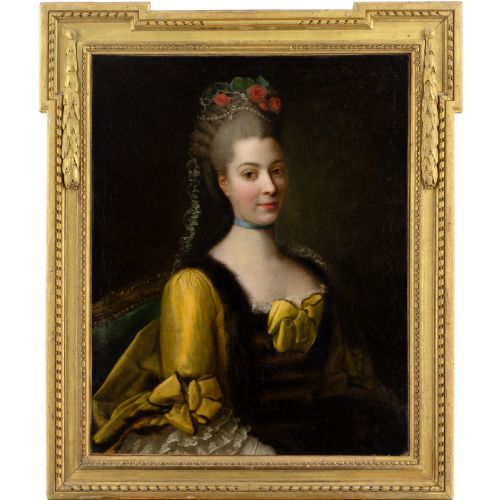
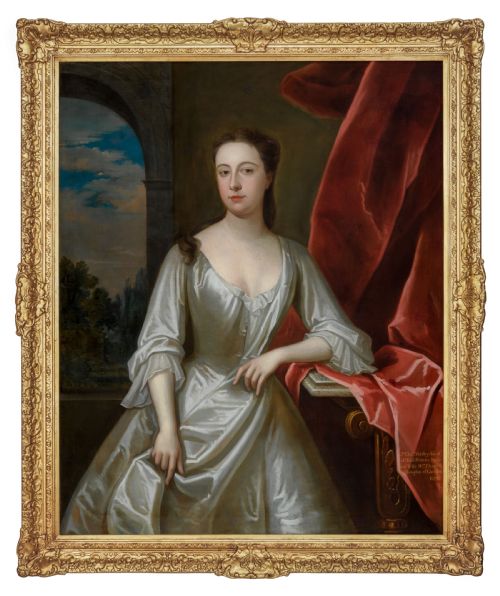
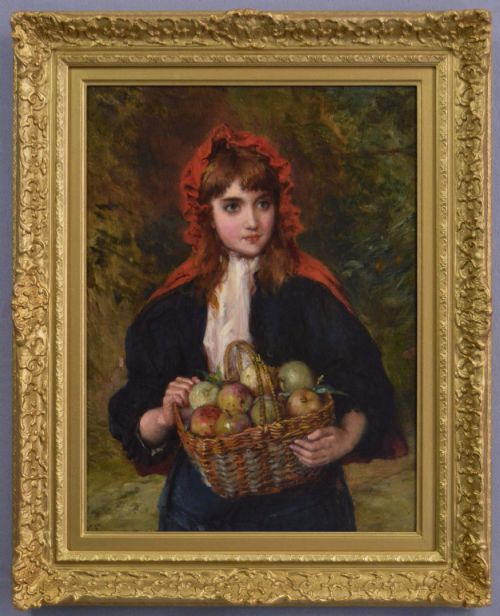
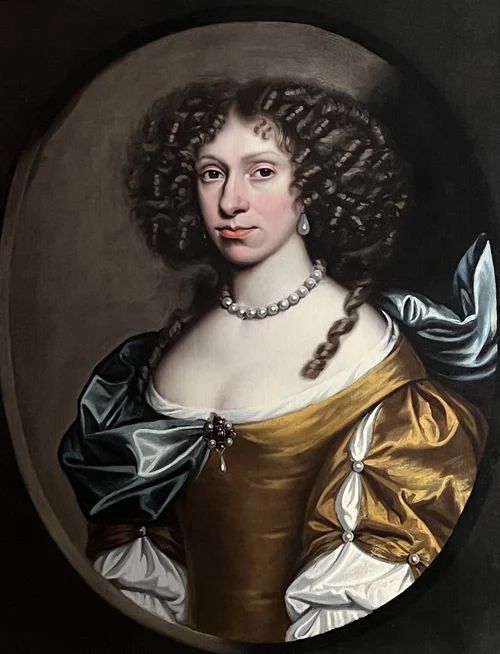
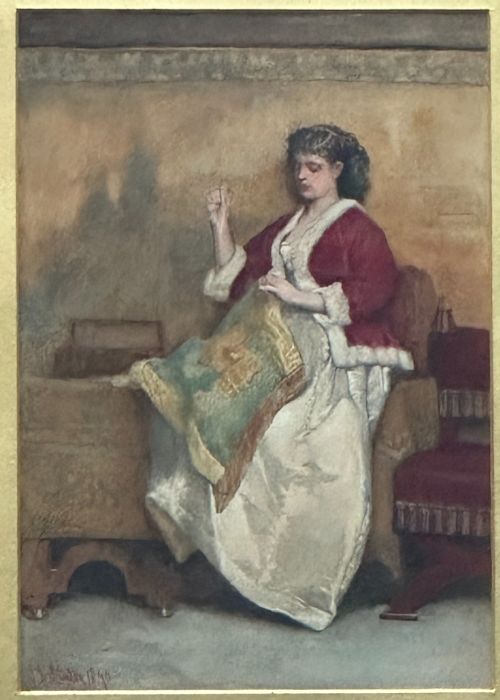
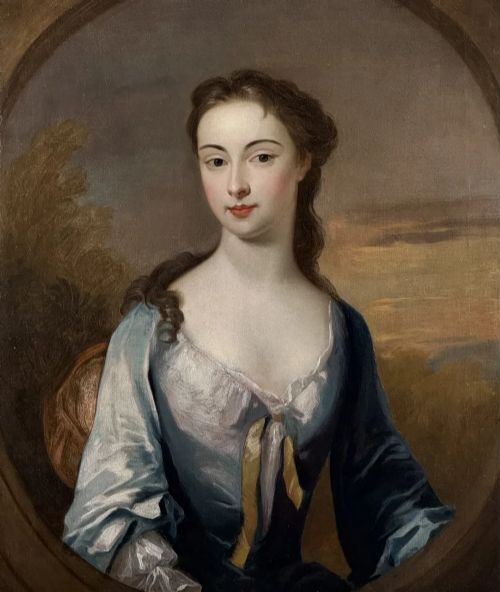
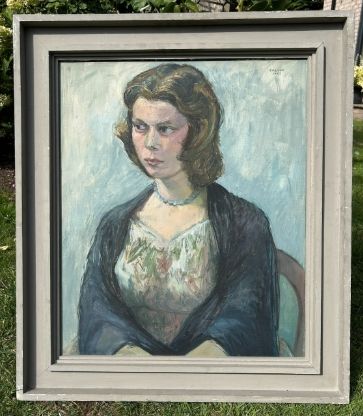
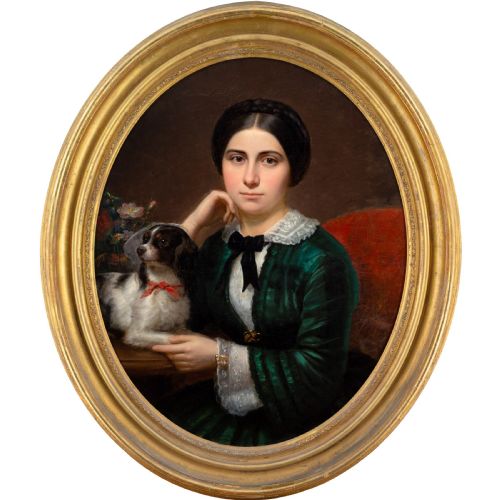
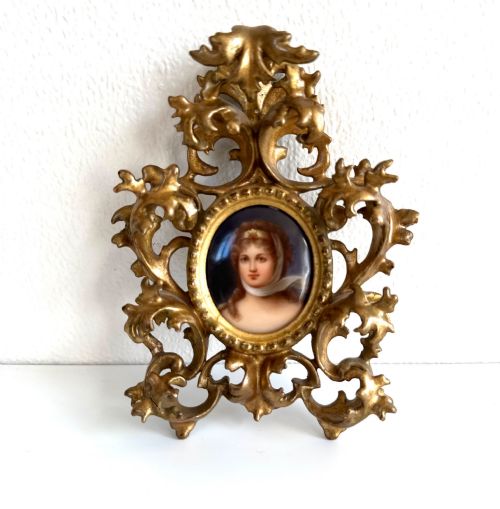
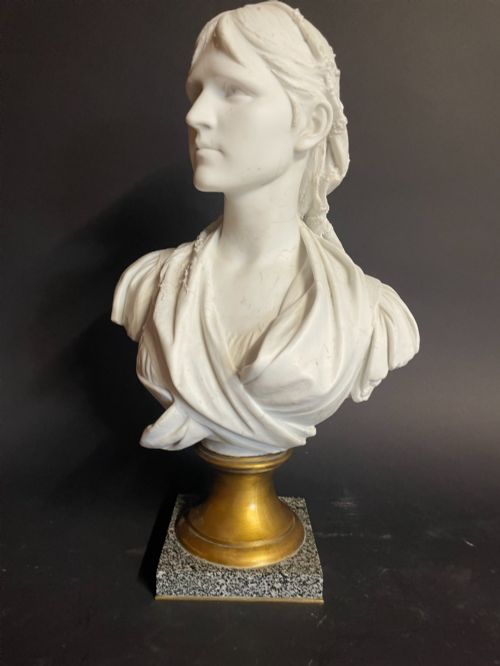
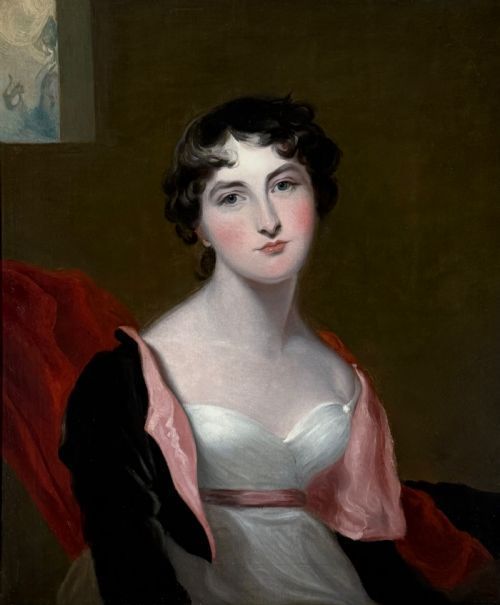
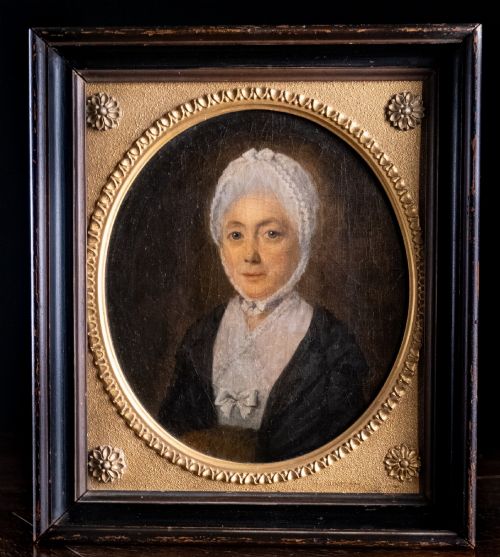
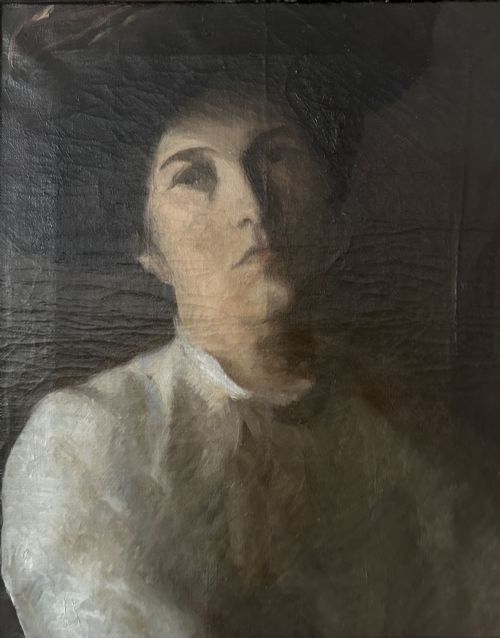
An antique portrait of women captures female subjects across diverse social ranks, ranging from aristocratic ladies in formal dress to everyday figures engaged in domestic tasks. The selections on this page encompass substantial canvas works alongside intimate portrait miniatures and sculptural busts.
The historical scope reaches from the sixteenth century through the Edwardian era and into the twentieth century. Earlier examples often display classical or aristocratic restraint, while later Victorian and Edwardian pieces lean toward expressive realism and narrative domestic scenes.
Mediums extend beyond traditional oils to include watercolours, pastels, prints, and sculptural forms in marble, alabaster, bronze, and terracotta. This variety allows collectors to choose between grand wall art and delicate cabinet pieces.
How they were made
Oil paint applied to stretched canvas or wooden board forms the primary technical foundation for the majority of these works. Artists built depth through layered glazes, rendering fabrics, skin tones, and detailed backgrounds with meticulous brushwork.
Watercolours and pastels on paper represent alternative flat mediums, frequently protected behind glass within period frames. Sculptural depictions utilise carved alabaster, cast bronze, or moulded terracotta to create three-dimensional likenesses.
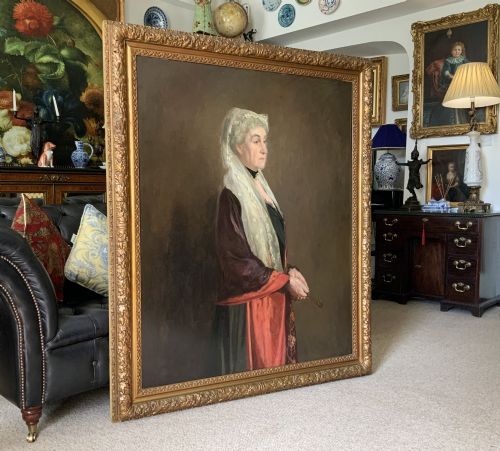
Frames play an integral role in construction, with many pieces retaining original giltwood or moulded surrounds that complement the aesthetic of their respective periods.
Several ladies immortalised in these historic oils share their frames with loyal canine companions and baskets overflowing with freshly picked apples.
What varies in quality
Technical execution in facial rendering and anatomical proportion separates masterworks from workshop productions. Superior pieces capture personality and lifelike presence through confident brushwork, subtle light management, and expressive detail in the eyes and hands.
The sophistication of the composition and the preservation of the surface pigment dictate collector appeal. Original untouched surfaces retain greater artistic integrity than heavily restored canvases, while finely chased frames add distinct provenance value.
Sir Godfrey Kneller·William Oliver·David Scougall·Sir James Dromgole Linton·Charles Jervas·Sir Thomas Lawrence·Max Kaltenmoser·Charles Stuart Forbes·Charles James McCall·Joshua Reynolds
The Antique Portrait of Women Glossary
- Portrait miniature
- A small, highly detailed painting, often executed on ivory, vellum, or card, designed for private viewing or wearing.
- Giltwood
- Wood that has been coated with gold leaf or gold paint, frequently used for decorative antique picture frames.
- Neoclassical
- A Western cultural movement drawing on the art of classical antiquity, notable in portraits through draped garments and balanced compositions.
- Provenance
- The chronological documentation of the ownership history of a work of art, establishing its authenticity.
- Glaze
- A thin, transparent layer of oil paint brushed over an opaque underlayer to modify colour depth and luminosity.
Antique Portrait of Women: Frequently Asked Questions
How do I identify the period of a portrait?
Examine the sitter's costume, hairstyle, and collar design, as these fashion elements change rapidly across decades and centuries. Frame styles and canvas construction methods also offer reliable chronological clues.
Compare the painting technique with known artistic movements of the era, noting whether the work displays Baroque theatricality or Victorian narrative detail.
Where were these portraits displayed originally?
Large oil paintings typically hung in the reception rooms, galleries, and staircases of grand country houses to display family lineage and status. Smaller works and miniatures were kept in private chambers or carried as personal tokens.
Sculptural busts adorned libraries, antechambers, and neoclassical garden rooms as symbols of classical learning and refined taste.
Can I hang oil portraits in modern rooms?
These pieces integrate well into contemporary interiors, providing a striking focal point above mantelpieces or along hallways. Their rich historical context adds depth to minimalist or eclectic design schemes.
Protect the canvas from direct sunlight and excessive humidity fluctuations to preserve the stability of the paint and wood.
What is the difference between an oil on canvas and an oil on board?
Canvas involves woven textile stretched over a wooden frame, offering slight give and a textured surface for the paint layers. Board provides a rigid support panel, often resulting in a flatter, smoother finish favored by some nineteenth-century artists.
Both mediums were standard practice, though board was frequently utilised for smaller sketches or plein air studies.