
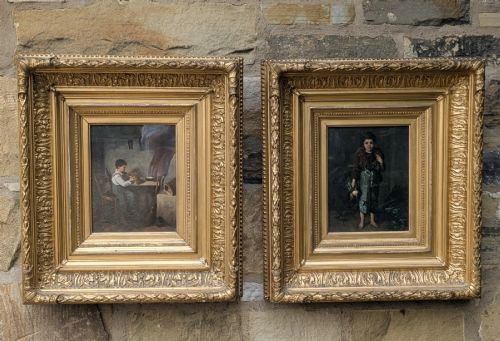
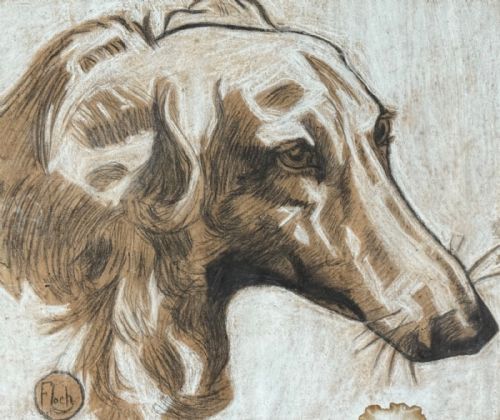
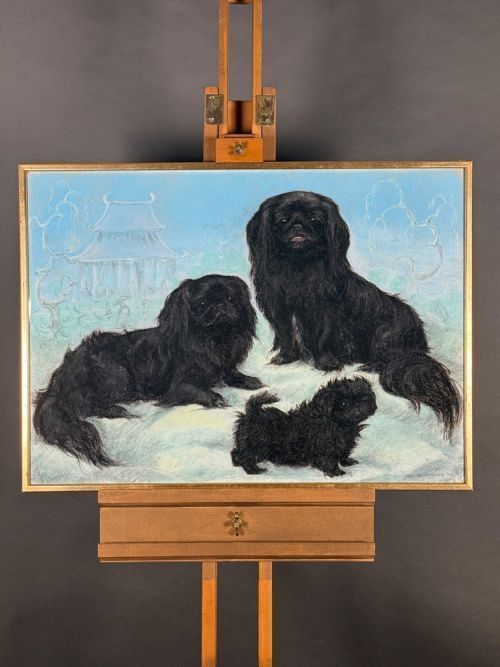
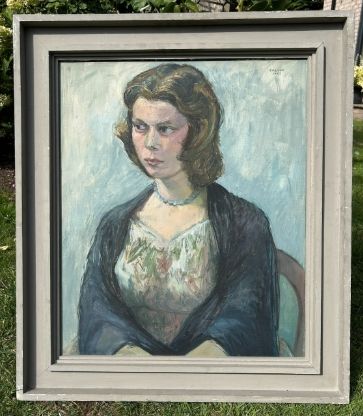
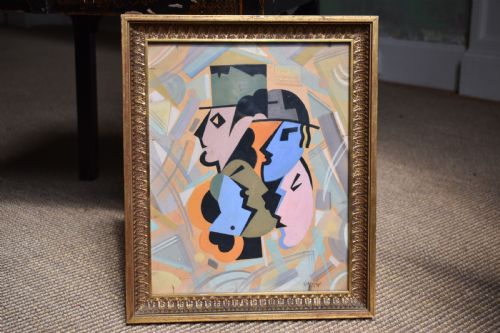
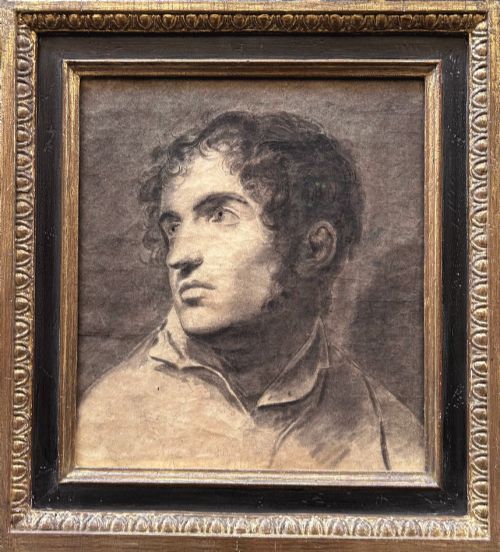
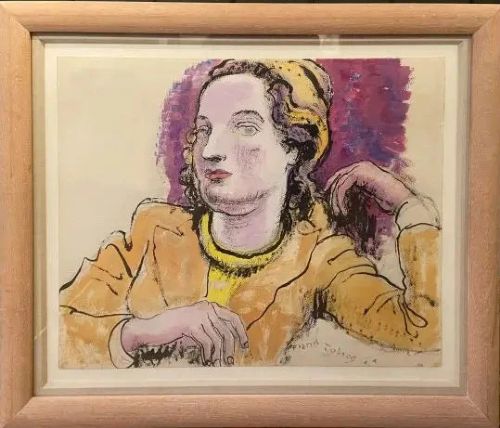
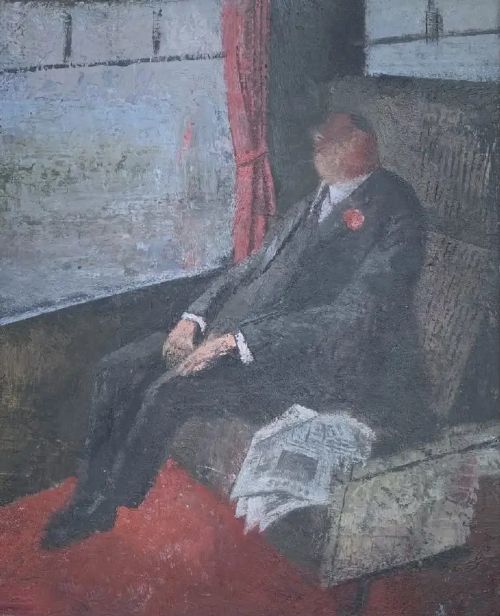
Framed Portrait Study
A framed portrait study captures the intimate process of artistic observation, offering a direct glimpse into the sitter's character through rapid sketches or finished oils.
Framed Portrait Study
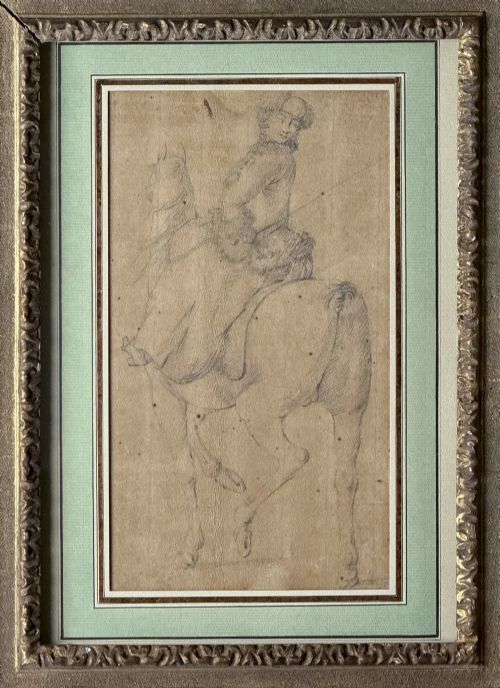
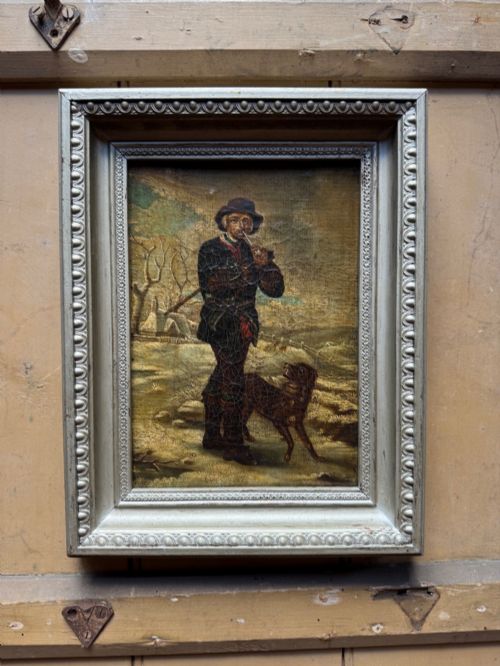
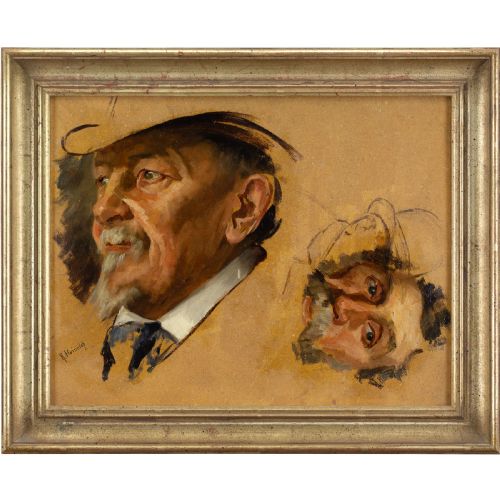
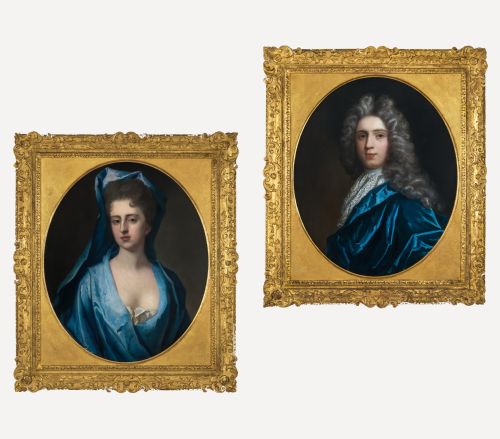
A framed portrait study represents a preliminary exploration or focused rendering of a human or animal subject, frequently executed in oil, pastel, pencil, or watercolour. These works range from seventeenth-century aristocratic depictions to twentieth-century academic life drawings.
Buyers encountering this selection will find examples spanning multiple periods, including nineteenth-century realism, Regency pastels, and mid-century British modernism. The framing preserves these delicate paper and canvas surfaces while providing immediate display capability.
Subjects vary widely from named historical figures and nobility to anonymous models, artists' assistants, and animal studies such as horses and dogs. Each piece records the hand of the maker testing composition, light, and expression before a larger finished canvas.
Materials and Technique
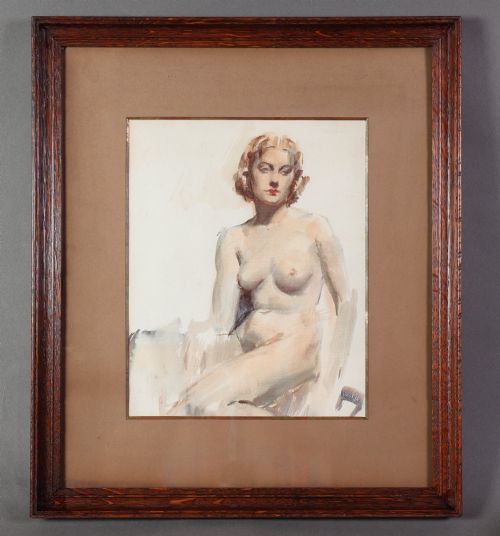
Artists relied on traditional supports such as canvas, paper, buff paper, and wood panels, applying media that included oil paint, gouache, ink, wash, and charcoal. Pastels and watercolours required protective glass glazing, while oil paintings on canvas were often housed in decorative wood or giltwood frames.
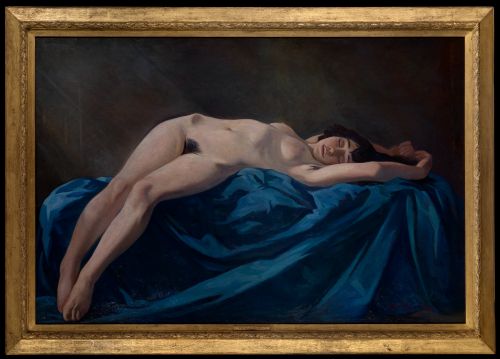
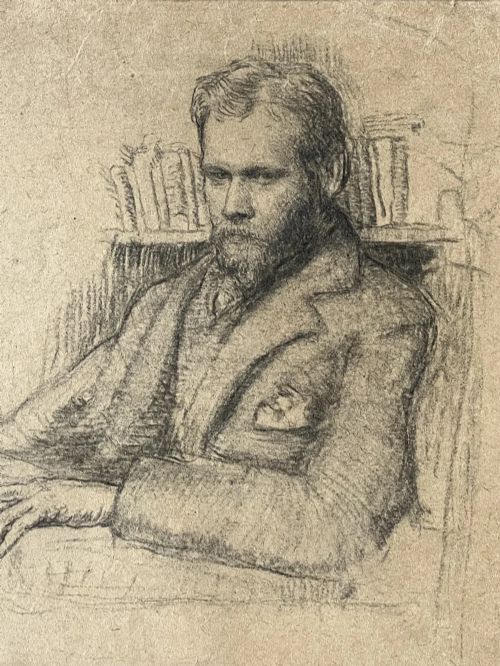
Draftsmanship formed the foundation of these works, visible in the underlying pencil and ink lines of watercolour and gouache pieces. Oil studies utilised painterly brushwork to capture fleeting expressions or lighting effects swiftly, distinguishing them from highly polished formal portraits.
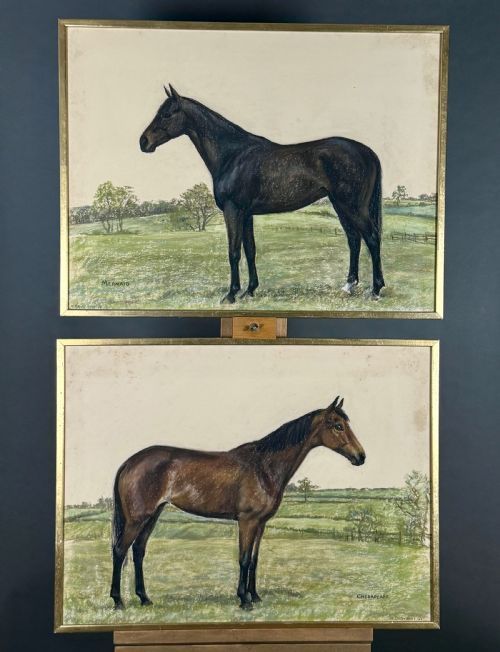
Several artists clearly found furry models more patient than human ones, recording the exact likenesses of Borzois, Pekingese dogs, and purebred Arabian horses.
Assessing Quality
Quality rests upon the confidence of the line and the economy of the mark-making, where the artist captures likeness and vitality with minimal hesitation. Superior examples reveal a deep understanding of human or animal anatomy, lighting, and psychological depth.
The integration between the artwork and its period frame influences the overall integrity of the piece. Works exhibiting strong provenance, attribution to documented schools or named artists, and well-preserved pigments command greater scholarly and aesthetic interest.
Michael Dahl·Thomas Murray·Kenneth Cozens·Eric Robertson·Augustus John·Frank Dobson·Stephen Pearce·William Watt Milne·Henry Arthur Roberts·Alexandre-Louis Martin·William Etty·Allan Douglas Davidson
The Framed Portrait Study Glossary
- Gouache
- An opaque watercolour paint consisting of pigment, water, and a binding agent such as gum, producing a flat, dense colour finish.
- En grisaille
- Painting executed entirely in shades of grey or neutral monochrome, frequently used to mimic sculpture or plan out tonal values.
- Academic realism
- Artistic style characterised by highly disciplined, lifelike representations taught within formal nineteenth-century European art academies.
- Provenance
- The documented history of ownership of an artwork, establishing its authenticity and lineage back to the creator.
Framed Portrait Study: Frequently Asked Questions
What is a portrait study?
A portrait study is a preparatory work or focused exploration of a subject's face, figure, or expression. Artists created these pieces to capture likeness and test lighting before committing to a larger, formal commission.
Unlike finished exhibition pieces, studies often reveal the raw mechanics of composition and technique. They offer a spontaneous window into the working method of the creator.
How should I care for framed paper studies?
Works on paper, including watercolours, pastels, and drawings, require protection from direct sunlight to prevent fading of sensitive pigments. Keeping them away from excessive humidity ensures the paper and backing boards remain stable.
Displaying them in rooms with stable temperatures prevents the paper from warping and protects the fragile binding agents in pastels and gouache.
How do I identify the period of a piece?
Dating relies on examining the framing materials, the type of paper or canvas support, and the stylistic conventions of the drawing or brushwork. Costume, hairstyles, and inscriptions on the reverse also provide clear chronological clues.
Comparing the handling of the medium to documented examples from specific centuries helps narrow down the era of creation.
Are these works original or copies?
Most pieces listed are original hand-drawn or hand-painted works created directly by the artist. Some historical pieces carry attributions to specific schools or follow earlier masters, such as works executed after Peter Lely.
Examining the surface under magnification reveals genuine brushstrokes, pencil indentations, or ink variation characteristic of unique handmade art.