


Monochrome Wall Art
When you search for monochrome wall art, you encounter centuries of historic portraiture and decorative prints defined by tonal depth.
Monochrome Wall Art
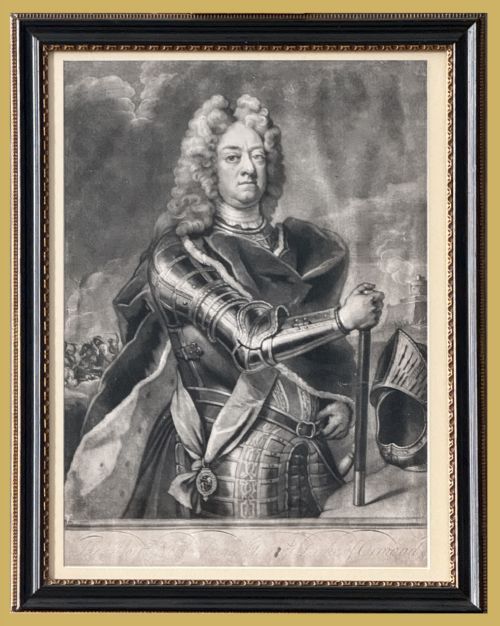
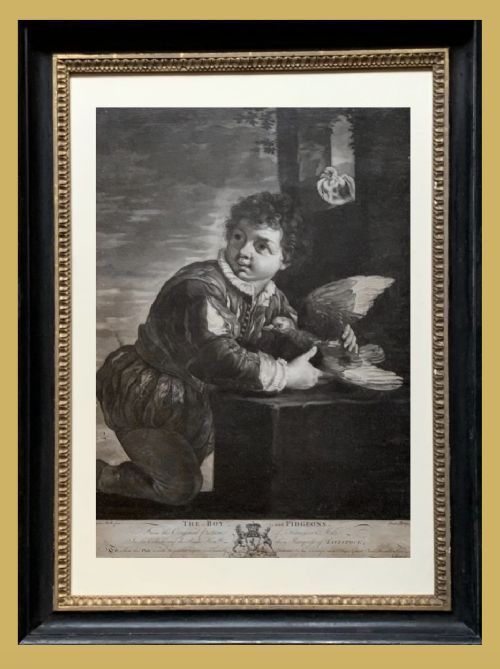
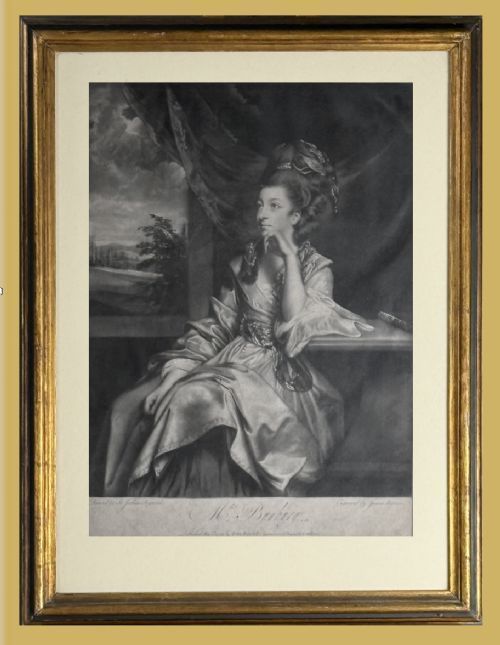
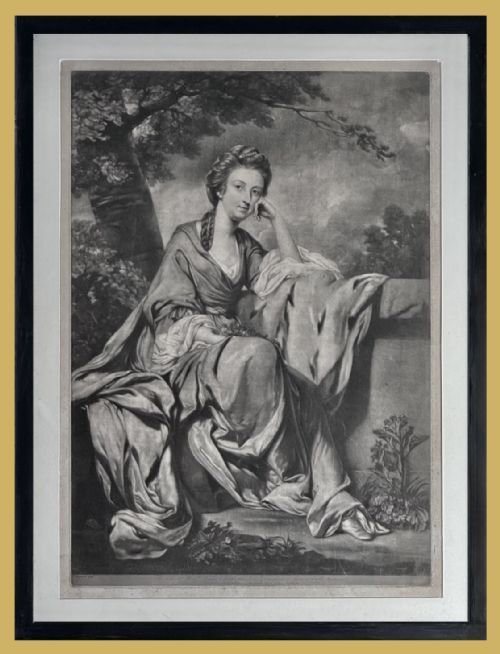
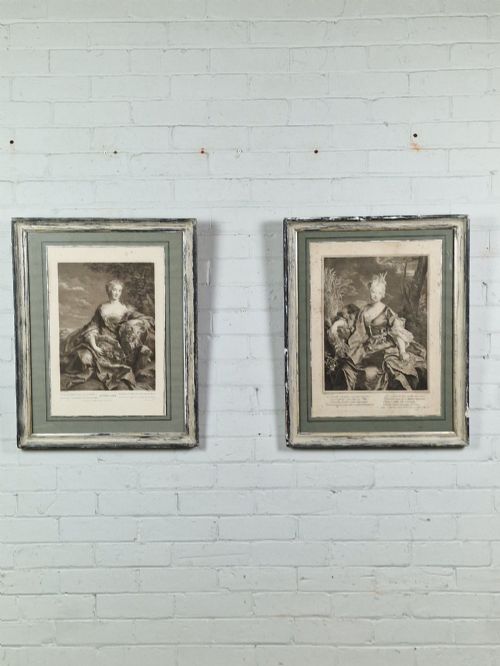
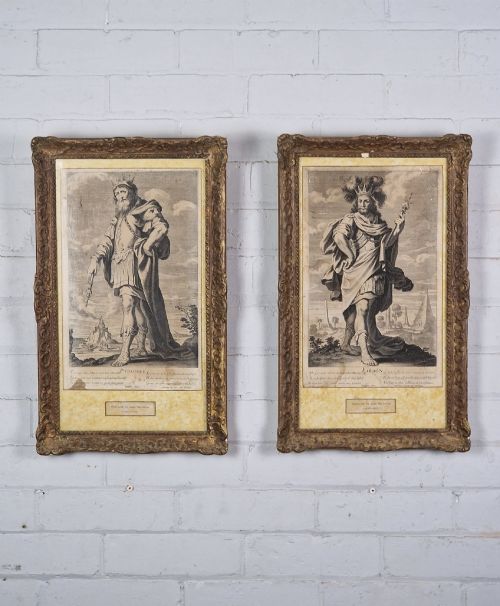
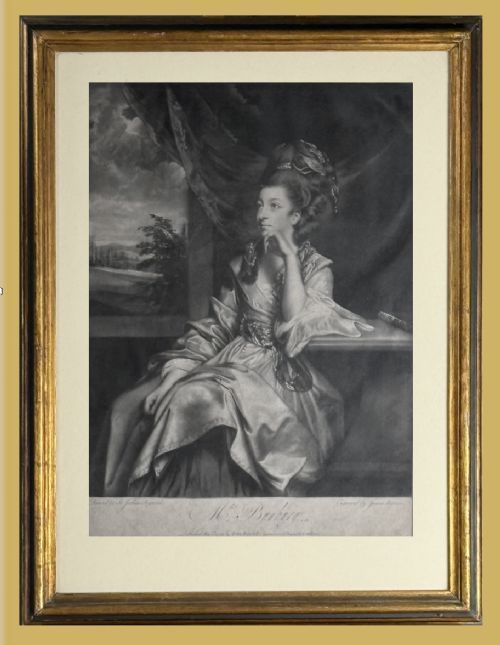
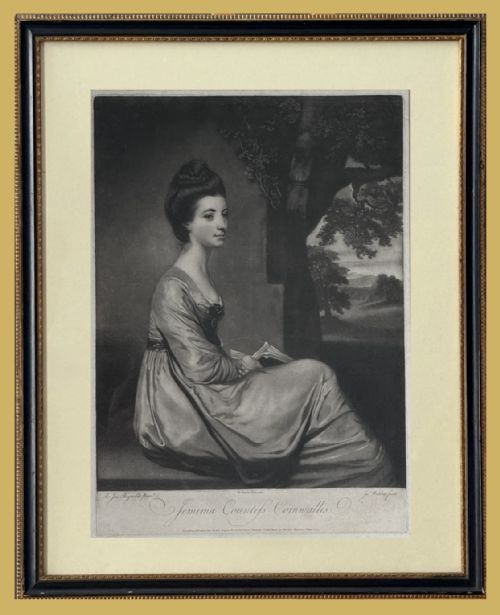
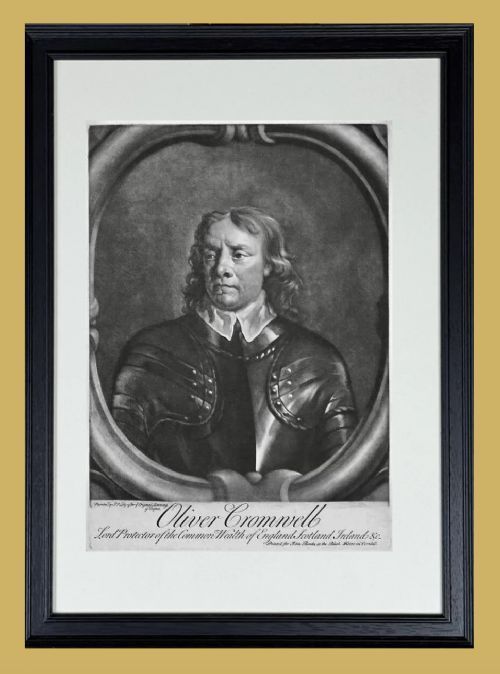
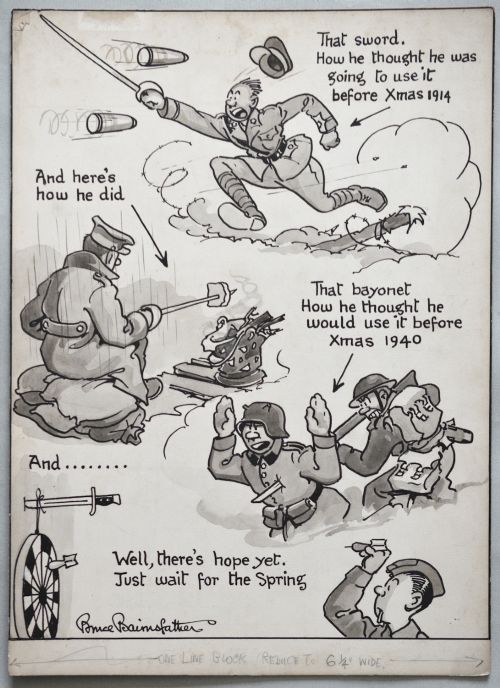
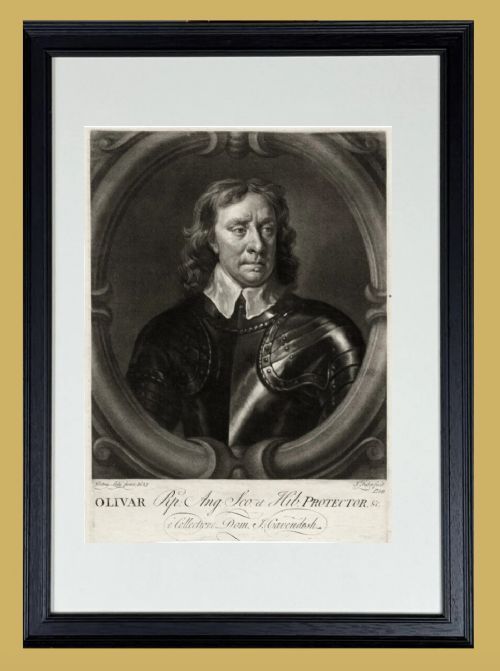
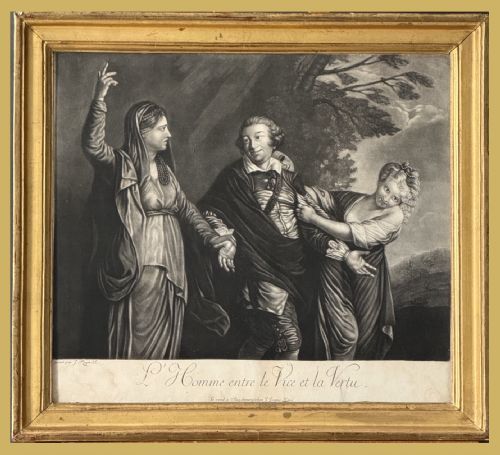
Monochrome wall art encompasses framed prints, engravings, mezzotints, and original drawings rendered in single-colour ink on paper.
The pieces on this page span from the seventeenth century through the twentieth century, with a strong representation of eighteenth-century British and French works.
Common subjects include prominent historical figures, allegorical scenes, and architectural plates housed within period wooden and gilt frames.
Materials and Technique
Works are predominantly executed in ink, gouache, or pencil upon paper substrates, capturing fine linear detail and tonal gradation.
Mezzotint and engraving techniques require plates of metal to be worked by hand, allowing craftsmen to achieve rich dark grounds and subtle highlights.
Many items are preserved behind glass within timber frames, occasionally accented with gold leaf or gilt wood surrounds.
Frames incorporate traditional materials such as wood, gilt wood, and gold leaf to house the paper prints.
Assessing Quality
Quality rests upon the crispness of the impression transferred from the plate, where earlier strikes yield sharper contrasts and deeper blacks.
The distinction between ordinary prints and exceptional works lies in the collaboration between the original painter and the skill of the master engraver.
Original frames matching the period of the artwork significantly elevate the integrity of the piece.
John Simon·John Boydell·James Watson·Edward Fisher·John Smith
The Monochrome Wall Art Glossary
- Mezzotint
- A printmaking process where the copper plate is roughened uniformly to hold ink, then scraped to produce tones and highlights. This method creates rich, velvety dark areas.
- Engraving
- A technique where an artist cuts lines directly into a metal plate using a sharp tool called a burin. The resulting prints exhibit clean, precise lines.
- Drypoint
- An intaglio printmaking method where a design is scratched directly into the metal plate with a needle. This creates a distinctive velvety burr along the lines.
- Gouache
- An opaque water-based paint composed of pigment, water, and a binding agent such as gum arabic. It provides flat, dense areas of colour.
- Gilt wood
- Wood that has been coated with a thin layer of gold leaf or powder. It adds reflective warmth to antique frames.
Monochrome Wall Art: Frequently Asked Questions
What periods do these pieces span?
The selection covers items ranging from the seventeenth century through the nineteenth century and into the twentieth century. Earlier examples frequently showcase traditional portraiture and classical allegories.
Later works introduce architectural plates and original drawings reflecting modernist or symbolist sensibilities.
How should I frame and hang antique prints?
Most pieces arrive already housed in period wooden or gilt frames suited to their era. It is best to hang them away from direct sunlight to protect the paper and ink from fading.
Maintaining stable indoor humidity also preserves the condition of both the paper and the original timber surrounds.
What is the difference between an engraving and a mezzotint?
An engraving relies on precise incised lines cut into a metal plate to form the image. It produces clear, linear detail.
A mezzotint works from dark to light by roughening the entire plate surface, yielding velvety gradients and deep atmospheric tones.
Are these works original antique pieces?
The listings comprise historic prints, engravings, and original ink or pencil drawings created across multiple centuries. Each piece reflects the printing and artistic techniques of its specific era.
Signatures, plates, and framing materials align with the historical periods noted in the descriptions.