



Framed Ink Drawing
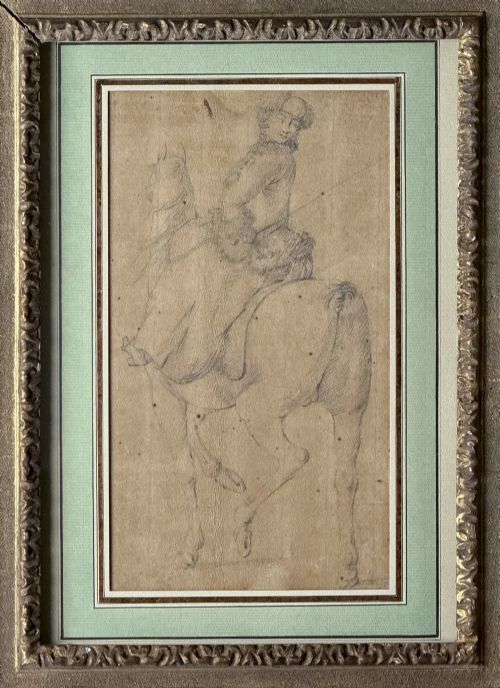
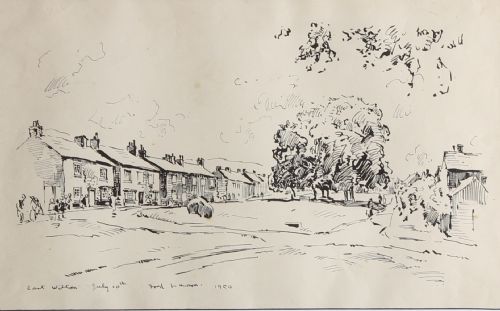
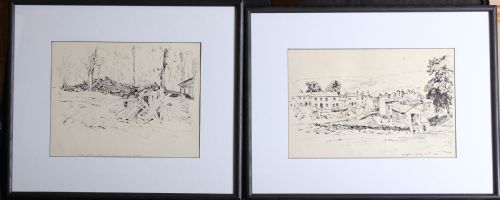
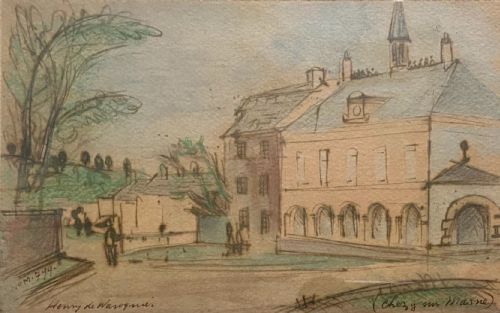
A framed ink drawing captures the direct line of an artist, moving from early equestrian studies to mid-century British landscapes.
Framed Ink Drawing
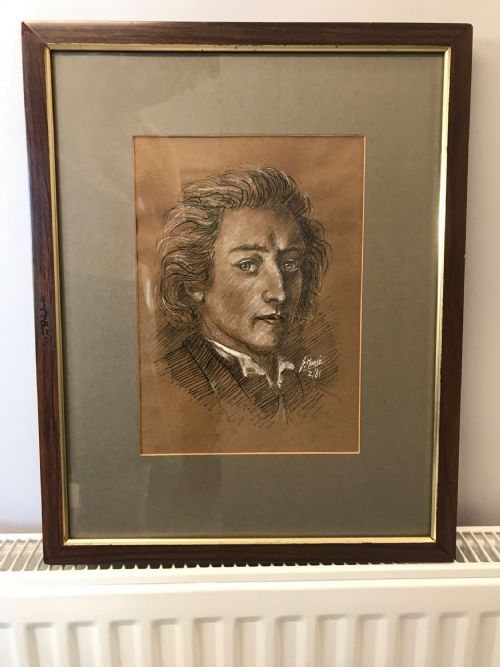
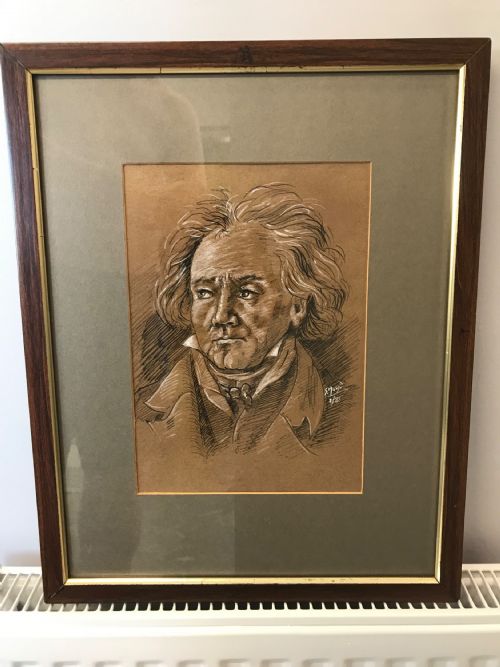
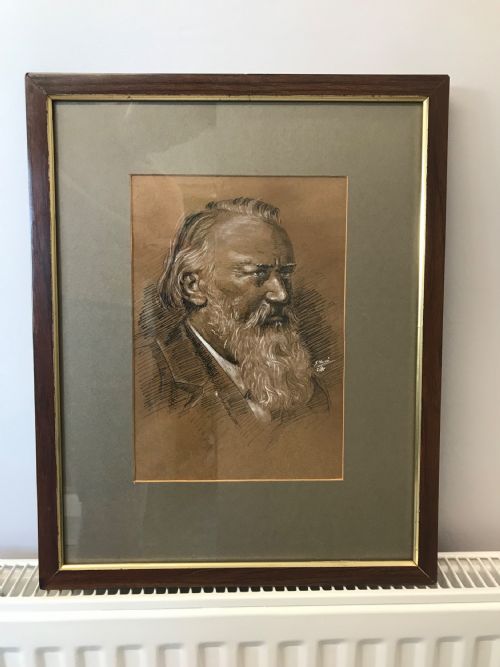
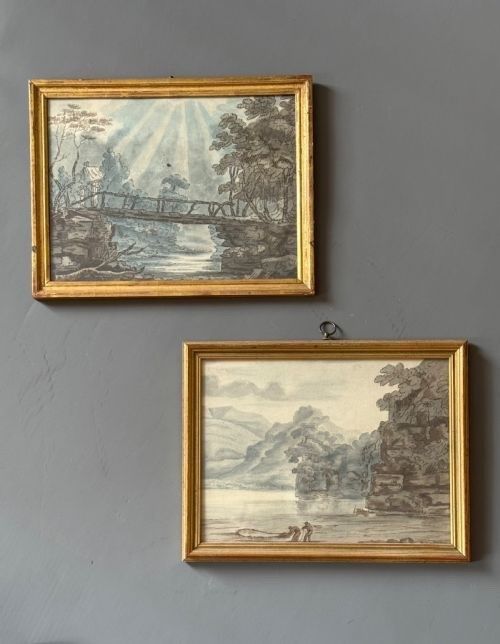
A framed ink drawing brings together works on paper executed in pen and ink, frequently accompanied by watercolour wash or gouache. These pieces span from the eighteenth century through the nineteenth century, extending into twentieth-century Modern British and mid-century idioms.
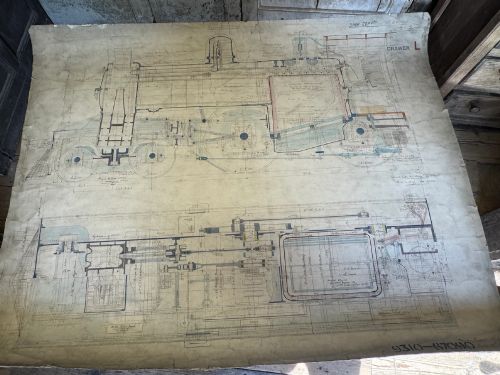
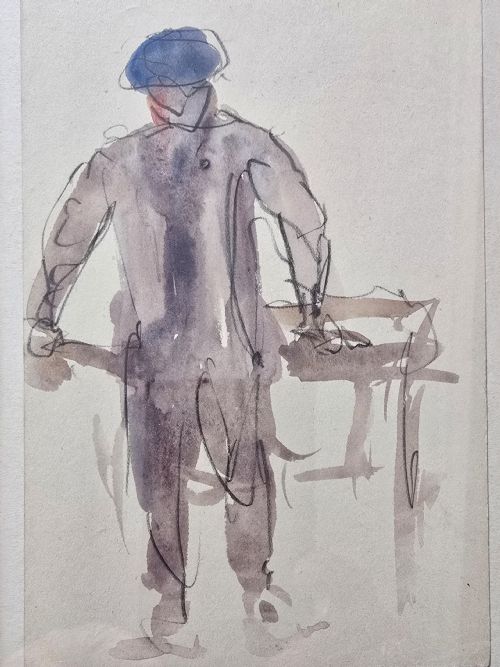
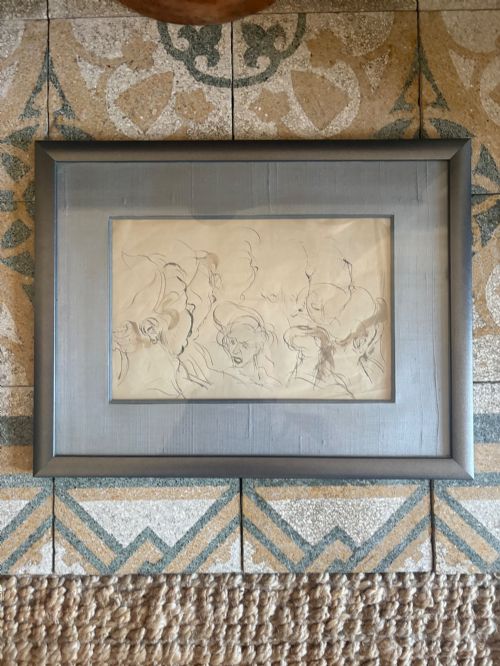
Buyers encounter diverse subjects, ranging from architectural elevations and locomotive works designs to classical portraiture, landscape sketches, and theatrical character studies. Many retain their period wooden frames, occasionally accented with giltwood moulds and protected under glass.
Materials and construction
These works rely on iron gall or carbon inks applied to laid or wove paper supports, often using fine steel nibs, reed pens, or brushes for wash effects. Artists frequently combined ink lines with watercolour, bodycolour, or gouache to build tonal depth and highlight specific areas of the composition.
Framing methods reflect the era of production, utilising timber mouldings such as gilt wood or simple painted frames to secure the paper behind glass, protecting the delicate mediums from atmospheric degradation.
A youthful hand is preserved in an architectural drawing produced by a seventeen-year-old student for the South Kensington School.
Distinctions in quality
Quality rests upon the sureness of the draftsmanship and the clarity of the line, distinguishing confident preparatory studies and finished portraits from stiffer, more hesitant hands. The preservation of the paper itself, free from excessive foxing or heavy fading of the fugitive ink pigments, elevates an example.
The integration of the composition with its period frame also plays a role, as original or period-matching giltwood surrounds preserve the historic integrity of the artwork far better than modern replacements.
Fred Lawson·Louis Wain·Dame Laura Knight·James Tower·Henry de Waroquier
The Framed Ink Drawing Glossary
- Gouache
- An opaque watercolour paint consisting of pigment, water, and a binding agent such as gum, producing a flat, dense finish. It is frequently layered over ink lines to add highlights.
- Wash
- A thin, translucent layer of diluted ink or watercolour applied with a brush to create shadow and tonal gradation. It provides depth behind crisp pen work.
- Wove paper
- A paper fabric with a smooth, uniform texture lacking the distinct chain lines found in older laid papers. It became standard for fine drawing from the mid-eighteenth century onward.
- Giltwood
- Timber that has been carved and coated with a thin layer of gold leaf or gilt paint. Period frames often employ this finish to complement works on paper.
Framed Ink Drawing: Frequently Asked Questions
How should I display a framed ink drawing?
Position the piece away from direct sunlight to prevent the ink and any accompanying watercolour washes from fading over time. Maintaining stable indoor humidity also protects the fragile paper support and the historic wood frame.
Ensure the artwork hangs securely using appropriate wall fixings suited to the weight of the frame and glass. Professional framing with acid-free backing materials further safeguards the longevity of antique works on paper.
How do I identify the period of a drawing?
Examine the characteristics of the paper, the style of the script in any signatures or annotations, and the framing materials used. Eighteenth-century examples often feature laid paper and darker iron gall inks, while twentieth-century works frequently employ wove paper and modern modernist idioms.
Stylistic cues such as costume, architectural motifs, and subject matter also offer strong indicators of date. Comparing the handling of the medium to documented works by known schools helps narrow down the timeframe.
What is the difference between ink and wash?
Ink refers to the concentrated lines and contours applied with a pen or fine nib, defining the primary structure of the subject. Wash involves diluting that same ink or adding watercolour to create soft tonal areas and shadows.
Combining both techniques allowed artists to achieve both sharp linear precision and atmospheric depth within a single composition. This dual approach is particularly common in topographical and architectural drawings.
Are these drawings original works?
The listings comprise original, hand-drawn works on paper rather than mechanical reproductions or printed editions. Each piece represents a unique act of creation by the artist's hand, whether executed as a rapid sketch or a finished study.
Signatures, preparatory grid lines, and physical ink pooling under magnification confirm their status as unique historical artefacts. Archival inscriptions and artist attributions further substantiate their authenticity.