







Vintage Anatomical Art
Vintage anatomical art offers a direct window into historical medical study and academic draftsmanship, prized for its rigorous detail and striking aesthetic presence.
Vintage Anatomical Art
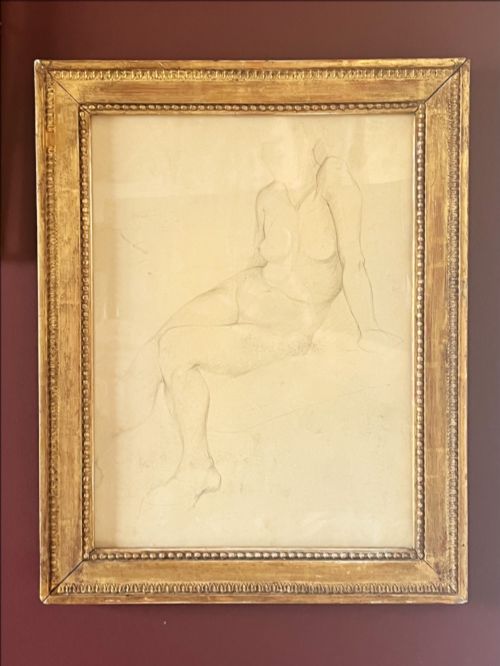
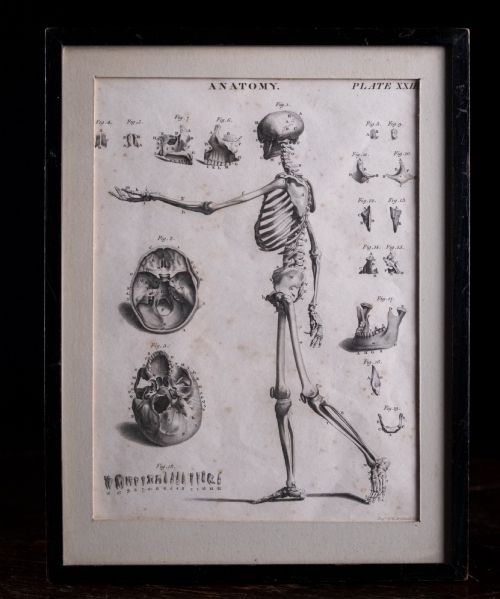
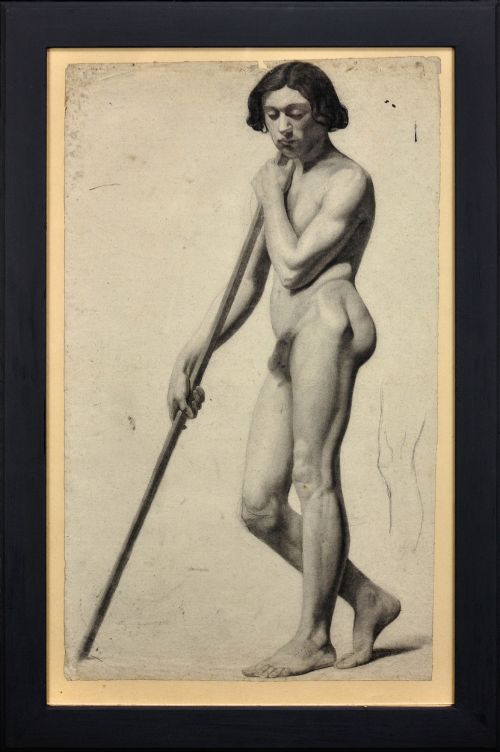
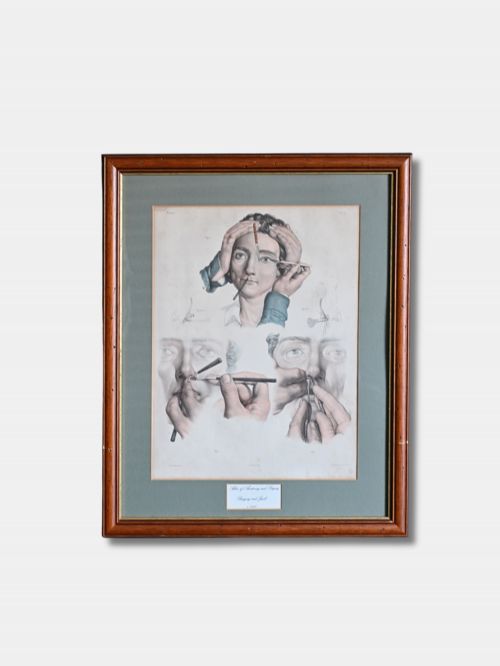
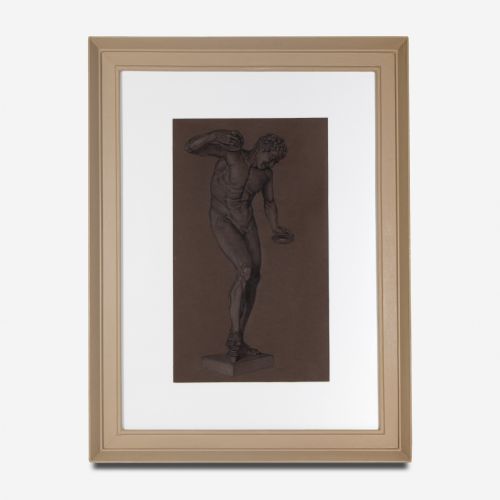
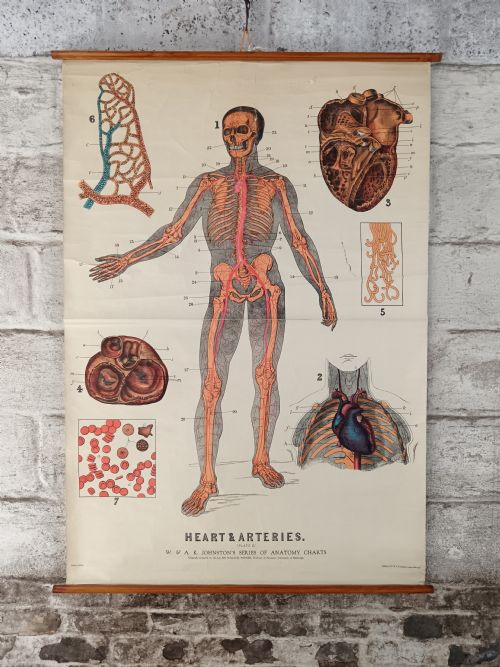
Vintage anatomical art encompasses a fascinating range of works, from detailed medical charts and skeletal engravings to careful academic life studies of the human form. When exploring vintage anatomical art, one encounters pieces spanning the eighteenth century through to the twentieth century, reflecting shifting scientific understanding and artistic training.
The selections available lean heavily towards framed prints, engravings, and original drawings rendered in graphite, ink, and charcoal. Buyers frequently encounter nineteenth-century academic studies alongside eighteenth-century French and English anatomical illustrations framed in wood or gilt wood.
Materials and techniques
These works rely on traditional paper supports paired with enduring mediums such as graphite, ink, charcoal, oil on canvas, and hand-coloured lithography. Engravings and lithographs required meticulous plate work, while life drawings captured muscular and skeletal forms through direct observation.
Framing often complements the academic nature of the pieces, utilising wood and gilt wood surrounds that protect delicate paper surfaces while completing the presentation.
The inventory incorporates works executed in academic realism, neoclassical styles, and twentieth-century modernism across paper, wood, and glass.
Factors of quality
Quality rests upon the precision of the draftsmanship and the historical clarity of the subject matter, whether depicting skeletal structures or muscular systems. Fine line work and accurate anatomical proportions distinguish accomplished academic studies from simpler decorative reproductions.
The condition of the paper support and the integrity of early framing materials, such as original gilt wood, significantly influence the overall character and appeal of each piece.
Andrew Bell·Henry Arthur Roberts·Alexandre-Louis Martin·W & A K Johnston·Bernhard Siegfried Albinus·Jan Wandelaar
The Vintage Anatomical Art Glossary
- Engraving
- A printmaking technique where an artist cuts an image into a metal plate using a burin. This method produces crisp, highly detailed lines suited for scientific illustration.
- Lithography
- A planographic printing process based on the repulsion of oil and water. Hand-coloured examples add delicate watercolour tints directly onto the printed surface.
- Academic Realism
- An artistic style born from the teachings of European academies. It emphasises meticulous observation of the human figure, anatomy, and classical form.
- En Grisaille
- A painting executed entirely in shades of grey or neutral monochrome. This technique often mimics the appearance of a sculpture or a relief.
Vintage Anatomical Art: Frequently Asked Questions
How are these anatomical charts mounted?
Many pieces are preserved within traditional wooden or gilt frames to protect the fragile paper substrates from environmental damage.
Glazing is often utilised to shield delicate ink, charcoal, and graphite drawings from moisture and handling.
Are these pieces original or reproductions?
The selection includes period-correct engravings, lithographs, and hand-drawn academic studies originating from the eighteenth, nineteenth, and twentieth centuries.
Each item reflects the printing technology or drawing practices active during its specific era of production.
How do I care for antique paper art?
Keep works out of direct sunlight to prevent the fading of inks, watercolours, and paper fibres over time.
Maintain stable indoor humidity levels to safeguard against foxing and warping of the paper supports.
What subjects do these artworks cover?
The subject matter ranges from detailed skeletal systems and muscular charts to life drawings of human and animal forms.
Medical procedures and anatomical cross-sections also appear frequently among the engraved plates.