


Antique Pastel Portrait Painting
When you search for an antique pastel portrait painting, you uncover fragile works executed in dry pigment on paper, capturing sitters with powdery intimacy.
Antique Pastel Portrait Painting
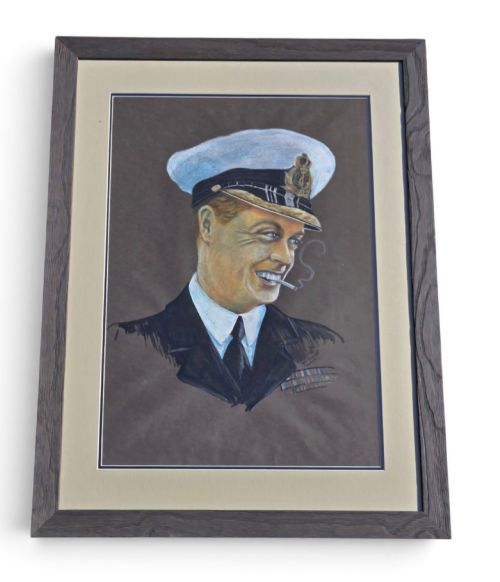
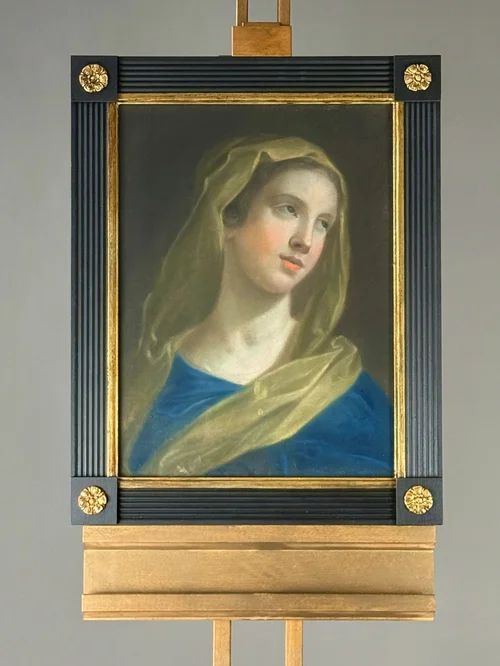
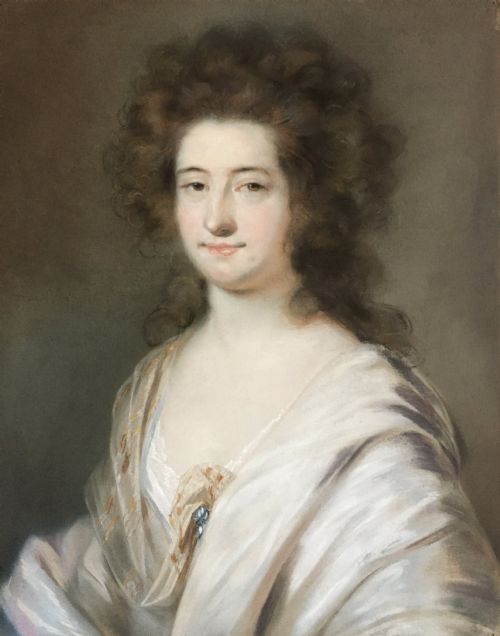
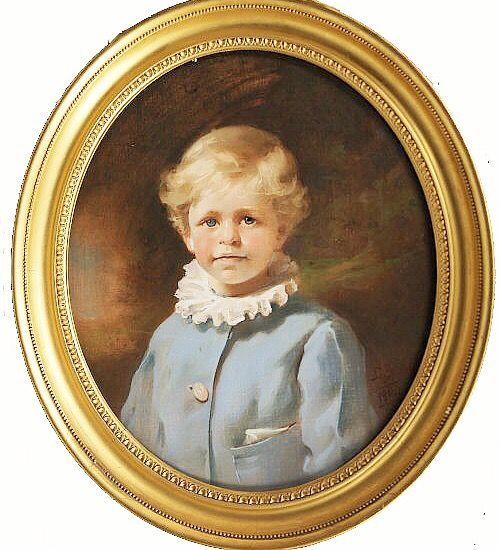
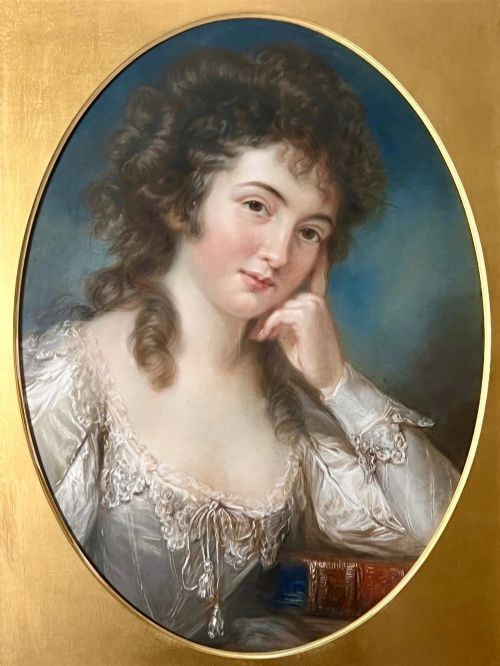
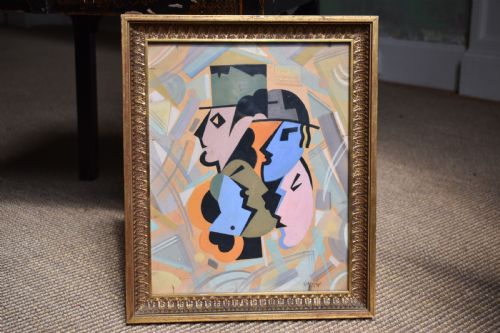
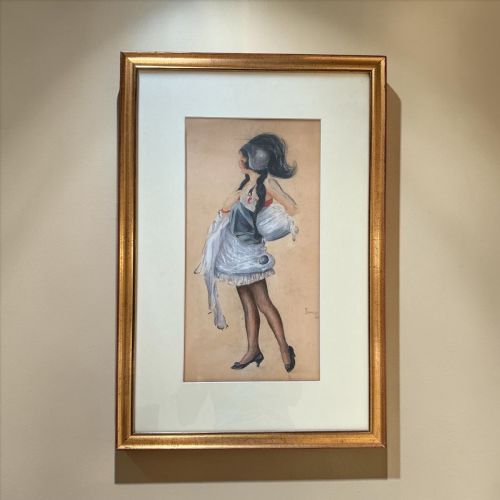
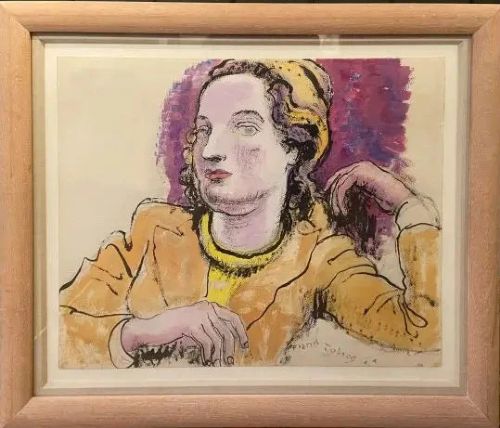
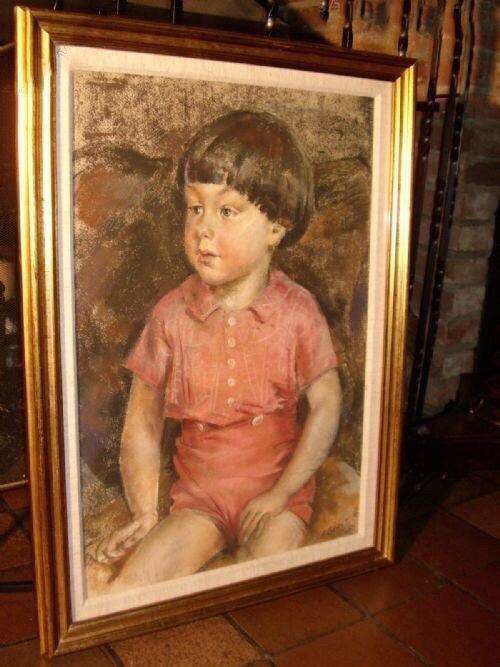
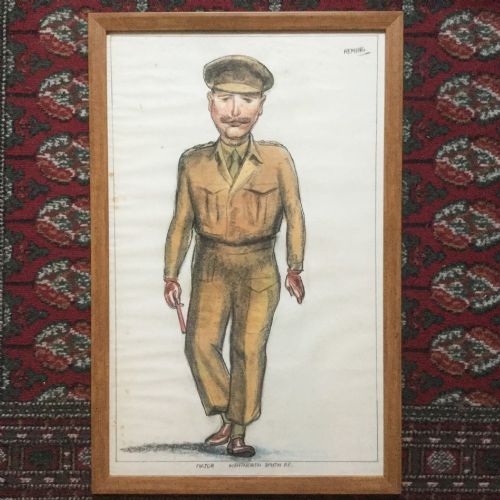
An antique pastel portrait painting records likenesses across the eighteenth and nineteenth centuries, extending into the twentieth century with works by artists such as Emily Eyres and Leon Sprinck.
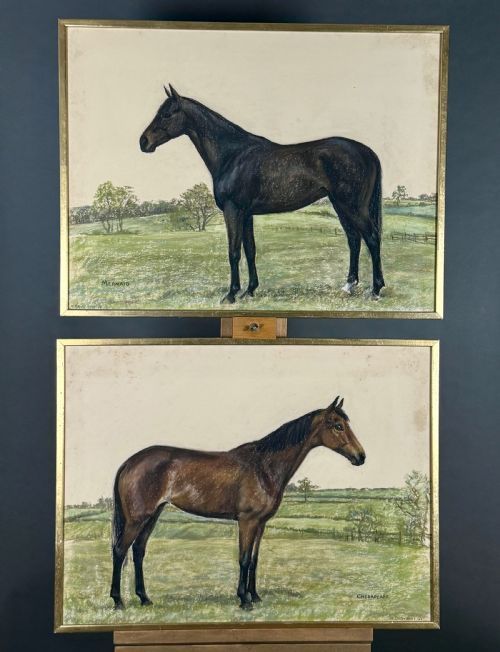
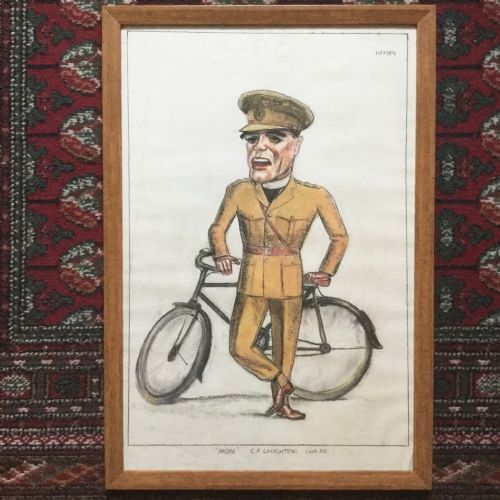
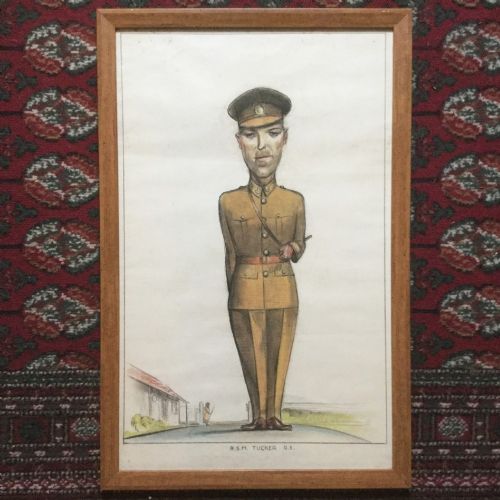
The selections range from intimate miniature pairs to large framed statement pieces depicting royalty, officers, children, and ladies in period attire.
Many works survive from the Georgian and Victorian eras, often preserved behind glass within giltwood frames that protect the delicate chalk surfaces.
Materials and technique
Artists applied soft pastel chalks, sometimes combined with gouache or watercolour, directly onto paper, board, or canvas supports to build up rich, matte tones.
Finished works relied on glass glazing to protect the friable pigment from disturbance, secured within decorative wooden and gilt leaf frames.
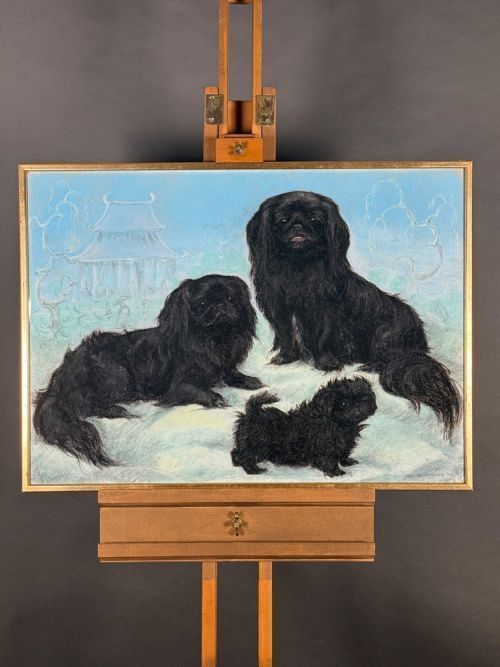
Several pastels immortalise cherished pets alongside their owners, including three black Pekingese dogs and a child with a canine companion.
Differences in quality
Quality rests in the draughtsmanship and the artist's ability to render flesh tones and fabric textures convincingly using powdery pigment.
Condition plays a central role, as pastel drawings suffer easily from pigment loss and foxing if seals fail over the decades.
James Sharples·Emily Eyres·Benedetto Luti·John Russell·Leon Sprinck·Robert Faulkner·Gaston Bouy
The Antique Pastel Portrait Painting Glossary
- Pastel
- A dry medium composed of powdered pigment and a binder, shaped into sticks for drawing.
- Gouache
- An opaque water-based paint often used alongside pastel to add highlights and dense colour.
- Giltwood
- Wood carved and coated with gold leaf or gold paint, commonly forming the ornate frames of these portraits.
- Foxing
- Brown spots of chemical oxidation that frequently appear on older paper supports over time.
Antique Pastel Portrait Painting: Frequently Asked Questions
Where were these portraits typically displayed?
These framed works hung in formal drawing rooms, libraries, and private parlours to display family lineages or admire notable public figures.
They served as intimate focal points for interior spaces, often paired symmetrically on either side of a fireplace or doorway.
Why do some pastels include gouache?
Artists introduced gouache to strengthen opaque highlights and deepen shadows where pure chalk lacked sufficient density.
This mixed technique offered greater tonal control over complex garments like silk dresses and military uniforms.
Can I hang a pastel painting in direct sunlight?
Direct sunlight causes fugitive pigments to fade permanently and yellows the paper support over time.
Position these delicate works on interior walls away from windows to preserve their original colour balance.