
Victorian Portrait Picture
A victorian portrait picture captures nineteenth-century personalities through oils, watercolours, pastels and silhouettes.
Victorian Portrait Picture
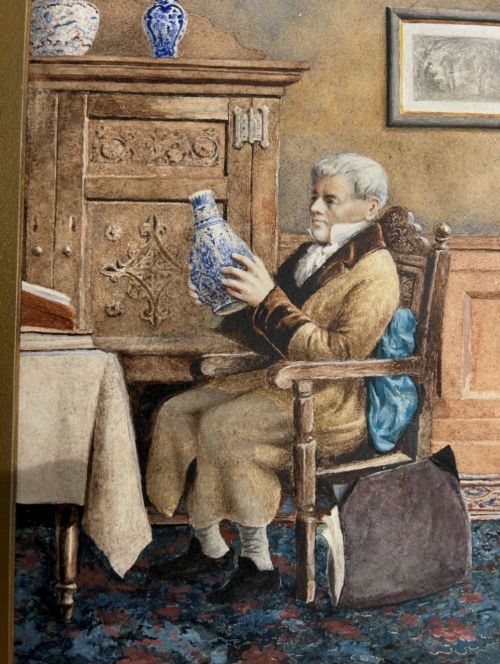
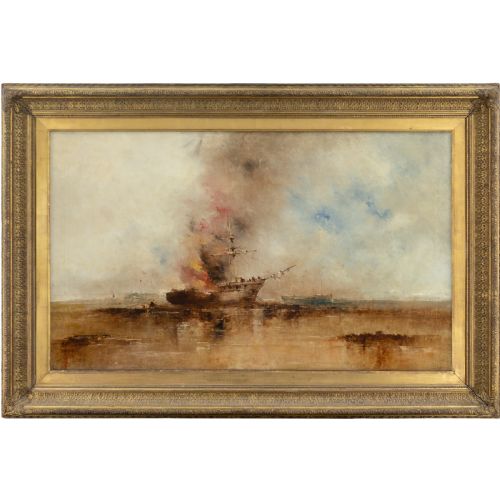
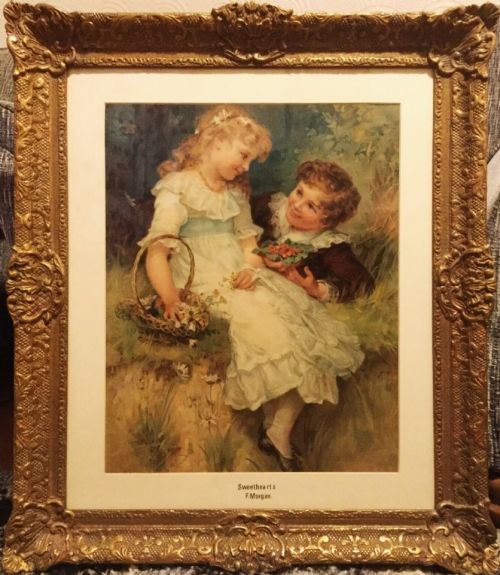
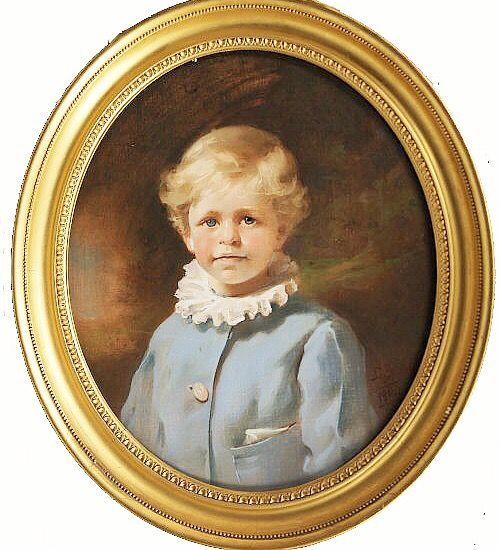
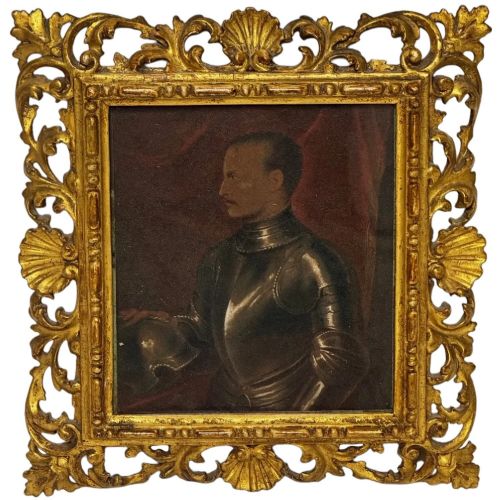
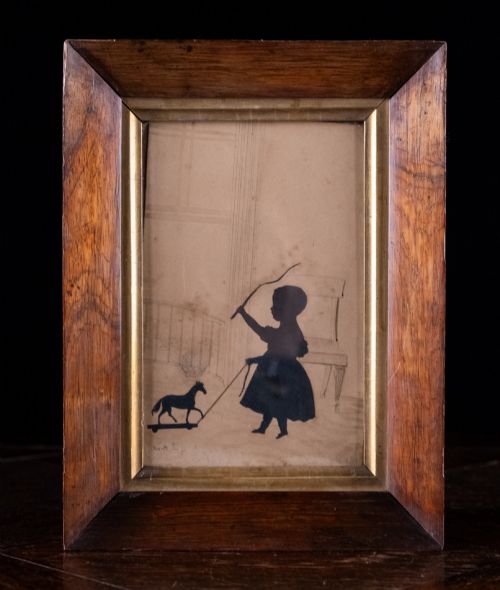
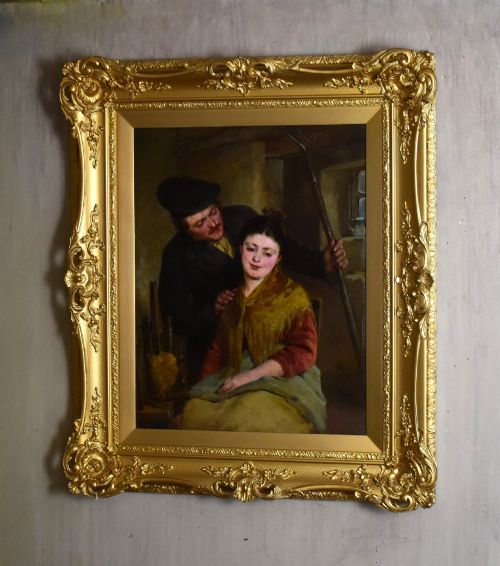
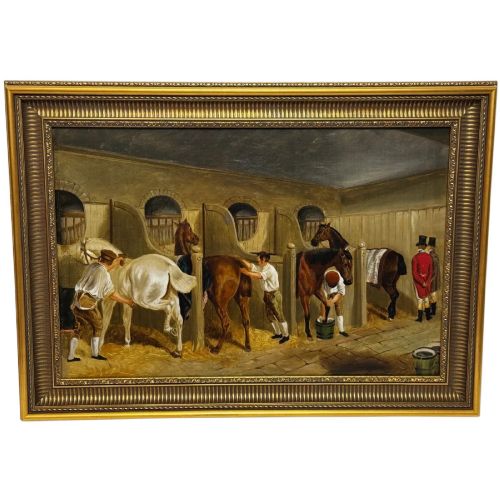
When you search for a victorian portrait picture, you examine nineteenth-century depictions of individuals and family groups captured in varied mediums. These range from grand oil paintings on canvas to intimate watercolours, pastel drawings and silhouettes.
The pieces you meet most often on this page originate from the Victorian and Edwardian eras, spanning the nineteenth century into the early twentieth century. They include original works by named artists alongside period prints, photographs and miniatures.
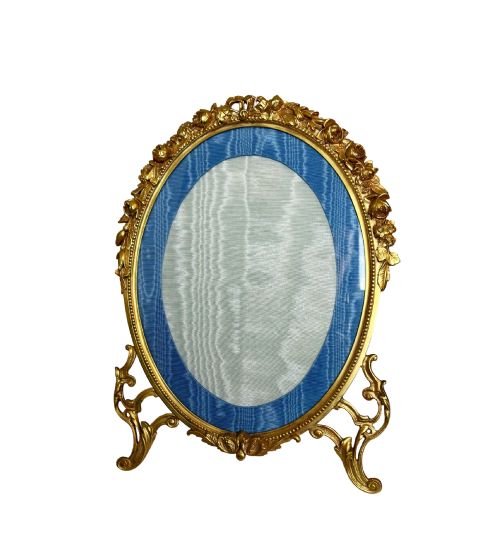
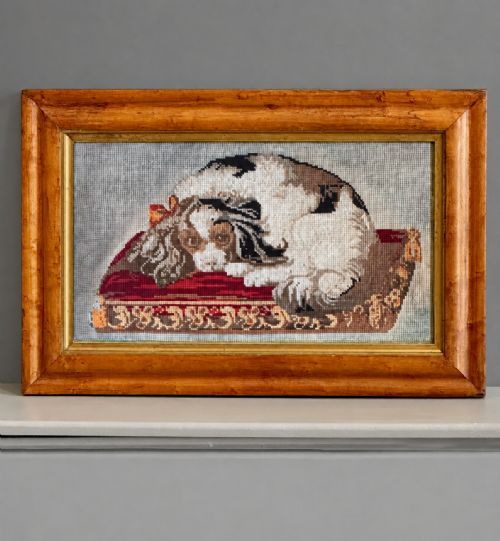
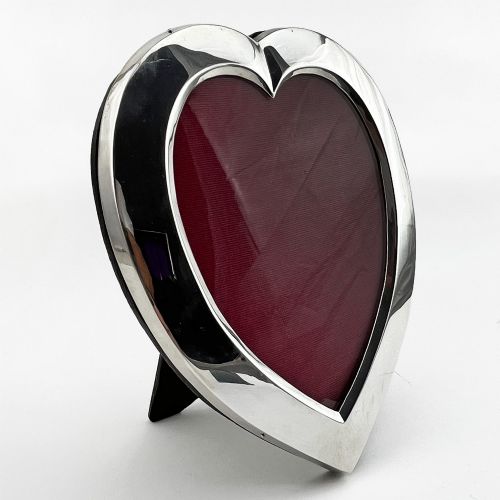
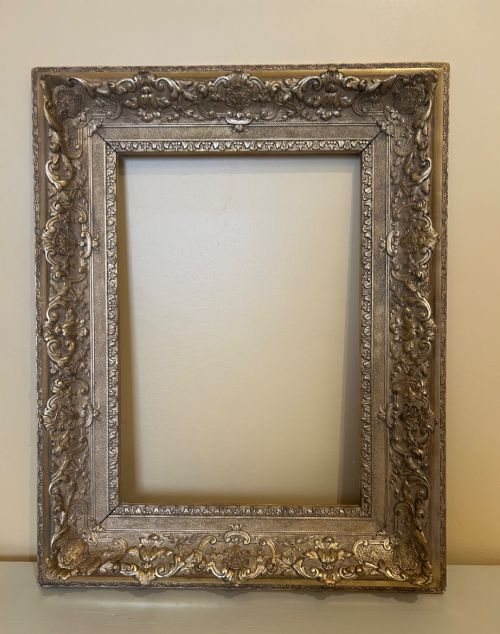
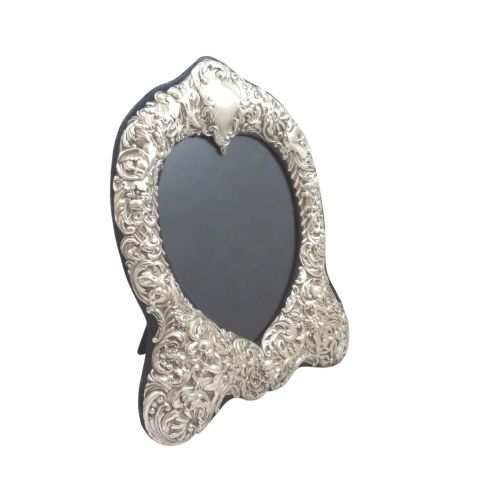
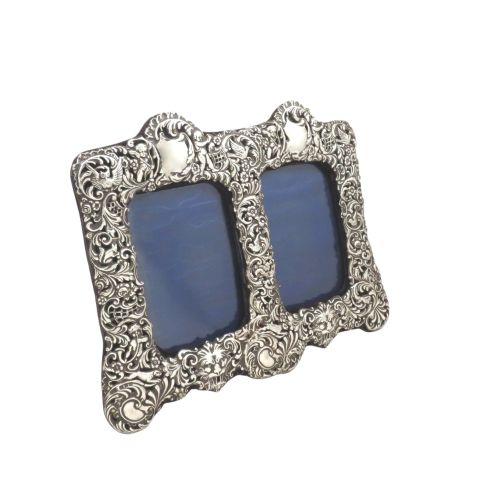
Subjects vary from military officers and children to gentlemen, ladies and domestic animals, often preserved within period frames of gilt wood, ebonised timber or sterling silver.
How they were made
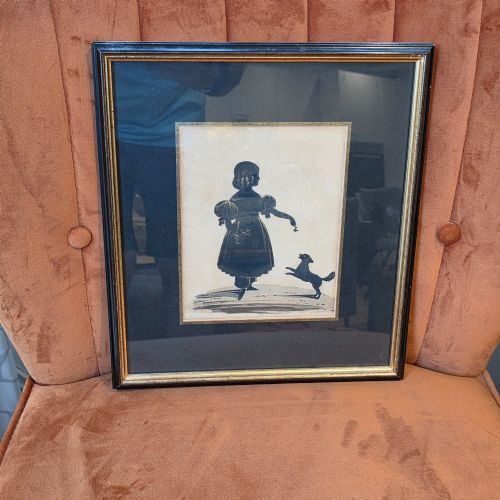
Painters applied oil on canvas or watercolours to paper, sometimes employing charcoal, pastel or ink for precise line work and shading. Silhouettes involved cut paper combined with watercolour detail or ink.
Framing materials reflect the period aesthetic, utilising gilt wood, brass, burr maple, rosewood and sterling silver, often protected behind glass.
Several portraits preserve the likenesses of distinguished family pets alongside stern nineteenth-century military officers and children.
What varies in quality
The integrity of the original mount and frame influences the piece, with period frames matching the era of the artwork adding contextual value.
William James Hubard·Augustin Edouart·William Comyns·Howard Helmick·Henrietta Rae
The Victorian Portrait Picture Glossary
- Silhouette
- A solid dark profile portrait, usually cut from paper or painted in black against a light background.
- Oleograph
- A mechanical colour print imitating an oil painting, popular in the nineteenth century.
- Pastel
- A dry medium of powdered pigment used to create soft-toned portraits on paper.
- Ebonised
- Wood treated with a dark finish to imitate expensive ebony.
- Gilt wood
- Timber coated with gold leaf or metallic paint for a reflective finish.
Victorian Portrait Picture: Frequently Asked Questions
How do I date a portrait?
Examine the sitter's clothing, hairstyle and accessories against known nineteenth-century fashions. Frame styles and backing materials also offer clues to the period.
Signatures, dates written on the canvas reverse or exhibition labels provide direct historical markers when present.
Are silhouettes valuable?
The value of a silhouette depends on the skill of the cut, the presence of a signature or artist attribution, and original framing. Works by documented silhouette artists command strong interest.
Condition and historical provenance further influence how collectors view individual portrait pieces.
Where should I hang these?
Keep portrait pictures away from direct sunlight and damp environments to protect paper, canvas and delicate watercolours. Grouping smaller framed works together creates a traditional gallery wall effect.
Ensure wall fixings match the weight of heavier gilt wood or silver frames.
What is an oleograph?
An oleograph is a chromolithographic reproduction textured to mimic the brushstrokes of an actual oil painting. Manufacturers produced them widely in the nineteenth century as accessible wall art.
Examining the surface closely under magnification reveals the dot pattern typical of early printing methods rather than painted canvas.