

Antique Male Artwork
When you search for antique male artwork, you enter a centuries-old tradition of portraiture and figurative study that records character and status.
Antique Male Artwork
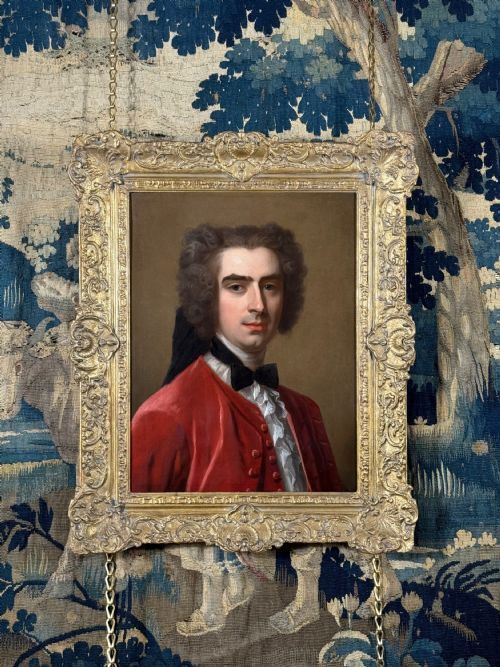
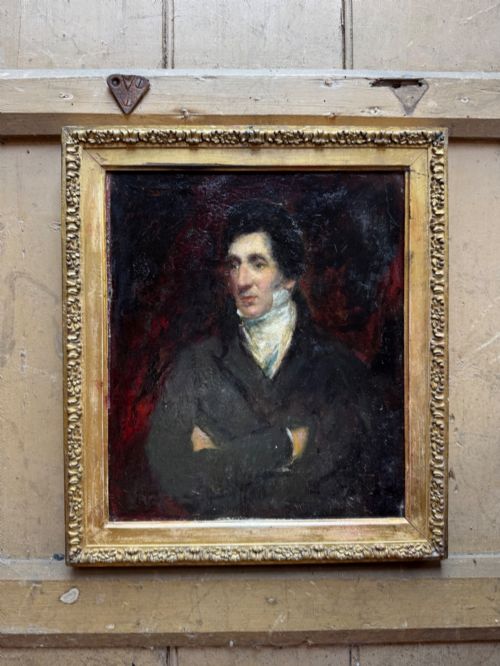
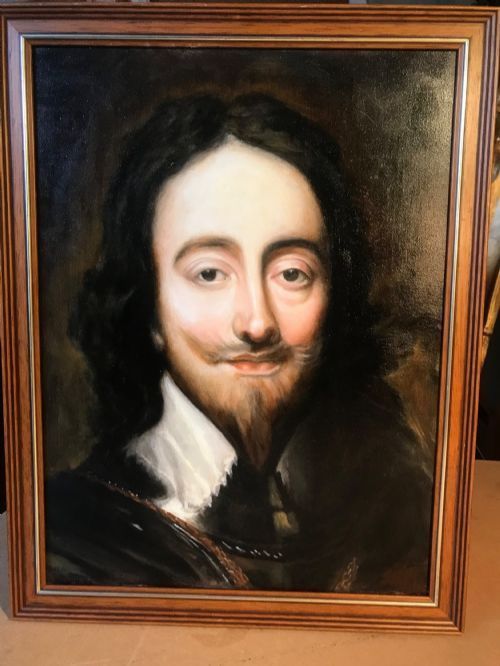
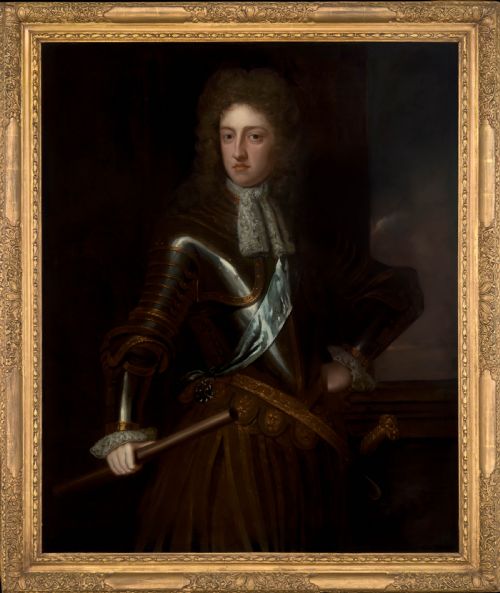
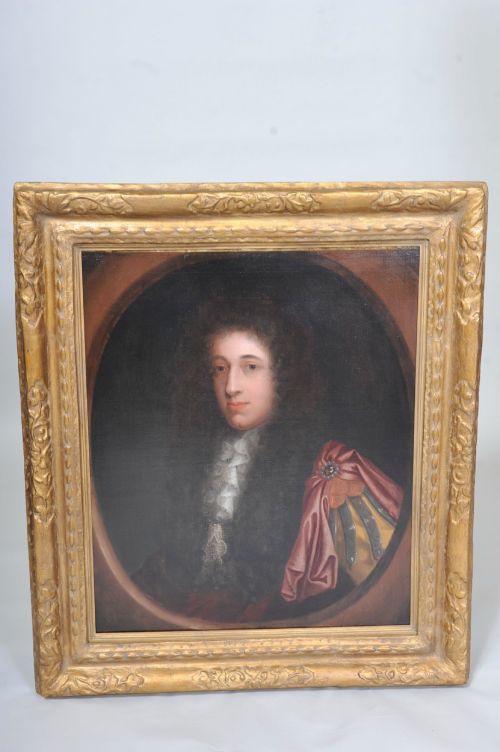
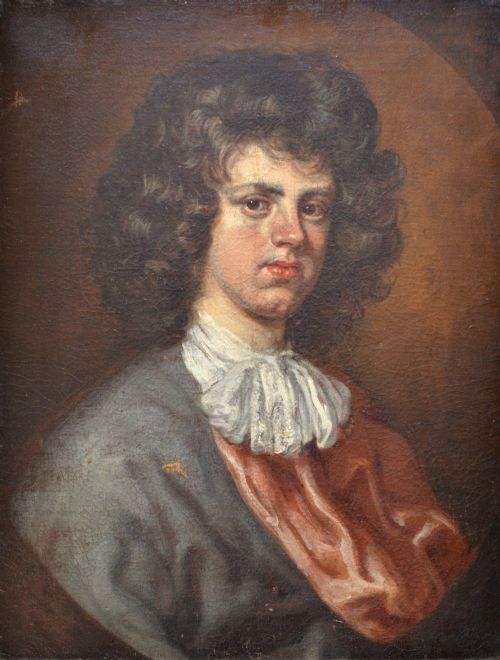
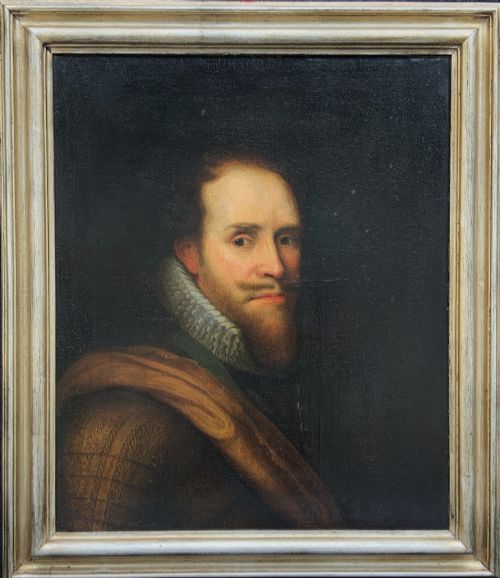
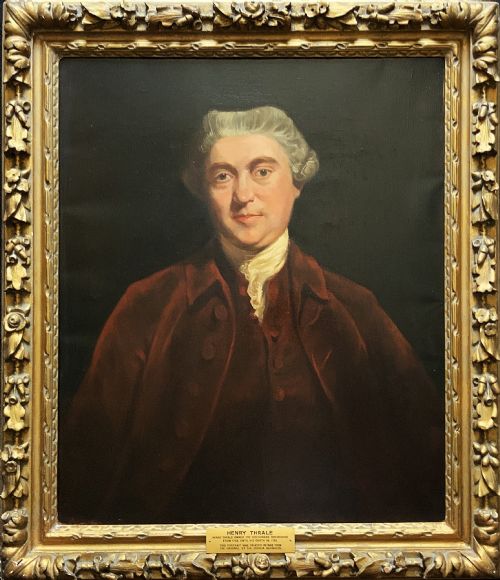
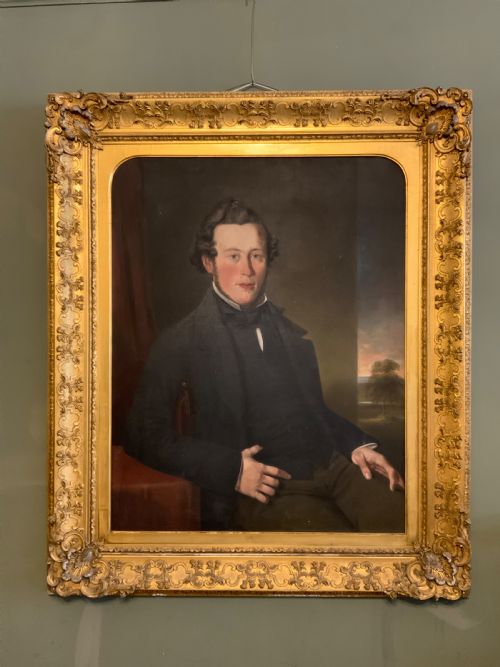
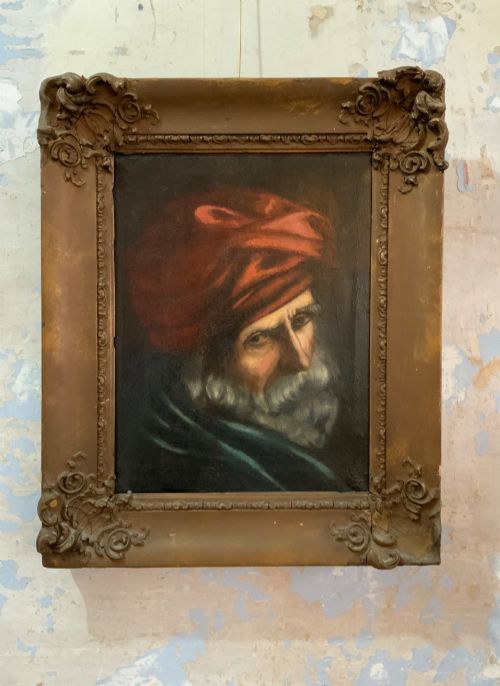
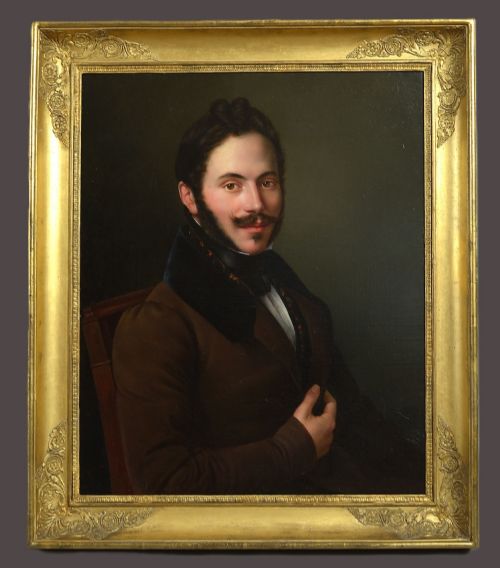
The category of antique male artwork centres primarily on painted and drawn portraiture, alongside occasional sculptural busts and allegorical studies. These pieces document figures ranging from nobility and military commanders to scholars and private gentlemen across the seventeenth, eighteenth, and nineteenth centuries.
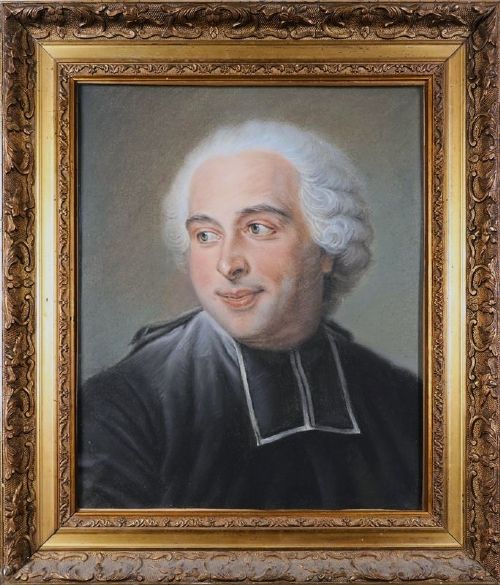
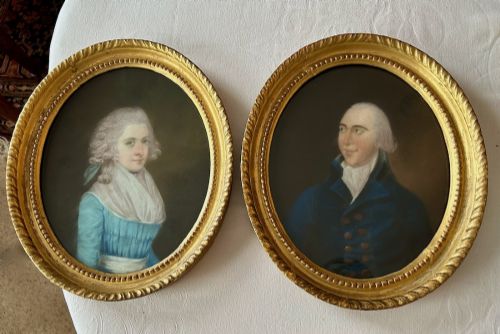
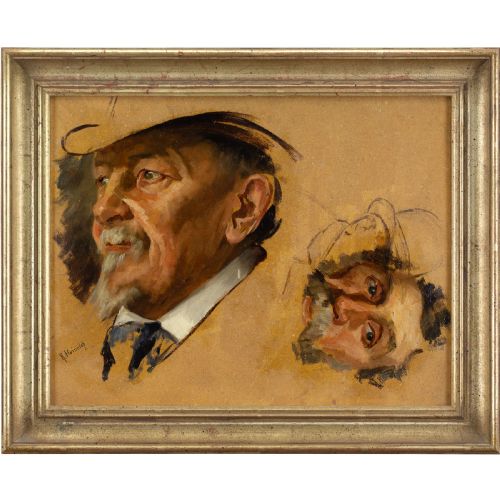
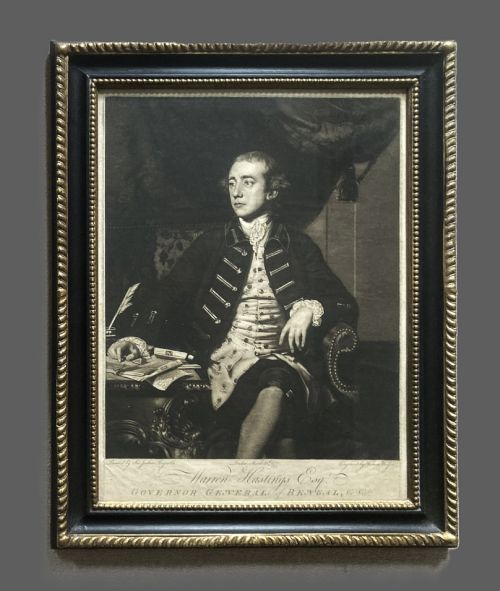
The dominant forms on this page are oil paintings on canvas or panel, accompanied by pastel portraits, mezzotint prints, and academic drawings. They span various European traditions, including British, French, German, and Dutch schools, reflecting changing social attitudes to masculinity and status over time.
Materials and techniques
Makers utilised oil paint on prepared canvas or wood panels, building up rich colour through layered glazes and opaque pigments to render textiles, armour, and flesh tones. Pastels on paper offered a softer, fugitive medium favoured for intimate likenesses in the eighteenth century.
Engravers worked metal plates to produce detailed mezzotints, translating painted portraits into multiple printed impressions. Sculptors carved monumental marble to create civic portrait busts, focusing on three-dimensional form and classical drapery.
Listings feature works spanning the seventeenth, eighteenth, and nineteenth centuries, executed in oil on canvas, pastel, and marble.
Distinctions in quality
The integrity of the original support and the condition of the pigment layer influence the visual power of the work. Retaining untouched surfaces and early or original framing elevates the historical significance of the piece.
Jean Baptiste Van Loo·Maurice Quentin de la Tour·John Smith·Anthony Van Dyck·Sir Godfrey Kneller·Mary Beale·Sir Joshua Reynolds·Thomas Watson·Edouard Pingret·Francis Hayman·William Blake Richmond
The Antique Male Artwork Glossary
- Mezzotint
- A printmaking process of the intaglio family where the copper plate is roughened evenly to achieve rich dark tones. It became especially popular for reproducing oil paintings of notable gentlemen.
- Pastel
- A dry medium composed of powdered pigment and a binder, applied to paper or parchment. It allows for vibrant hues and subtle blending.
- Old Master
- A term for a European artist of high skill working before the nineteenth century. It frequently applies to studio circle paintings from the seventeenth and eighteenth centuries.
- Academic Realism
- A style of painting and sculpture produced under the influence of European academies of art. It emphasises precise anatomical accuracy and classical finish.
Antique Male Artwork: Frequently Asked Questions
How do I identify the period of a portrait?
Examine the sitter's costume, wig style, and collar fashion, which changed rapidly across the seventeenth, eighteenth, and nineteenth centuries. Frame styles and canvas preparations also offer vital clues to the date of creation.
Compare the handling of paint and the pigments used with known works from specific regional schools. Technical analysis by a specialist can confirm whether the canvas and stretcher match the purported era.
What is the difference between an oil painting and a mezzotint?
An oil painting is a unique, hand-painted artwork created with pigmented oils on canvas, wood, or copper. Each brushstroke is singular and directly applied by the artist.
A mezzotint is a print created from an engraved metal plate, allowing multiple impressions to be circulated. While printmakers executed them with great artistic skill, they represent a multiplied medium rather than a unique painting.
How were these portraits displayed historically?
Landed gentry and aristocracy hung large oil portraits in galleries, libraries, and formal reception rooms to assert lineage, political allegiance, and social standing. Smaller pastel drawings and cabinet paintings were often kept in private apartments or studies.
Civic busts occupied prominent positions in municipal buildings, halls, and commemorative spaces to honour public figures and local benefactors. Their placement was designed to command authority and preserve memory.
How should I care for an antique oil painting?
Keep paintings away from direct sunlight, high humidity, and rapid temperature fluctuations that cause canvas tension and paint cracking. Hang them on stable internal walls using appropriate hardware secured to wall studs.
Dust surfaces gently with a soft, dry brush without applying pressure to the paint layer. Avoid chemical cleaners or moisture, and consult a professional conservator for cleaning or varnish removal.