

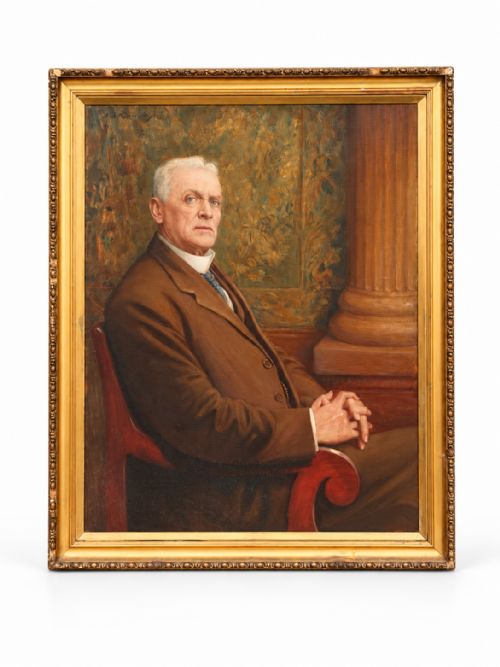
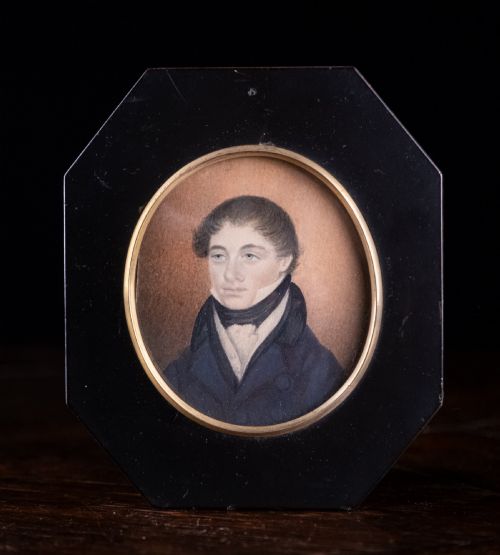
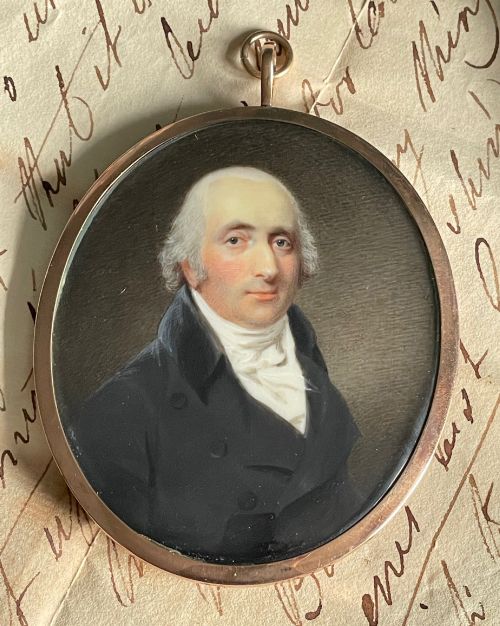
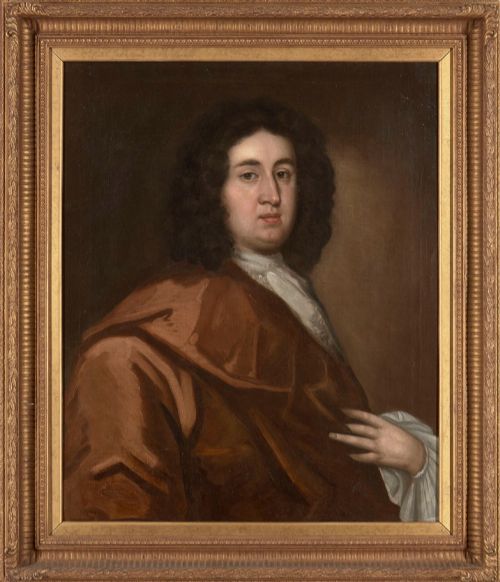
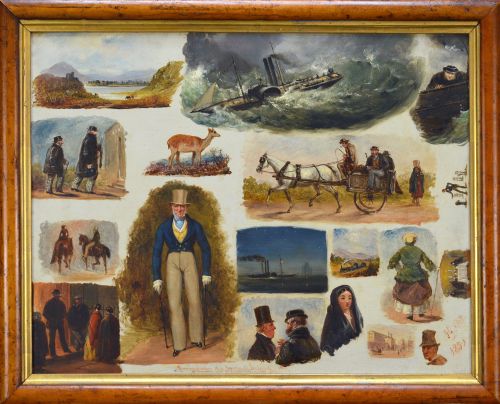
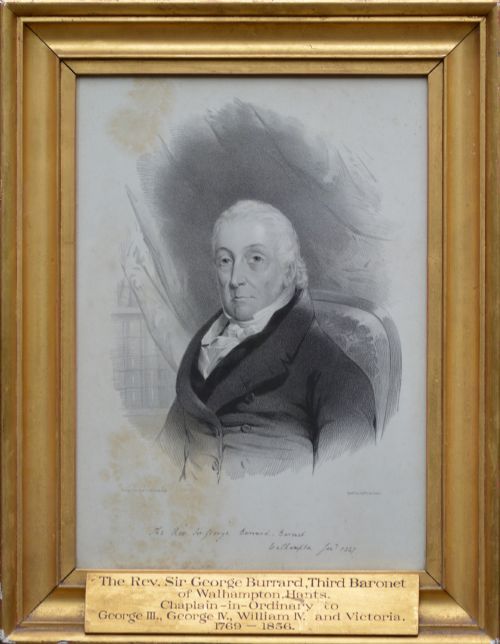
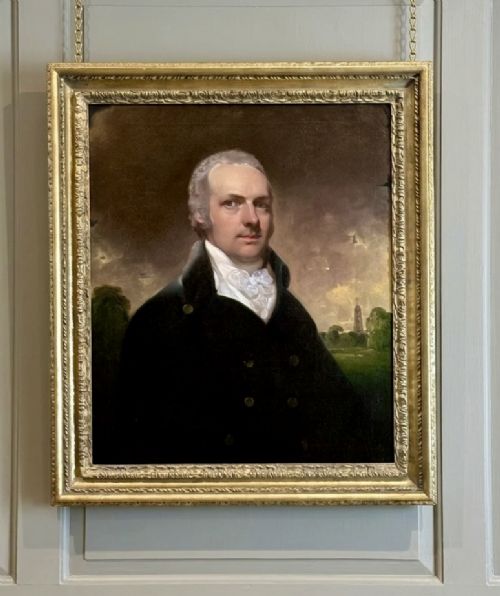
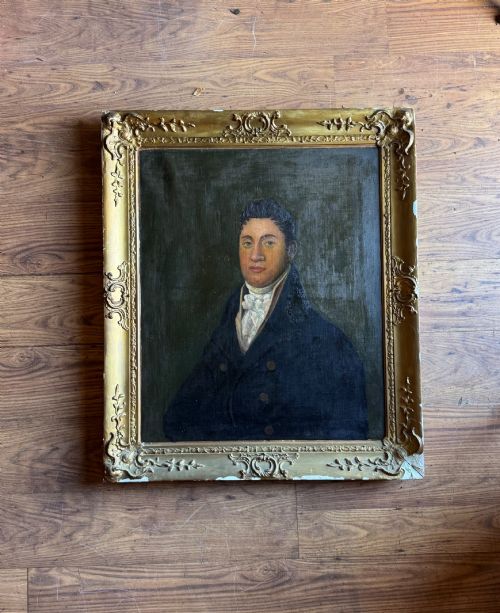
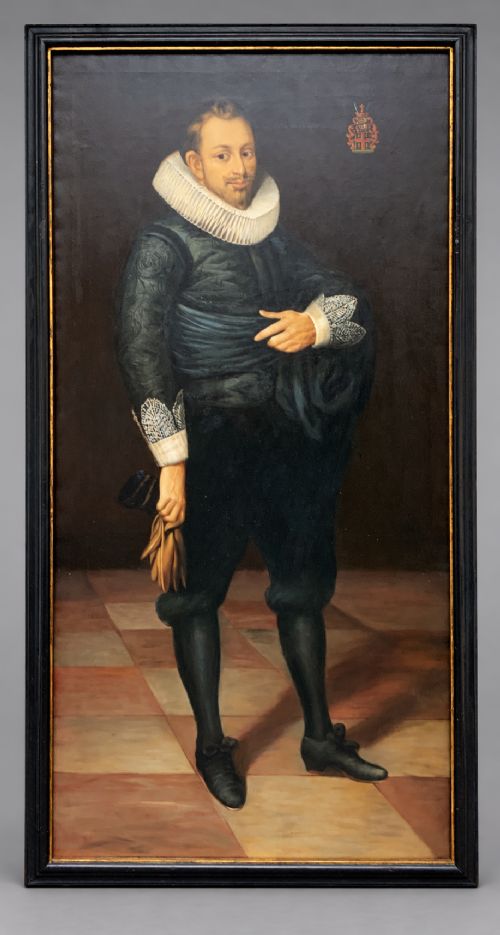
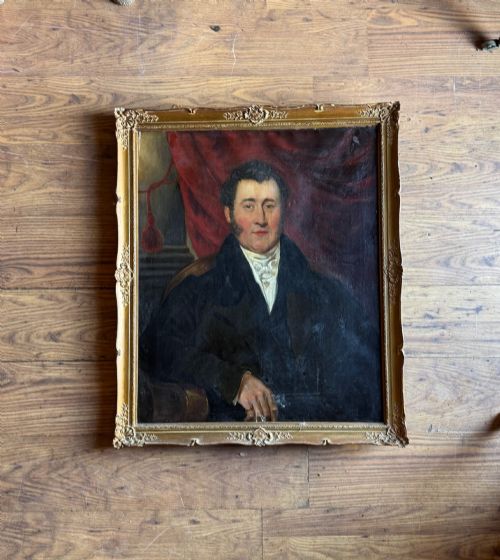
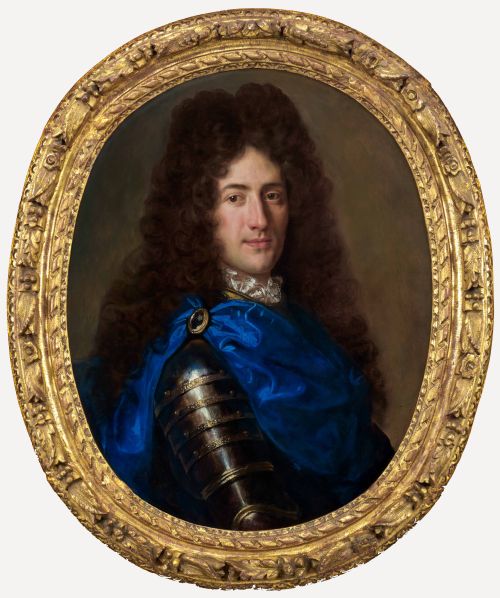
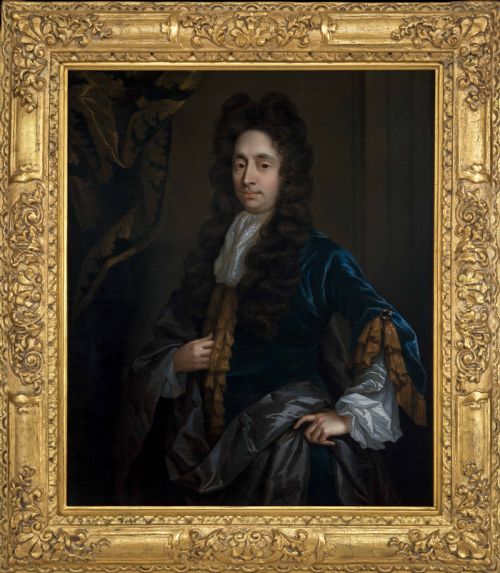
Framed Portrait of Gentleman
A framed portrait of gentleman brings historical presence to any interior through centuries of painted and cut likenesses.
Framed Portrait of Gentleman
A framed portrait of gentleman spans the seventeenth century to the mid-twentieth century, capturing subjects from military officers and merchants to nobility and clergy. The selection includes full-scale canvases, intimate miniatures, and silhouettes.
Oil paintings on canvas dominate the available works, alongside watercolours, drawings, and paper silhouettes. These pieces originate from British, continental, and Scottish schools of painting.
Buyers encounter both formal studio commissions by known painters and character studies by regional or anonymous hands. Many retain period frames in wood, giltwood, or gold leaf.
Materials and Technique
Artists painted primarily in oil on canvas stretched over wooden frames, though wood panels and paper also serve as supports. Pigments were applied with brushes to build rich fabrics such as velvet coats, red uniforms, and linen collars.
Silhouettes utilise hand-cut paper mounted against contrasting backgrounds, sometimes highlighted with gold or ink detailing. Frames incorporate carved wood and applied gold leaf, providing structural protection and decorative depth.
Framed Portrait of Gentleman Retail Price Guide 2026
Typical asking prices for framed portrait of gentleman among the pieces listed under this phrase on Sellingantiques today, from the lower quarter to the upper quarter. They describe what is for sale here now, not the wider market.
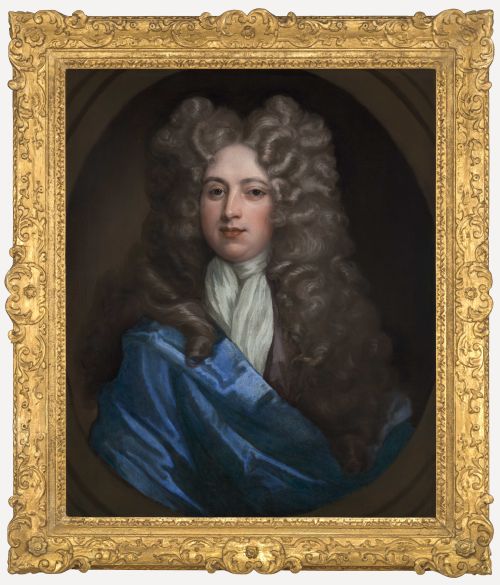
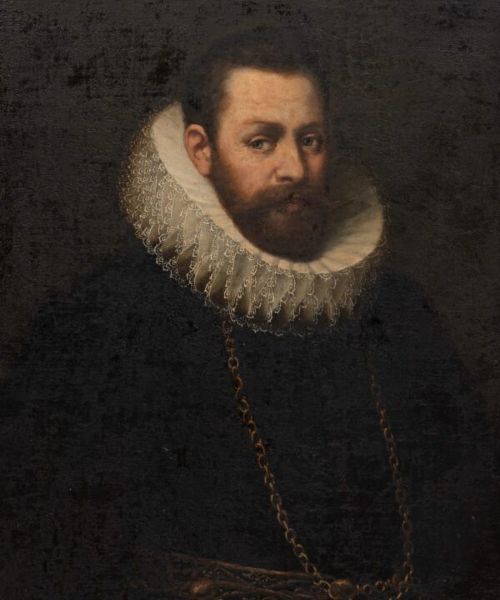
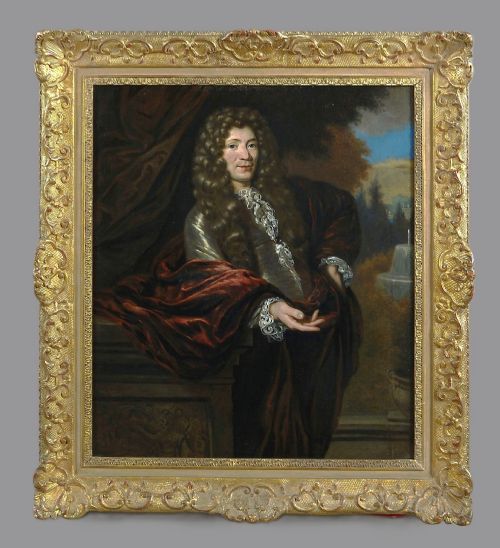
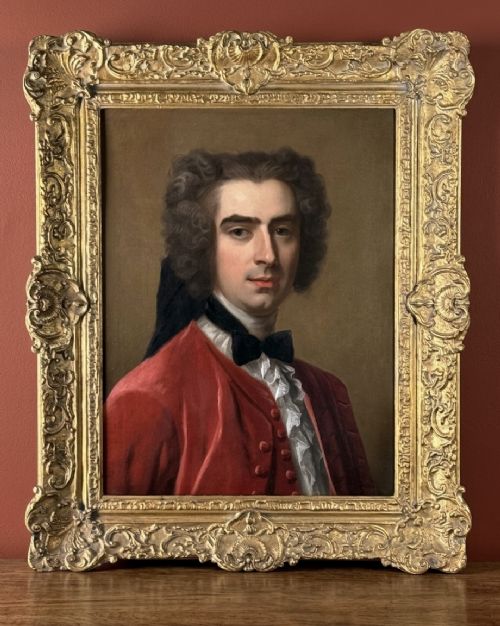
Several gentlemen stare down viewers from past centuries while wearing magnificent periwigs, red jackets, and velvet coats.
Quality Variations
The skill of the brushwork and the accuracy of facial anatomy distinguish master painters from provincial copyists. Subtle shading in skin tones and the rendering of textiles indicate a higher grade of portraiture.
The integrity of the original canvas, stability of the paint layer, and authenticity of the period frame dictate the historical value. Works retaining their initial stretchers and untouched surfaces command greater attention.
Charles Jervas·Jean Baptiste Van Loo·Jeremiah Davison·Sir Godfrey Kneller·Constantyn Netscher·Lemuel Francis Abbott·Thomas Murray·Charles Shirreff·John Scougall·Edouard Pingret
The Framed Portrait of Gentleman Glossary
- Canvas
- A heavy woven fabric stretched across a wooden frame to serve as a painting surface. It provides the primary base for oil portraits across multiple centuries.
- Giltwood
- Wood carved and coated with a thin layer of gold leaf or metallic paint. This material forms the ornate frames frequently housing antique paintings.
- Periwig
- A voluminous man's wig fashionable in the seventeenth and early eighteenth centuries. Its presence helps date many early male portraits.
- Silhouette
- A profile likeness cut from black paper or painted in solid dark tones. These works often capture sitters from the nineteenth century with sharp linear precision.
- School
- A group of artists working within a specific region or sharing a common stylistic influence. Attributions to a particular school denote shared geographic and technical traditions.
Framed Portrait of Gentleman: Frequently Asked Questions
How do I date a painted portrait?
Clothing, hairstyles, and accessories provide the most reliable dating evidence for historical portraits. A periwig points to the turn of the eighteenth century, while neckwear styles and uniform cuts align with specific decades.
Frame construction and canvas stamps offer additional clues regarding the age of the piece. Comparing the sitter's attire with documented fashion history narrows the creation window.
What is the difference between an oil painting and a silhouette?
Oil paintings utilise coloured pigments on canvas or wood to capture three-dimensional likenesses with full tonal shading. They require careful preservation of the paint surface and stretcher frames.
Silhouettes rely on stark two-dimensional profiles, typically cut from paper or painted in monochrome. They present a graphic, minimalist alternative to traditional painted canvases.
Where should I hang a large portrait?
Large canvases require sturdy wall anchors and spaces with stable humidity away from direct sunlight. Dining rooms and hallways historically accommodated grand scale portraiture.
Ensure the hanging height allows the viewer to look comfortably toward the subject's eye level. Lighting should be indirect to prevent glare on glass or varnished oil surfaces.
Why are some portraits attributed rather than signed?
Many historical portraits left the studio unsigned because artists relied on workshop assistants or considered the commission a standard commercial product. Signatures were less common in earlier centuries.
Experts attribute works by comparing brushwork, composition, and subject matter with documented pieces by specific masters or schools.