




Inscribed Portrait Painting
An inscribed portrait painting carries the name or history of its sitter directly on the canvas, panel, or frame.
Inscribed Portrait Painting
When buyers search for an inscribed portrait painting, they look for historical likenesses accompanied by contemporary or later handwriting that identifies the sitter, artist, or date. These works range from seventeenth-century panels and copper plates to nineteenth-century canvases and twentieth-century framed oils.
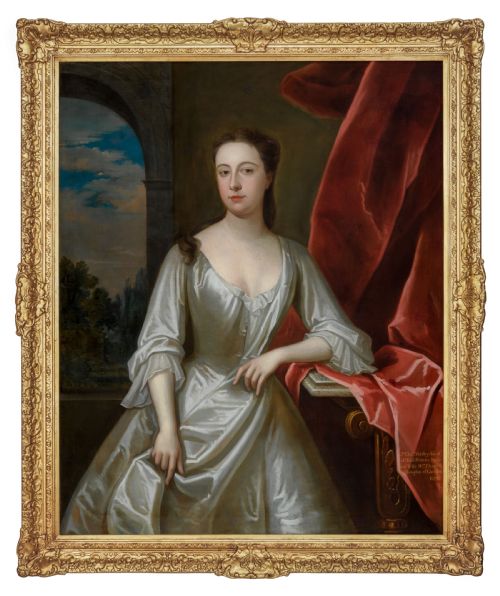
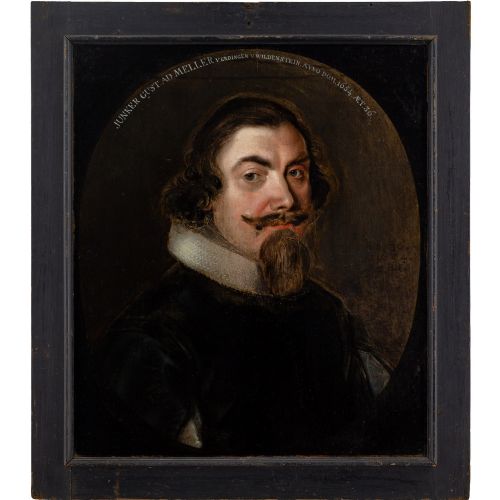
The selections available include formal aristocratic likenesses from the British Baroque period, folk art depictions, and domestic interiors. Seventeenth-century and eighteenth-century examples frequently feature Latin or English inscriptions on the front or reverse detailing names and dates, while later Victorian and twentieth-century pieces often utilise labels, reverse writing, or presentation plaques.
Materials and construction
The surviving examples in this field employ oil paint applied to canvas, wood panels, or copper sheets, housed within period frames made of oak or gilded wood. Artists of the seventeenth century frequently utilised copper or wood as a rigid support for fine brushwork, whereas eighteenth- and nineteenth-century painters relied predominantly on stretched canvas.
Inscriptions were executed directly onto the wet or dry paint surface, written on the reverse canvas, inscribed on wooden stretchers, or engraved on metal presentation plaques affixed to the framing. The physical integration of the handwriting into the backing or frame provides key provenance for each sitter.
Inscribed Portrait Painting Retail Price Guide 2026
Typical asking prices for inscribed portrait painting among the pieces listed under this phrase on Sellingantiques today, from the lower quarter to the upper quarter. They describe what is for sale here now, not the wider market.
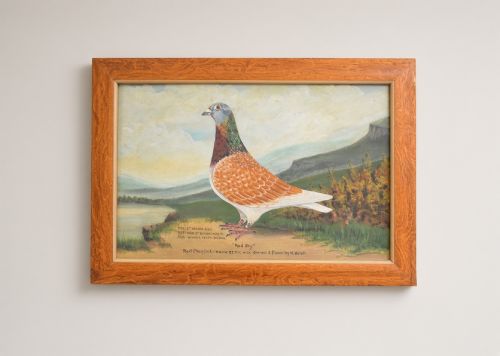
Racing pigeons and interrupted shaving rituals share canvas space with bishops and monarchs in this diverse gathering of historical sitters.
Distinguishing quality in the work
Quality in these portraits rests upon the skill of the brushwork in capturing likeness and texture, the contemporary reliability of the handwriting, and the preservation of the original support. Finer works display sophisticated handling of drapery, facial modelling, and light, while simpler folk art pieces rely on direct, unpretentious line.
The historical integrity of the writing matters immensely, as primary inscriptions applied by the artist or a close contemporary hold greater documentary weight than later secondary additions. The survival of original stretched canvas, copper plates, or period frames such as stepped oak settings similarly elevates the standing of a piece.
Sir Godfrey Kneller·William Henry Knight·Rolinda Sharples·William Denune·Sir Peter Lely·Kershaw Schofield·Jan van der Vaart
The Inscribed Portrait Painting Glossary
- Inscribed
- Bearing handwriting, a signature, a date, or a plaque that identifies the subject, artist, or occasion. This text may appear on the face of the painting, the reverse canvas, or the frame.
- Oil on copper
- A technique where artists paint directly onto a smooth copper sheet rather than canvas. This method provides a durable surface that preserves fine detail and brilliant colour over centuries.
- Baroque
- An artistic style prevalent during the seventeenth and early eighteenth centuries, characterised by drama, rich colour, and deep shadow. British and German interpretations of this style appear frequently in early portraiture.
- Provenance
- The documented history of a painting, including previous owners, exhibition records, and related literature. Inscriptions on the reverse often form the starting point for this historical trail.
Inscribed Portrait Painting: Frequently Asked Questions
What does an inscribed portrait painting show?
These works depict individuals ranging from seventeenth-century bishops and nobility to nineteenth-century family members and twentieth-century monarchs. The imagery focuses on the human face and form, captured in oil upon canvas, wood, or copper.
Accompanying text identifies the sitter, the painter, or the date of creation. This writing often appears directly beside the figure or on the reverse of the support.
Where are inscriptions usually found?
Inscriptions appear across various parts of the artwork depending on the period and the intent of the creator. Some makers integrated names and dates into the background of the painted scene itself.
Other examples feature handwriting on the reverse canvas, wooden stretcher bars, or paper labels attached to the back. Twentieth-century pieces frequently display inscribed metal plaques mounted directly onto the wooden frames.
How do I care for an oil painting on copper?
Copper supports require stable environmental conditions to prevent the metal from expanding or contracting differently than the paint layers. Keep the piece away from direct heat sources and high humidity.
Dust the surface gently with a soft, dry brush and avoid using liquid cleaners on either the paint or the metal edges. Professional conservation should be sought if the paint layer shows signs of lifting.
How can I tell the period of the frame?
Frames provide important clues regarding the age of a work, though many paintings were reframed in later centuries. Stepped oak frames and heavy gilded wood mouldings often correspond to the era in which the portrait was created or presented.
Examine the construction joints at the corners and the patina of the wood or gilding for signs of age. Original presentation plaques fixed to the moulding often record specific historical events that date the framing.