
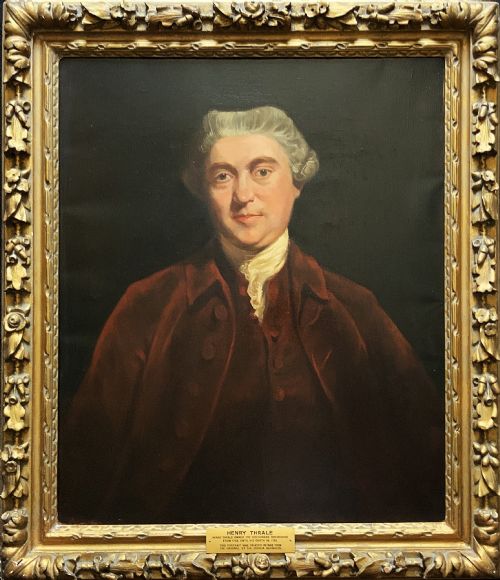
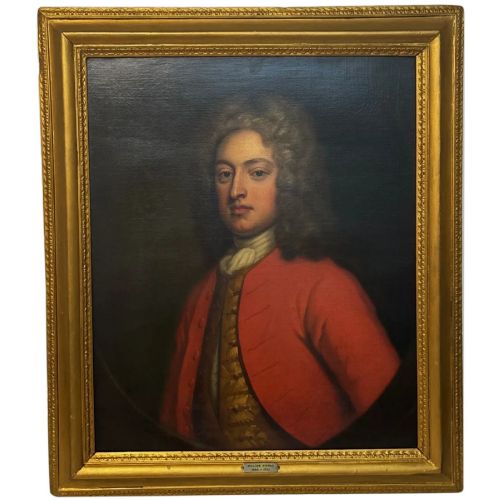
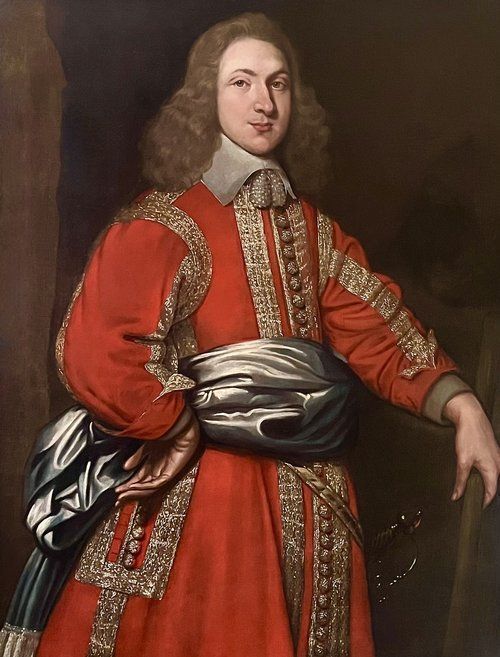
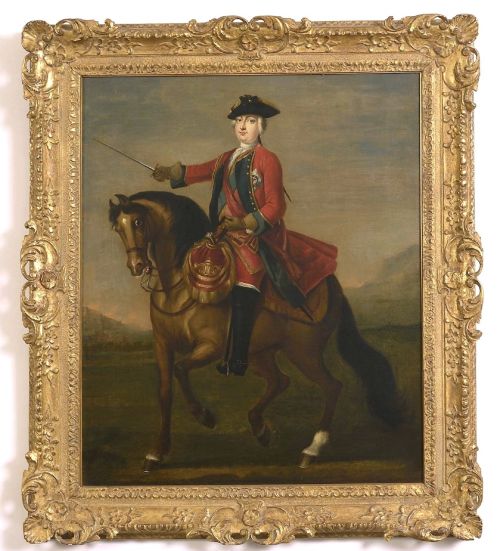


Red Coat Oil Portrait
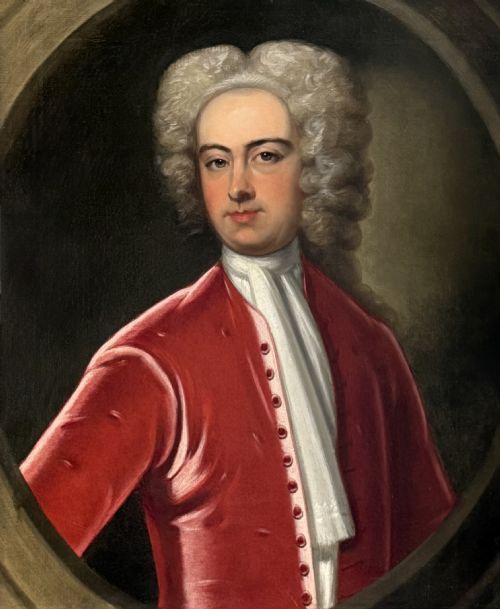
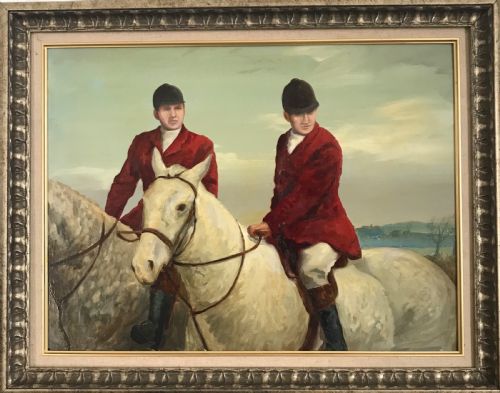
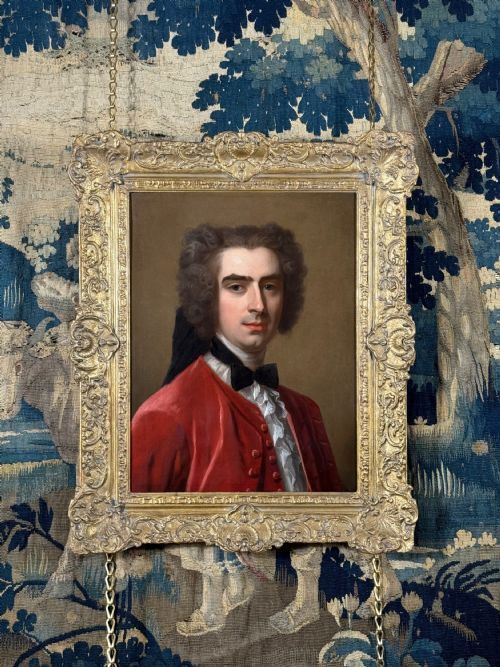
A red coat oil portrait captures the striking presence of military officers, nobility, and gentlemen through centuries of British painting.
Red Coat Oil Portrait
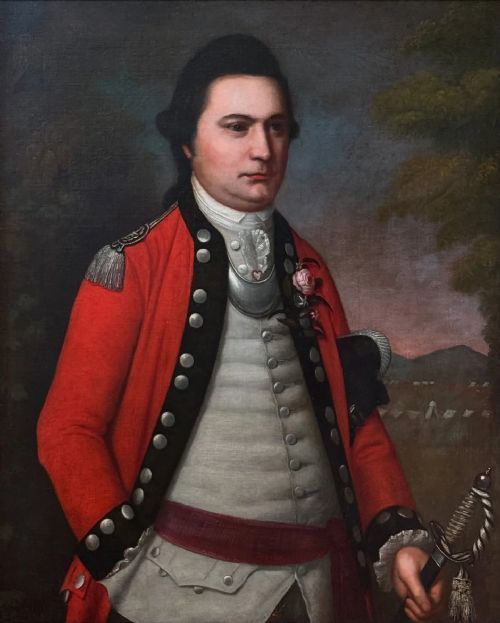
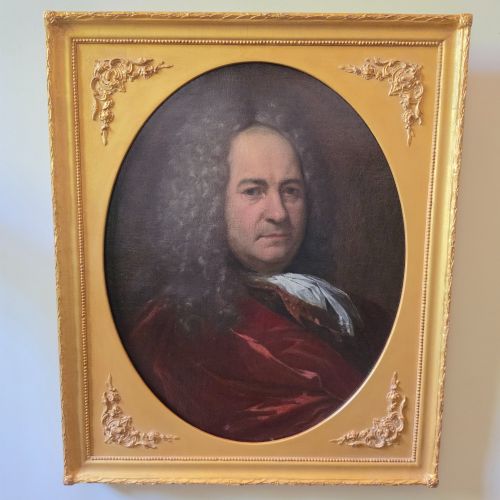
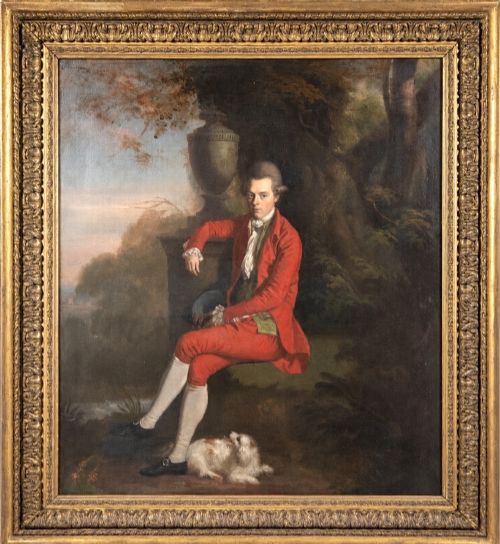
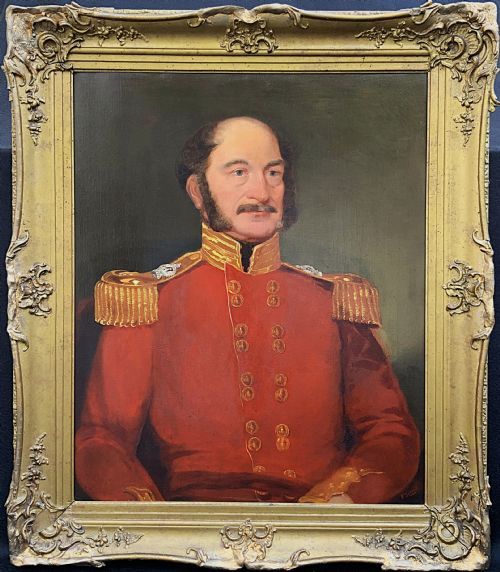
A red coat oil portrait depicts subjects wearing distinctive scarlet military tunics or civilian jackets, most frequently originating from the eighteenth and nineteenth centuries. These works range from formal Georgian and Victorian officer commissions to folk art interpretations and later nineteenth or twentieth-century studies.
The subjects typically include military officers, generals, and gentlemen rendered in half-length or full-length poses. Many pieces emphasise regiment details, medals, and traditional uniforms associated with British military history.
Framing varies considerably, with many examples housed in period giltwood or swept frames that complement the canvas work. The collection spans academic British school painting through to naive or regional depictions.
Materials and technique
Artists relied primarily on oil paint applied to stretched canvas, though certain works utilise wood panels or tin as a foundation. The pigment application builds deep tones for the characteristic scarlet coats against darker, atmospheric backgrounds.
Frames are constructed from wood, frequently finished with giltwood or silvered detailing to house the paintings securely. Ground preparation and layering techniques allowed artists to achieve durable finishes that survive across centuries.
Red Coat Oil Portrait Retail Price Guide 2026
Typical asking prices for red coat oil portrait among the pieces listed under this phrase on Sellingantiques today, from the lower quarter to the upper quarter. They describe what is for sale here now, not the wider market.
The listings encompass works spanning the seventeenth century through to the mid-twentieth century, utilising oil on canvas, wood, and tin.
Assessing quality and execution
The integrity of the original canvas, stability of the oil paint layer, and the presence of a matching period frame significantly influence the character of the piece.
JEAN-BAPTISTE VAN LOO·STICKLAND LOWRY·CHARLES JERVAS·JOHN HAMILTON MORTIMER·MICHAEL DAHL·THOMAS BEACH·GEORGE DUNCAN BEECHEY
The Red Coat Oil Portrait Glossary
- Giltwood
- Wood carved and coated with gold leaf or gold paint to create an ornate decorative frame. This finish was standard for formal portraiture during the Georgian and Victorian periods.
- Oil on Canvas
- A painting medium where pigments suspended in drying oils are applied to a woven fabric support. This combination provides flexibility and longevity for large-scale portraiture.
- Regency
- A British historical period spanning the early nineteenth century defined by specific neoclassical aesthetic trends. Portraits from this era often feature softer jacket cuts and distinct hairstyles.
- Georgian
- The era covering the reigns of the first four Hanoverian kings, characterised by classical restraint and balanced composition in fine art. Portraiture from this time often highlights prominent military or social standing.
- Victorian
- The period of Queen Victoria's reign noted for industrial expansion and rigorous academic realism in portrait painting. Military commissions from this time display precise uniform insignia.
Red Coat Oil Portrait: Frequently Asked Questions
How do I identify the military rank?
Rank is typically indicated through uniform details such as gold braided shoulder epaulettes, collar insignia, and specific button arrangements. Artists often included medals or sashes that denote the precise regiment and honours of the sitter.
Consulting historical military uniform records for the specific period helps match the visual cues on the canvas to the correct commission.
Are these paintings signed by the artist?
Some portraits feature visible signatures or inscriptions on the canvas or stretcher bars, while many historical works remain unattributed or assigned to a specific school. Unsigned paintings are frequently attributed through stylistic comparison and archival records.
Documentation accompanying the piece often records previous scholarly attributions or related works by the same studio.
How should I clean an antique oil painting?
Surface dust should be removed very gently using a soft, dry brush without applying pressure to the canvas. Chemical cleaners and water must be avoided to prevent damage to the aged oil paint and varnish layers.
Professional conservationists should handle any deeper cleaning or restoration required for aged canvases.
What framing is appropriate for these portraits?
Period giltwood or swept wooden frames best complement the aesthetic of eighteenth and nineteenth-century canvases. Original frames enhance the historical context of the artwork.
Replacing lost or damaged framing requires matching the style and profile typical of the painting's original era.