

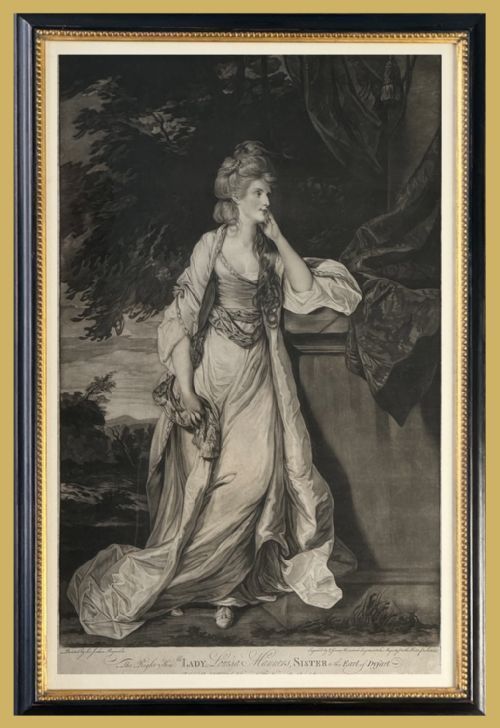
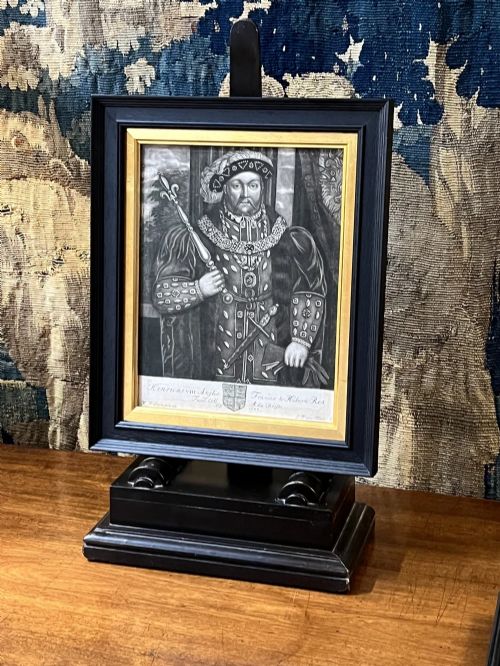
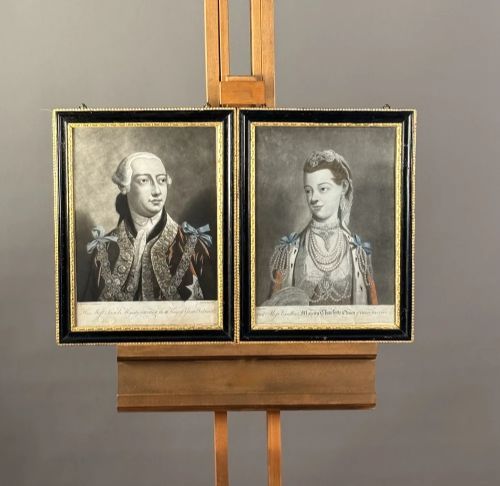
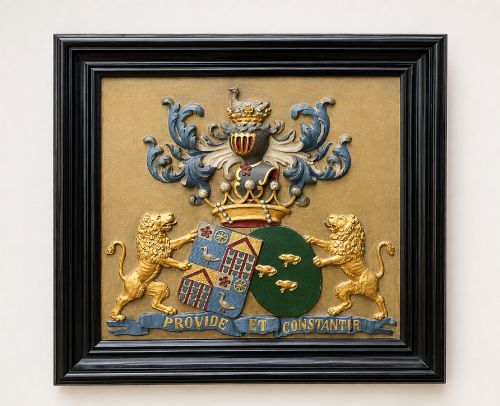


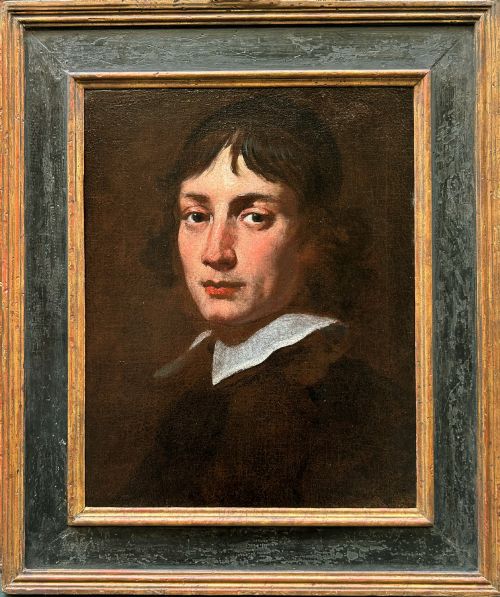
Ebonised and Gilt Frame
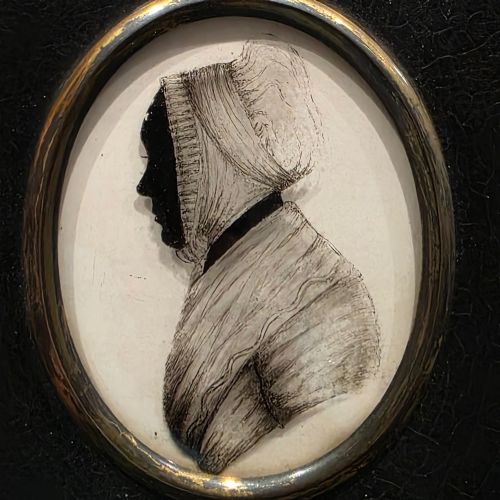
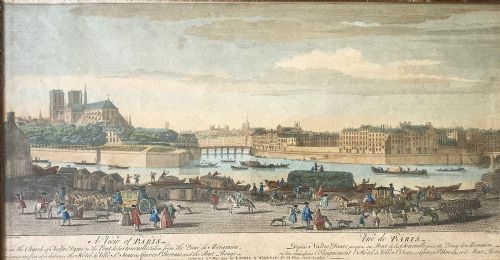
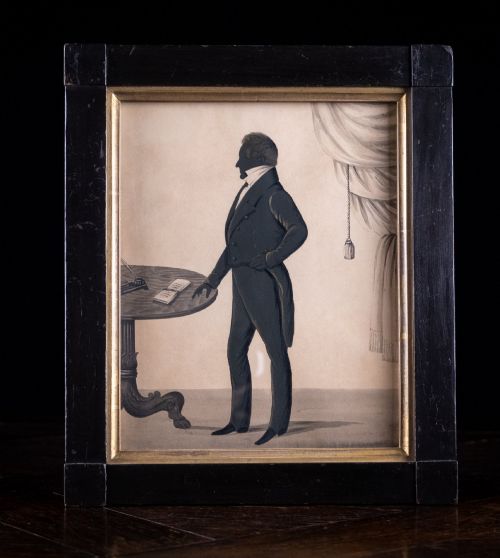
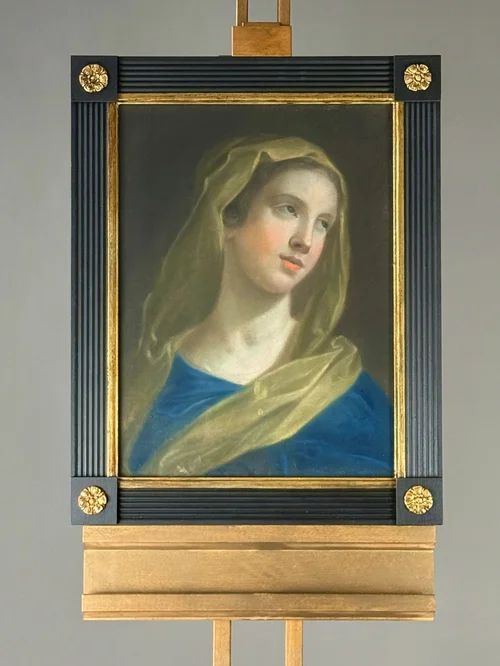
An ebonised and gilt frame offers a striking contrast of dark timber and metallic lustre that frames mirrors, portraits and prints with theatrical depth.
Ebonised and Gilt Frame
When searching for an ebonised and gilt frame, a buyer encounters wall mirrors, overmantels and picture frames spanning from the seventeenth century through to the Victorian era. These pieces combine darkened or blackened wood with reflective metallic highlights to create a distinct visual boundary for the artwork or mirror plate within.
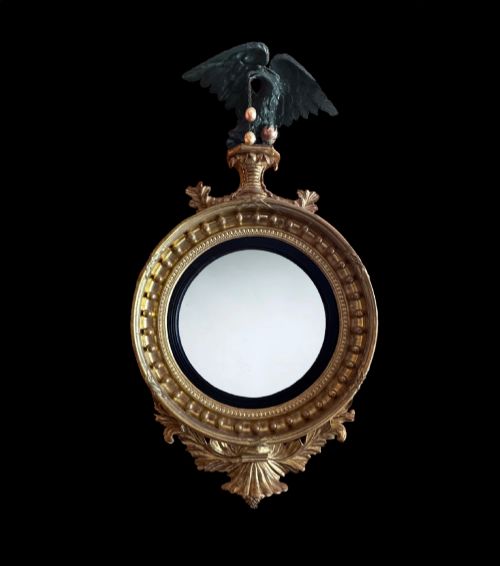
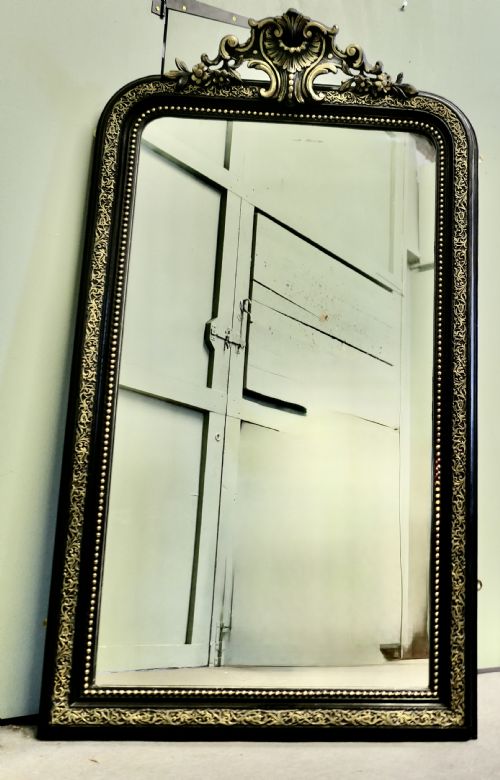
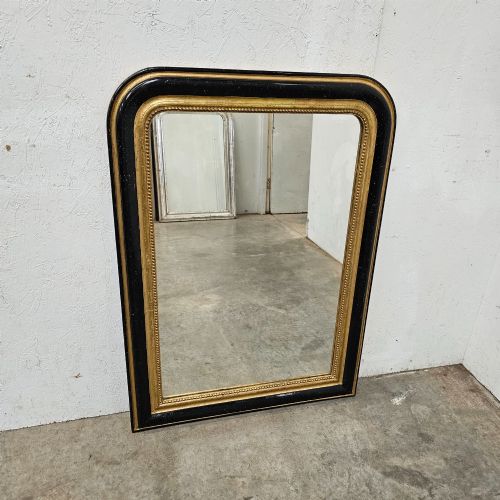
The most frequent examples met on this page date from the nineteenth century, including Victorian parcel-gilt oval wall mirrors and Napoleon III pier mirrors. Alongside these stand earlier Regency convex glasses and seventeenth-century cushion frames, all sharing the deliberate juxtaposition of deep black and brilliant gold.
How they were made
The dark finish of an ebonised and gilt frame is typically achieved by staining dense timber such as fruitwood or beech to mimic ebony, or by applying a dark japanned coating. Artisans then added brightness through parcel-gilt highlights, applying thin sheets of gold leaf to carved mouldings, raised gesso details or inner sight edges.
Construction techniques evolved across the periods represented here, moving from heavy architectural mouldings pinned over softwood carcasses in earlier centuries to refined gesso ornament and applied brass mounts on nineteenth-century Victorian and continental pieces.
Listings feature items dated from the seventeenth century through to the twentieth century, employing glass, brass, paper and gold leaf.
What varies in quality
The distinction between ordinary and exceptional examples rests upon the crispness of the carved detail and the depth of the finishing layers. Superior pieces display finely hand-tooled gesso and carefully laid gold leaf that catches the light naturally against the matte black timber.
Proportion and structural integrity also separate standard production from masterwork execution. Better frames maintain balanced sight lines and securely joined mitred corners that resist warping, preserving the intended harmony between the dark ebonised field and the gilt highlights.
Benedetto Luti·Valentine Green·Sir Joshua Reynolds·John Faber Snr·Hans Holbein The Younger·Thomas Frye·Richard Purcell·Guillaume Courtois·Albin Mattenheimer
The Ebonised and Gilt Frame Glossary
- Ebonised wood
- Timber treated with a chemical stain, black dye or paint to imitate expensive ebony. This dark finish provides a stable, matte ground that accentuates adjacent gilding.
- Parcel-gilt
- A decoration method where only specific raised portions, carvings or mouldings receive gold leaf while the rest of the surface remains ebonised. It creates targeted highlights rather than total gilding.
- Gesso
- A plaster-like mixture applied to wood frames as a smooth base for subsequent gilding. Its thickness allows artisans to carve or stamp crisp decorative motifs before applying gold leaf.
- Cushion mirror
- A frame profile characterised by a broad, outward-sloping convex surface resembling a soft pillow. This shape maximises the play of light across the ebonised and gilt veneers.
- Convex mirror
- A circular looking glass with a curved spherical plate that reflects a wide-angle view of the room. They are frequently housed within deep ebonised frames decorated with gilt spheres or reeded bezels.
Ebonised and Gilt Frame: Frequently Asked Questions
Were these frames always paired with mirrors?
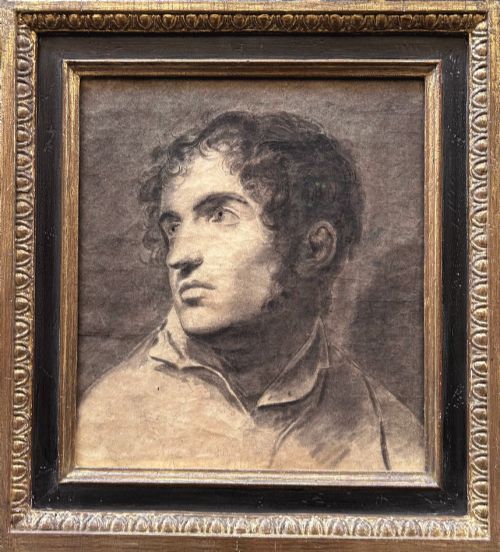
While many house reflecting plates, a significant portion were built specifically to house oil paintings, portrait miniatures, engravings and textiles. The dark and bright border was designed to draw the eye inward toward the central artwork.
Over long periods, original contents were occasionally swapped, meaning some historic frames now house later prints or mirrors that fit their precise rebate dimensions.
How can I tell a Victorian frame from a Regency one?
Regency examples often lean toward architectural restraint, featuring convex plates with reeded ebony bezels and restrained gilt rope-twist details. They reflect a neoclassical taste derived from earlier classical precedents.
Victorian and later nineteenth-century pieces tend toward heavier, more exuberant ornamentation with deep moulded profiles, applied gesso embellishments and complex parcel-gilt highlights.
What is the best way to hang a heavy overmantel mirror?
Heavy overmantel mirrors require secure load-bearing fixings anchored directly into structural wall studs rather than mere plasterboard. The considerable weight of the wooden carcass, gesso and glass demands professional installation.
Ensure the hanging wire or integrated mirror brackets distribute the load evenly to prevent strain on the antique mitred corners.