
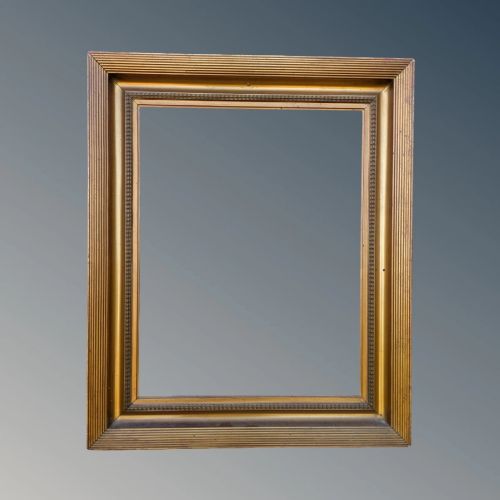

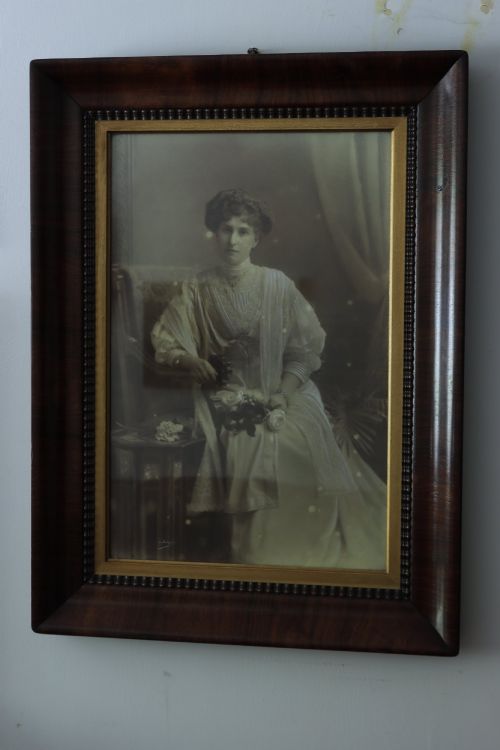

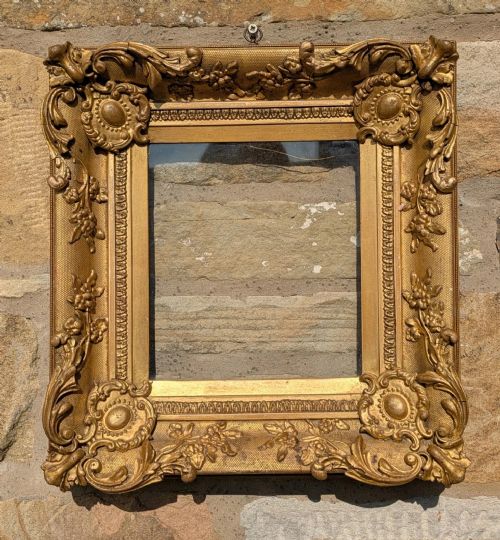


Victorian Portrait Photo
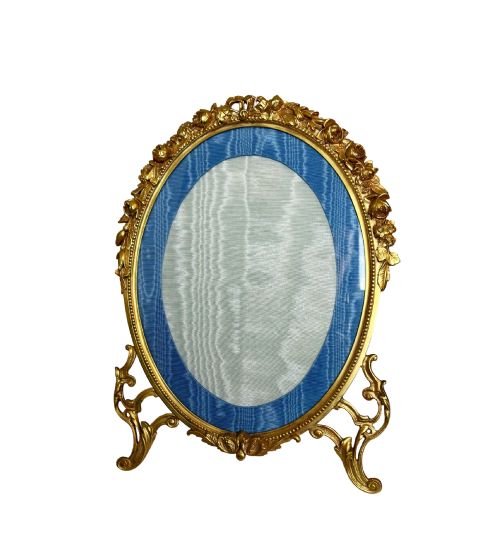
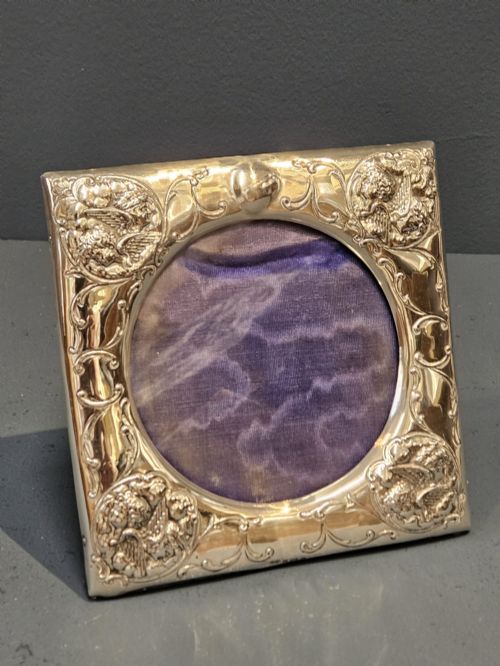
These pieces capture a Victorian portrait photo, holding personal likenesses in precious metals, carved woods and ornate gilt frames.
Victorian Portrait Photo
When you search for a victorian portrait photo, you encounter framed likenesses, table displays and wearable lockets from the nineteenth and early twentieth centuries. The selection ranges from miniature watercolours and ambrotypes to black and white prints set in elaborate surrounds.
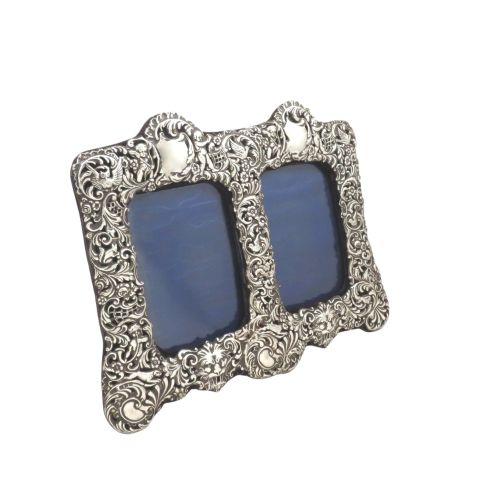
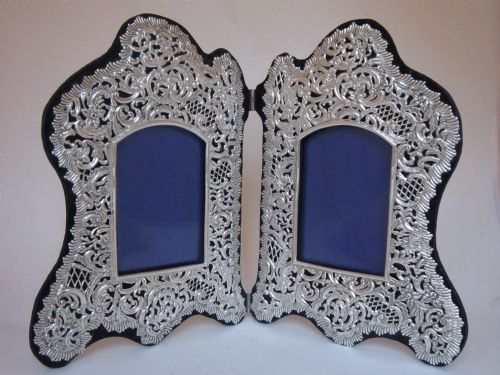
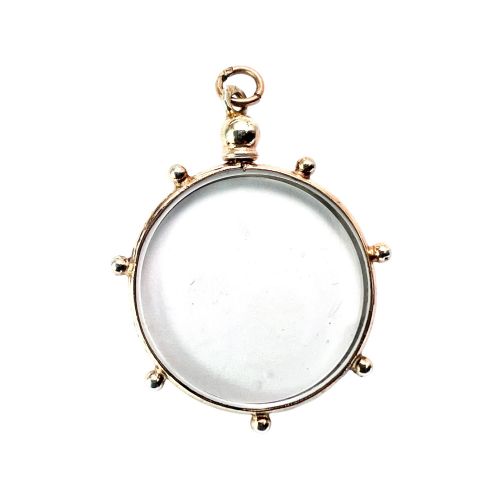
You meet picture frames, double photograph displays and pendant lockets spanning the Victorian and Edwardian eras. These items served as domestic memorials and intimate keepsakes, preserving the faces of family members and notable figures.
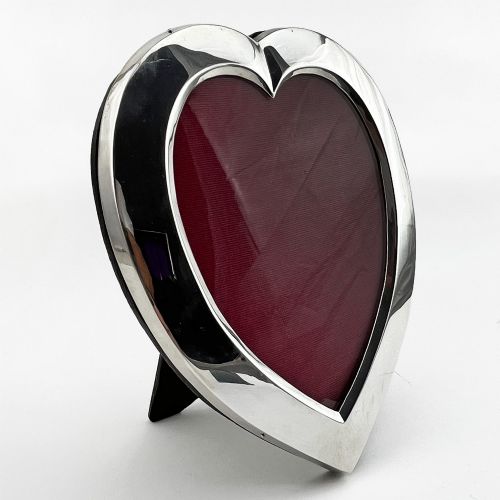
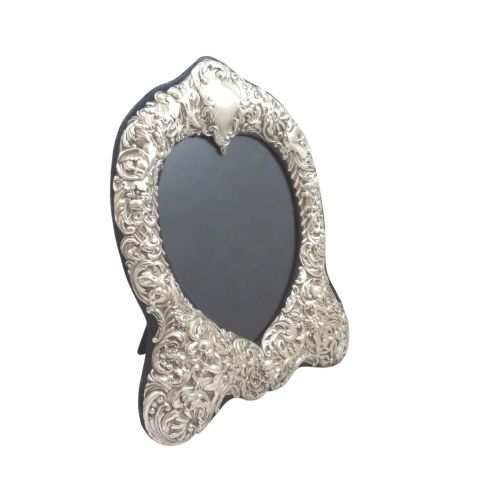
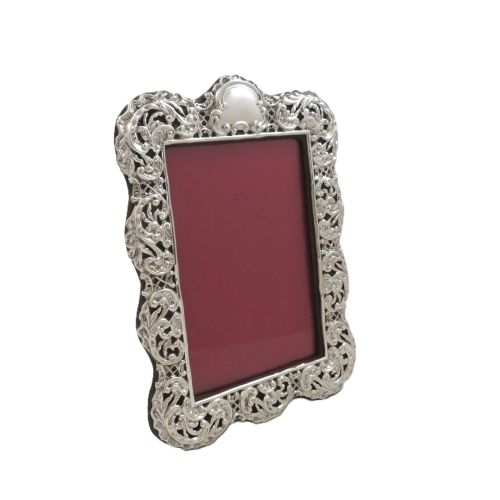
The objects take many physical forms, including heart-shaped sterling silver mounts, ebonised wall art and tabletop display boxes. Each piece frames a personal image through glass, metal or gilt gesso.
How They Were Made
Maker workshops utilised sterling silver, ormolu, brass and cast bronze to construct sturdy outer mounts and hinged easel backs. Craftsmen applied gold leaf to gesso and carved wooden frames, adding velvet backing materials for structural support and tactile contrast.
Photographs and painted miniatures were sealed beneath faceted or flat glass surfaces, sometimes secured with screw fitments or hinged bezels. Jewelers and metalworkers employed embossing, engraving and casting techniques to decorate the silver and gold frames.
Listings feature sterling silver, ormolu, brass, wood and velvet materials across the Victorian and Edwardian periods.
What Varies in Quality
Quality rests upon the crispness of the chased or embossed metalwork and the depth of the gilding on the bronze and gesso frames. Finer specimens display precise hallmarks, substantial gauge silver and well-fitted glass rather than thin, pressed metal.
The distinction between standard commercial output and superior craftsmanship shows in the weight of the solid silver, the articulation of hinges on double and six-fold frames, and the preservation of the original portrait miniature or photograph within.
William Comyns·Syner and Beddoes·Hardy Brothers·Sherwin and Cotton
The Victorian Portrait Photo Glossary
- Ambrotype
- An early photographic process on a glass plate, creating a positive image by placing a dark backing behind the glass. These delicate portraits often appear inside protective leather cases or hinged metal frames.
- Cartes de visite
- Small photographic portraits mounted on card stock, popular during the nineteenth century for collecting and trading. They fit neatly into specially designed tabletop display boxes and multi-window albums.
- Crystoleum
- A method of applying a transparent photograph to the inside of a concave glass piece, then hand-painting the back to create a coloured image. The technique yields a luminous, dimensional portrait.
- Ormolu
- Gilt bronze created by applying a finely ground high-carat goldmercury amalgam to a bronze object. The finish provides a rich, warm metallic lustre on ornate Victorian picture frames.
- Gesso
- A plaster mix applied to wood frames as a base for moulding and gilding. Skilled artisans carved and stamped the dried gesso to produce intricate relief patterns.
Victorian Portrait Photo: Frequently Asked Questions
What is a victorian portrait photo frame made of?
These frames utilise sterling silver, cast bronze, ormolu, brass and gilded gesso. Many examples incorporate glass fronts, wooden structures and velvet backing materials.
Makers combined these durable substances with paper prints, painted miniatures and photographs to create lasting domestic displays and personal mementoes.
How do I date a victorian portrait photo?
Dating relies on silver hallmarks, clothing styles, photographic formats like ambrotypes or cartes de visite, and the frame design. Aesthetic shifts from mid-century rococo revival to later art nouveau provide clear chronological markers.
Makers' marks on sterling silver components often pinpoint the exact year of production, while style cues help place unmarked pieces within the era.
How were these frames displayed originally?
Tabletop versions utilised hinged easel backs for placement on desks, mantels and sideboards. Double and six-fold variations allowed families to group multiple likenesses together in domestic spaces.
Some pieces featured rings or loops for wall hanging, while smaller locket and pendant formats were worn close to the body.