




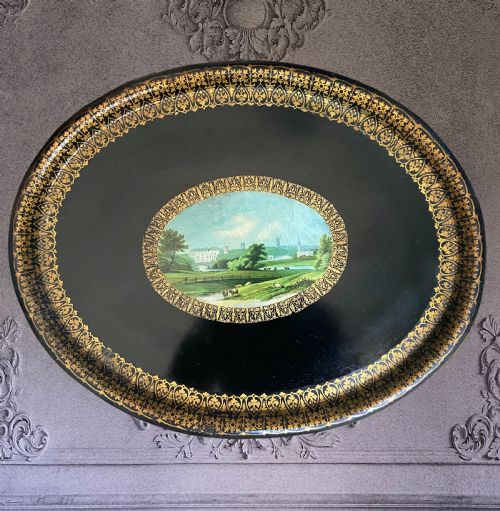


Antique Metal Tea Tray
An antique metal tea tray brings substance to the room, offering a solid surface for drinks or a decorative focal point.
Antique Metal Tea Tray
An antique metal tea tray encompasses serving platters, decorative trays, and occasional table tops produced across the nineteenth and early twentieth centuries. These pieces emerge from diverse design movements, including Victorian, Regency, Edwardian, and Arts and Crafts aesthetics.
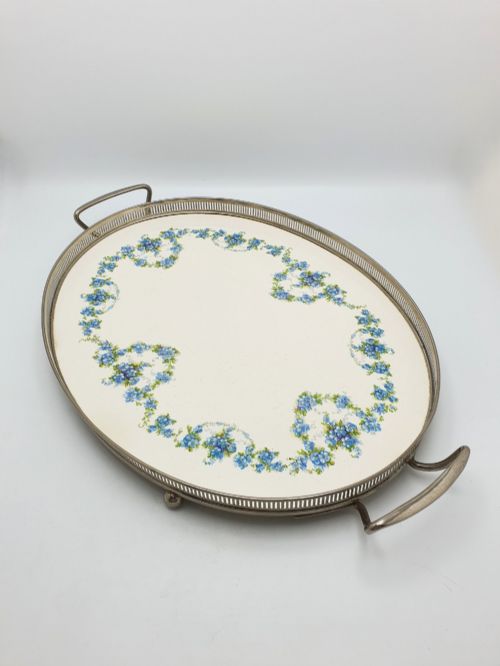
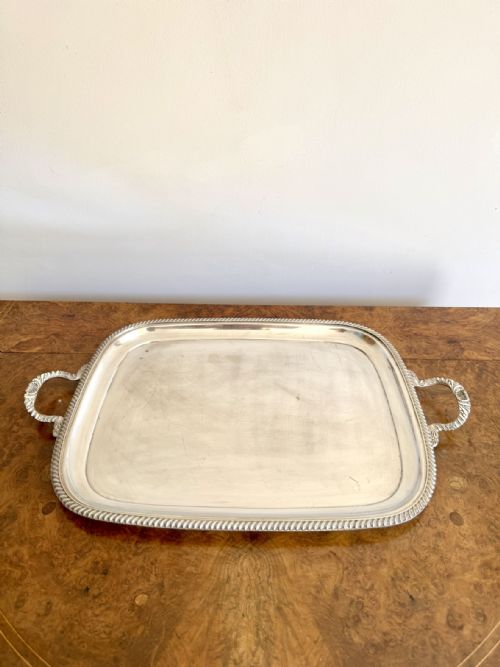
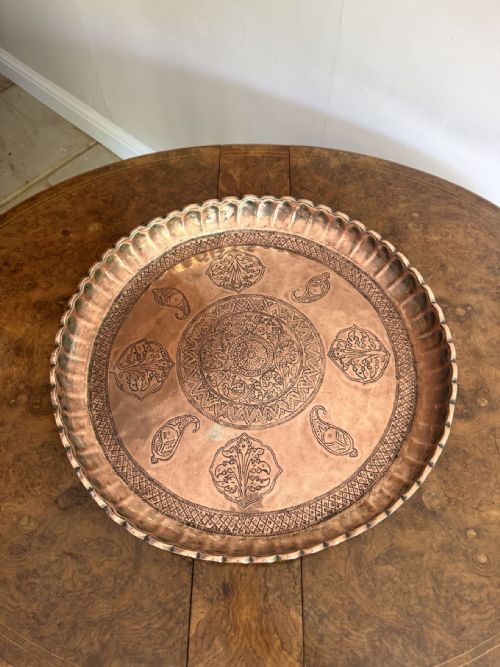
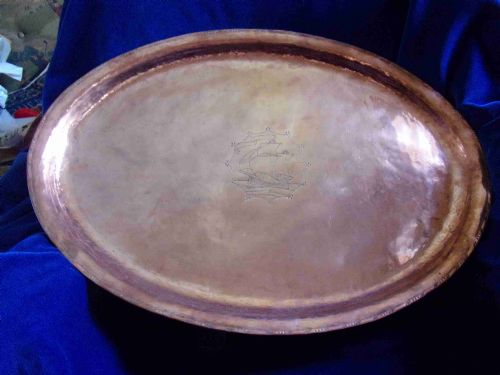
The most common forms on this page include silver-plated serving trays, hand-painted toleware trays, and hammered copper pieces from the Arts and Crafts period. Makers utilised brass, copper, pewter, and silver plate to create items intended for both formal hospitality and daily utility.
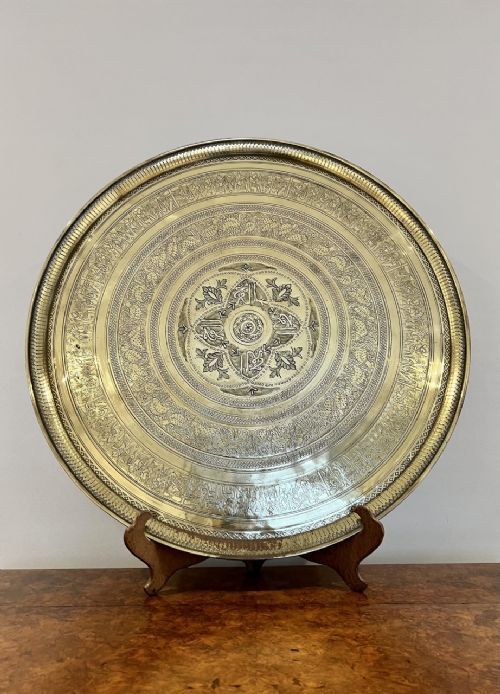
Originating from British workshops, continental European makers, and eastern traditions such as Caireware, these trays reflect the global trade and eclectic tastes of their respective eras. Many survive independently, while others sit upon dedicated folding or fixed stands as small tables.
Materials and construction methods
Artisans formed metal trays through hand-beating, rolling, and pressing sheet metals like copper, brass, and iron. Silver-plated examples often utilised base metals such as copper or Britannia metal coated in a thin layer of silver.
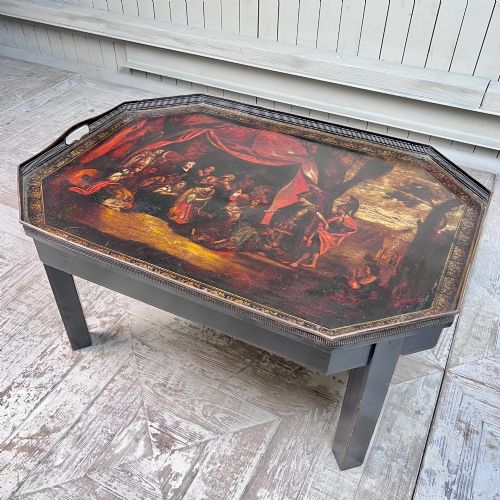
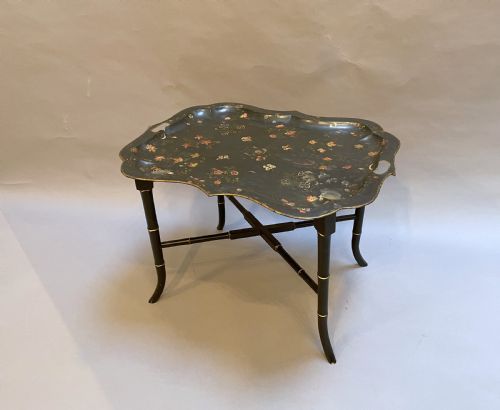
Toleware pieces relied on japanning and hand-painting techniques applied to sheet iron, creating deep dark grounds decorated with floral motifs or narrative scenes. Arts and Crafts items frequently display visible hammer marks that evidence manual shaping by individual metalworkers.
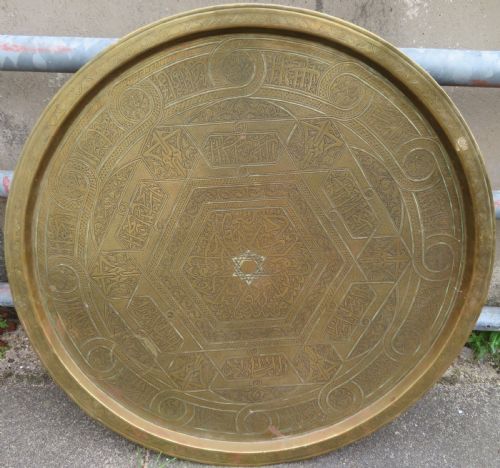
Pierced and reticulated borders required meticulous cutting and piercing of the metal edge, while engraved brass and copper surfaces show precise chiselling and punchwork executed by hand.
Listings feature items from the Regency period through to the nineteen-twenties, incorporating silver plate, copper, brass, and painted toleware.
Distinctions in quality and execution
Quality rests in the crispness of hand-engraving, the weight of the metal blank, and the integrity of applied decoration such as painted scenes or silver plating. Substantial gauge metal resists bending and provides the heft expected in a formal serving piece.
The finesse of hand-painted details on toleware and the precision of pierced rims separate standard utilitarian items from exhibition pieces. Maker attribution, through stamped marks or distinctive artistic style, further distinguishes exceptional works.
Hugh Wallis·Liberty and Co·Frank Cobb and Co·Fenton Russel·J.H. Potter·Peters Hamburg·Clay
The Antique Metal Tea Tray Glossary
- Toleware
- Painted or lacquered sheet metal items, particularly popular in Welsh and English centres during the Georgian and Victorian periods. These pieces often feature hand-painted floral centres or classical scenes.
- Silver Plate
- A thin layer of silver bonded to a base metal such as copper, brass, or nickel silver. This technique offered the visual appeal of solid silver at a lower cost.
- Japanning
- A European imitation of East Asian lacquerwork involving layers of heat-cured varnish applied to metal or wood. It produced a glossy, hard-wearing dark surface often embellished with gold or colour.
- Reticulated
- Ornamental work consisting of a network of openings or pierced patterns. Trays with reticulated borders feature intricately cut decorative gaps along the rim.
- Mamluk Revival
- A nineteenth-century design style inspired by medieval Islamic metalwork from Egypt and Syria. These pieces typically feature dense geometric and calligraphic brass engraving.
Antique Metal Tea Tray: Frequently Asked Questions
Can I use these trays for serving food?
Most antique metal trays serve well for dry goods, bottled beverages, or glassware during gatherings. Silver-plated and metal surfaces handle cold items safely when proper care is taken.
Historic painted toleware and lacquered surfaces require caution, as moisture and acidic foods can harm the antique finish. Placing a linen doily or cloth on the tray protects the decorated surface during use.
What is the difference between toleware and regular metal trays?
Toleware specifically denotes lacquered or painted sheet iron objects produced in workshops like Pontypool and Bilston. These pieces rely on dark japanned grounds decorated with hand-painted floral motifs or classical imagery.
Standard metal trays focus primarily on the metallic sheen of silver plate, copper, or brass without the heavy painted coating. Their decoration typically arises from engraving, chasing, or pierced borders rather than brushwork.
How do I display a metal tray on a table?
Large trays rest securely on low wooden folding stands to create temporary or permanent occasional tables. This method highlights the engraved or painted centrepiece at a comfortable viewing height.
Placed flat on a sideboard or coffee table, a tray gathers smaller decorative objects, candles, or glassware into a cohesive arrangement. The raised rim frames these items while protecting the underlying furniture surface.
How can I tell the period of a metal tray?
Examine the construction methods, weight, and decorative motifs for clues about the era of manufacture. Heavy old Sheffield plate and neoclassical Regency tole trays display distinct construction traits from the early nineteenth century.
Arts and Crafts pieces from around nineteen hundred often exhibit hand-hammered textures and workshop stamps associated with specific guilds or designers. Stylistic details like Art Nouveau curves or Islamic revival engraving point directly to the aesthetic preferences of the late Victorian and Edwardian periods.