



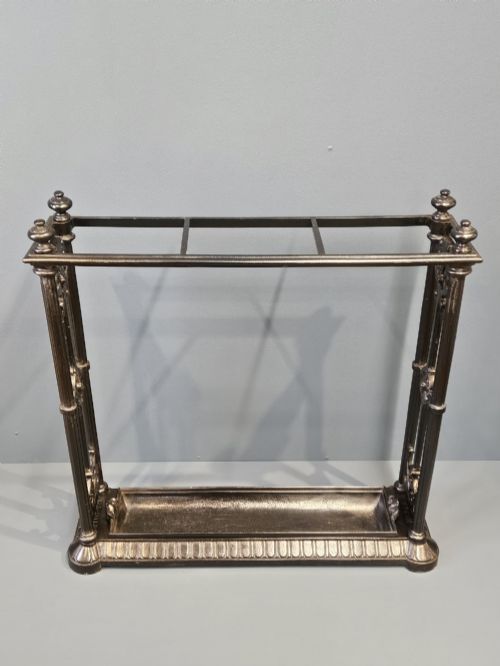
Victorian Decorative Tray
These pieces are a victorian decorative tray, offering functional utility and fine nineteenth-century craftsmanship for modern interiors.
Victorian Decorative Tray
Origins span English workshops, continental European foundries, and distant trade routes, demonstrating the global reach of nineteenth-century design. These objects served varied domestic functions, from afternoon tea presentation to calling card retention in formal hallways.
How they were made
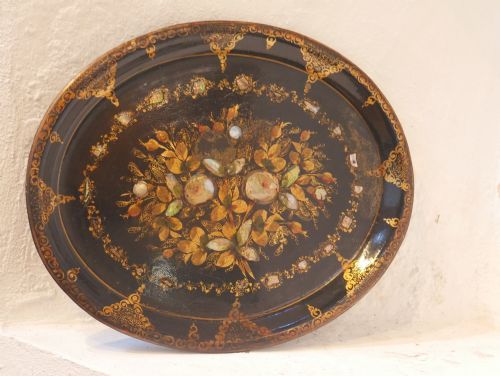
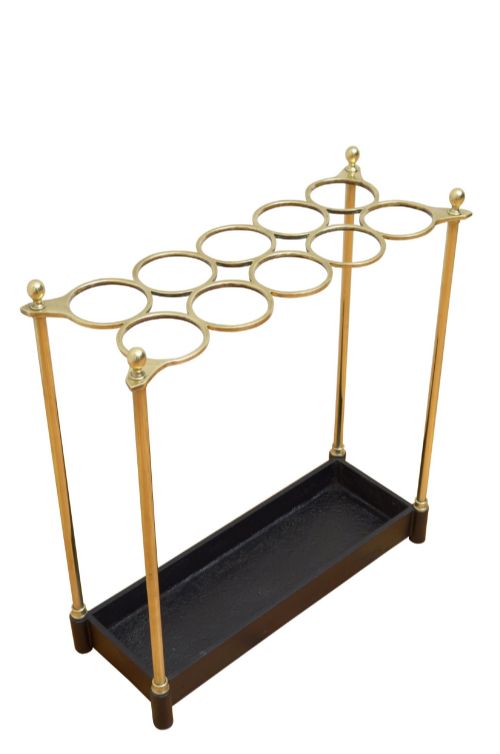
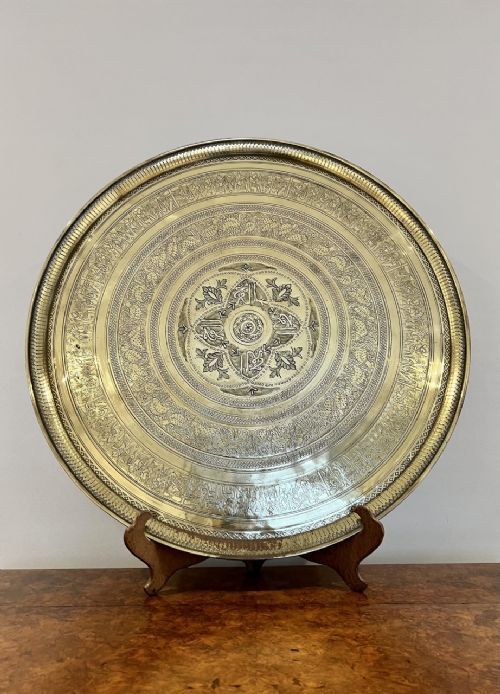
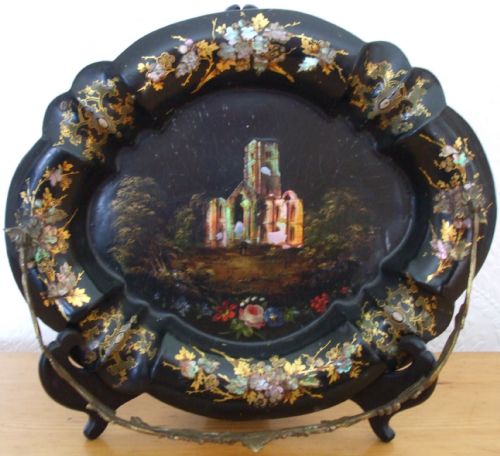
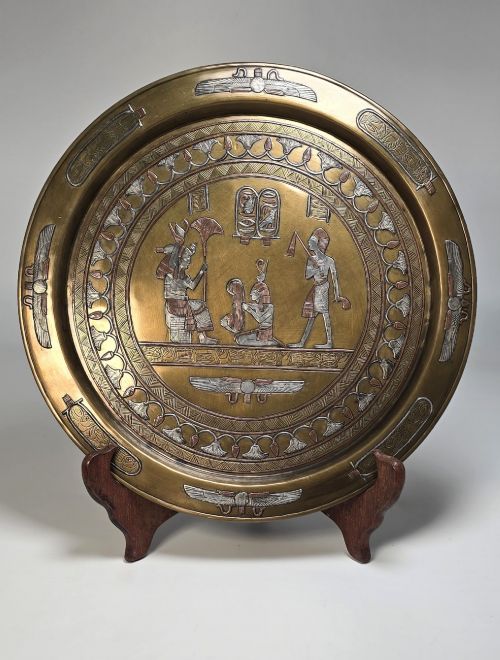
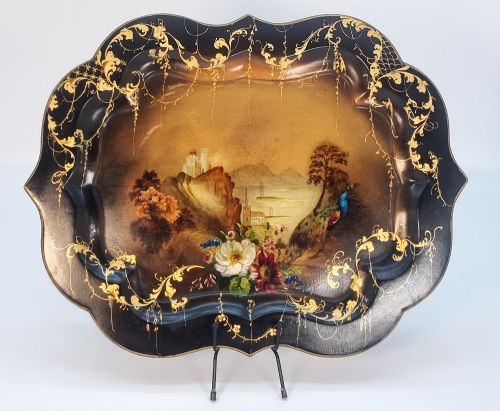
Papier-mâché pieces rely on layered paper pulp compressed and hardened with bindings, finished with smooth black lacquer and hand-painted or inlaid mother-of-pearl details. Metal examples utilise casting, hammering, and repoussé techniques in brass, copper, and bronze, often incorporating applied silver plating or gilt bronze mounts.
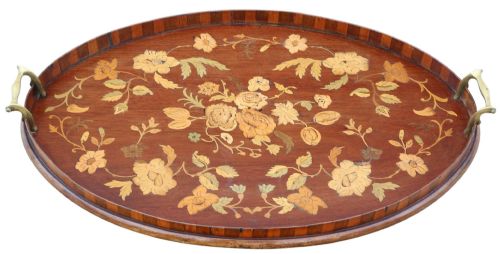
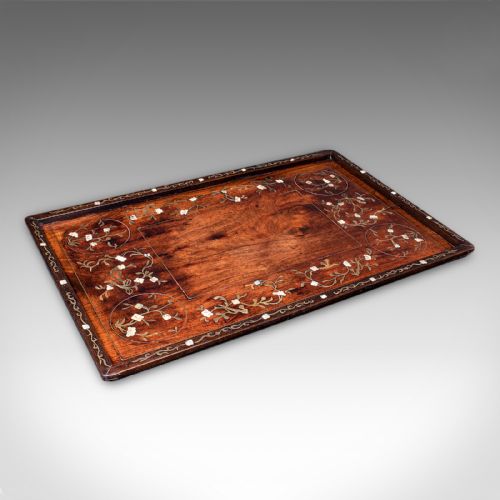
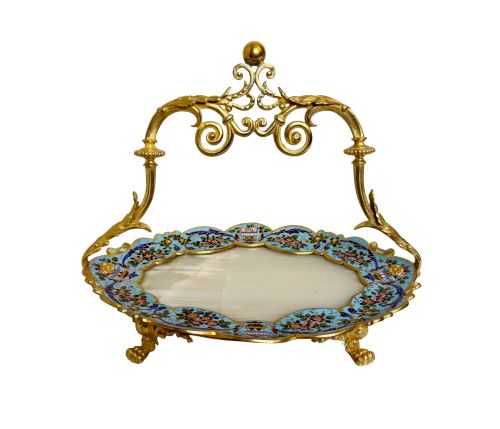
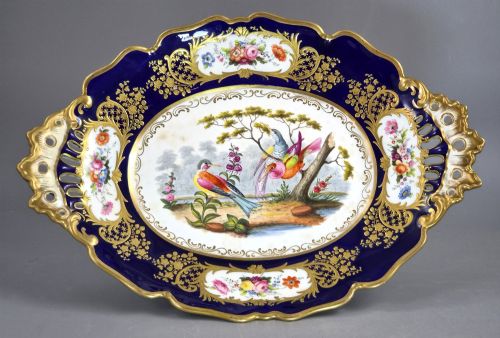
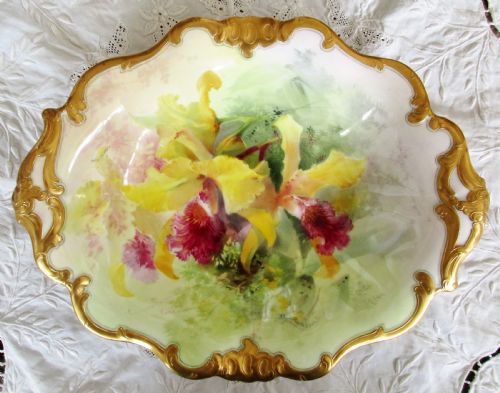
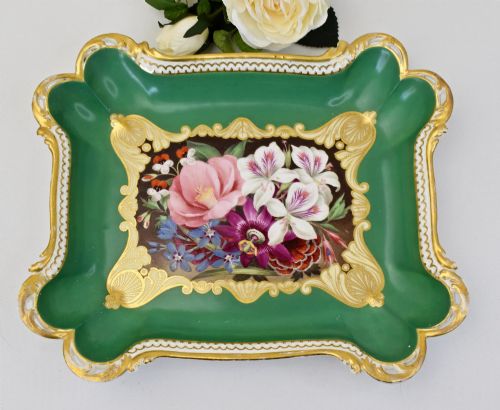
Porcelain and ceramic trays employ skilled hand-painting, cobalt blue glazing, and delicate enamel work, sometimes mounted in ormolu or brass bases. Wood trays feature marquetry inlay using mahogany, satinwood, and coromandel, demonstrating precision in cabinetry and surface finish.
Listings feature nineteen-century materials including papier-mâché, brass, porcelain, cast iron, and coromandel-wood.
What varies in quality
Quality rests upon the crispness of the chasing on metalwork, the depth and clarity of hand-painted motifs on porcelain and papier-mâché, and the integrity of foundational materials. Superior examples demonstrate meticulous attention to structural joints, secure inlays, and well-preserved surface decoration without excessive wear.
The sophistication of the design execution separates standard domestic items from exceptional studio pieces, particularly in intricate champlevé enamel work, engraved detailing, and complex marquetry patterns. Finer objects retain their original gilding, patination, and structural stability across varied materials.
Coalport·Doe and Rogers·Royal Doulton·Coalbrookdale·Tiffany and Co
The Victorian Decorative Tray Glossary
- Papier-mâché
- A composite material made from paper pulp or layers of paper bound with glue, pressed, and finished with lacquer.
- Champlevé
- An enamelling technique where troughs are dug into a metal surface and filled with vitreous enamel before firing.
- Repoussé
- A metalworking method where the artist hammers the reverse of a sheet to form a raised design on the front.
- Toleware
- Enamelled and japanned metalware produced in imitation of Asian lacquer, popular for trays and domestic vessels.
- Ormolu
- Gilded bronze mounts and decorative elements applied to furniture, porcelain, and trays during the nineteenth century.
Victorian Decorative Tray: Frequently Asked Questions
What were papier-mâché trays used for?
Papier-mâché trays served primarily for carrying tea services, holding calling cards in entrance halls, or displaying decorative items in drawing rooms.
Their lightweight yet sturdy construction made them practical for daily domestic hospitality.
How do I care for a brass tray?
Dust brass trays gently with a soft dry cloth and avoid harsh chemical cleaners that strip the historic patination.
Keep them away from direct moisture to protect the underlying metal surfaces.
Are these trays suitable for serving food?
Most antique decorative trays are intended for display, dry presentation, or holding objects rather than direct food contact.
Historic finishes and sensitive materials like lacquer or enamel can be damaged by moisture and food acids.
How can I distinguish period papier-mâché?
Period papier-mâché feels remarkably dense and heavy for its size due to the compressed paper and binding methods used by nineteenth-century makers.
Surface inspection reveals hand-applied lacquer and genuine mother-of-pearl inlay rather than modern synthetic alternatives.